5 Best Self Propelled Gas Lawn Mower Under $500: Buying Guide
Finding the best self propelled gas lawn mower under $500 means balancing cutting width, engine strength, traction, and the amount of control you get while walking. A lower price does not automatically mean a basic mower, but the right choice depends heavily on yard size, slopes, grass thickness, and how much maintenance you are willing to handle.
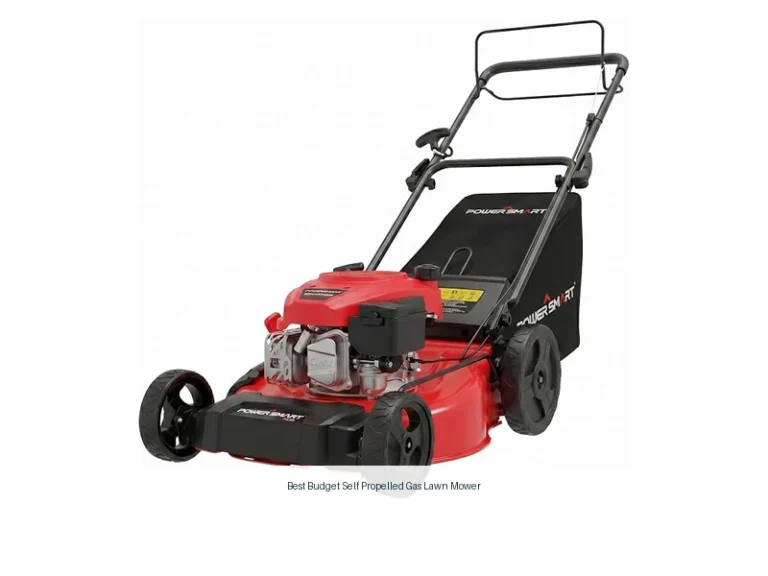
My first choice is PowerSmart 21-Inch 170cc OHV Rear-Wheel-Drive Self-Propelled Gas Lawn Mower. It stands at the top of this 5-product list because it offers the strongest overall fit for the buying priorities covered below.
My second choice is SENIX 201cc 22-Inch Variable-Speed Rear-Wheel-Drive Gas Lawn Mower. It is the option I would compare next when a buyer has slightly different priorities from my first pick.
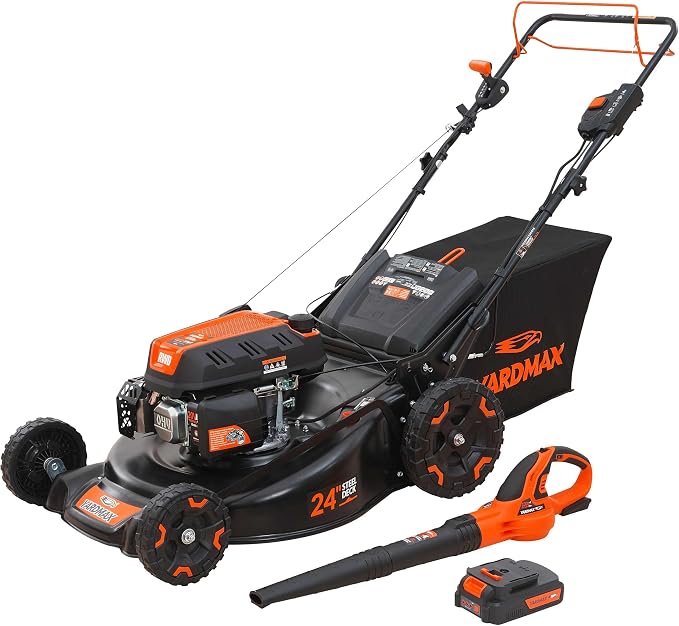
My third choice is YARDMAX 22-Inch 201cc Select PACE Six-Speed CVT Front-Wheel-Drive Mower. It rounds out my top three with a useful alternative for buyers whose priorities differ from the first two choices.
This guide compares all five selections by engine, traction, deck size, cutting flexibility, and ownership needs. You will also find practical buying advice, setup and maintenance guidance, common mistakes to avoid, and focused answers to questions buyers often ask before choosing a gas self-propelled mower.
.amz-product-card:hover{transform:translateY(-3px)!important;box-shadow:0 10px 26px rgba(20,70,110,.12)!important;border-color:#bdd7ea!important;}
Best Self Propelled Gas Lawn Mower Under $500
I selected these mowers for their relevance to the search, practical feature combinations, available customer-feedback evidence, and useful differences between brands and designs. The comparison considers cutting width, engine size, drive layout, height adjustment, mowing modes, and the type of yard each mower is most likely to suit; it does not claim hands-on testing.
| # | Image | Product | Price on Amazon |
|---|---|---|---|
| 1 |  |
PowerSmart 21-Inch 170cc OHV Rear-Wheel-Drive Self-Propelled Gas Lawn Mower | Check Price |
| 2 |  |
SENIX 201cc 22-Inch Variable-Speed Rear-Wheel-Drive Gas Lawn Mower | Check Price |
| 3 |  |
YARDMAX 22-Inch 201cc Select PACE Six-Speed CVT Front-Wheel-Drive Mower | Check Price |
| 4 |  |
PowerSmart 22-Inch 170cc Self-Propelled Rear-Wheel-Drive Gas Lawn Mower | Check Price |
| 5 |  |
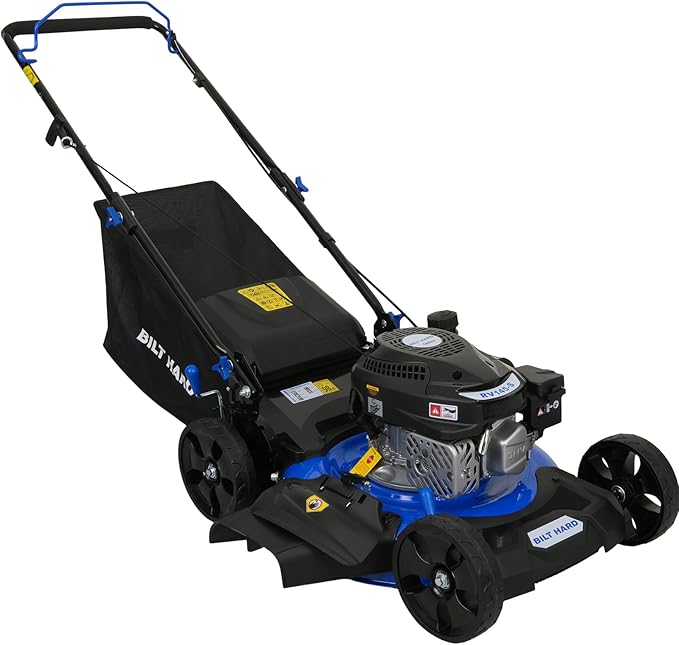
BILT HARD 21-Inch 201cc OHV Self-Propelled Gas Lawn Mower | Check Price |
PowerSmart 21-Inch 170cc OHV Rear-Wheel-Drive Self-Propelled Gas Lawn Mower
The PowerSmart’s 170cc OHV engine gives this mower a sensible balance for routine residential mowing. It is not the largest engine in this group, but it should provide adequate power for medium yards and normal seasonal grass while keeping the overall design straightforward. The rear-wheel-drive system is the more important advantage for buyers dealing with uneven ground, because the drive wheels remain useful when the front of the mower becomes lighter or crosses rough patches.
A 21-inch steel deck covers a productive path without making the mower unusually wide to maneuver around landscaping. The 3-in-1 setup lets you collect clippings in the 1.4-bushel bag, mulch them back into the lawn, or use rear discharge when the grass is long and bagging would require frequent stops. Six height positions from 1.5 to 3.9 inches provide enough range for seasonal changes and different grass preferences.
This is a particularly reasonable fit for a medium yard with slopes, modest unevenness, or several mowing modes. The main trade-off is that the supplied data does not indicate variable drive speed, so buyers who walk unusually slowly or quickly may prefer a mower with more pace adjustment.
Pros
- Rear-wheel drive and large rear wheels help with traction on slopes.
- Steel deck and 21-inch cutting width suit regular medium-yard mowing.
- Bagging, mulching, and rear discharge support different lawn conditions.
- Six height settings cover a useful 1.5- to 3.9-inch range.
Cons
- The 170cc engine is less substantial than the 201cc options here.
- The supplied features do not mention variable self-propelled speed.
- The 1.4-bushel bag may require more emptying on larger lawns.
My Opinion
This is the strongest all-around match when traction, versatility, and uncomplicated operation matter more than maximum engine size or speed customization. It offers the feature mix most buyers need without leaning too heavily toward one specialized use.
SENIX 201cc 22-Inch Variable-Speed Rear-Wheel-Drive Gas Lawn Mower
The SENIX stands out with a 201cc four-cycle OHV engine and a 22-inch steel deck. That combination is aimed at buyers who want to cover more ground per pass while having extra power available for thicker grass or a larger lawn. A wider deck can reduce total mowing passes, although it may feel less nimble in narrow gates, crowded planting beds, or tight side yards.
Its rear-wheel-drive system works with 11-inch rear wheels to improve traction and maneuverability over slopes and uneven terrain. The variable-speed self-propelled system is especially useful because walking speed is not the same for every operator or every section of a yard. You can slow down around obstacles and use a more comfortable pace across open areas, rather than constantly matching a fixed drive speed.
Cutting flexibility is also strong. Bagging, mulching, and side discharge cover the most common mowing approaches, while the six-position adjustment spans 1.25 to 4 inches. The wider adjustment range makes it easier to leave grass taller during heat or reduce the height for a more closely maintained appearance. As with any 22-inch mower, prospective buyers should confirm that the extra width fits their storage area and gates.
Pros
- 201cc engine and 22-inch deck suit larger or thicker-grass mowing jobs.
- Variable speed lets the operator set a more comfortable walking pace.
- Rear-wheel drive and 11-inch wheels support uneven terrain.
- Six height positions range from 1.25 to 4 inches.
Cons
- The wider deck may be less convenient in tight spaces.
- A larger mower can require more storage room than a 21-inch model.
- The supplied data does not specify the grass-bag capacity.
My Opinion
This is the best alternative for a buyer who values power, coverage, and pace control. It ranks just behind the PowerSmart because its wider format may be more mower than a smaller or more tightly landscaped yard actually needs.
YARDMAX 22-Inch 201cc Select PACE Six-Speed CVT Front-Wheel-Drive Mower
The YARDMAX takes a different approach to operator control. Its Select PACE continuously variable transmission offers six speed selections, allowing the mower’s forward motion to better match the person walking behind it. That is useful when mowing includes frequent turns, changing terrain, or operators who dislike being pulled along too quickly by a fixed-speed system.
The 201cc engine and 22-inch deck give it the basic capacity for larger residential areas, while the automatic choke is intended to simplify starting by removing the need to manually prime or choke the engine. Its high-wheel design uses aggressive spiked tread, which can improve traction and maneuverability on grass that is damp, uneven, or mildly sloped.
One practical ownership detail is the deck cleanout port. Being able to connect a suitable cleaning setup at the deck port can make it easier to remove built-up clippings, although the owner still needs to follow the product’s safety and cleaning instructions. The principal limitation is the front-wheel-drive layout: it can be convenient for lifting the front during turns, but rear-wheel drive is generally the more compelling configuration when sustained uphill traction is the priority.
Pros
- Six-speed CVT provides unusually useful control over mowing pace.
- Automatic choke simplifies the starting process.
- Aggressive tread tires support traction and maneuverability.
- Deck cleanout port can make underside maintenance more convenient.
Cons
- Front-wheel drive may be less suitable for demanding slopes.
- The 22-inch width needs adequate gate and storage clearance.
- The supplied data does not identify the bag capacity or height range.
My Opinion
Choose the YARDMAX when speed control and turning convenience are more important than maximum hill traction. Its CVT is the distinguishing feature, making it a thoughtful choice for buyers who want a more adjustable walking experience.
PowerSmart 22-Inch 170cc Self-Propelled Rear-Wheel-Drive Gas Lawn Mower
This second PowerSmart option expands the cutting path to 22 inches while retaining a 170cc four-stroke OHV engine. The broader steel deck can shorten mowing time on open lawns, and the rear-wheel-drive system helps reduce pushing effort on slopes and uneven sections. It is a practical combination for someone who wants more coverage than a standard 21-inch mower without moving to a more complicated transmission.
Starting is supported by an auto choke and recoil system, which should make the start-up routine more approachable for a beginner. The 3-in-1 cutting system provides mulching, rear bagging, and rear discharge, so the owner can change the handling of clippings according to grass length and lawn preference. The listed 60-liter bag is a meaningful convenience on larger areas because it can reduce the number of interruptions compared with a smaller catcher.
Height adjustment runs from 1.5 to 3.9 inches across six positions. That covers ordinary maintenance cuts as well as a taller setting for periods when the lawn should not be cut as aggressively. The limitation is the 170cc engine: it may be entirely adequate for routine mowing, but buyers facing consistently dense grass may prefer the 201cc alternatives. The 22-inch deck also deserves a quick gate and storage measurement before purchase.
Pros
- 22-inch steel deck covers open lawn efficiently.
- Rear-wheel drive reduces effort on uneven ground and slopes.
- 60-liter bag holds more clippings between emptying stops.
- Auto choke and recoil start keep the starting system straightforward.
Cons
- The 170cc engine is not the largest in this selection.
- The wide deck can be awkward in narrow or highly landscaped areas.
- The supplied data does not mention variable drive speed.
My Opinion
This model makes sense for buyers who want a wide mowing path and a larger bag without giving up rear-wheel traction. It is a practical open-yard choice, but the 21-inch PowerSmart is arguably easier to place in a broader range of residential layouts.
BILT HARD 21-Inch 201cc OHV Self-Propelled Gas Lawn Mower
The BILT HARD pairs a compact 21-inch cutting width with a relatively large 201cc four-stroke OHV engine. That gives it a useful contrast to the wider 170cc PowerSmart models: it may be easier to guide through tighter spaces while still offering substantial engine capacity for ordinary residential mowing. Its steel deck supports three clipping choices—bagging, mulching, and side discharge—so the mower can adapt when grass conditions change.
Starting is intended to be simple through a no-choke, no-primer design. For a beginner, eliminating those manual steps can make the first part of each mowing session less confusing, although the mower still needs correct fuel, oil, and general preparation according to its instructions. Rear-wheel drive and single-speed self-propulsion provide steady assistance, while the foam-wrapped angled handle is intended to reduce hand fatigue during longer sessions.
Eight height positions, adjusted through one lever, span 1.2 to 3.75 inches. That is more adjustment choices than the other listed mowers, which may appeal to owners who pay close attention to seasonal cutting height. The trade-off is that the drive is single-speed, so it does not offer the pace customization found on the SENIX or YARDMAX. Customer feedback is also based on a smaller count than the higher-volume selections, so buyers should weigh its feature set alongside their own support and ownership priorities.
Pros
- 201cc engine offers strong capacity in a maneuverable 21-inch format.
- No-choke, no-primer starting design is beginner-friendly.
- Eight height settings provide fine cutting-height control.
- Rear-wheel drive and a comfort-oriented handle support easier mowing.
Cons
- Single-speed propulsion offers less pace control.
- The available customer-feedback sample is smaller than the other selections.
- The supplied data does not provide the grass-bag capacity.
My Opinion
The BILT HARD is an appealing feature-rich alternative for buyers who want a strong engine, compact width, and many height choices. Its fixed speed keeps it simpler, but that also makes it less adaptable for operators who prefer precise pace control.
How I Selected These Mowers for the Best Self Propelled Gas Lawn Mower Under $500
The selection process focused on whether each mower addressed the central needs behind the search: reducing pushing effort, handling common residential grass, and offering enough cutting flexibility to justify choosing gas power. I compared engine size, deck width, drive-wheel placement, wheel design, height range, starting approach, and clipping options rather than treating a single specification as decisive.
Customer-feedback evidence was considered where supplied, including both the rating level and the number of responses. That information can show how much ownership feedback is available, but it cannot replace careful attention to fit, setup, maintenance, or yard conditions. The rankings also preserve useful brand and design variety so the list includes rear-wheel-drive, front-wheel-drive, fixed-speed, variable-speed, and CVT approaches.
Traction and speed control matter as much as engine size. A powerful mower that is uncomfortable to guide or poorly matched to a slope may be less useful than a slightly smaller mower with the right drive layout.
Specifications describe capability, not a guarantee of identical results in every yard. Grass height, moisture, terrain, blade condition, and proper maintenance all affect how a gas mower performs.
How to Choose the Best Self Propelled Gas Lawn Mower Under $500
Start by matching the mower to the shape and condition of your lawn, not simply to the largest engine or widest deck. The best choice should fit through your gates, store safely, provide suitable traction, and offer a cutting system you will actually use.
- Choose rear-wheel drive when slopes, uneven ground, or sustained traction are major concerns.
- Consider a 21-inch deck for tighter spaces and a 22-inch deck for more open lawn.
- Look for variable speed or CVT control if a fixed walking pace may feel uncomfortable.
- Check the height range when your lawn needs taller seasonal cuts.
- Confirm bag capacity, clipping direction, and storage clearance before buying.
Engine size and grass conditions
The 170cc engines in this group can be sensible for routine residential mowing, especially when the lawn is maintained regularly. A 201cc engine provides more capacity for thicker or taller grass, but engine size alone does not determine cutting quality. Mowing more slowly, avoiding excessively tall passes, and keeping the blade and underside clean can matter just as much.
Drive layout and walking comfort
Rear-wheel drive generally deserves priority on sloped or uneven lawns because the rear wheels remain the primary traction point while the mower is being guided uphill. Front-wheel drive can make turning and lifting the front easier, which is useful around landscaping. If the mower moves faster than your comfortable walking pace, a variable-speed or CVT system can be more valuable than a small difference in engine displacement.
Deck width, gates, and storage
A 22-inch deck can reduce passes across an open yard, but the extra width is only helpful if the mower can reach every mowing area. Measure narrow gates, shed doors, side passages, and storage shelves. A 21-inch mower may save time overall if it avoids repeated repositioning around obstacles.
Clipping management
Bagging is useful when you want a tidier surface or need to collect leaves and clippings. Mulching can return finely cut material to the lawn, while discharge is often convenient when grass is long or the area is large. Larger bags reduce interruptions, but a full bag can also add weight, so consider how far you will carry clippings.
Setup Before the First Mowing Session
A gas mower should be prepared methodically rather than taken directly from the carton to the lawn. Assemble the handle and bagging components as instructed, check that fasteners are secure, and confirm that the cutting-height lever moves correctly across its available positions.
Use the correct fuel and engine oil specified in the owner’s instructions. Keep fuel away from flames and do not refuel a hot engine. Before starting, inspect the mowing area for stones, wire, toys, and branches. Make sure the discharge or bagging attachment is installed correctly for the selected mowing mode.
Begin with a short, familiar section of lawn. This gives you a chance to understand the propulsion speed, turning behavior, handle position, and height adjustment before tackling slopes or thicker grass. If the mower has variable speed, start conservatively and increase the pace only when it remains easy to control.
How to Mow Efficiently and Safely
For a cleaner cut, avoid removing too much grass in one pass. If the lawn is unusually tall, raise the deck first and make a second, lower pass later if needed. Overloading the deck can slow the engine, leave clumps, and make the mower harder to guide.
- Mow only when you have stable footing and clear visibility.
- Keep hands and feet away from the blade and discharge opening.
- Wear sturdy, closed-toe footwear and suitable eye protection.
- On slopes, follow the mower instructions carefully and avoid conditions where traction is uncertain.
- Stop the engine before clearing a clog, inspecting the blade, or changing attachments.
Overlap each pass slightly instead of leaving narrow strips between rows. Change mowing direction periodically when practical, since repeatedly traveling the same way can encourage visible wheel patterns and may affect how grass lies. Bagging and mulching work best when the grass is not excessively wet.
Maintenance and Storage That Protect the Mower
After mowing, allow the engine to cool before cleaning away clippings. Accumulated material beneath the deck can restrict airflow and interfere with cutting performance. Use the deck cleanout method approved for the specific mower; never put hands near the blade, even when the engine appears to be off.
Keep the blade in good condition and inspect it for damage before mowing. A dull or bent blade can produce a ragged cut and place extra load on the engine. Check the oil as directed, keep the air-filter area clean, and follow the maintenance intervals in the supplied manual. These routine steps are especially important for gas engines that may sit unused between seasons.
For storage, choose a dry, protected location and keep the mower stable. Prepare the fuel system for longer periods of nonuse according to the engine instructions. Do not store gasoline near heat sources, and avoid leaving the mower where children can access the controls or blade area.
Common Mistakes to Avoid
Many ownership problems begin with a mismatch between the mower and the yard rather than with a missing feature. Buyers sometimes select the widest deck without measuring access, choose a fixed-speed model without considering walking pace, or expect any engine to handle neglected, wet grass in one aggressive pass.
- Do not assume a 22-inch deck will fit through every gate or shed opening.
- Do not mow with a full bag when the added weight makes the mower difficult to control.
- Do not force the mower through tall, wet grass at maximum speed.
- Do not clean, unclog, or inspect the blade area without stopping the engine and following safety instructions.
- Do not skip oil, blade, air-filter, and fuel-system care during long storage.
When traction feels uncertain on a slope, stop and reassess the mowing direction and surface condition instead of relying on engine power to solve the problem.
FAQ
Is a self-propelled gas mower a good choice for a medium yard?
Yes. Self-propulsion can reduce fatigue on medium yards, particularly when the lawn has slopes, uneven sections, or thicker grass. A 21-inch model may be easier to maneuver, while a 22-inch deck can finish open areas in fewer passes.
Is rear-wheel drive better for sloped lawns?
Rear-wheel drive is often the more suitable layout for slopes because the powered rear wheels can provide useful traction while the mower is moving uphill. Surface condition, operator footing, and mowing direction still matter.
Should I choose a 170cc or 201cc engine?
A 170cc engine can suit regularly maintained residential grass. A 201cc engine offers more capacity for thicker grass, taller growth, or larger mowing areas. Engine size should be considered alongside deck width, drive layout, and maintenance.
Is variable speed worth seeking in this price range?
Variable speed can be worthwhile if operators have different walking speeds or if the yard includes tight areas and open sections. The SENIX and YARDMAX provide more pace control than the single-speed options listed here.
Which cutting mode should I use?
Use bagging for a tidy finish and collected clippings, mulching when conditions support returning finely cut material to the lawn, and discharge when grass is long or you want to mow quickly without stopping to empty the bag.
Final Thoughts
For most buyers, the PowerSmart 21-Inch 170cc OHV Rear-Wheel-Drive Self-Propelled Gas Lawn Mower is the best self propelled gas lawn mower under $500 because it balances traction, deck durability, height control, and three clipping options. Choose the SENIX 201cc 22-Inch Variable-Speed Rear-Wheel-Drive Gas Lawn Mower for more power and pace adjustment, or the YARDMAX 22-Inch 201cc Select PACE Front-Wheel-Drive Mower when six-speed control is your priority.

I’m Maya L. Greenwood, a lifelong plant lover who believes anyone can grow something beautiful with the right guidance. After years of testing soil mixes, pruning methods, irrigation tricks, and pest-safe solutions, I started EasyGardenTips.com to turn hard-won lessons into step-by-step advice. From seed starting and container gardens to composting and seasonal checklists, my goal is to make gardening simple, sustainable, and fun.