5 Best Mulch for Weed Control in Flower Beds and Borders
Buy the wrong mulch and you may still spend your weekends pulling weeds, dragging home bulky bags, or scraping soil off a walkway. A thin layer can wash away, while the wrong weed treatment can harm plants you meant to keep. The result is extra work and a flower bed that never looks settled.
The first decision is whether you need prevention, a physical barrier, or a loose material that covers bare soil. Existing weeds must be removed before a mulch layer goes down, because mulch can hide weeds without stopping established roots.
Here is what this guide will help you sort out:
- Which option fits established flowers, fresh beds, slopes, or small weed patches.
- How much coverage you can expect from a roll or compressed block.
- How to prepare soil, place mulch, and keep plant stems clear.
- Which buying mistakes lead to thin coverage, trapped moisture, or wasted effort.
Quick Picks
-
Best For Established flower beds
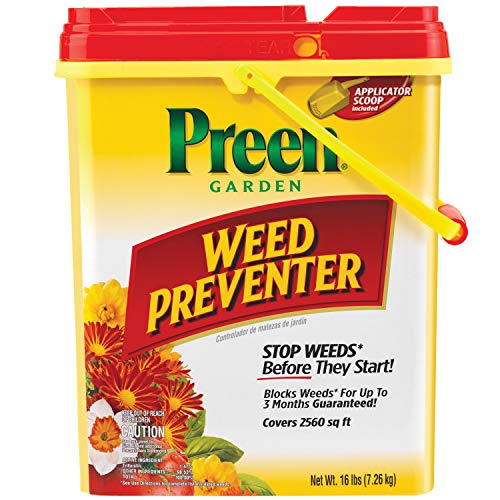
Preen Garden Weed Preventer, Pre-Emergent Formula, 16
Granules create a soil-activated barrier for up to three months, helping gardeners prevent new weeds around established plants.
-
Best For Existing weed patches
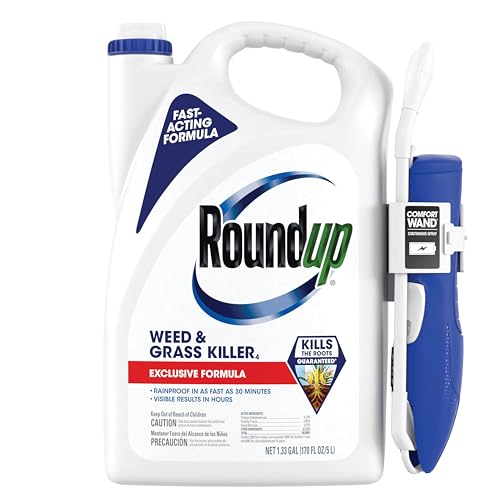
Roundup Weed & Grass Killer4 with Comfort
The Comfort Wand sprays weeds to the root, giving gardeners a targeted way to clear beds before adding mulch.
Top 5 Mulches for Weed Control in Flower Beds at a Glance
Preen is the first place to look if established flowers need ongoing weed prevention, while BlackKnight gives you a physical layer under decorative mulch. PlantBest Coco Mulch is the most traditional loose cover here, and the two ready-to-spray options are better for clearing existing weeds than covering soil.
| Product image | Product name | Check product |
|---|---|---|
| 1 |
Preen Garden Weed Preventer, Pre-Emergent Formula, 16 | Check Price |
| 2 |
Roundup Weed & Grass Killer4 with Comfort | Check Price |
3 |
BlackKnight 3×50 Weed Barrier Landscape Fabric, Non-Woven | Check Price |
4 |
PlantBest Coco Mulch Compressed Block 9.1 lb | Check Price |
5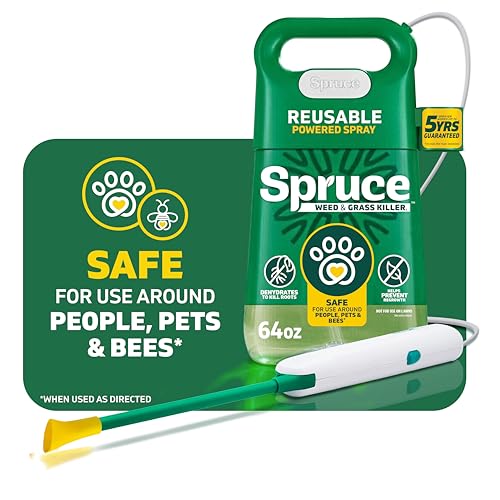 |
Spruce Snap & Spray Weed & Grass | Check Price |
5 Best Mulches for Weed Control in Flower Beds: Detailed Reviews
When I chose the best mulch for weed control in flower beds, I paid attention to how each option handles existing weeds, new seed germination, coverage, water movement, and routine care. Those details matter because a pretty surface does little if roots are already established underneath or if rain shifts the material away.
The group covers several different jobs rather than five identical bags of mulch. Comparing a pre-emergent granule, a weed barrier, coconut fiber, and spot sprays helps you choose the right stage of the job instead of expecting one treatment to do everything.
1. Preen Garden Weed Preventer, Pre-Emergent Formula, 16
Granules create a soil-activated barrier for up to three months, helping gardeners prevent new weeds around established plants.
- Size16 lb
- ColorCranberry
- Container Dimensions7 x 12 x 14.5 inches
- Is Adult ProductFalse
Preen Garden Weed Preventer is a granular pre-emergent treatment for gardeners who want to stop new weeds around established flowers, vegetables, trees, and shrubs.
A barrier before weeds appear
A pre-emergent treatment works before weed seeds germinate, rather than killing tall weeds that are already visible. Preen granules create a soil-activated barrier when spread across prepared garden soil and watered thoroughly.
That timing makes Preen useful after existing weeds have been removed. The treatment can reduce the next round of hand-weeding, but the granules are not a substitute for pulling or treating weeds that are already growing.
The listing says the formula works around more than 200 established flowers, vegetables, trees, and shrubs when used according to directions. That broad plant list is helpful for mixed beds, though you still need to check the label before applying around an unusual or newly planted species.
Coverage and reapplication
The 16 lb container covers up to 2,560 square feet, according to the listing. Preen says the protective effect lasts up to three months and recommends reapplication every 9 to 12 weeks for continuous prevention.
That schedule gives you a practical way to plan garden care instead of waiting until weeds become tall. Coverage depends on an even application, so a hand spreader, the included scoop, or a fertilizer spreader is preferable to tossing handfuls in random patches.
Watering after application activates the granules in the soil. Rain resistance can help the treatment remain active, but a flower bed still needs careful application around desirable plants, and the label directions should guide the amount and timing.
The limitation to remember
Preen is not a decorative mulch layer and does not cover bare soil by itself. A bed may still need wood mulch, straw, or another surface cover for appearance, moisture management, and protection from soil splash.
Pros:
- Covers up to 2,560 square feet, reducing repeated hand-weeding.
- Prevents new weed seeds from germinating for up to three months.
- Works around more than 200 established plants when directed.
- Includes a scoop for spreading granules across garden soil.
- Can be applied in spring, summer, or fall seasons.
Cons:
- Does not remove weeds that have already germinated.
- Requires careful, even application and thorough watering.
- Does not provide the look or cushioning of loose mulch.
- Reapplication is listed every 9 to 12 weeks for continued prevention.
Buy it if: you have established flowers and want a scheduled prevention step, because Preen granules can create a soil barrier before new weeds germinate.
Skip it if: you need to cover bare soil immediately, because Preen is a granule treatment and a loose mulch or fabric layer would suit you better. For another fit, consider Roundup or Blackknight.
I’d pick Preen Garden Weed Preventer for a planted bed that already looks good but keeps producing fresh weeds. The large stated coverage makes the 16 lb container useful for broad beds, and the application schedule is easy to put on a garden calendar. Double-check that every plant in the bed is covered by the label directions and remember that existing weeds need separate attention.
Preen suits gardeners who want prevention rather than a decorative surface.
2. Roundup Weed & Grass Killer4 with Comfort
The Comfort Wand sprays weeds to the root, giving gardeners a targeted way to clear beds before adding mulch.
- Size1.33 gal
- Number Of Items4
- WeightNot listed; check details
- DimensionsNot listed; check details
Roundup Weed & Grass Killer4 is a ready-to-use spray for gardeners who need to clear visible weeds in or around flower beds before installing mulch.
A targeted spray for existing weeds
Roundup is an herbicide, which means a chemical treatment designed to kill unwanted plants. The listing says this formula kills tough weeds and grasses to the root, including dandelion, crabgrass, poison ivy, clover, spotted spurge, and other broadleaf weeds.
That makes Roundup a different type of garden tool from mulch. It deals with weeds already growing above the soil, so the bed can be cleared before a physical cover is added.
The spray is listed for use in or around flower beds, perennial landscape plants, trees, shrubs, patios, walkways, driveways, gravel, mulch beds, fences, and foundations. Careful targeting still matters, because a spray that lands on a plant you want to keep may damage that plant.
Comfort Wand and timing
The Comfort Wand is a spray handle designed to reduce bending and provide one-touch continuous spraying. That can make spot treatment less tiring when weeds are spread along a border or tucked beside a walkway.
Roundup says the formula becomes rainproof in as fast as 30 minutes and produces visible results in hours. Rainproof does not mean the spray works instantly, so follow the booklet and avoid spraying in wind or before a heavy rain when possible.
The listing allows planting 1 to 30 days after application, with the exact timing depending on the directions. That range matters if you are preparing a bed for new flowers, so check the label before planting rather than relying on the shortest interval.
The limitation to remember
Roundup does not function as mulch and does not stop every new weed seed from germinating later. A flower bed treated with Roundup may still need a thick, even cover or a separate preventive strategy after the existing weeds die.
Pros:
- Kills listed weeds and grasses to the root.
- Comfort Wand reduces bending during spot treatment.
- Rainproof in as fast as 30 minutes, according to the listing.
- Produces visible results in hours for easier progress checks.
- Works around listed landscape areas, paths, and mulch beds.
Cons:
- Does not create a physical mulch layer over soil.
- Requires careful spraying around flowers and desirable plants.
- Planting timing ranges from 1 to 30 days after application.
- Does not prevent every future weed seed from germinating.
Buy it if: you have visible weeds before mulching, because the Comfort Wand lets you target existing growth without mixing a spray.
Skip it if: your main problem is future germination in a clean bed, because Roundup treats growing weeds and a preventive barrier would suit you better. Preen and Blackknight are worth a closer look instead.
I’d choose Roundup Weed & Grass Killer4 as a preparation tool, not as the final answer for a mulched flower bed. The ready-to-use bottle and wand simplify spot treatment, especially along edges where pulling every root is tedious. The important hesitation is plant safety, since a drifting spray can reach flowers, grass, or shrubs you meant to protect.
This spray suits a gardener who will apply it carefully and wait for the stated planting interval.
3. BlackKnight 3×50 Weed Barrier Landscape Fabric, Non-Woven
The catalog lists WHAT’S IN THE BOX: One 3 ft x 50 ft non-woven roll covering 150 sq ft, plus 20 steel landscape pins. Compare fit and care needs before choosing.
- ColorBlack-Standard Non woven
- Roll Size3 ft x 50 ft
- Coverage150 sq ft
- Number Of Items1
BlackKnight Weed Barrier Landscape Fabric is a non-woven physical barrier for gardeners who want to block weeds beneath mulch, soil, pine straw, small stones, or rock.
A physical layer beneath mulch
Landscape fabric is a sheet placed over prepared soil to limit weed growth while allowing some water and air through. BlackKnight uses lightweight spun-bond polypropylene, a plastic fiber material formed into a fabric rather than a solid sheet.
The roll measures 3 feet by 50 feet and covers 150 square feet. That size works well for long borders or several smaller beds, but you need to measure the planting area before cutting because seams and overlaps reduce usable coverage.
BlackKnight includes 20 steel landscape pins. Pins hold the fabric down while you cut openings and add mulch, and they are especially useful on sloped ground where wind or rain can move an unfastened sheet.
Water and air movement
The fabric is described as permeable, meaning water, air, and nutrients can pass through toward the soil. That matters because a solid plastic sheet can interfere with watering and leave you with a less practical planting surface.
Permeability does not mean every weed is blocked forever. Weeds can grow through a cut that is too large, appear at seams, or sprout in the layer of dirt and leaves that collects on top.
The black fabric is meant to sit under a covering material rather than remain the visible finish of a flower bed. Mulch over the fabric improves appearance, protects the sheet from sunlight, and makes the garden look less like a construction project.
The limitation to remember
Fabric takes more planning than loose mulch. You must remove weeds, position the sheet around existing plants, cut openings carefully, pin the edges, and maintain the cover above it.
The listing describes the fabric as chemical-free weed control, but that does not mean the surrounding garden needs no care. Organic matter can collect on top, and roots or weeds can still appear in gaps.
Pros:
- Covers 150 square feet with one 3 ft x 50 ft roll.
- Permeable design allows water and air to reach soil.
- Lightweight polypropylene is easier to cut and handle.
- Includes 20 steel landscape pins for securing edges.
- Works beneath mulch, pine straw, soil, and small stones.
Cons:
- Requires cutting around plants and securing seams.
- Does not hide weeds that grow in openings or on top.
- Needs a decorative covering for a finished flower-bed look.
- Accurate measuring matters because overlaps reduce coverage.
Buy it if: you are rebuilding a bed and want a long physical barrier, because BlackKnight combines a 150-square-foot roll with steel pins for installation.
Skip it if: you want a quick seasonal cover with no cutting, because loose mulch or a targeted treatment would suit you better. If those trade-offs rule it out, Preen or Roundup may suit you better.
I’d pick BlackKnight for a new border where the soil is exposed and the bed shape is simple enough to measure. The roll size gives you a clear coverage number, and the pins remove one annoying part of fabric installation. Check the bed dimensions and plan every plant opening before cutting, because a rushed cut is difficult to repair neatly.
This fabric suits patient gardeners who want a barrier under a finished mulch layer.
4. PlantBest Coco Mulch Compressed Block 9.1 lb
The catalog lists Compressed Block Replaces Heavy Bags: No more heavy, messy, bulky bags—this compressed block is easy to carry. Compare fit and care needs before choosing.
- ColorBrown
- Size8.8-pounds
- CoverageUp to 17.5 sq. ft
- Number Of Items1
PlantBest Coco Mulch is a compressed coconut-fiber block for gardeners who want a loose brown mulch that expands after water is added.
A compact block that expands
Coco mulch is made from coconut coir, the fibrous material found in coconut husks. PlantBest says the 8.8-pound compressed block expands to about 16 gallons, or 60 liters, after water is added.
The compressed form is easier to store than a bulky bag. Once expanded, the material can be spread around flower beds, garden borders, walkways, trees, and plants without hauling a large loose package from the store.
The listing gives coverage of up to 17.5 square feet at a 1.5-inch depth. That depth is useful for estimating how much surface the block can cover, but uneven spreading or a rough bed shape can change the amount you actually need.
Moisture and weed suppression
Coconut fiber absorbs and holds water, then releases moisture back toward the soil as conditions change. That can reduce how often you water, especially in a bed that dries quickly, though new mulch still needs enough water during expansion and placement.
The fibers and husk chips interlock into a layer that helps suppress weed growth and resist erosion. This is a covering mulch, so the material blocks light and reduces open soil where weed seeds can get started.
A 1.5-inch layer may not be enough for every weed problem. Spread the material evenly, keep it away from stems, and remove existing weeds before application so the cover is not simply hiding active growth.
The limitation to remember
PlantBest needs preparation before the garden looks finished. You must add water, wait for expansion, break up the material if needed, and spread the mulch to an even depth.
The listing says the coconut mulch lasts up to two seasons and contains no dyes or chemicals. Natural mulch changes appearance as it weathers, so the brown color may not remain identical throughout the season.
Pros:
- Compressed block is easier to carry and store than loose bags.
- Expands to about 16 gallons after adding water.
- Covers up to 17.5 square feet at 1.5 inches.
- Holds moisture and releases it back toward plant roots.
- Interlocking fibers help reduce weeds and soil erosion.
Cons:
- Requires water and expansion before spreading.
- Coverage is limited for large flower beds.
- Existing weeds still need removal before placement.
- Natural material can change appearance as it weathers.
Buy it if: you want a lightweight natural cover for a small bed, because the compressed block expands into loose coconut mulch that helps hold moisture.
Skip it if: you need to cover a broad border in one pass, because one block covers up to 17.5 square feet and a larger-volume material would suit you better.
I’d choose PlantBest Coco Mulch for a small flower bed where storage space matters as much as weed suppression. The compressed block is less awkward to carry, and the stated 1.5-inch coverage gives you a useful planning point. Check how much bed area you have before buying, since one block will not stretch across a large border.
This mulch suits a gardener who wants a natural brown layer and does not mind the short preparation step.
5. Spruce Snap & Spray Weed & Grass
The catalog lists Worry-Free Formula – Spruce is safe to use around people and pets when used as directed, and one bottle can tr. Compare fit and care needs before choosing.
- Size64 Fl Oz (Pack of 1)
- Number Of Items1
- WeightNot listed; check details
- DimensionsNot listed; check details
Spruce Snap & Spray Weed & Grass Killer is a ready-to-use spot treatment for gardeners who need to target individual weeds around mulch beds, paths, raised beds, and landscape areas.
A no-mix spot treatment
A spot treatment is applied directly to selected weeds rather than spread across the entire bed. Spruce comes as a 64 fluid ounce bottle with a reusable wand, and the listing says the formula needs no mixing or pouring.
That setup is useful for a few weeds that appear after mulch has been placed. The 12-inch spray distance gives you a simple starting point, and spraying the entire weed until thoroughly wet helps the liquid contact the leaves.
Spruce says one bottle can treat up to 400 weeds and is intended for broadleaf and grassy weeds such as dandelions, large crabgrass, white clover, dollarweed, and morning glory vines. The actual number depends on weed size and how much spray each plant receives.
Wand operation and timing
The Snap and Spray wand has an unlocked position and a paddle that you hold to spray. After use, the switch moves to the locked position, which helps prevent accidental spraying during storage.
The listing says visible results can appear in one hour and describes the formula as breaking down plant cells so weeds die from dehydration. Results still depend on the weed, weather, and complete coverage, so do not assume a quick visual change means the root has already stopped growing.
Spruce is listed for use around people and pets when used as directed. Keep people and animals away during application as required by the label, avoid spraying desirable plants, and follow all product directions rather than treating the safety wording as permission for careless use.
The limitation to remember
Spruce is a weed killer, not a mulch. It can handle later spot growth, but it does not create a layer that blocks sunlight or stops new seeds from landing in the bed.
Pros:
- Ready-to-use 64 fluid ounce bottle needs no mixing.
- Reusable wand makes small spot treatments straightforward.
- Listed for mulch beds, paths, gardens, and landscape areas.
- Treats broadleaf and grassy weeds with direct coverage.
- Locking switch helps secure the wand after application.
Cons:
- Does not cover bare soil or replace mulch.
- Requires thorough wetting of each targeted weed.
- Careful spraying is needed around desirable plants.
- One bottle’s coverage varies with weed size and spray amount.
Buy it if: you need to spot-treat weeds after mulching, because the reusable wand and no-mix bottle simplify small applications.
Skip it if: you need a physical barrier for an entire bed, because Spruce handles individual weeds and a fabric or loose cover would suit you better.
I’d use Spruce Snap & Spray Weed & Grass Killer for maintenance between larger bed cleanups. The wand and ready-to-use bottle are sensible for a few weeds, and the locking switch is a small feature that makes storage less awkward. Check the label around every flower, especially where leaves overlap the mulch, because a targeted spray still needs careful aim.
Spruce suits gardeners who want a simple spot-treatment bottle rather than a full-bed cover.
How to Choose the Best Mulch for Weed Control in Flower Beds
The best mulch for weed control in flower beds depends on whether weeds are already growing, how much area you need to cover, and whether you want a natural surface or a hidden barrier. Start by treating existing weeds, then choose a cover that blocks light and stays in place.
Decide whether you need prevention or cleanup
A weed already showing leaves needs removal or spot treatment. Preen and Roundup serve different jobs: Preen is described as preventing new seeds from germinating, while Roundup is described as killing listed weeds and grasses that are already growing.
If the bed is mostly clean, a barrier or loose mulch makes more sense. If weeds are tall, flowering, or spreading through the bed, clear them first and wait through any required treatment interval before covering the soil.
Match coverage to bed size
Measure the length and width of a simple rectangular bed, then multiply those numbers to estimate square footage. For an irregular bed, divide the area into smaller rectangles and add the results.
BlackKnight covers 150 square feet from a 3 ft x 50 ft roll. PlantBest covers up to 17.5 square feet at a 1.5-inch depth, while Preen lists coverage up to 2,560 square feet.
Those figures are not interchangeable. Fabric coverage accounts for a sheet, coco mulch coverage depends on depth, and granular treatment coverage depends on an even application rate.
Pick the right mulch depth
A mulch layer needs enough depth to shade soil, but piling material against stems can trap moisture and encourage decay. A practical starting point is a level layer that covers exposed soil without burying the crown or base of a flower.
PlantBest gives a stated coverage depth of 1.5 inches. If you use another loose mulch, check the package directions and keep the material a few inches away from stems and woody trunks.
Depth also affects appearance and cost. A thin, patchy layer leaves sunlight on the soil, while an overly thick layer can interfere with air movement and water reaching shallow roots.
Choose natural fiber or a hidden barrier
Loose coconut mulch gives a finished brown surface and can hold moisture. Fabric sits below another covering and gives you a more structured barrier, but installation takes measuring, cutting, pinning, and future maintenance.
The right choice depends on how often you redesign the bed. A seasonal gardener may prefer loose mulch, while a long border with stable plant spacing may reward the extra setup of fabric.
If color matters, remember that natural material weathers. Gardeners looking for the best non-fading mulch often compare dyed wood, stone, rubber, and natural fibers, but color alone does not tell you how well a cover blocks weeds. You can read more about non-fading mulch options when appearance is a major part of the decision.
Consider water and slope
A mulch for a sloped bed should resist washing away during rain. PlantBest says its coconut fibers and husk chips interlock and help resist erosion, while fabric must be pinned securely at edges and seams.
A loose layer on a steep slope may shift even when the material is useful on level ground. Use extra care near downspouts, drainage channels, and places where water naturally runs through the flower bed.
Permeable fabric allows water and air through, but compacted soil can still repel water. Before installing a barrier, loosen the surface and correct drainage problems rather than expecting the cover to fix them.
Check plant compatibility and care
Existing flowers need room around their stems, and newly planted flowers need special care during the first watering cycles. Treatments such as Preen and Roundup have label directions that should be followed for plant types, timing, application, and planting intervals.
A covering layer should not touch stems or cover low-growing crowns. Leave a visible ring around each plant, then inspect that ring after rain or watering because mulch can shift.
How to Use Flower-Bed Weed Control for the Best Results
The best results come from preparing the soil first, applying one weed-control method correctly, and keeping the cover level afterward. Mulch is a maintenance tool, not a magic blanket that erases established roots.
- Walk the bed and identify the plants you want to keep.
- Pull, dig, or spot-treat existing weeds before adding a cover.
- Remove dead leaves and large debris that could hold weed seeds.
- Rake the soil level so fabric and loose mulch sit evenly.
- Install fabric before mulch if you want a hidden physical barrier.
- Spread loose mulch over exposed soil without covering stems.
- Water new natural mulch according to its directions and local conditions.
- Inspect the bed after heavy rain and restore thin or displaced areas.
For Preen, spread the granules across the garden soil with the included scoop, a hand spreader, or a fertilizer spreader. Water thoroughly as directed, and do not rely on a few scattered handfuls to protect the entire bed.
For Roundup or Spruce, keep the spray on the intended weed. A piece of cardboard can shield a nearby flower during a small spot treatment, but the label remains the authority for application and safety instructions.
For BlackKnight, cut openings only after laying out the fabric and checking where every plant sits. A hole that is too large creates an easy route for weeds and leaves more soil exposed than necessary.
For PlantBest, add water gradually, allow the compressed block to expand, and spread the material to the stated depth. Avoid making a mound around stems, because the center of a plant should not be buried under wet mulch.
How to Make Your Flower-Bed Weed Control Last Longer
A mulch layer lasts longer when the soil is clean before installation and the surface stays at a steady depth. Most maintenance involves small corrections, not a complete redo of the bed.
Check the bed every two to four weeks during the growing season. Pull small weeds while the soil is damp, remove leaves that have collected on top of fabric, and move mulch back from stems when rain or birds shift the surface.
Keep the mulch layer even after storms. Thin spots let light reach soil, while deep piles can hold too much moisture against plant bases.
Inspect fabric edges and seams at the start of spring. Replace missing pins, flatten lifted corners, and repair openings before adding another layer of mulch.
Do not till fabric into the soil when the bed changes. Remove the sheet carefully, clear roots and weeds, and install a new section only after the soil has been prepared again.
Natural coconut mulch can break down over time. Add a small amount to low areas rather than dumping a fresh thick layer over the whole bed, and keep the added material away from crowns and stems.
Store unused treatments in their original containers and follow the storage directions. Keep sprays and granules away from children, pets, food, and waterways, and never pour leftover material into a drain or onto unplanned soil.
Common Mistakes to Avoid When Buying and Using Flower-Bed Weed Control
Beginners usually run into trouble by choosing a treatment for the wrong stage of weed growth or by underestimating how much surface area needs coverage. These mistakes are easy to prevent with a little measuring and preparation.
- Covering live weeds with mulch: Roots continue growing under the cover. Remove or treat existing weeds first.
- Applying a pre-emergent to visible weeds: A prevention granule is not the same as a treatment for established growth. Use the directions for the job you need.
- Spreading mulch too thin: Exposed soil receives light and gives new weeds room to start. Maintain an even layer over bare areas.
- Piling mulch against stems: Constant moisture at the plant base can create care problems. Leave a clear ring around each flower.
- Skipping bed measurements: A roll or compressed block may cover less area than expected. Measure square footage and account for fabric overlaps.
- Cutting fabric openings too large: Wide gaps expose soil and make weed growth easier. Start with a smaller opening and enlarge it only as needed.
- Spraying on a windy day: Mist can drift onto flowers, grass, or shrubs. Choose calm conditions and direct the wand carefully.
- Ignoring reapplication timing: Prevention fades according to the stated schedule. Mark the next application date instead of waiting for a weed explosion.
- Assuming mulch stops every weed: Seeds can arrive by wind, birds, tools, or soil movement. Inspect the bed regularly and remove small growth early.
How to Set Up Flower-Bed Weed Control
Setup depends on the option, but every method starts with a clean, measured bed. The most common stumbling point is adding the cover before removing weeds or deciding where plants need room.
- Measure the bed. Record length, width, and awkward corners before buying fabric or loose mulch.
- Mark desirable plants. Use small garden markers so a spray or fabric cut does not reach a flower by mistake.
- Remove existing weeds. Pull roots where possible, or use a listed spot treatment and wait through the required interval.
- Prepare the soil. Rake away debris and level high spots so water and mulch do not collect in one area.
- Lay out fabric if using it. Overlap seams and leave enough material around the edges for pinning.
- Cut plant openings carefully. Begin small, then widen the opening so the fabric does not leave a large exposed ring.
- Install the pins. Secure corners, edges, and seams before covering the fabric with mulch or another surface material.
- Spread the loose cover. Apply natural mulch evenly, keep stems clear, and check the final depth with a small ruler.
For Preen, use the included scoop or a spreader and cover the soil evenly before watering. For PlantBest, add water to the compressed block, let the material expand, and break apart dense sections before spreading.
For Roundup and Spruce, unlock the wand only when ready to spray. Hold the nozzle at the stated distance where applicable, wet the intended weed thoroughly, lock the wand afterward, and follow the label for people, pets, weather, storage, and planting.
Common Questions About Mulch for Weed Control in Flower Beds
What is the best mulch to prevent weeds?
The best choice depends on the bed and the weed stage. A physical fabric barrier under mulch can limit growth across a prepared area, while loose coconut mulch blocks light and improves the finished appearance. Existing weeds still need removal, because no surface layer reliably erases established roots.
Is mulch enough to stop weeds in flower beds?
Mulch can reduce weeds, but it is not a complete guarantee. A level layer shades soil and makes many weeds easier to pull, while windblown seeds can still sprout on top. Inspect the bed, remove small weeds early, and refresh thin areas after rain.
How thick should flower-bed mulch be?
A consistent layer around 1.5 to 3 inches is a common starting range, but package directions and plant type matter. PlantBest specifically lists coverage at 1.5 inches. Keep mulch away from stems and crowns, because depth at the plant base is more important than making the whole bed look extra deep.
Should I remove weeds before putting down mulch?
Yes, remove existing weeds first. Pulling, digging, or using a suitable spot treatment deals with active plants, while mulch mainly blocks light and reduces new growth. If you bury tall weeds, the bed may look clean briefly while roots continue spreading underneath.
Is landscape fabric better than loose mulch?
Landscape fabric offers a physical barrier and works best beneath a decorative covering. Loose mulch is easier to refresh and usually gives a more natural garden surface. Fabric takes more setup and can develop openings or soil buildup, so choose it for a stable bed rather than a frequently redesigned planting area.
How often should flower-bed mulch be replaced?
Replace or refresh mulch when the layer becomes thin, mixed with soil, or difficult to move back from stems. Natural coconut mulch is listed as lasting up to two seasons, but weather, foot traffic, rain, and the bed’s location affect actual service life. Small top-ups are often better than a thick full replacement.
Make Your Next Flower-Bed Pass Count
Start by measuring the bed and deciding whether the immediate problem is live weeds or future germination. If the soil is already clean, choose the cover and depth that fit the space; if weeds are active, handle them first and wait through the stated treatment interval before installing mulch.
For a broader explanation of the main materials, see flower-bed mulch choices before buying. Gardeners working in edible beds should also review vegetable-garden weed control because planting and harvest concerns can change the practical choice.
Use a clean bed, an even cover, and a simple inspection schedule as your next three steps. That approach will do more for long-term weed control than buying a large bag and spreading it wherever the soil happens to show.

I’m Maya L. Greenwood, a lifelong plant lover who believes anyone can grow something beautiful with the right guidance. After years of testing soil mixes, pruning methods, irrigation tricks, and pest-safe solutions, I started EasyGardenTips.com to turn hard-won lessons into step-by-step advice. From seed starting and container gardens to composting and seasonal checklists, my goal is to make gardening simple, sustainable, and fun.