Can You Use Mulch Instead of Orchid Bark for Orchids
You generally shouldn’t use regular garden mulch instead of orchid bark for orchids. Orchid bark is cleaner, chunkier, and made for airy potting mixes, while outdoor mulch can hold too much water, break down quickly, carry pests, or contain treatments that harm orchid roots.
Have you noticed your orchid’s roots staying wet for days after watering? Are you trying to repot an orchid because you ran out of bark and only have mulch nearby? Guessing here can turn a small supply problem into root rot, fungus, or a struggling plant.
You’ll learn which types of mulch are unsafe, when untreated bark can work in a pinch, how to build a better orchid potting mix, and how to repot without damaging fragile roots.
Get the mix right, and your orchid gets air around its roots, steadier moisture, and fewer rotten roots. Choose the wrong mulch, and the pot may smell sour, stay soggy, or leave roots brown and mushy.
This article takes about 9 minutes to read, and you’ll come away with:
- A clear answer about garden mulch and orchid bark.
- Safe substitutes you can use for different orchid types.
- A simple potting mix recipe with useful ratios.
- Warning signs that the replacement material is failing.
- A repotting method that protects healthy roots.
Can You Use Mulch Instead of Orchid Bark?
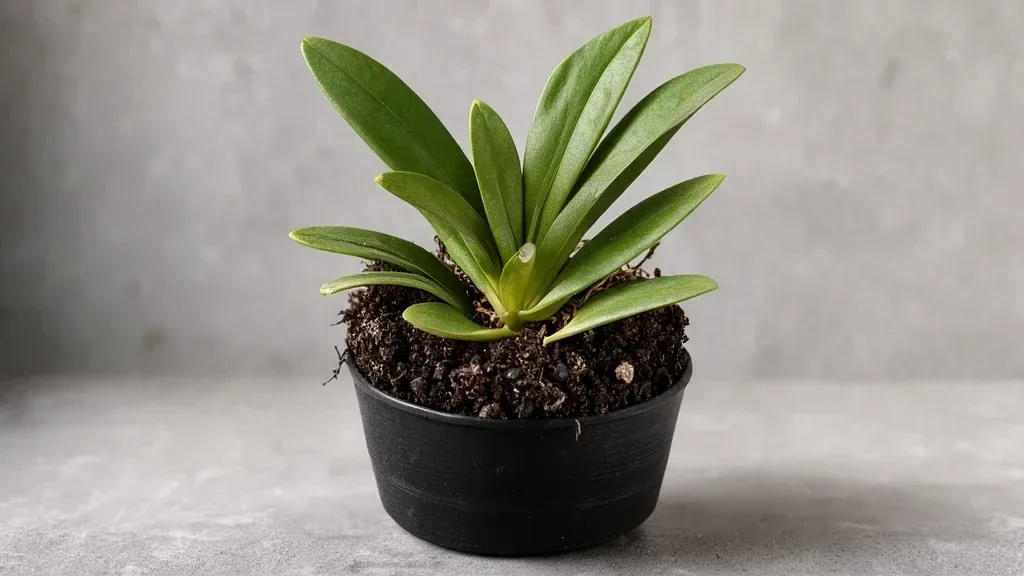
You can use a small amount of clean, untreated bark mulch in an emergency, but regular garden mulch isn’t a good long-term replacement for orchid bark. Choose coarse, dry, aged bark with no dye, fertilizer, pesticide, compost, or fresh sap, then mix it with other airy materials instead of using it alone.
Orchid bark usually comes from fir, pine, or another suitable tree bark processed into pieces sized for potting. The pieces create open spaces around the roots, so water drains away while a little moisture remains.
Garden mulch has a different job. It covers soil, slows evaporation, reduces weeds, and breaks down outdoors. Those traits can cause trouble inside an orchid pot, where roots need fast drainage and steady airflow.
An orchid such as a Phalaenopsis orchid is an epiphyte, meaning it naturally grows attached to trees rather than buried in dense ground soil. Its thick roots take in moisture from rain and humid air, then dry between watering cycles.
A chunky bark mulch may work temporarily if the label lists plain, untreated bark and the pieces aren’t packed with fine dust. Even then, rinse the material, remove small fragments, and watch the pot closely after watering.
Here’s the practical difference:
| Material | Water behavior | Airflow | Main concern | Best use |
|---|---|---|---|---|
| Orchid bark | Drains quickly and holds moderate moisture | High | Costs more and needs replacement | Main orchid mix ingredient |
| Plain aged pine bark | Usually drains well | Moderate to high | Pieces may vary in size | Substitute when clean and coarse |
| Shredded garden mulch | Holds moisture unevenly | Low after settling | Compaction and contamination | Avoid in orchid pots |
| Dyed mulch | Varies | Varies | Dyes, additives, and unknown wood source | Avoid |
| Fresh wood chips | Can dry unevenly or heat while breaking down | Drops as pieces settle | Sap, fungi, and decomposition | Avoid |
| Compost-rich mulch | Holds water heavily | Low | Root rot and sour conditions | Avoid |
Look at the bag before you use anything. Words such as dyed, enhanced, composted, moisture control, fertilizer added, or mixed wood are good reasons to put the bag back down.
Pro Tip: If the bark smells sour, feels warm, has white fuzz throughout the bag, or leaves dark residue on your hands, don’t put it in an orchid pot. A healthy bark mix smells earthy and woody, not fermented.
Which Mulch Substitutes Are Safe for Orchids?
The safest substitutes for orchid bark are clean pine bark, fir bark, chunky coconut husk chips, and coarse perlite used in a balanced mix. Each substitute changes watering speed, so your pot size, orchid type, humidity, and room temperature still matter.
Clean pine bark is usually the closest match because orchid bark itself often comes from conifer bark. Pick pieces around 1/4 to 1 inch for a standard Phalaenopsis, with larger pieces for plants that dry slowly or have thick roots.
Coconut husk chips can create good air pockets, but some products contain salt from processing. Rinse the chips several times, soak them in fresh water, and drain them before potting.
Perlite is a lightweight volcanic material that adds air space and drainage. Perlite alone won’t give an orchid enough structure, so pair it with bark, coconut chips, or another stable chunky material.
Pumice adds weight and air pockets without breaking apart quickly. It works well in a mix for orchids that tip over or live in a warm, dry room.
Sphagnum moss holds much more water than bark. It can help a dehydrated plant or a dry home, but pack it loosely because tight moss turns into a wet blanket around the roots.
You can also use a commercial orchid mix that lists bark, perlite, charcoal, or coconut chips. Avoid mixes made mostly from peat, compost, garden soil, or fine mulch because those materials leave too little air around the roots.
If you’re comparing garden materials, mulch alternatives for beds can include leaves, straw, compost, and gravel, but those choices serve outdoor soil rather than orchid roots in a pot. The plant’s growing style matters more than the word mulch on the bag.
How Much Bark Substitute Should You Use?
Start with a loose mix rather than a packed recipe. A useful starting point for a typical Phalaenopsis is:
- 60% medium orchid bark or clean coarse pine bark.
- 20% perlite or pumice.
- 20% coconut husk chips or a small amount of loose sphagnum moss.
For a dry, heated room, add a little more coconut husk or moss. For a cool room, a low-light corner, or a pot that dries slowly, use more bark and perlite.
What if your only option is plain bark mulch today? Use it for a short holding period, keep the pieces loose, and repot into a proper orchid mix as soon as practical.
What Makes Garden Mulch Risky?
Garden mulch can contain wood from many tree species, and the label may not tell you how the material was processed. Some wood products carry natural compounds, sap, salts, or residues that can irritate roots.
Fine mulch also settles after watering. The pot may look loose on day one, then turn dense a week later as tiny particles fill the spaces between larger pieces.
Fresh wood can heat as microbes break it down, especially in a damp, closed pot. Decomposing material also uses oxygen and changes the pot’s moisture balance, which is a poor match for orchid roots.
Best pine bark mulch may work better than mixed hardwood mulch if the product is plain, aged, and free from additives. Still, garden mulch labels don’t always promise the particle size or cleanliness that an orchid mix needs, so inspect every bag before use.
How Do You Make an Orchid Mix from Mulch?
Make a temporary orchid mix from mulch by selecting plain coarse bark, removing fine particles, rinsing the pieces, and combining them with an airy material such as perlite or pumice. Never use dyed, fresh, compost-rich, or chemically treated mulch for orchid roots.
Start with the material, not the pot. A clean, breathable mix cannot rescue bark that already contains fertilizer, mold, or a strong chemical smell.
- Read the label and choose plain bark with no colorants, wetting agents, fertilizer, compost, or pesticide claims.
- Pour the bark onto a clean tray and remove sawdust, leaves, soil, tiny splinters, and soft black pieces.
- Rinse the remaining chunks until the water runs mostly clear.
- Soak dry bark in clean water for several hours so the pieces stop stealing moisture from the orchid’s roots.
- Drain the bark well, then mix it with perlite, pumice, or washed coconut chips.
- Use a clean pot with several drainage holes and leave the mix loose around the roots.
- Water once, let the excess drain, and check how quickly the pot dries over the next week.
Do this work outdoors or in a washable tub if the bark is dusty. Wear gloves if the material irritates your skin, and wash your hands afterward because outdoor mulch can carry mold spores and small insects.
I once used a bag of plain bark that looked perfect from the top, then found damp, fine material packed at the bottom. The coarse pieces worked after sorting and rinsing, but the dusty layer went straight into the yard instead of the orchid pot.
Important Tip: Don’t add garden soil to make a loose bark mix “richer.” Orchids get nutrients from diluted fertilizer, while soil removes the air pockets their roots need.
What Pot Should Hold the Mix?
A slotted orchid pot or clear plastic pot with drainage holes works best because you can check roots and moisture without disturbing the plant. The pot should be only slightly larger than the root mass, not large enough to hold several inches of unused mix.
A pot that’s too large stays wet in the center. A pot that’s too small may dry quickly and force roots against the sides, though orchids usually tolerate a snug pot better than a swampy one.
Clear plastic helps you watch root color. Firm green roots are hydrated, while silvery roots often need water; brown, hollow, or mushy roots point to damage.
Clay pots dry faster because they breathe through the sides. That can help in a humid home, but the mix may need more frequent checks in a hot, dry room.
How Do You Repot an Orchid Into Bark?
Repot an orchid when the potting material has collapsed, the plant smells sour, roots are rotting, or the plant has outgrown its container. Remove failing material gently, trim only dead roots with clean tools, and keep healthy roots intact.
Repotting is stressful, so don’t do it just because a few roots are growing outside the pot. Air roots are normal for many epiphytic orchids and may stay outside the container.
Before removing the orchid, prepare the new pot and damp mix. That keeps the exposed roots from sitting around while you hunt for scissors or bark.
- Slide the orchid out while supporting the base of the plant.
- Pick away old mix with your fingers, working slowly around living roots.
- Rinse stubborn pieces with lukewarm water rather than pulling hard.
- Cut hollow, brown, black, or mushy roots with a clean, sharp tool.
- Keep firm green, white, or cream roots, even if they look wrinkled.
- Set the plant so the crown, where the leaves meet, stays above the mix.
- Add bark around the roots without pressing it down like potting soil.
- Wait several days before heavy watering if you removed many damaged roots.
Never bury the crown. Water trapped where the leaves meet can cause crown rot, which can kill an orchid faster than a dry spell.
If the orchid has lost most of its roots, use a smaller pot and a slightly more moisture-holding mix, then increase airflow around the plant. A large pot filled with wet bark creates a rough road back.
How Do You Know the Mulch Is Failing?
A mulch-based orchid mix is failing when it stays wet for more than a week, collapses into fine particles, smells sour, grows persistent mold, or causes roots to turn brown and hollow. The plant may also show yellow leaves, weak growth, or flowers that drop early.
Don’t judge the mix by the surface alone. Push a clean wooden stick into the pot, lift the pot to feel its weight, and check the roots through the drainage holes.
These signs point to trouble:
- The bark remains dark and wet long after watering.
- Water sits on top instead of moving through the pot.
- The mix smells like fermentation or swamp water.
- Fine particles wash out of the drainage holes.
- Roots feel soft, hollow, or slimy.
- New leaves become smaller or stop developing.
- Fungus gnats gather around the potting mix.
A few harmless mushrooms or a small patch of surface mold doesn’t always mean immediate disaster, but it shows the mix stays moist and has plenty of decaying material. Let the pot dry more between waterings and plan a repot if the condition continues.
Can an orchid recover from bad mulch? Yes, if the roots still have firm living sections and you act before the crown rots. Remove the failing material, trim dead roots, and give the plant a smaller, airy pot.
Stump grindings used as mulch deserve extra caution because the material can contain mixed wood, fine sawdust, soil, and unpredictable moisture. I wouldn’t put stump grindings into an orchid pot, even if the pile looks dry and clean.
How Often Should You Water the New Mix?
Water when the mix is nearly dry, not on a fixed calendar. A bark-based mix may need water about once a week in a warm room, while a cool or humid room can stretch that interval longer.
Run water through the pot until it drains freely, then empty the saucer or decorative cover. Never let the orchid sit in a bowl of standing water.
Light, temperature, airflow, pot size, bark size, and root health all change drying speed. A calendar reminder helps you check the plant, but the roots and mix make the final call.
Use room-temperature water rather than icy water. If you fertilize, use a balanced orchid fertilizer at the label’s diluted rate and flush the pot with plain water from time to time so salts don’t collect in the bark.
Can You Make Better Bark at Home?
You can process clean tree bark at home, but homemade bark takes sorting, drying, and careful handling. Start with untreated bark from a known source, remove sapwood and debris, let the pieces dry fully, and cut them into consistent chunks.
How to make mulch at home often involves chipping branches, shredding leaves, or combining yard waste. Those methods can produce useful outdoor mulch, but homemade material needs extra screening and drying before it belongs near orchid roots.
Never use bark from a freshly treated board, painted wood, railroad tie, construction scrap, or an unknown roadside pile. Those materials may contain residues that don’t belong in a plant pot.
For most people, a bag of orchid mix costs less than replacing a damaged orchid. I’d use homemade bark only when the source is known and the preparation is careful, not as a shortcut.
Pro Tip: Keep a small backup bag of orchid bark in a sealed, dry container. A few dollars of spare mix can save you from making a rushed choice after a pot cracks or roots start rotting.
- Regular garden mulch is a poor long-term orchid medium.
- Plain, coarse, untreated pine or fir bark can work temporarily.
- Mix bark with airy materials, and never pack the pieces tightly.
- Check roots and moisture instead of watering by the calendar.
FAQs About Can You Use Mulch Instead of Orchid Bark
Can You Use Cedar Mulch Instead of Orchid Bark?
Cedar mulch is usually a poor choice for orchids because the pieces may be fresh, fine, aromatic, or mixed with additives. Cedar products also vary by manufacturer, so a label rarely tells you enough about cleanliness, particle size, or aging for safe root use.
Can You Use Pine Mulch for Orchids?
Plain coarse pine mulch can work as a temporary orchid bark substitute if the material is untreated, aged, clean, and free from fine dust. Rinse it first and combine it with perlite or pumice so the mix doesn’t settle into a dense, wet layer.
Can You Use Regular Potting Soil With Orchid Bark?
Regular potting soil usually doesn’t belong in a Phalaenopsis orchid mix because peat and compost hold too much water around epiphytic roots. A small amount may suit some terrestrial orchids, but the orchid’s species and care needs decide the right medium.
Is Orchid Bark the Same as Mulch?
Orchid bark and garden mulch are different products made for different jobs. Orchid bark is screened for potting use and sold in sizes that support airflow, while garden mulch is made to cover outdoor soil and may contain fine wood, dyes, compost, or unknown materials.
What Can You Use If You Run Out of Orchid Bark?
Use clean coarse pine bark, fir bark, coconut husk chips, perlite, or pumice as a short-term substitute. A loose mix of bark and an airy mineral material is safer than garden soil, compost, shredded mulch, or a tightly packed layer of moss.
The Best Choice for Your Orchid
Regular garden mulch isn’t worth the gamble in an orchid pot. It may look close enough at first, but compacted fibers, unknown treatments, and slow drying can quietly damage roots before the leaves show a problem.
Choose orchid bark when you can. If you need a temporary replacement, use plain coarse bark from a known source, rinse it, sort it, and mix it with perlite or pumice.
My clearest advice is simple: repot into a clean, airy orchid mix, then watch how fast the pot dries in your home. That one habit gives you better roots, steadier growth, and far less stress every time watering day rolls around.

I’m Maya L. Greenwood, a lifelong plant lover who believes anyone can grow something beautiful with the right guidance. After years of testing soil mixes, pruning methods, irrigation tricks, and pest-safe solutions, I started EasyGardenTips.com to turn hard-won lessons into step-by-step advice. From seed starting and container gardens to composting and seasonal checklists, my goal is to make gardening simple, sustainable, and fun.