Why Does Mulch Smell Like Poop and How to Fix It
Mulch can smell like poop when trapped moisture and low oxygen create sour, sulfur-like gases as fresh wood breaks down. The odor usually comes from anaerobic decomposition, not animal waste, and it often fades after you spread, dry, turn, or replace the mulch.
Did the smell hit you as soon as you opened the bag? Are you worried that the mulch could harm your plants, children, pets, or vegetable garden?
You’ll learn why mulch develops a sewage-like odor, how to tell sour mulch from manure or fungus, and which fixes work fastest. You’ll also get practical advice for choosing, storing, spreading, and replacing mulch.
Handle the problem early, and you can save usable mulch, protect plant roots from sour pockets, and avoid carrying a nasty smell through the yard. Ignore wet, compacted mulch, and the odor may linger, attract flies, damage tender plants, or point to a separate drainage problem.
This takes about 10 minutes to read, and the useful parts are ahead:
- Identify the exact cause of the poop-like smell.
- Fix sour mulch without spreading the odor across the bed.
- Decide when mulch is safe to keep and when to discard it.
- Prevent wet, compacted mulch from turning foul again.
Why Does Mulch Smell Like Poop? the Real Cause and Fix
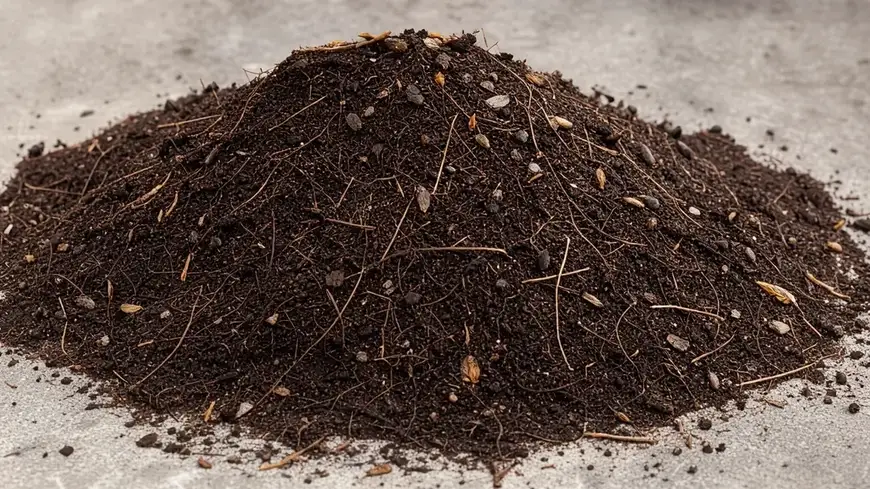
The main cause is oxygen-starved decomposition inside wet, tightly packed mulch; spreading the mulch into a thin layer lets air in and usually removes the odor within hours to several days. A strong rotten-egg or sewer smell means the mulch needs airing out before you place it around plants.
Fresh wood mulch contains moisture, plant sugars, and small pieces that microbes can break down. When the pile stays wet and compacted, anaerobic decomposition, meaning decay without enough oxygen, takes over.
That process can produce organic acids, sulfur compounds, ammonia-like odors, and other gases that smell sour, rancid, or like manure. The smell doesn’t prove the mulch contains poop, and it doesn’t automatically mean the product is dangerous.
Move the mulch away from the house first. Spread it on a driveway, tarp, or bare patch of ground in a layer about 2 to 4 inches deep, then loosen clumps with a rake or shovel.
Let the mulch dry in open air for a day or two when weather allows. Turn it once or twice so damp pockets reach the surface, but don’t mix foul mulch into an established bed before the odor fades.
If the mulch still smells rotten after several days of drying and turning, treat the load as spoiled. Bag it for disposal according to local yard-waste rules, or add it to a compost system only if the material is free from treated wood, trash, and chemical contamination.
A sour smell often comes from one wet section rather than the entire load. Check the bottom of the bag, the center of the pile, and any area that feels warm, slimy, or unusually dense.
| What you notice | Likely cause | Best first move |
|---|---|---|
| Sour, fermented, or poop-like odor | Low-oxygen decay in wet mulch | Spread it thin and let air reach it |
| Rotten-egg odor | Sulfur gases from oxygen-starved material | Move it away from plants and air it out |
| Sharp ammonia smell | Nitrogen-rich material or poor composting | Ask the seller about the blend and avoid planting into it |
| Musty smell with white threads | Fungal growth in damp wood | Rake the surface and improve airflow |
| Smell from only one bag | Trapped moisture or a spoiled pocket | Open each bag and inspect separately |
| Odor near a drain, pet area, or sewer line | A source outside the mulch | Remove the mulch temporarily and inspect the area |
What if the smell stays after the mulch dries? Check for pet waste, buried food scraps, standing water, leaking irrigation, or a damaged sewer line nearby, because mulch can hold an odor that started somewhere else.
Is Mulch Made of Poop or Manure?
Most wood mulch is made from chipped bark, branches, trunks, pallets, or recycled tree material, not poop. Some garden products contain compost, manure, biosolids, or poultry litter, so the bag label matters more than the smell.
Wood mulch usually lists materials such as hardwood, softwood, bark, arborist chips, colored wood, or recycled wood. Compost-based products use terms such as composted manure, composted plant material, or soil amendment.
The phrase biosolids refers to treated material from wastewater processing. Biosolids are different from raw sewage, but buyers who want a simple garden product may prefer mulch or compost with a clear ingredient label that does not include biosolids.
A manure-based soil amendment can smell earthy, barn-like, or ammonium-like, especially before it finishes curing. Wood mulch that smells like poop often has a wetter, sourer odor that improves after exposure to air.
The material’s source also affects risk. Clean arborist chips, aged bark, and plain hardwood mulch are different from recycled construction wood, which may contain paint, fasteners, preservatives, or other unwanted material.
Anyone unsure about the contents should read the product label before spreading it near edible crops or play areas. A plain label with named ingredients gives you more confidence than a vague phrase such as “wood waste.”
The question “is mulch made of poop” comes up because a bad batch can smell remarkably similar to manure, but odor alone can’t identify the ingredients. What Is Really in Your Mulch explains the common material types and label clues that help settle that worry.
Pro Tip: Keep the bag, receipt, and product label until the mulch has passed a smell and texture check. That small habit makes a complaint or replacement request much easier.
How Can You Tell Sour Mulch from Normal Mulch?
Normal mulch may smell like fresh wood, bark, soil, or a mild forest floor, while sour mulch smells sharp, fermented, rotten, or like sewage. Texture, heat, moisture, and color add useful clues, but the odor should guide your first handling decision.
Fresh mulch can feel warm in the center of a large pile because microbes release heat as they break down plant material. Warmth alone isn’t a deal breaker, but warm mulch that also smells sour and feels wet needs time to air out.
Watch for these signs:
- Dense clumps that stay together after you squeeze them.
- Dark, wet material at the bottom of a bag.
- Slimy patches or liquid collecting under the pile.
- A strong rotten-egg, vinegar-like, or ammonia odor.
- White fungal threads, gray fuzz, or small mushroom growth.
- A sharp smell that irritates your nose or throat.
Mushrooms usually mean the mulch is holding moisture while fungi feed on wood. They are often harmless to plants, though children and pets shouldn’t eat unknown mushrooms, and mushroom growth can point to conditions that also support bad odors.
If your bed has small caps popping up after rain, the issue may be damp mulch rather than spoiled mulch. You can learn more about mushrooms growing in mulch before deciding whether the mulch needs removal.
Don’t judge mulch only by color. Black, brown, red, and natural wood tones can all be normal, while a perfectly brown product may still hide a wet, sour center.
I once opened a mulch pile that smelled fine on top but turned sharply sour halfway down. Spreading the material into a thin layer solved the odor, and the lesson stuck: always inspect the center, not just the surface.
How Do You Fix Mulch That Smells Like Poop?
Fix foul-smelling mulch by isolating it, airing it out, removing contaminated pockets, and keeping it away from plant stems until the odor disappears. Don’t bury the smell under fresh mulch, because compacted wet material can keep producing gases below the surface.
Follow these steps in order:
- Protect yourself first. Wear work gloves, long sleeves, closed shoes, and a dust mask if the mulch is dusty or moldy. Keep children and pets away from the pile while you handle it.
- Move the mulch away from plants. Use a shovel or garden fork, and avoid throwing foul material against leaves, stems, or edible crops.
- Spread the mulch thinly. A layer around 2 to 4 inches deep gives air and sunlight a chance to reach damp pockets.
- Break up compacted sections. Pull apart wet clumps, but avoid grinding moldy material into dust.
- Turn the mulch after drying begins. One turn helps expose the lower layer without making a muddy mess.
- Smell-test the center and bottom. If the sour odor remains after several days, remove the affected material.
- Clean tools after handling it. Rinse shovels, forks, gloves, and boots before using them around vegetables or indoor spaces.
Safety comes first if the pile smells strongly of chemicals, fuel, solvents, or treated lumber. Don’t spread questionable material, and contact the seller or a local waste service for disposal guidance.
Adding lime, bleach, perfume, or household cleaner won’t solve the source. Those products can change soil chemistry, harm roots, irritate skin, and create a second problem that’s harder to fix.
A thin layer dries much faster than a mountain of mulch. If you have several bags, open them one at a time and leave space between piles so air can move around each one.
Important Tip: Don’t put sour mulch directly against a tree trunk or plant stem. Leave a few inches of bare space around each stem, because constant moisture can invite rot, insects, and bark damage.
When Should You Replace Smelly Mulch?
Replace mulch when the odor stays strong after drying, the material feels slimy, the product contains unknown debris, or plants begin showing stress after contact. Usable mulch becomes looser and less offensive as it airs out, while spoiled mulch stays foul and wet.
Replacement makes sense under these conditions:
- The smell remains after several days outdoors.
- The mulch contains glass, plastic, metal, painted wood, or trash.
- The pile produces liquid that smells like sewage.
- Leaves turn brown where the mulch touched them.
- The product came from a source that can’t explain its ingredients.
- Mold or dust causes breathing trouble even outdoors.
A bad bag doesn’t always mean an entire pallet is bad. Check each bag separately, because storage conditions can trap water in only a few packages.
Contact the seller with photos of the label, the bag, and the affected material. Keep the request factual: describe the odor, moisture, storage conditions, and whether the smell improved after airing.
If you buy bagged mulch often, compare product descriptions before shopping. Best Bagged Mulch Brands can help you weigh bag consistency, texture, ingredients, and handling needs instead of choosing only by color.
Is Smelly Mulch Harmful to Plants, People, or Pets?
Sour mulch can harm sensitive plants when gases, acids, or excess moisture remain trapped around the roots, while brief contact with a dried, clean product is usually less concerning. People and pets should avoid licking, eating, or breathing dusty, moldy, or chemically contaminated mulch.
Plant damage often appears as yellow leaves, wilted growth, scorched edges, or a sudden decline after fresh mulch goes down. Roots need air, and a wet, compacted layer can reduce air movement near the soil surface.
Keep mulch 3 to 6 inches away from tree trunks and plant stems. Around vegetables, use only a product with clear ingredients and no visible trash, treated wood, or strong chemical odor.
Pets may chew colored wood, bark, cocoa-shell products, or unknown plant material. A pet that eats mulch can face choking, stomach irritation, or a blockage, depending on the material and amount.
Call a veterinarian promptly if a pet eats an unknown product and develops repeated vomiting, weakness, trouble breathing, a swollen belly, or severe diarrhea. Don’t induce vomiting unless a veterinary professional tells you to do so.
People with asthma or mold sensitivity should avoid handling dusty or moldy mulch. A mask helps with particles, but it doesn’t make contaminated material safe to spread.
Gardeners who want fewer concerns can choose a clearly labeled product made from untreated wood or plant material. Best Non Toxic Mulch covers safer material choices for children, pets, and edible gardens.
How Can You Prevent Mulch from Smelling Bad?
Prevent mulch odor by buying dry material, storing bags off the ground, keeping piles loose, and applying a moderate layer with air space around stems. Moisture control matters more than fragrance or color.
Use these habits before and after purchase:
- Pick bags that feel dry rather than waterlogged.
- Avoid bags with leaking liquid or swollen sides.
- Store bags on pallets, concrete, or another surface above wet soil.
- Keep the pile covered from heavy rain but open to airflow.
- Don’t pack mulch into a tall, airtight mound.
- Spread fresh mulch soon after delivery when practical.
- Keep irrigation heads from spraying directly onto the mulch.
- Fix drainage problems before refreshing a bed.
A tarp can protect a pile from rain, but wraparound plastic traps heat and moisture. Leave the sides open or use a breathable cover that sheds water.
Apply mulch after the soil has drained. A thick layer placed over saturated ground can keep the bed wet for days, especially beside downspouts or in low spots.
Choose the material based on the bed. Bark nuggets resist quick breakdown, arborist chips last longer in larger pieces, and fine shredded mulch holds moisture more tightly.
If fungus is the bigger issue, rake off heavy growth, reduce irrigation, and improve airflow before adding more material. Persistent growth may call for advice on getting rid of fungus in mulch, especially when the bed stays shaded and wet.
Key Takeaways:
- A poop-like mulch odor usually comes from wet, oxygen-starved decomposition.
- Spread questionable mulch thinly and let it air out before use.
- Replace mulch that stays sour, slimy, contaminated, or chemically scented.
- Keep mulch away from stems, trunks, children, pets, and edible crops until the material passes inspection.
FAQs About Why Does Mulch Smell Like Poop
Does mulch smell like poop because it contains manure?
Usually no. Wood mulch commonly contains bark, branches, trunks, or recycled wood, while manure-based products list composted manure or similar ingredients on the label. A sour odor often comes from wet, oxygen-starved decay, so inspect the ingredients before assuming the product contains animal waste.
How long does the smell from bad mulch last?
The odor may fade within several hours to several days after the mulch is spread thinly and turned. Damp weather, large clumps, and heavy piles slow drying. If the smell remains strong after the material has dried, remove the affected mulch instead of burying it under a fresh layer.
Can smelly mulch kill plants?
Yes, sour mulch can injure sensitive plants when wet, low-oxygen material sits against roots or stems. Plant stress may show as wilted leaves, yellowing, or brown edges. Move the mulch away, rinse exposed soil lightly if needed, and replace the material if the odor and moisture continue.
Should you put smelly mulch in a compost pile?
Sometimes, but only if the mulch contains clean, untreated plant material and no trash, chemicals, or treated wood. Mix small amounts with dry leaves or other carbon-rich material, and stop if the pile develops a strong sewage odor. Follow local yard-waste rules for questionable material.
Is moldy mulch safe to use?
Mild surface fungus is common in damp wood mulch and usually doesn’t harm established plants. Strong mold growth, dusty spores, chemical odors, or breathing irritation call for removal instead. Wear gloves, avoid stirring up dust, and keep children and pets away during cleanup.
Can rain make mulch smell like sewage?
Yes, rain can soak tightly packed mulch and push oxygen out of the pile, which starts anaerobic decay. Poor drainage can keep the smell going after the weather clears. Lift the mulch, correct standing water or runoff, and let the material dry before deciding whether replacement is needed.
Make the Mulch Decision with Your Nose and Hands
A poop-like mulch smell usually points to wet, compacted material that needs air, not panic. Move the mulch away from plants, spread it thinly, inspect the ingredients and texture, and give it a short drying period before deciding its fate.
My practical preference is simple: keep clean wood mulch that dries and loses the odor, but replace anything slimy, contaminated, chemically scented, or stubbornly foul. Fresh mulch should make a bed look tidy and feel easy to manage, not make you hold your breath every time you walk past it.
Start by opening the worst-smelling bag outdoors and checking the center. That quick test tells you whether airing can save the mulch or whether the pile belongs in the yard-waste bin.

I’m Maya L. Greenwood, a lifelong plant lover who believes anyone can grow something beautiful with the right guidance. After years of testing soil mixes, pruning methods, irrigation tricks, and pest-safe solutions, I started EasyGardenTips.com to turn hard-won lessons into step-by-step advice. From seed starting and container gardens to composting and seasonal checklists, my goal is to make gardening simple, sustainable, and fun.