Does Mulch Attract Mice and Rats? How to Keep Them Out
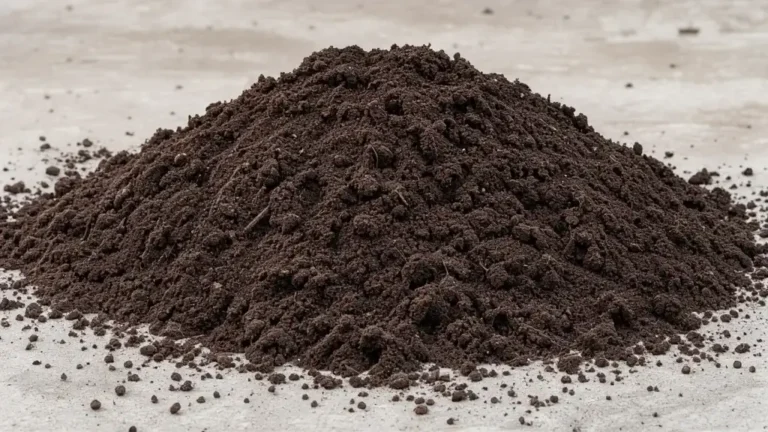
Yes, mulch can attract mice when it stays deep, damp, and close to food, shelter, or a wall. Mulch itself isn’t mouse food, but thick organic material gives mice cover from predators and a soft place to tunnel, nest, and travel. The risk depends on the mulch type, depth, moisture, nearby plants, and how close the bed sits to your home.
Have you found tiny holes or tunnels appearing in a fresh mulch bed? Are mice getting into the garage, shed, crawl space, or kitchen after you spread mulch?
You’ll learn which mulch conditions attract rodents, how to tell mouse activity from insects or larger animals, and how to set up a less inviting landscape.
You can cut down hiding places, protect young plants, and keep mice away from siding, doors, and foundation vents. Skip the basic cleanup, and mulch can hide droppings, chew damage, nests, and entry points until the problem gets much harder to control.
This takes about 9 minutes to read. By the end, you’ll know how to:
- Pick mulch that creates less rodent cover.
- Place mulch with a safe gap around your house.
- Spot mouse signs before an indoor infestation grows.
- Fix moisture, food, and clutter problems that draw mice.
Does Mulch Attract Mice?
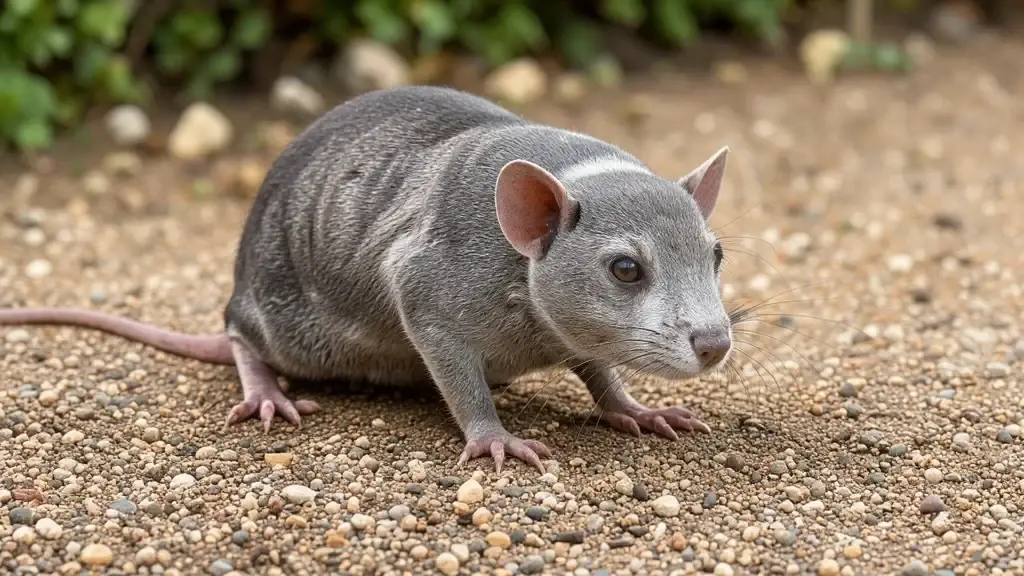
Mulch attracts mice mainly by providing shelter, moisture, and protected travel routes, not because mice want to eat the mulch. A thin, dry layer several inches from the foundation creates less cover than a deep, wet bed touching siding, shrubs, firewood, or stored items.
Mice prefer quiet areas with quick access to food. A mulch bed under bird feeders, beside vegetable plants, near fallen fruit, or next to a compost bin gives rodents both cover and a meal nearby.
The mulch material changes the risk, but the layout matters just as much. Loose bark, straw, shredded leaves, pine straw, and wood chips can form hiding pockets, especially after rain settles the material into a thick blanket.
Mice can squeeze through openings about 1/4 inch wide. That means a mulch bed beside a garage door, foundation crack, dryer vent, or utility opening can help rodents approach a building without crossing open ground.
What Mulch Does To A Mouse Problem
Mulch gives mice several things they want:
- Shade from hawks, cats, and other predators.
- Damp soil for comfortable burrowing.
- A soft surface for shallow tunnels.
- Protected paths beneath shrubs and ground cover.
- Nearby plant seeds, fruit, insects, or spilled birdseed.
Mulch doesn’t automatically create an infestation. A clean, open yard with a shallow dry layer may never attract noticeable mouse activity, while a cluttered yard with any mulch can become a rodent highway.
The same logic applies to other pests. If you’re also finding ants, beetles, earwigs, or termites, the kind of material and moisture level matter; mulch that brings bugs can create extra prey for animals higher up the food chain.
A mouse problem often starts at the edges. The rodent may live beneath a shrub or woodpile, then use the mulch as a covered route to reach a wall. Once a mouse finds warmth, pet food, birdseed, or crumbs indoors, the yard becomes less relevant because the building now offers better shelter.
Does Mulch Attract Rats Too?
Mulch can help rats travel and hide, but rats usually need more food, water, and space than mice. Thick mulch beside trash cans, compost, poultry feed, vegetable gardens, or stacked lumber creates a stronger rat risk than a clean ornamental bed.
Rats may dig larger burrows beneath mulch, decks, sheds, and dense shrubs. Their tunnels often connect to a dependable food source, so removing spilled feed and securing trash can matter more than replacing the mulch alone.
A fresh mulch layer can hide signs for a while. Look along the edges for narrow runways, disturbed material, droppings, gnaw marks, and openings beside roots or hardscape.
Which Mulch Choices and Yard Conditions Invite Mice?
Loose organic mulch becomes more attractive to mice when it stays deep, wet, undisturbed, and connected to food or shelter. Mulch choice matters, but a poorly placed shallow bed can be safer than a carefully chosen material piled against a foundation.
| Mulch or yard condition | Rodent risk | Why it matters | Better move |
|---|---|---|---|
| Deep shredded bark | Medium to high | Creates thick, soft cover and stays damp underneath | Keep the layer about 2 to 3 inches deep and away from walls |
| Pine straw | Medium | Forms airy pockets and hides runways | Rake thinly and remove packed, wet sections |
| Straw or hay | High | Offers loose nesting material and may contain seeds | Use only where rodents aren’t a concern |
| Shredded leaves | Medium to high | Compress into moist mats that hide tunnels | Compost or remove heavy buildup |
| Large wood chips | Low to medium | Open gaps give less continuous cover | Use a shallow layer and keep it tidy |
| Gravel or stone | Low | Doesn’t offer nesting material or soft cover | Fix weeds and standing water nearby |
| Mulch touching siding | High | Bridges the gap to walls, vents, and cracks | Leave a visible strip beside the foundation |
| Mulch near birdseed | High | Mice get food and cover in one spot | Move the feeder and clean spilled seed |
| Wet mulch beside shrubs | Medium to high | Gives rodents shade and damp soil | Improve drainage and thin the bed |
These ratings describe typical conditions, not a guarantee. A dry, open bed can carry little risk, while a damp bed filled with hiding pockets can attract rodents even if the material looks harmless.
I prefer large wood chips or gravel near a foundation, with finer organic mulch reserved for beds farther from doors and walls. Gravel isn’t a magic shield, but it makes tunnels easier to spot and gives mice fewer soft places to tuck in.
How Deep Should Mulch Be To Discourage Mice?
Keep most mulch around 2 to 3 inches deep, and avoid piling it against the foundation, siding, steps, or exterior doors. Deeper layers create more cover and hold moisture longer, while thin layers expose movement and dry faster.
Never build a volcano around a tree trunk. Keep mulch a few inches away from the trunk, because direct contact holds moisture against the bark and can invite decay, insects, and small animals.
A visible strip of gravel, bare soil, or hardscape beside the foundation makes rodent travel less comfortable. The exact width depends on drainage and local landscaping, but even a clear gap gives you a better chance to spot droppings, holes, and gnawing.
Could a 3-inch mulch layer still attract mice? Yes, if the bed sits under a bird feeder or beside a cluttered shed. Depth lowers or raises the odds, but food and shelter decide what happens next.
Which Mulch Is Best Near A House?
Gravel, stone, or coarse wood chips usually create less nesting cover than straw, hay, shredded leaves, or thick fine bark near a house. Coarse material still needs proper drainage and a gap from siding, because mice can use nearby clutter even when the bed itself isn’t ideal.
Stone mulch has one drawback: it can hold heat and make weed removal harder. Coarse chips can break down and need replacement, but they’re usually easier to rake and inspect than a thick mat of leaves or pine straw.
Bug-repelling claims deserve a little caution. Aromatic cedar or certain plant oils may smell unpleasant to some pests, but scent fades, rain washes it away, and no mulch reliably stops mice by itself; bug-repelling mulch choices should be judged by drainage, depth, and maintenance first.
A yard can also attract snakes after rodents move in. Snakes follow prey and hiding cover, so reducing mouse habitat may help lower the chance of finding them near the bed; learn more about whether snakes like mulch before choosing a material based on a scent claim.
I once pulled back a thick, damp mulch layer beside a shed and found a clean runway pressed into the soil, even though there were no obvious holes from above. The useful lesson was simple: rake and inspect the edges before assuming the mulch is harmless.
How Can You Tell If Mice Are Living Under Mulch?
Mouse activity under mulch usually shows up as small entry holes, narrow runways, droppings, gnaw marks, or disturbed material near food and shelter. Fresh signs tend to look sharp and clean, while old tunnels collect leaves, rain debris, and spider webs.
Check these places first:
- Along the foundation and shed walls.
- Beneath dense shrubs and low ground cover.
- Around compost, trash, and bird feeders.
- Beside stacked firewood and lumber.
- Near irrigation boxes, vents, and utility lines.
- Around vegetable beds and fallen fruit.
Mouse droppings are usually small, dark, and pointed at one or both ends. Wear disposable gloves when cleaning them, avoid dry sweeping, and dampen contaminated material with disinfectant before wiping it up.
A hole doesn’t always mean mice. Earthworms, moles, voles, crickets, birds, squirrels, and rabbits can disturb mulch too. The size, shape, location, nearby tracks, and type of damage help narrow down the culprit, which is why a guide to holes in your mulch can save you from treating the wrong animal.
How Do You Keep Mice Out of Mulch?
Keep mice out by removing food, thinning hiding cover, leaving space beside buildings, and sealing entry points at the same time. Changing mulch without fixing birdseed, clutter, standing water, or a 1/4-inch gap in the wall usually gives only short-term relief.
A Practical Mouse-Reduction Plan
-
Remove easy food. Store birdseed, grass seed, pet food, and chicken feed in metal or thick plastic containers with tight lids. Pick up fallen fruit and clean spilled seed under feeders.
-
Thin and reset the mulch. Pull deep mulch away from siding, steps, doors, and vents. Break up packed sections, remove wet clumps, and keep the finished layer around 2 to 3 inches.
-
Clear connected shelter. Move firewood, cardboard, pots, lumber, and dense yard debris away from walls. Trim shrubs so branches don’t create a low tunnel from the ground to the house.
-
Fix moisture problems. Repair dripping spigots, clogged gutters, leaking hoses, and irrigation overspray. A dry bed offers less comfort than a damp one, especially during hot or cold weather.
-
Seal building gaps. Inspect the foundation, garage door, crawl-space vents, pipe openings, and utility lines. Use materials rodents can’t chew through easily, such as metal mesh paired with a suitable sealant.
-
Monitor before adding more treatment. Check the bed every few days for fresh holes, tracks, droppings, or new damage. If signs continue indoors, contact a licensed pest professional rather than scattering poison around pets or wildlife.
Pro Tip: Mark a suspicious hole with a small twig or smooth patch of soil, then check it the next day. Fresh disturbance tells you more than a hole hidden under several weeks of mulch.
What Should You Do If Mice Are Already Indoors?
Indoor mouse signs call for building repairs and careful sanitation, not just a new mulch product. Place traps only where children and pets can’t reach them, follow the product directions, and avoid loose poison outdoors where pets, birds, and wild animals may contact it.
Start with the room closest to the outdoor signs. Check under sinks, behind appliances, inside cabinets, around garage storage, and near pipes that pass through walls.
Wear gloves while cleaning droppings or nesting material. Don’t vacuum or sweep dry waste, because dust can spread contaminated particles; wet the area first, let the disinfectant work as directed on its label, then wipe everything up.
A pest professional makes sense when:
- You hear scratching inside walls or ceilings.
- Droppings continue after food and gaps are addressed.
- You find nests near wiring or heating equipment.
- Mice enter a crawl space, attic, or air-handling area.
- Children, pets, or wildlife could reach traps or bait.
Important Tip: Never seal an active entry hole without checking whether animals are inside. A trapped mouse can die in a wall, create odor, and turn a small repair into a miserable cleanup.
Should You Remove All Mulch?
You usually don’t need to remove every mulch bed to control mice. Remove or thin mulch that stays wet, touches the building, hides fresh activity, or connects several shelter areas, then keep useful beds shallow and easy to inspect.
Removing mulch may help you locate burrows, but it won’t solve a food source or wall opening by itself. A clean bed beside an unsealed garage is still an invitation.
If you remove organic mulch, bag heavily contaminated material and wash tools afterward. Don’t move infested mulch to another part of the yard, where the same rodents can settle in again.
What About Mouse Repellents?
Mouse repellents have mixed results outdoors because wind, rain, plant growth, and a large open yard weaken the effect. Peppermint oil, ultrasonic devices, predator scents, and commercial granules may change activity briefly, but none replaces sealing and cleanup.
I wouldn’t spend much on a gadget before checking the basics. A tight food container, a cleared foundation edge, and a properly sealed pipe gap usually give you more lasting value than a device humming beside the flower bed.
Mothballs don’t belong in outdoor mulch. Their fumes can harm people and animals, and they aren’t a safe general-purpose mouse treatment.
Key Takeaways:
- Mulch attracts mice by offering cover, moisture, and protected routes.
- Deep, wet, fine organic mulch carries more shelter risk than a thin, open bed.
- Keep mulch about 2 to 3 inches deep and away from walls, doors, vents, and tree trunks.
- Remove food sources and seal building gaps at the same time.
FAQs About Does Mulch Attract Mice
Does cedar mulch keep mice away?
Cedar mulch may have a strong odor that some pests dislike, but cedar mulch doesn’t reliably keep mice away. Rain, age, and nearby food reduce any scent effect, while shelter under a deep bed still helps rodents. Use cedar for its gardening qualities, not as a stand-alone mouse control method.
Is rubber mulch bad for mice?
Rubber mulch usually offers less nesting material than straw, leaves, or shredded bark, but rubber mulch doesn’t block mouse travel. Mice can still hide beneath it or use nearby shrubs, clutter, and foundation gaps. Drainage, food control, and a clear foundation edge matter more than the mulch material alone.
Do mice nest in mulch?
Yes, mice can nest beneath mulch when the material stays dry underneath, loose enough to move, and close to food or shelter. Nesting material may include shredded leaves, grass, paper, insulation, or plant fibers. A deep mulch layer beside a shed gives rodents a quiet place to work.
How far should mulch be from the house?
Keep mulch from touching siding, doors, vents, and the foundation, with the exact gap shaped by drainage and the building design. A visible strip beside the wall makes holes and droppings easier to notice and prevents mulch from holding moisture against the structure.
Will removing mulch get rid of mice?
Removing mulch can reduce cover, but removal alone rarely gets rid of mice. Rodents may move into shrubs, firewood, sheds, crawl spaces, or wall voids if food and entry gaps remain. Combine mulch cleanup with food storage, clutter removal, moisture control, and sealing repairs.
Can mulch attract rats in winter?
Yes, mulch can help rats find covered travel routes during winter, especially beside warm buildings, sheds, compost, trash, or stored feed. Cold weather pushes rodents toward protected shelter, so a clear foundation edge and sealed openings matter even when the garden looks dormant.
A Cleaner Mulch Bed Is Usually Enough
Mulch doesn’t deserve all the blame. The real trouble starts when deep organic material joins damp soil, spilled food, dense plants, clutter, and an easy way into the house.
My practical choice is a shallow, tidy bed with a visible gap beside the foundation, coarse material near buildings, and no birdseed scattered underneath. Start by clearing the food and shelter closest to the wall, then inspect and seal every small opening you find. That combination beats chasing mice with strong-smelling products, and it leaves you with a yard that’s easier to care for and easier to read.

I’m Maya L. Greenwood, a lifelong plant lover who believes anyone can grow something beautiful with the right guidance. After years of testing soil mixes, pruning methods, irrigation tricks, and pest-safe solutions, I started EasyGardenTips.com to turn hard-won lessons into step-by-step advice. From seed starting and container gardens to composting and seasonal checklists, my goal is to make gardening simple, sustainable, and fun.