What Is Pruning Shears Used For and How to Use It Properly
Pruning shears are one of the most essential tools for any gardener, yet many people are unsure what they are truly used for. Using them incorrectly can damage plants, waste time, and even shorten the lifespan of the tool.
Many gardeners struggle to understand the proper applications of pruning shears, which can lead to inefficient cuts or harm to the plant. Knowing how and when to use them ensures healthier growth and cleaner, more precise trimming.
Understanding the specific uses of pruning shears also helps preserve the tool itself. Proper use reduces wear and tear on blades, pivots, and locking mechanisms, making the shears last longer and work more efficiently.
According to Garden Tool Reviews, over 40 percent of home gardeners misuse pruning shears, often leading to dull blades and plant damage. Another study by Horticulture Today found that correct tool use and maintenance can improve gardening efficiency by up to 35 percent.
What Are Pruning Shears?

Pruning shears are specialized gardening tools designed for cutting branches, stems, and small shrubs. They help maintain plant health by allowing precise, clean cuts that promote growth and reduce the risk of disease.
There are several types of pruning shears, each suited for different tasks. Bypass pruners feature two curved blades that slide past each other, making them ideal for live branches. Anvil pruners have a single sharp blade that closes against a flat surface, which works best for dry or dead wood. Ratchet and power-lever pruners are designed to handle thicker branches with minimal hand effort.
Key components such as blades, pivots, springs, and locking mechanisms determine the tool’s efficiency. Each part contributes to smooth cutting, safety, and the ease of maintaining the shears.
Understanding the structure and purpose of these tools is crucial for proper use. Knowledge of the mechanism prevents damage to blades and locks, ensures precise cuts, and guides effective maintenance practices.
Regular inspection of all components allows gardeners to detect wear, misalignment, or rust early. Prompt attention to these issues ensures pruning shears remain reliable and efficient for a variety of gardening tasks.
Common Uses of Pruning Shears
Pruning shears are versatile tools that serve multiple purposes in the garden. Knowing the appropriate use for each type ensures healthy plants and reduces the risk of tool damage.
One primary use is trimming live branches to shape plants and encourage healthy growth. Bypass pruners provide clean cuts on living stems, helping maintain the plant’s structure and appearance.
Another key use is cutting dead or dry wood. Anvil pruners make removing dead branches efficient, which prevents disease spread and encourages new growth.
Pruning shears are also used for shaping shrubs and hedges. Regular trimming maintains desired forms and enhances the garden’s aesthetic appeal.
Harvesting fruits and flowers is another common application. Careful cuts minimize damage to stems and maximize the lifespan and quality of harvested plants.
Finally, pruning shears are useful for removing diseased or damaged plant parts. This practice prevents the spread of disease and keeps plants healthy and productive.
By understanding these common uses, gardeners can select the right type of pruning shears for each task. Proper use not only improves plant health but also ensures the tool remains efficient, safe, and durable over time.
Step-by-Step Guide to Using Pruning Shears
Using pruning shears correctly ensures precise cuts, protects plant health, and extends the tool’s lifespan. Following proper techniques minimizes strain on both the gardener and the shears.
Start by preparing the tool and work area. Wear protective gloves and ensure the shears are clean, sharp, and properly lubricated to allow smooth operation.
Choose the right type of pruning shears for the task. Bypass pruners are ideal for live branches, while anvil pruners are better suited for dead or dry wood.
Maintain the correct cutting angle to reduce stress on the blades and prevent damage to the plant. Clean, straight cuts promote faster healing and healthier growth.
Avoid common mistakes such as twisting the blades, forcing cuts on thick branches, or cutting at awkward angles. Proper handling reduces wear on the pivot and locking mechanism, keeping the shears functional longer.
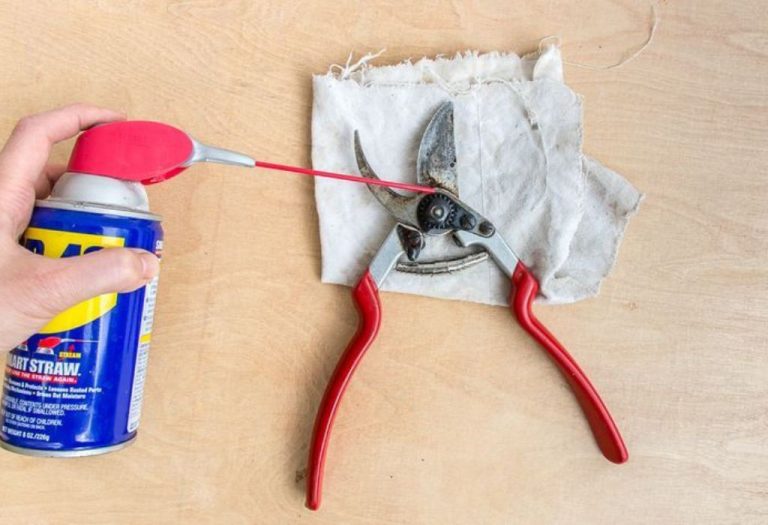
After completing each task, clean the blades to remove sap and debris, apply a light layer of oil to prevent rust, and store the shears in a dry, protected location. Consistent care ensures smooth operation and readiness for the next gardening session.
By following these steps, gardeners can use pruning shears safely, efficiently, and effectively, achieving healthier plants and longer-lasting tools.
Common Mistakes to Avoid When Using Pruning Shears
Even experienced gardeners can make mistakes that reduce efficiency and damage tools. Understanding these pitfalls helps maintain pruning shears and ensures healthier plants.
Cutting branches that are too thick for the shears can bend blades, misalign the pivot, or jam the locking mechanism. Always use the correct type of pruner for the branch size.
Twisting or forcing the blades while cutting can damage both the tool and the plant. Smooth, straight cuts reduce wear on the blades and promote faster plant healing.
Neglecting maintenance such as cleaning, sharpening, or lubrication can make unlocking and cutting difficult. Regular care ensures smooth operation and extends the lifespan of the shears.
Improper storage in damp or cluttered areas can lead to rust and stuck locks. Storing shears in a dry, protected environment preserves both blades and locking mechanisms.
By avoiding these common mistakes, gardeners can improve their efficiency, prevent tool damage, and ensure safer, more precise pruning. Proper use and care make every pruning task easier and help maintain a healthy, well-groomed garden.
Maintenance Tips for Long-Lasting Performance
Proper maintenance is essential for keeping pruning shears effective, safe, and easy to use. Regular care prevents damage, reduces wear, and ensures consistent performance in the garden.
Clean the blades and pivot after each use. Removing sap, dirt, and debris prevents rust, keeps the locking mechanism functioning, and ensures smooth blade movement.
Lubricate moving parts with a light oil to maintain smooth operation. Avoid over-lubrication, which can attract dust and debris, causing additional friction.
Sharpen blades regularly to maintain cutting efficiency. Using a sharpening stone or file at the correct bevel angle prevents crushing branches and reduces strain on the shears.
Check springs, pivots, and locks periodically. Replace worn or damaged components promptly to avoid further tool malfunction.
Store pruning shears in a dry, protected location. Keeping them covered prevents exposure to moisture and prolongs both the blades and the locking mechanism.
By adopting these maintenance habits, gardeners ensure pruning shears remain sharp, functional, and easy to use. Regular care enhances safety, improves plant health, and extends the life of the tool.
Advanced Tips and Troubleshooting

Even well-maintained pruning shears can encounter issues that require troubleshooting. Understanding how to address these problems helps prolong tool life and ensures safe, efficient use.
Stuck or jammed shears often result from debris or minor rust in the pivot or locking mechanism. Cleaning the affected areas and applying a light lubricant usually restores smooth operation.
Worn springs or misaligned blades can make cuts uneven and locks difficult to release. Replacing or adjusting these components carefully ensures proper tension and alignment.
Severely damaged blades or irreparable parts should be replaced with compatible components. Using genuine or high-quality replacements maintains tool performance and durability.
Following advanced troubleshooting practices allows gardeners to resolve complex issues without causing further damage. Combined with regular maintenance, these techniques ensure pruning shears remain reliable, safe, and easy to use for a variety of tasks.
Choosing the Right Pruning Shears for Your Garden
Selecting the appropriate pruning shears is crucial for efficient, safe, and precise gardening. The right tool reduces strain, prevents plant damage, and ensures long-lasting performance.
Consider the type of plant and branch thickness before choosing shears. Bypass pruners are ideal for live branches, while anvil pruners work best for dry or dead wood. Ratchet and power-lever pruners are suitable for thicker branches and heavy-duty tasks.
Ergonomics and handle design are important for comfort and control. A comfortable grip reduces fatigue during prolonged use and allows for more accurate cuts.
Material and durability should also be considered. Stainless steel blades, reinforced pivots, and durable springs increase tool longevity and reliability.
By matching the shear type to the specific gardening task and selecting quality, ergonomic tools, gardeners can achieve better results. Proper selection ensures smooth cutting, reduces wear on the shears, and makes maintenance easier over time.
Conclusion
Pruning shears are versatile tools essential for trimming, shaping, and maintaining healthy plants. Understanding what pruning shears are used for and how to use them correctly ensures precise cuts and promotes plant health.
Regular maintenance, including cleaning, lubrication, sharpening, and proper storage, prevents most issues and prolongs tool life. These practices keep the blades sharp, the pivot smooth, and the locking mechanism functional.
Advanced troubleshooting and timely part replacement address stubborn problems and restore full functionality. Knowing when to upgrade or replace components ensures pruning shears remain efficient and safe.
By selecting the right type of pruning shears and implementing proper use and maintenance techniques, gardeners can enhance their productivity and enjoy safer, more efficient pruning sessions. Following these strategies keeps tools reliable, extends their lifespan, and improves overall garden care.
For further guidance, consult manufacturer manuals or trusted gardening resources to maximize the performance and durability of pruning shears.

I’m Maya L. Greenwood, a lifelong plant lover who believes anyone can grow something beautiful with the right guidance. After years of testing soil mixes, pruning methods, irrigation tricks, and pest-safe solutions, I started EasyGardenTips.com to turn hard-won lessons into step-by-step advice. From seed starting and container gardens to composting and seasonal checklists, my goal is to make gardening simple, sustainable, and fun.