Stihl Vs Makita Leaf Blower: Detailed Comparison and Verdict
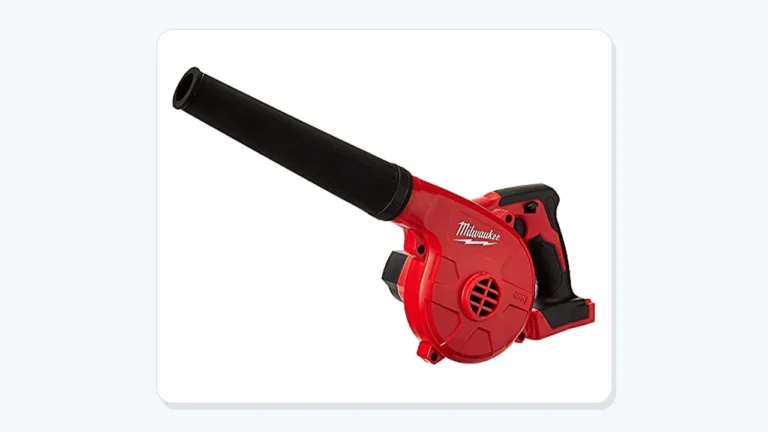
If you’re comparing the stihl vs makita leaf blower options here, the short answer is about the kind of work you need to do. The STIHL BR 700 is the stronger fit for large areas and heavier cleanup; the Makita DUB185Z is a compact handheld model suited to lighter, more controlled tasks.
The STIHL brings high blowing force, a 10.8 kg weight, a length-adjustable blow pipe, and wide shoulder straps intended to help during longer work. The Makita offers trigger-controlled speed, three air-volume settings, and a vacuum function with a dust bag.
Those are different tools, not two versions of the same setup. The STIHL is built around clearing bigger spaces, while the Makita’s handheld form is easier to maneuver for small cleanup jobs. The Makita is also a bare tool: its battery and charger are not included.
Below, I’ll compare their formats, controls, comfort, and practical limits so you can choose by yard size and cleanup routine—not by brand name alone. I’ll also point out what to check before buying, since airflow figures and runtime information aren’t available for a direct numerical comparison here.
| with Length-Adjustable Blow Pipe and a Maximum Blowing | DUB185Z Cordless Handheld Leaf Blower Powered by 18V LXT Li-Ion |
 |
 |
Stihl Vs Makita Leaf Blower Detailed Comparison
The clearest difference is scale. STIHL’s BR 700 is a professional blower described for large areas, with high blowing force for moving leaves, lawn cuttings, hedge cuttings, and debris. The Makita DUB185Z is a compact handheld leaf blower with three air-volume settings and variable trigger control.
That distinction matters more than a simple “which is more powerful?” contest. The STIHL is the more natural match for broad cleanup, where you want to move material across a sizable area. The Makita’s smaller handheld format makes it a more practical choice when the job calls for directing airflow around a patio, walkway, or smaller outdoor space.
For example, clearing a large lawn after trimming hedges is the kind of job the BR 700 is intended to handle. Tidying scattered leaves around a small patio may be easier with a compact blower that you can steer by hand. Those are use-case judgments, not claims that either blower cannot perform other kinds of work.
Weight and carrying comfort deserve a close look. STIHL gives the BR 700’s weight as 10.8 kg, and its wide shoulder straps are intended to improve comfort during longer work. It also has a soft grip and STIHL’s anti-vibration system. Those details address the strain of extended operation, but they don’t make the stated weight disappear; consider your own strength and how long you expect to work at a time.
Makita describes the DUB185Z as compact and lightweight and gives its dimensions as 11 × 6.9 × 8.5 inches without the nozzle installed. With the nozzle installed, the stated dimensions are 20.35 × 6.14 × 8.27 inches. No weight is specified here, so don’t treat “lightweight” as a direct numerical comparison with STIHL’s 10.8 kg.
The controls serve different needs, too. On the Makita, a variable-speed trigger lets you adjust output as you work, and the three air-volume settings offer Low, Medium, and High. That gives you choices for directing the airflow rather than using one fixed setting. STIHL’s key distinction in the available specifications is its high blowing force; no matching set of selectable air-volume levels is specified for the BR 700.
Makita also includes a vacuum function that can be used with a dust bag, with increased air volume in that mode. That could be useful if you want a tool that handles more than blowing, but the provided specifications don’t establish collection capacity or how much material it can manage. STIHL’s listed role is blowing leaves, cuttings, and debris; no vacuum function is specified for it here.
Power setup is another practical difference. The Makita is powered by an 18V LXT lithium-ion battery, but the DUB185Z is sold as a bare tool without a battery or charger. If you don’t already have a compatible battery and charger, account for those before deciding whether this setup fits your needs.
For the BR 700, the confirmed details include its STIHL 4-MIX motor, but they don’t establish fuel consumption, running time, or a maintenance schedule. Don’t guess at those details from the model name. Check the operating requirements and ongoing costs for the exact unit you’re considering, especially if it will be used regularly on larger properties.
Key Differences That Matter
Large-area clearing versus compact handheld work
STIHL explicitly positions the BR 700 for large areas and highlights its high blowing force. Its stated uses include clearing leaves, lawn and hedge cuttings, and debris. That combination makes it the more convincing choice when a cleanup covers a broad lawn or several outdoor areas, rather than one small patch.
The Makita’s compact handheld design points toward tasks where maneuverability and control matter more than covering a large area quickly. Its dimensions grow in length when the nozzle is installed, so consider how you’ll store and handle it in that working configuration. Neither product has a verified air-speed or airflow figure here, so there’s no sound basis for ranking them by a specific numerical output.
Carrying comfort and handling
The BR 700 weighs 10.8 kg. Its wide shoulder straps, soft grip, and anti-vibration system are meaningful comfort features, particularly for longer sessions, but a buyer still needs to be comfortable managing that weight. If you’re concerned about carrying a blower for an extended period, the listed weight should be part of the decision—not something to brush aside because straps are included.
Makita calls the DUB185Z compact and lightweight and adds an ergonomic soft grip. Those features may make it appealing for short, targeted jobs, but no exact weight is provided for a side-by-side comparison. It’s fair to compare the stated form and comfort features; it isn’t fair to claim a specific weight advantage over the STIHL.
Airflow adjustment and extra function
The Makita’s trigger control and Low, Medium, and High air-volume settings let you select among three levels. In everyday use, that can help you avoid using the same setting for every small task. The vacuum mode with a dust bag adds another way to use the tool, though the available details don’t say how much it collects or what materials are suitable.
STIHL’s verified emphasis is strong blowing performance for large-area clearing. It also has a length-adjustable blow pipe, which gives you a way to alter the pipe length for the task or your working position. There’s no matching set of speed settings or vacuum function specified for the BR 700, so compare only the features each product is confirmed to offer.
Power and purchase planning
The Makita runs on an 18V LXT lithium-ion battery, and the DUB185Z does not include a battery or charger. That distinction can affect the total setup you need to buy and whether this blower fits the equipment you already own. Check that any battery and charger you plan to use are compatible before counting them as part of your setup.
The STIHL’s 4-MIX motor is a named feature, but the available facts don’t spell out its fuel requirements or running costs. Those details can matter when comparing ongoing ownership costs with a cordless setup. Confirm them for the exact BR 700 configuration you’re considering instead of assuming a particular runtime, fuel type, or maintenance burden.
Performance, Features, and Everyday Use
Think first about how far the leaves or cuttings need to move. On a large property, clearing multiple stretches of lawn can make high blowing force and a tool intended for large areas more useful than a small form factor. That is where the BR 700’s stated purpose lines up with the work. Its length-adjustable blow pipe gives you another point to consider when setting up for the job.
The Makita makes more sense when cleanup happens in shorter bursts or in tighter spaces. Its trigger and three air-volume settings give you defined options as you work. A lower setting may be worth trying for a small, controlled cleanup, while a higher one gives you another available setting; actual results depend on the material and conditions, and no specific performance figures are provided for comparison.
Comfort isn’t just about the handle. The STIHL’s wide shoulder straps and anti-vibration system are intended to support longer work, and its soft grip adds a comfort feature at the hand. Still, at 10.8 kg, the BR 700 asks you to think about load and duration. If you’ll be working for a long stretch, plan around your own comfort rather than assuming any strap system will suit every user.
Makita’s ergonomic soft grip and compact design offer a different handling proposition. Its stated dimensions are useful for thinking about storage and reach, but remember that the installed nozzle changes the overall length. If you have limited storage space, use the nozzle-installed dimensions in your planning rather than considering only the shorter body measurement.
The Makita’s vacuum function may add convenience if you value having a collection option alongside blowing. It uses a dust bag, and the vacuum mode has increased air volume. Those facts don’t establish bag capacity, collection efficiency, or whether it’s right for every kind of debris. If vacuuming is a deciding factor, check those practical details before purchase and be realistic about the size of the cleanup you expect it to handle.
Power planning is especially important with the DUB185Z. Because the battery and charger aren’t included, the blower alone may not be a complete working setup. If you already have a compatible 18V LXT lithium-ion battery and charger, that may make the bare-tool format a convenient fit; if not, include the necessary power equipment in your budget.
For the STIHL, don’t infer the everyday ownership routine from “4-MIX” alone. The verified details don’t specify fuel consumption, operating time, or service intervals. Before committing, confirm the fuel and maintenance requirements for the exact BR 700 you intend to use. That step helps avoid buying a large-area blower without understanding what keeping it ready for work involves.
Both products have limits that are easy to overlook if you focus only on the headline features. The STIHL’s large-area role and stated weight make it a poor automatic choice for someone who wants the smallest, easiest-to-store tool. The Makita’s compact form doesn’t prove it can clear a large property as quickly as a professional blower; no direct clearing-rate comparison is available.
Pros and Cons
with Length-Adjustable Blow Pipe and a Maximum Blowing
Pros
- ✓High blowing force: A strong fit for broad leaf, cutting, and debris cleanup.
- ✓Large-area purpose: Suits bigger properties better than a small, localized job.
- ✓Comfort features: Shoulder straps, soft grip, and anti-vibration support longer work.
Cons
- –10.8 kg weight: May feel like too much for buyers who prioritize easy carrying.
- –Large-area focus: More blower than some small patios or quick touch-ups require.
- –Ownership details to confirm: Fuel use and maintenance requirements aren’t specified here.
DUB185Z Cordless Handheld Leaf Blower Powered by 18V LXT Li-Ion
Pros
- ✓Three air-volume settings: Choose Low, Medium, or High for the task.
- ✓Variable-speed trigger: Adjust airflow while operating the blower.
- ✓Vacuum option: Adds a dust-bag collection mode alongside blowing.
- ✓Compact form: Helpful when maneuverability and storage matter.
Cons
- –Bare tool only: Battery and charger aren’t included.
- –Handheld format: May not suit buyers focused on extensive property-wide clearing.
- –Collection details to check: Dust-bag capacity and vacuum limits aren’t specified here.
Which One Should You Buy?
Choose the STIHL BR 700 if you regularly clear large areas and want a professional blower whose stated purpose matches that workload. Its high blowing force, length-adjustable blow pipe, and wide shoulder straps are relevant advantages for bigger cleanup sessions. The trade-off is its stated 10.8 kg weight, so think carefully about whether you’ll be comfortable managing it for the duration of your work.
Who Should Skip This: Skip the BR 700 if your routine is mostly small patio cleanups or if you don’t want to manage a 10.8 kg blower. Its large-area focus may be unnecessary for quick, localized jobs. Also confirm the motor’s operating and maintenance requirements before buying; the facts here don’t spell them out.
Choose the Makita DUB185Z if you value a compact handheld leaf blower, adjustable air volume, and the option to vacuum with a dust bag. Its three settings and variable-speed trigger give you useful control for smaller, directed jobs. It’s the more sensible match when convenience and maneuverability matter more than buying for large-area professional clearing.
Who Should Skip This: Skip the DUB185Z if you need a complete cordless setup right away and don’t have a compatible battery and charger, since neither is included. It may also be the wrong choice if your main priority is clearing a large property; its compact design alone doesn’t establish that it can match the BR 700’s large-area role.
Before choosing either blower, ask yourself how often you’ll use it, how much ground you need to clear, and what power equipment you already have. If you’re comparing costs, include any Makita battery and charger you still need, and confirm the STIHL’s operating requirements. A lower purchase price, if you see one, wouldn’t by itself settle the question of which setup fits your work.
There’s no verified runtime, airflow measurement, or exact Makita weight here to settle the comparison on numbers. If one of those is central to your decision, look for confirmed specifications for the exact models and configuration. Don’t assume a published setting, motor name, or general description answers a question it doesn’t address.
FAQS About Stihl Vs Makita Leaf Blower
Which is better for a large yard, the STIHL BR 700 or Makita DUB185Z?
The STIHL BR 700 is the clearer fit for large areas: it’s described as a professional blower with high blowing force for that kind of work. The Makita is compact and handheld, with no verified large-area performance comparison available.
Is the Makita DUB185Z ready to use out of the box?
Not as a complete cordless setup. The DUB185Z is a bare tool, and its battery and charger are not included. You’ll need compatible power equipment to use it.
Does the STIHL BR 700 weigh more than the Makita DUB185Z?
The BR 700’s stated weight is 10.8 kg, but no exact DUB185Z weight is given here. The Makita is described as compact and lightweight, but that wording doesn’t establish a numerical weight comparison.
Can the Makita DUB185Z vacuum leaves?
It has a vacuum function that can be used with a dust bag. Its collection capacity and limits aren’t specified here, so check those details if vacuuming is central to your choice.
Final Verdict: Which One Wins?
The STIHL BR 700 wins for large-area clearing, especially if you need high blowing force for leaves, lawn cuttings, hedge cuttings, and debris. Its comfort features help address longer work, but the 10.8 kg weight is a real consideration. Confirm its operating requirements before buying.
The Makita DUB185Z wins for compact, controlled cleanup where three air-volume settings, a variable-speed trigger, and a vacuum option are useful. It’s a better fit for buyers who value handheld maneuverability and can account for the separate battery and charger.
So the better leaf blower depends on the job: STIHL for broad, demanding cleanup; Makita for smaller tasks and flexible handheld use. If neither description matches your routine, don’t pay for features or capacity you won’t use.

I’m Maya L. Greenwood, a lifelong plant lover who believes anyone can grow something beautiful with the right guidance. After years of testing soil mixes, pruning methods, irrigation tricks, and pest-safe solutions, I started EasyGardenTips.com to turn hard-won lessons into step-by-step advice. From seed starting and container gardens to composting and seasonal checklists, my goal is to make gardening simple, sustainable, and fun.