Lawn Aeration for New Grass: A Simple Guide to Success
Starting a new lawn can be exciting, but it also comes with its challenges. One of the biggest hurdles many beginners face is figuring out how to get their new grass to thrive. That’s where lawn aeration for new grass comes in. It might sound complicated, but don’t worry! This guide will break down the process step-by-step, making it easy to create a lush, healthy lawn. We’ll explore everything you need to know to get your new grass off to a great start, ensuring it stays strong and vibrant. Let’s get started.
Why Aeration Matters for New Lawns
Aeration is a vital process for new lawns because it helps create the ideal conditions for grass to grow. When you’re establishing a new lawn, the soil can often be compacted, either from construction activities or simply from being walked on. This compaction limits the amount of air, water, and nutrients that can reach the grass roots. Aeration helps to break up this compaction, allowing for improved root growth and overall lawn health. The process allows the grass to breathe and thrive, establishing a sturdy foundation for years to come. Ultimately, aeration plays a crucial role in creating a vibrant and resilient lawn from the very beginning.
The Benefits of Aeration
Aeration delivers an array of advantages for your new lawn, contributing to its health and vigor. It helps combat soil compaction, which is a major enemy of healthy grass roots. Aeration also improves water and nutrient absorption, critical for young grass to establish strong roots and grow rapidly. Moreover, it encourages deeper root growth, increasing the grass’s resilience to stress like drought and heavy foot traffic. By implementing aeration, you’re setting your lawn up for success, ensuring it can withstand environmental pressures and grow lush and green. Understanding the benefits is the first step towards achieving a beautiful, healthy lawn.
- Improved Air Circulation: Aeration creates pathways for air to reach the roots of the grass. This is crucial because grass roots, like all living organisms, need oxygen to survive. Without adequate air, the roots can suffocate, leading to slow growth and eventual death. Aeration helps ensure the roots receive the air they need.
- Enhanced Water Absorption: Compacted soil prevents water from penetrating deep into the ground, leading to runoff and wasted water. Aeration breaks up this compaction, allowing water to reach the roots more effectively. This promotes deeper root growth, making the lawn more drought-tolerant.
- Better Nutrient Uptake: Nutrients from fertilizers need to reach the roots to be effective. Aeration creates channels for these nutrients to travel, ensuring they reach the root zone. This results in healthier, more vigorous grass that can resist diseases and pests.
- Reduced Thatch Build-up: Thatch is a layer of dead organic matter that accumulates on the soil surface. Excessive thatch can block air, water, and nutrients from reaching the roots. Aeration helps to break down thatch, promoting a healthier soil environment.
- Increased Root Development: By loosening the soil and improving access to resources, aeration encourages deeper and more extensive root systems. Deeper roots make the grass more resilient to stress, such as drought, heat, and heavy use.
Types of Aeration Equipment
Knowing the equipment options is key to choosing the right tool for your specific needs. There are two primary types of aeration equipment: core aerators and spike aerators. Each serves a different purpose and is suited to different lawn conditions. Core aerators remove small plugs of soil, creating channels for air and water. Spike aerators, on the other hand, poke holes into the ground, which can be effective on less compacted soils. Understanding their differences will help you decide which method is best for your lawn and your equipment. The best choice depends on the level of compaction and the type of soil.
- Core Aerators: These machines remove plugs of soil (cores) from the ground, creating holes. This method is the most effective for breaking up compacted soil and allowing air, water, and nutrients to penetrate. The cores are typically left on the lawn to break down, returning nutrients to the soil. Core aeration is ideal for lawns with heavy clay soil or those that experience a lot of foot traffic.
- Spike Aerators: Spike aerators use solid tines to poke holes into the soil. While easier to use and often less expensive than core aerators, they do not remove soil. Instead, they compact the soil around the holes, which can sometimes worsen compaction over time. They are best suited for lightly compacted soil or sandy soil.
- Manual Aeration Tools: For small lawns, manual aeration tools, such as aerator shoes or handheld aerators, can be a practical option. Aerator shoes attach to your shoes, allowing you to aerate the lawn as you walk. Handheld aerators are simple tools that you push into the ground. These are good options for a small lawn or for spot-treating areas with compaction.
- Aeration Machines: Aeration machines are available for rent at most home improvement stores. These machines can be gas-powered or electric and come in various sizes. Renting a machine is an excellent option for those with a larger lawn or who prefer a more efficient method.
Preparing Your Lawn for Aeration
Preparing your lawn properly is crucial for a successful aeration process. This involves several steps designed to make the job easier and ensure that the aeration is as effective as possible. Begin by mowing your lawn short, which helps the aerator work efficiently. Then, water the lawn before aeration to soften the soil, making it easier for the aerator to penetrate. Also, mark any underground utilities to avoid damage. Careful preparation is key to a smooth and effective aeration process, setting the stage for improved soil health and a thriving lawn.
Mowing Your Lawn
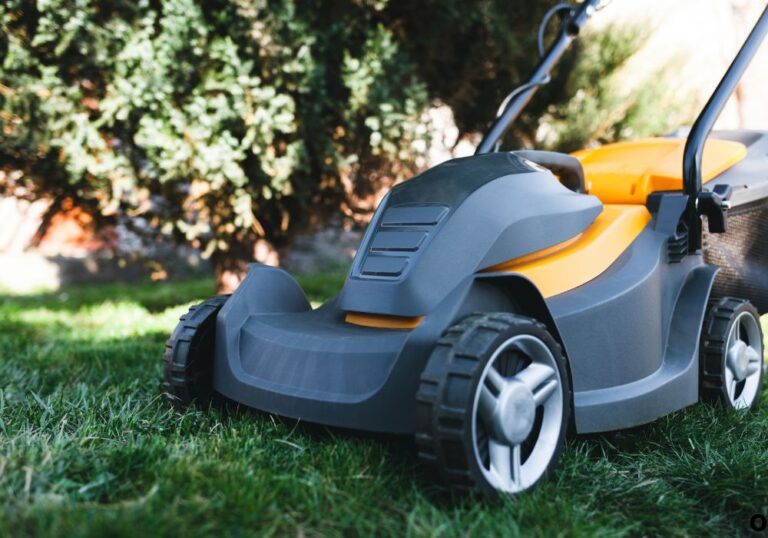
Mowing your lawn before aerating is an essential step that significantly improves the efficiency of the aeration process. A shorter grass height allows the aerator to penetrate the soil more easily, reaching the root zone with less obstruction. Shorter grass also makes it easier to collect any soil cores created by the aerator, preventing them from being spread around the lawn unevenly. It streamlines the aeration process, leading to better results and a healthier lawn. It’s a simple step, but one that makes a big difference in the outcome.
- Optimal Cutting Height: The optimal cutting height for your lawn before aeration is typically lower than your regular mowing height. Aim to cut your grass to about 1.5 to 2 inches. This will make it easier for the aerator to penetrate the soil.
- Use a Sharp Blade: Ensure your mower blade is sharp to make a clean cut. A dull blade can tear the grass, making it more susceptible to disease. A clean cut promotes healthier grass growth.
- Collect Clippings: Remove grass clippings after mowing. This ensures that the aerator can reach the soil without being hindered by excess organic matter.
Watering Your Lawn
Watering your lawn before aeration is a simple but critical preparation step. Moist soil is much easier for an aerator to penetrate than dry, hard soil. This ensures that the aerator can create the necessary holes or remove the plugs of soil, which will improve the effectiveness of the aeration process. Watering the lawn a day or two before aerating allows the soil to soften, facilitating a more effective aeration process and promoting healthier roots. It also lessens the strain on the aerating machine.
- Timing is Key: Water your lawn 1-2 days before aerating. This allows the water to soak into the soil, softening it.
- Amount of Water: Water deeply. The goal is to moisten the soil to a depth of several inches.
- Check Soil Moisture: Before you aerate, check the soil moisture by inserting a screwdriver or a similar tool into the ground. It should penetrate easily. If it does not, you might need to water more.
Marking Underground Utilities
Before beginning the aeration process, it is extremely important to mark underground utilities to avoid damage. Contacting your local utility companies ensures a safe aeration process. Hitting a buried cable or pipe can cause significant damage, leading to dangerous and costly repairs. Marking your utilities protects you and your property. This proactive step helps to avoid accidents and ensures the safety of everyone involved. It’s a key part of responsible lawn care.
- Call Before You Dig: Contact your local utility companies to have them mark the location of underground lines. This service is typically free and can prevent significant problems.
- Understand the Markings: Utility companies use different colors to identify different types of underground lines. For example, blue typically represents water lines, green represents sewer lines, and yellow represents gas and oil pipelines.
- Avoid Aerating Near Markings: When aerating, avoid areas near the marked utility lines to minimize the risk of damage. If aeration is absolutely necessary in these areas, consider using a manual aerator to avoid accidentally hitting a line.
Performing Lawn Aeration for New Grass
Now, let’s explore the process of actually aerating your new lawn. The steps include choosing the correct aeration method for your soil type and equipment, going over the lawn systematically, and then taking care of the soil cores. By following these steps carefully, you can help your new grass establish a strong root system, and ultimately, a healthy lawn. This process is key to achieving optimal results and ensuring your new grass thrives. Keep in mind that patience and care are very important.
Choosing Your Aeration Method and Equipment
Selecting the proper aeration method and equipment is vital to the success of aerating your new lawn. The best approach depends on your specific lawn conditions, particularly the soil type and the degree of compaction. For example, core aerators are typically the best for compacted clay soils, while spike aerators can be more suitable for sandy soil. Carefully assess your soil and choose the equipment that best meets your needs. Selecting the right tools can make a significant difference in the final result.
- Soil Type: Consider your soil type when choosing an aeration method. Clay soils are prone to compaction and benefit most from core aeration. Sandy soils are less prone to compaction and can often be adequately aerated with spike aerators.
- Level of Compaction: Assess the level of compaction in your lawn. If the soil is very hard and dense, core aeration will be most effective. If the soil is only slightly compacted, spike aeration may suffice.
- Equipment Availability: Choose an aeration method based on the equipment available to you. Core aerators can be rented at most home improvement stores. Spike aerators, and manual aerators are widely available for purchase.
- Lawn Size: The size of your lawn will also influence your choice of equipment. For small lawns, manual tools or a small electric aerator are manageable. For larger lawns, a gas-powered aerator will be more efficient.
Aerating Your Lawn Systematically
After selecting your aeration method and equipment, it’s important to aerate your lawn in a systematic manner. This involves overlapping your passes to ensure full coverage and paying special attention to high-traffic areas where the soil is more likely to be compacted. By aerating your lawn carefully and strategically, you’ll maximize the benefits of the process. This meticulous approach ensures that all areas of your lawn receive the aeration they need to thrive. Slow and steady wins the race when it comes to healthy lawns.
- Start with the Perimeter: Begin by aerating the perimeter of your lawn. This helps you establish a clear boundary and prevents you from missing any areas.
- Overlapping Passes: Make multiple passes over your lawn, overlapping each pass slightly. This ensures that the entire lawn is aerated and that no areas are missed.
- Direction of Passes: Aerate your lawn in two directions, perpendicular to each other. This ensures even coverage and helps to break up compacted soil more effectively. For example, aerate the lawn from north to south, then east to west.
- Pay Attention to Problem Areas: Give special attention to areas that experience heavy foot traffic or other stresses, as these areas tend to be more compacted. Make additional passes over these areas.
Dealing with Soil Cores
The final step in the aeration process involves dealing with the soil cores that have been removed. Depending on the type of aerator you used, you may have small plugs of soil on your lawn. You can leave these cores on the lawn to break down naturally. They will return nutrients to the soil. These cores add nutrients back into your lawn. You can also break them up with a rake or a lawn mower. Dealing with the soil cores is an important step in the process.
- Leave the Cores: After core aeration, leave the soil cores on the lawn. They contain nutrients that will break down and return to the soil, improving soil health.
- Break Up the Cores: If you don’t like the look of the cores, you can break them up by mowing over them a few times. This will help them break down more quickly.
- Do Not Remove the Cores: Avoid removing the cores from your lawn, as they contribute to the soil’s health.
- Water After Aeration: Water the lawn after aeration. This helps the soil settle and encourages the grass roots to grow into the newly aerated areas.
Post-Aeration Care

Caring for your lawn after aeration is important to ensure the best results. The steps involve watering your lawn to encourage root growth and applying fertilizer. This is a critical period for your new grass. By taking the right steps after aeration, you can maximize the benefits and help your lawn flourish. It’s an important part of the overall process of lawn health. These post-aeration tasks can significantly improve the health and appearance of your lawn.
Watering Your Lawn After Aeration
Watering your lawn after aeration is a vital step in helping your new grass recover and thrive. Water helps to settle the soil around the grass roots, encouraging them to grow into the newly aerated areas. Watering also helps to deliver nutrients from any applied fertilizers to the root zone. Proper watering after aeration will give your lawn the best chance to grow strong and healthy. It’s a simple, but effective step.
- Water Deeply: After aerating, water your lawn deeply to help settle the soil and encourage root growth. The goal is to moisten the soil to a depth of several inches.
- Water Consistently: Water your lawn regularly, especially during dry periods. Consistent watering helps to keep the soil moist, promoting healthy grass growth.
- Avoid Overwatering: Avoid overwatering, which can lead to diseases. Water only when the lawn needs it.
- Timing: Water your lawn in the morning to allow the grass to dry during the day, which helps prevent diseases.
Applying Fertilizer After Aeration
Applying fertilizer after aeration is a highly effective way to provide your new grass with the nutrients it needs to thrive. Aeration creates pathways for the fertilizer to reach the root zone. Fertilizer then provides essential nutrients, such as nitrogen, phosphorus, and potassium, which are crucial for healthy growth and overall lawn health. The combination of aeration and fertilization boosts the effectiveness of each process. This can lead to a lush, green lawn that can withstand stress and environmental factors. It’s an excellent way to give your new grass a boost.
- Choose the Right Fertilizer: Select a fertilizer specifically formulated for new grass. Look for a fertilizer with a balanced ratio of nitrogen, phosphorus, and potassium (NPK). A starter fertilizer is often a good choice.
- Apply at the Correct Rate: Follow the instructions on the fertilizer package to apply the fertilizer at the correct rate. Over-fertilizing can harm your grass.
- Apply Evenly: Use a broadcast spreader to ensure the fertilizer is applied evenly across the lawn. This prevents spotty growth.
- Water After Applying: After applying fertilizer, water your lawn thoroughly to help the fertilizer reach the root zone.
Maintaining Your Aerated Lawn
Maintaining an aerated lawn is key to keeping it healthy and looking great. It involves regular practices that promote continued air circulation, nutrient uptake, and overall lawn health. Consistent maintenance includes tasks like mowing and proper watering. You should continue these practices to keep your lawn in great shape. This maintenance routine will help you enjoy a lush and vibrant lawn for years to come. By regularly maintaining your aerated lawn, you will ensure a healthy lawn. Consistency is key.
Mowing and Watering Regularly
Regular mowing and watering are cornerstones of a well-maintained lawn. Mowing your lawn at the right height promotes healthy growth, while proper watering helps the grass stay hydrated and resilient. Combined with aeration, these practices provide your new grass with the resources it needs to thrive. It’s important to develop a consistent schedule for both mowing and watering. This will keep your lawn looking its best. These practices work hand-in-hand to promote a healthy lawn.
- Mowing Frequency: Mow your lawn regularly, typically once or twice a week during the growing season. The frequency will depend on the growth rate of your grass.
- Mowing Height: Maintain a mowing height that is appropriate for your grass type. Generally, a mowing height of 2.5 to 3 inches is recommended.
- Watering Schedule: Water your lawn deeply but infrequently. Aim to water about once or twice a week, depending on the weather conditions.
- Watering Time: Water your lawn in the morning to allow the grass to dry during the day, which helps prevent diseases.
Annual Aeration and Ongoing Care
For consistent lawn health, annual aeration, combined with regular care, is very important. Annual aeration ensures that the soil remains loose. This allows air, water, and nutrients to reach the roots of the grass. Supplemented with ongoing maintenance such as fertilizing and mowing, your new grass will continue to receive the support it needs to stay healthy and vibrant. Consistent care and attention will result in a thriving lawn. It’s a commitment that will pay off with a beautiful and healthy lawn.
- Annual Aeration: Aerate your lawn once a year, preferably in the spring or fall.
- Fertilizing: Fertilize your lawn regularly, typically in the spring and fall. Use a fertilizer appropriate for your grass type.
- Weed Control: Control weeds regularly. Use a pre-emergent herbicide in the spring to prevent weed seeds from germinating. Use a post-emergent herbicide to kill existing weeds.
- Pest Management: Monitor your lawn for pests and diseases. Treat any problems promptly.
Frequently Asked Questions
Question: When is the best time to aerate my new grass?
Answer: The best time to aerate new grass is usually during the growing season, in the spring or fall. This allows the grass to recover quickly and take advantage of the increased air and water circulation.
Question: How often should I aerate my new lawn?
Answer: For a new lawn, it’s a good idea to aerate at least once a year, or even twice, especially if the soil is heavily compacted or you experience a lot of foot traffic. After the first year, annual aeration is usually sufficient.
Question: What type of aerator is best for a new lawn?
Answer: For a new lawn, a core aerator is generally preferred. Core aerators remove plugs of soil, which is the most effective way to break up compaction and improve soil health. However, a spike aerator can work well if your soil isn’t compacted.
Question: Can I aerate my lawn if it’s newly seeded?
Answer: Yes, you can aerate a newly seeded lawn, but it is best to wait until the grass has established and has been mowed at least once or twice to avoid damage.
Question: Should I apply fertilizer after aerating my new grass?
Answer: Yes, applying fertilizer after aerating is an excellent practice. Aeration opens up pathways for the fertilizer to reach the roots, giving your new grass the nutrients it needs to thrive.
Final Thoughts
Successfully aerating lawn aeration for new grass isn’t as complicated as it might seem. By taking the right steps, you can give your new lawn the best chance to flourish. Remember to prepare your lawn properly, choose the right equipment, aerate systematically, and provide the correct post-aeration care. This approach will set the stage for a healthy, thriving lawn, and keep it that way. Don’t forget that consistency is key. Proper aeration allows air, water, and essential nutrients to reach your grass roots, and this promotes the deeper root development needed for a lush lawn. With a little effort, your new grass will be well on its way to achieving its full potential. Get out there, give it a try, and enjoy the results!