How to Use a Lawn Mower Safely Without Mistakes
A warm summer morning often starts with the familiar hum of a lawn mower cutting through the grass. Yet behind this ordinary sound lies one of the most overlooked safety risks in home maintenance.
Each year, thousands of people end up in emergency rooms because of mower-related injuries that could have been prevented with simple precautions.
According to the American Academy of Orthopaedic Surgeons, more than 253,000 people are treated annually for lawn mower injuries in the United States alone (source). From flying debris to blade contact, even a small mistake can result in serious harm.
These accidents often happen to experienced users who underestimate the dangers of improper operation.
The real problem isn’t the mower itself but how it’s used. Many homeowners skip essential safety steps, forget protective gear, or rush through the job without clearing debris.
Understanding how to use a lawn mower safely is not only about preventing injuries but also about improving efficiency and keeping equipment in top condition.
Safety First: Pre-Operation Checks and Protective Gear

Before learning how to use a lawn mower safely, it’s essential to start with proper preparation. Most accidents occur not while mowing, but during the setup process—when users overlook simple inspections or skip protective gear.
A quick pre-operation check can prevent breakdowns, flying debris, and serious injuries before the mower even touches the grass.
Begin by wearing appropriate personal protective equipment (PPE). Sturdy gloves, long pants, goggles, and steel-toed shoes protect against cuts, noise, and projectiles.
Hearing protection is also vital since most lawn mowers exceed 85 decibels, a level that can cause hearing loss with prolonged exposure (source).
Next, inspect the mower thoroughly. Make sure all safety guards and shields are in place, the blades are sharp and balanced, and there are no loose nuts, belts, or bolts.
For gas models, check fuel and oil levels with the engine off. Electric mowers should have intact cords and secure battery connections.
Before starting, clear the lawn of obstacles like sticks, stones, toys, and debris. These small objects can become high-speed projectiles once caught under rotating blades. Finally, ensure all bystanders—especially children and pets—are well away from the mowing area.
Taking just five minutes for these simple checks drastically lowers the risk of accidents and keeps both operator and equipment in safe working condition.
Safe Operation Techniques and Best Practices
Once the mower is prepared, understanding how to use a lawn mower safely during operation is the next crucial step.
Most accidents occur when users rush or lose focus, so developing steady, deliberate habits makes all the difference. Every movement of the mower should be intentional, from how you start it to how you navigate the terrain.
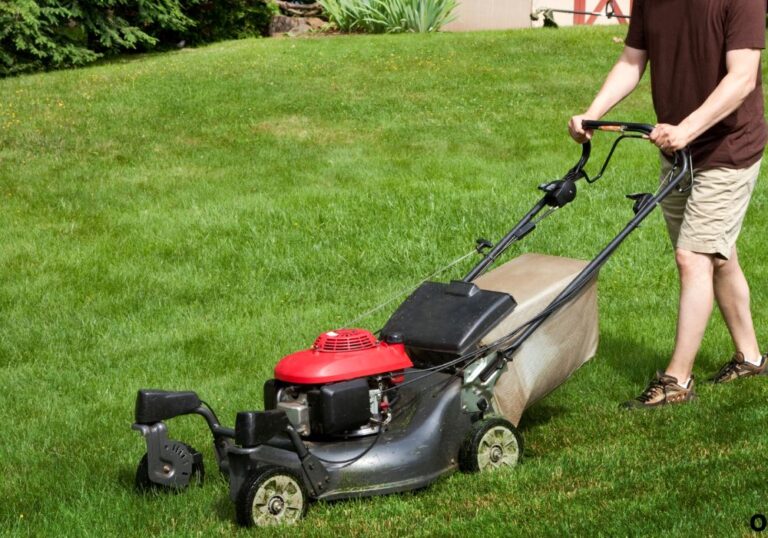
Start by holding a firm, balanced stance and maintaining a comfortable distance from the mower’s deck. Keep both hands on the handle at all times, and never attempt to adjust settings or remove debris while the engine is running.
Always push the mower forward rather than pulling it toward yourself. Pulling increases the risk of tripping and falling into the rotating blades.
Be mindful of your mowing pattern. For walk-behind mowers, move side to side across slopes to avoid slipping. For riding mowers, mow up and down the slope instead of across. Avoid mowing on wet grass or loose soil, as the mower can slide easily in these conditions.
Blade and Deck Maintenance Safety
Proper upkeep is a vital part of how to use a lawn mower safely and effectively. A well-maintained mower not only cuts better but also reduces the risk of accidents caused by malfunctioning parts or dull blades.
Regular inspection and cleaning of the deck, blades, and housing ensure consistent performance and long-term reliability.
Before starting any maintenance, always disconnect the spark plug on gas mowers or remove the battery on electric ones. This simple step prevents accidental startups that can cause serious injuries.
Once powered down, carefully tilt the mower to access the underside of the deck. Check the blades for nicks, bends, or dull edges. A damaged blade can vibrate excessively, strain the motor, and produce uneven cuts.
Sharpen the blades every 20 to 25 hours of use or twice per season to maintain efficiency. During sharpening or replacement, wear protective gloves to avoid cuts. After cleaning off any caked grass or debris from the deck, ensure all fasteners are tight and that blade rotation is smooth.
Lastly, verify that safety guards and discharge chutes are securely attached. These parts prevent debris from flying toward the operator or bystanders.
Maintaining your mower regularly doesn’t just improve performance—it’s one of the most effective ways to ensure year-round mowing safety.
Terrain, Slope, and Surface Risks
Even with preparation and focus, understanding terrain is an essential part of how to use a lawn mower safely.
The condition and slope of your lawn determine how stable the mower remains during operation and how efficiently it performs. Neglecting this factor is one of the main causes of rollovers, slips, and mower-related injuries every year.
Before mowing, take a few minutes to inspect the area. Identify steep slopes, uneven patches, or hidden obstacles like rocks and roots that can disrupt balance.
Always mow in dry conditions—wet or dew-covered grass can cause wheels to lose traction, increasing the risk of sliding or tipping, especially on inclines.
For walk-behind mowers, move side to side across the slope to maintain better footing. This technique distributes weight evenly and minimizes the chance of losing control.
For riding mowers, mow straight up and down the slope instead of across. This prevents lateral tipping, which is a leading cause of serious riding mower accidents.
Avoid mowing near drop-offs, ditches, or embankments, as even a slight misstep can cause the mower to tilt dangerously.
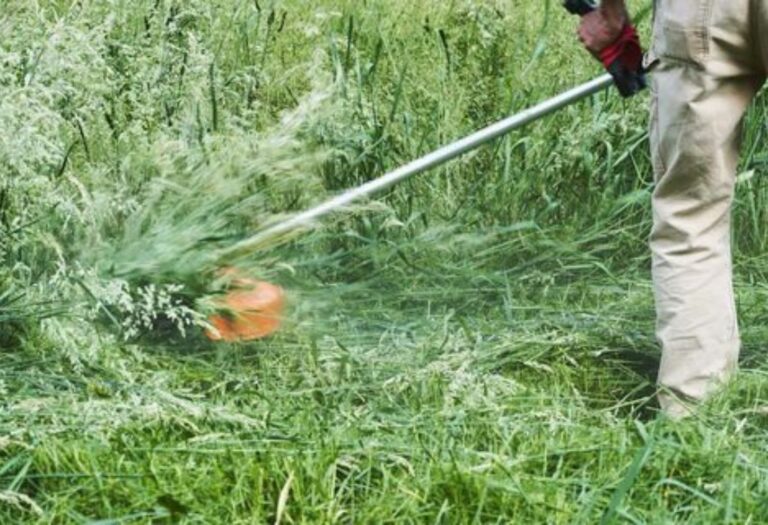
If a section of the lawn feels unstable, handle it with a trimmer instead. Recognizing terrain challenges early helps you maintain stability, control, and confidence on every pass.
Hearing, Visibility, and Environmental Hazards

Protecting your senses and surroundings is another crucial part of how to use a lawn mower safely.
Noise, poor visibility, and flying debris are often underestimated hazards that can cause lasting harm or lead to dangerous distractions during mowing. Addressing these factors ensures a safer and more comfortable mowing experience.
Lawn mowers are loud machines—most models produce between 85 and 95 decibels, which can damage hearing over time (source). Wearing hearing protection, such as earmuffs or foam plugs, helps reduce exposure to harmful noise levels.
Clear vision is equally important, so protective goggles should always be worn to guard against dust, grass particles, and small stones thrown by the blades.
Visibility is critical for preventing collisions and accidental injuries. Always mow during daylight hours or when lighting conditions are bright enough to see the entire area clearly.
Avoid operating the mower in fog, rain, or low-light conditions, as obstacles and uneven patches become harder to detect.
Before mowing, remove debris like sticks, rocks, or toys that could become projectiles once the blades start spinning. These objects can fly several feet at high speeds and injure bystanders or damage property.
By maintaining awareness of sound, sight, and surroundings, you ensure both your safety and that of everyone nearby.
Emergency Preparedness and Safe Shutdown
Even with perfect technique, unexpected situations can arise, which is why knowing how to use a lawn mower safely also means being ready for emergencies.
A well-prepared operator can prevent a small issue from turning into a serious accident simply by reacting calmly and correctly.
Always familiarize yourself with your mower’s emergency controls before starting. Know exactly how to stop the engine quickly and disengage the blades.
If the mower stalls, smokes, or starts vibrating unusually, turn it off immediately and wait for all moving parts to stop before inspecting it. Never try to fix a problem while the engine is running, even for a second.
If debris becomes stuck under the deck, disconnect the spark plug or remove the battery first. Use a stick or tool to remove the obstruction—never your hands. In case of a mower tip-over, shut off the power, slide away carefully, and assess any damage before restarting.
When refueling gas models, wait for the engine to cool completely to prevent fire hazards. For electric mowers, unplug cords safely and store them away from water. Keeping a small fire extinguisher or first-aid kit nearby adds another layer of protection.
Preparation doesn’t eliminate emergencies, but it ensures you’re in control when they happen—turning potential danger into manageable moments of safety and confidence.
Future Trends and Technology in Mower Safety
The future of mowing is becoming smarter, safer, and more efficient. As technology evolves, understanding how to use a lawn mower safely now includes taking advantage of new safety features designed to reduce human error and prevent accidents before they occur.
Modern mowers are increasingly equipped with Operator Presence Control (OPC) systems that automatically shut off the engine when the user releases the handle. This feature drastically reduces injuries caused by unattended or runaway mowers.
Many riding models now also include seat sensors that stop the blades instantly when the operator stands up.
Another growing trend is sensor-based detection in robotic and smart mowers. These systems use proximity and tilt sensors to detect obstacles, pets, or children, pausing operation automatically.
Some even connect to smartphone apps for remote monitoring, alerts, and shutoff capabilities, allowing greater control over safety from a distance.
Battery-powered mowers are also improving safety by eliminating flammable fuels and reducing vibration. They’re quieter, cleaner, and easier to start—minimizing risks related to manual ignition and fuel handling.
In the coming years, innovations like AI-assisted navigation, self-leveling decks, and automatic terrain recognition will further enhance safety and performance.
Embracing these advancements ensures that lawn care continues to become not only more convenient but significantly safer for homeowners and professionals alike.
Conclusion
Learning how to use a lawn mower safely is more than a precaution—it’s a responsibility that protects you, your family, and your property every time you mow.
Most lawn mower injuries happen because of small oversights, not complex mistakes, which means they can be prevented with simple awareness and good habits.
From wearing protective gear and inspecting equipment to mowing with care and preparing for emergencies, each safety step plays a vital role.
Practicing steady control, avoiding wet or uneven terrain, and maintaining sharp blades keep both the mower and the operator in top condition.
Safety doesn’t end when the mowing is done. Proper shutdown, fuel handling, and post-use cleaning ensure the machine is ready for the next session without risks.
As technology continues to advance, adopting modern features like automatic shutoffs and smart sensors only adds another layer of protection.
Ultimately, mowing safely is about consistency, not caution alone. The more you respect the machine and the environment you work in, the fewer chances there are for something to go wrong.
Follow these safety principles every time you mow, and you’ll enjoy a cleaner, smoother, and injury-free lawn care experience for years to come.

I’m Maya L. Greenwood, a lifelong plant lover who believes anyone can grow something beautiful with the right guidance. After years of testing soil mixes, pruning methods, irrigation tricks, and pest-safe solutions, I started EasyGardenTips.com to turn hard-won lessons into step-by-step advice. From seed starting and container gardens to composting and seasonal checklists, my goal is to make gardening simple, sustainable, and fun.