How to Install Weed Barrier in Garden the Right Way
Starting a garden is exciting, but many gardeners quickly discover that weeds can become the biggest obstacle to success.
No matter how carefully you prepare the soil or arrange your plants, invasive weeds seem to find their way back and steal vital nutrients, sunlight, and water from your plants. This struggle can leave you frustrated and spending more time pulling weeds than enjoying your garden.
A common solution is using a weed barrier, also known as landscape fabric or garden fabric. However, many people install it incorrectly or use poor-quality materials, which reduces its effectiveness and can even harm the soil over time.
This has created curiosity about whether weed barriers really work and, if so, how to install them properly for long-term results.
Learning how to install weed barrier in garden the right way not only reduces weed growth but also creates a clean, low-maintenance space where your plants can thrive. When installed correctly, barriers can last for years, saving both time and money on upkeep.
According to horticultural research, proper soil preparation before applying any fabric can cut weed problems by nearly 60% during the first growing season.
Another study highlights that overlapping sheets of landscape fabric by at least six inches improves overall weed suppression by more than 40%. These numbers prove that technique matters just as much as the material itself.
What Is a Weed Barrier?

A weed barrier is a physical layer placed on top of soil to prevent sunlight from reaching weed seeds. Without light, most seeds cannot germinate, which helps suppress unwanted growth around your desired plants. The most common type used in modern gardens is landscape fabric, also called weed barrier fabric or weed control fabric.
Landscape fabrics are typically made from woven polypropylene or polyester. These materials are designed to be durable while still allowing water and air to pass through.
Permeability is one of the most important features of a good weed barrier. If oxygen and moisture cannot penetrate the fabric, plant roots may suffocate and soil health will decline over time.
There are several types of fabric available. Woven fabrics are strong and ideal for areas with shrubs or trees where long-term durability is needed. Non-woven or spun fabrics are lighter and may break down faster, but they are easier to handle for smaller beds.
Perforated options have small holes punched throughout, making them suitable for vegetable gardens where frequent watering is necessary.
The barrier alone will not eliminate every weed, but it dramatically reduces the chances of new seeds sprouting. When combined with a top layer of mulch, weed control improves even more. Mulch not only shields the fabric from UV damage but also adds weight that helps keep it in place.
Why Soil Preparation Matters
One of the biggest mistakes gardeners make is skipping proper soil preparation before laying down a weed barrier.
If weeds and debris are left in the soil, they can eventually push through or create bumps under the fabric. This reduces the fabric’s contact with the soil and leaves gaps where weeds can thrive.
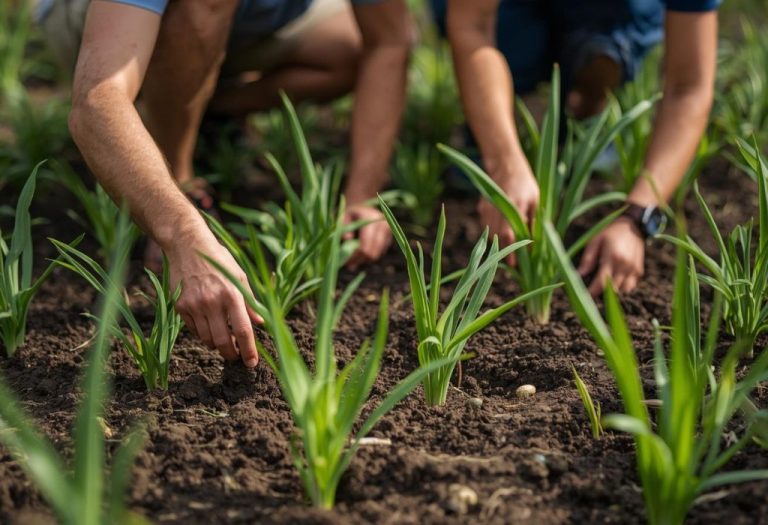
The first step is to remove all existing weeds, grass, or plant debris from the area. Pulling them by the root is critical because any fragments left behind may regrow.
Once the soil is cleared, rake the area to create a level surface. Uneven ground can cause water to pool in certain spots, which leads to fabric deterioration and encourages weeds to sprout along the seams.
This is also the best time to add soil amendments. Compost, organic matter, or slow-release fertilizers should be worked into the soil before installation.
After the barrier is in place, it becomes difficult to add nutrients directly to the soil because the fabric blocks access. Amending at this stage ensures that the soil remains fertile for your plants for years to come.
A smooth, well-prepared foundation allows the fabric to sit flush against the soil, which is essential for maximum weed suppression. Think of it as laying the groundwork for a long-lasting defense system that will protect your garden.
How to Install Weed Barrier in Garden the Right Way
Once your soil is properly prepared, you can begin installing the weed barrier. The process may sound simple, but details matter if you want to achieve lasting results.
Start by measuring the area you plan to cover. This step ensures that you purchase enough fabric to cover the entire surface with additional length for overlaps. A common recommendation is to add at least 6 to 12 inches of extra fabric on each side for adjustments and anchoring.
When rolling out the fabric, most products have a correct side to face downward. Many woven fabrics feature a fuzzy side that should be placed against the soil to create better grip and contact.
Roll the fabric across the bed, covering the entire area. For larger spaces, multiple sheets will be required. Overlap each piece by at least six inches—though twelve is better—to prevent weeds from sneaking through seams.
After placement, secure the fabric using landscape staples, garden pins, or metal U-shaped stakes. These should be driven into the soil every 10 to 12 inches along the edges and every few feet in the interior sections. The tighter the fabric is anchored, the less chance there is for it to shift or lift in the wind.
If you are planting directly through the fabric, cut holes where each plant will go. Instead of slicing an “X,” which leaves flaps that weeds can exploit, cut a neat circular opening just large enough for the plant’s rootball. This keeps the barrier tight around the plant while minimizing gaps.
Once the fabric is in place and secured, cover it with a 2- to 4-inch layer of organic mulch. Wood chips, bark, pine needles, or shredded leaves are all excellent choices. Mulch improves the overall appearance of the garden, protects the fabric from UV damage, and adds an extra layer of weed suppression.
When done properly, the barrier should be virtually invisible under mulch, creating a polished and weed-free garden bed.
Maintenance and Longevity
A well-installed weed barrier can last for years, but it still requires some care to maintain its effectiveness. Over time, dust, soil, and decomposing organic matter accumulate on top of the mulch and fabric.
This creates a thin layer where weed seeds can germinate. While the barrier prevents them from rooting deeply, small weeds may still sprout. Removing these immediately is essential to keep them from becoming established.
Mulch will also break down naturally over time. As it decomposes, it enriches the soil but also thins out, leaving the fabric exposed. Refreshing the mulch layer every season or two not only improves the look of your garden but also protects the barrier beneath.
Landscape fabric does not last forever. Depending on the type and quality, it can last anywhere from 5 to 20 years. High-quality woven fabrics are the most durable, while thinner non-woven options may need replacement sooner.
When you notice significant tears, degradation, or large areas where weeds are breaking through, it may be time to replace the fabric.
Regular checks throughout the growing season will help you catch issues early. A few minutes of monthly maintenance ensures that your weed barrier continues performing its job for the long term.
Alternatives and Enhancements

While landscape fabric is popular, it is not the only way to suppress weeds. Many gardeners are now turning to eco-friendly alternatives such as sheet mulching.
This method involves laying cardboard or several layers of newspaper directly on the soil, followed by a thick layer of organic mulch.The cardboard blocks light, smothers existing weeds, and gradually breaks down to enrich the soil.
Sheet mulching has the added benefit of improving soil health, as decomposing cardboard adds carbon to the soil. Unlike synthetic fabric, it does not need to be removed or replaced and poses no disposal challenges. However, it generally does not last as long as landscape fabric and may need to be replenished yearly.
Another alternative is using organic mulches alone, applied thickly enough to suppress weeds. Materials like shredded bark, straw, or pine needles can be effective if maintained regularly. Though they require more frequent replenishment, they provide ongoing nutrients to the soil.
For raised garden beds, some gardeners line the base with cardboard instead of fabric to block weeds from below while still allowing water drainage. This method is cost-effective and sustainable, making it a popular choice for those focused on organic gardening.
Additional Insights and Research Data
Studies show that weed barriers can dramatically reduce maintenance time in gardens and landscaping projects. For example, research conducted by horticultural extension programs indicates that mulching on top of landscape fabric extends its effectiveness by years compared to using fabric alone.
Another study highlights that sheet mulching with cardboard not only suppresses weeds effectively but also increases soil organic matter levels by measurable percentages within a single growing season.
The combination of landscape fabric and mulch remains one of the most reliable approaches for homeowners and professional landscapers seeking long-term weed control. However, the choice between fabric, cardboard, or organic mulch ultimately depends on your gardening goals and sustainability preferences.
Conclusion
Weeds are among the most persistent challenges gardeners face, but they do not have to dominate your outdoor space. Installing a weed barrier is one of the most effective strategies for creating a clean, low-maintenance garden.
Success depends on following the right steps: preparing the soil thoroughly, installing the fabric with careful overlaps, securing it tightly, cutting clean planting holes, and covering everything with a protective mulch layer.
Proper installation not only prevents weed growth but also promotes healthier plants by preserving soil moisture and reducing competition for nutrients.
While landscape fabric is highly effective, eco-friendly alternatives like cardboard sheet mulching provide sustainable options that improve soil quality over time.
Learning how to install weed barrier in garden the right way transforms your gardening experience. Instead of constant weeding, you’ll spend more time enjoying a tidy, productive, and attractive space. With the right approach, your garden can thrive with minimal effort and maximum results.

I’m Maya L. Greenwood, a lifelong plant lover who believes anyone can grow something beautiful with the right guidance. After years of testing soil mixes, pruning methods, irrigation tricks, and pest-safe solutions, I started EasyGardenTips.com to turn hard-won lessons into step-by-step advice. From seed starting and container gardens to composting and seasonal checklists, my goal is to make gardening simple, sustainable, and fun.