How to Get Rid of Vine Weed in Garden? Complete 2025 Guide
A gardener stepping into the backyard may discover vines creeping across flower beds, wrapping around vegetables, and choking young seedlings.
At first, the weeds look harmless with their fast-spreading green leaves, but within weeks they smother entire sections of the garden.
These invasive vines climb fences, strangle crops, and compete aggressively for sunlight, water, and nutrients.
Attempts to cut them back often fail, as the roots continue to push out new growth stronger than before.
According to the USDA, invasive weeds cost agriculture and ecosystems more than $26 billion annually, and vine weeds are a major contributor.
This staggering figure highlights why gardeners must act quickly and use the right techniques to protect their plants.
Understanding how to get rid of vine weed in the garden involves identifying species, removing them effectively, and preventing regrowth.
This guide covers manual, organic, chemical, and preventive methods to help you reclaim your garden from invasive vines.
Why Vine Weeds Are a Problem in Gardens

Vine weeds grow rapidly, using climbing and spreading stems to smother vegetables and flowers. Their fast growth overwhelms plants that cannot compete for sunlight.
Roots spread deep and wide, making removal difficult. Even small pieces left in the soil can regenerate.
They compete aggressively for water and nutrients, leaving crops stunted and unproductive. Their spreading habit often allows them to invade large sections quickly.
Some vines regenerate after cutting, meaning simple trimming rarely provides long-term control.
Why are vine weeds so invasive?
Because they spread by both roots and seeds.
Do they damage vegetables?
Yes, by choking and shading them.
Can vines kill trees?
Yes, large vines can strangle trunks.
Do vine weeds grow back?
Yes, even from small root fragments.
Why are they harder to kill?
Because they regrow from deep roots.
Identifying Common Vine Weeds
Morning glory is a common vine with heart-shaped leaves and purple flowers that quickly overtakes fences and beds. Bindweed is another notorious invader with white blooms and deep roots.
Kudzu, sometimes called “the vine that ate the South,” spreads aggressively and can smother entire trees. Creeping Charlie, also known as ground ivy, spreads low and creates mats across lawns and beds.
Annual vines sprout quickly and die back in winter but often leave seeds that germinate the following year. Perennial vines survive year after year through extensive root systems.
Early identification is crucial, as younger vines are easier to control before they establish.
What vine weeds are common?
Morning glory, bindweed, kudzu, creeping Charlie.
Is bindweed hard to kill?
Yes, because of deep roots.
What is creeping Charlie?
A ground-covering vine weed.
Is kudzu dangerous?
Yes, it smothers trees and crops.
Can vine weeds be identified young?
Yes, early spotting makes removal easier.
Manual Removal of Vine Weeds
Pulling vine weeds by hand works best when soil is moist, as roots release more easily. Carefully remove entire roots to prevent regrowth.
Cutting vines close to the ground weakens them, but repeated cutting is needed to starve roots. A single trim rarely eliminates them permanently.
Using a hoe or spade allows deeper removal of stubborn root systems. Garden forks are effective for loosening compacted soil around vine clusters.
Persistence is key, as vines often reappear and require multiple removal attempts over the season.
Can I pull vine weeds by hand?
Yes, especially in moist soil.
Do I need to dig out roots?
Yes, to prevent regrowth.
Does cutting stop vines?
No, they usually regrow.
How often to remove regrowth?
Weekly checks are best.
Are tools better than hands?
Yes, for deep-rooted vines.
Organic and Natural Ways to Kill Vine Weeds
Smothering vine patches with cardboard, newspaper, or thick mulch blocks sunlight and weakens growth. Over several weeks, vines starve and die.
Sprays made from vinegar or salt damage leaves, though repeated applications are required. Use sparingly to avoid harming soil and nearby plants.
Boiling water is another natural option for small infestations. It kills surface growth instantly but must be poured carefully.
Planting dense ground covers or cover crops reduces vine spread by outcompeting weeds for space.
Does vinegar kill vine weeds?
Yes, with repeated spraying.
Is salt safe for soil?
No, use cautiously to avoid damage.
Does boiling water work?
Yes, for small vine patches.
Can mulch smother vines?
Yes, it blocks light and air.
Do cover crops help?
Yes, they reduce weed spread.
Using Chemical Herbicides on Vine Weeds
Systemic herbicides penetrate leaves and travel to the roots, killing vines more effectively. They are necessary for stubborn perennials like bindweed and kudzu.
Glyphosate-based sprays are strong but non-selective, meaning they kill any vegetation they touch. Apply carefully to avoid damaging desired plants.
Herbicides work best during active growth when vines transport nutrients and chemicals downward. Application during dormancy may have little effect.
Always follow label instructions and wear protective gear when applying chemical solutions.
What chemical kills vine weeds?
Systemic herbicides.
Does glyphosate work on vines?
Yes, but it kills everything.
Are chemicals safe in vegetable gardens?
Only with extreme caution.
When should herbicides be applied?
During active growth.
Do they kill roots permanently?
Yes, if applied correctly.
Preventing Vine Weeds From Returning
Regular weeding stops vines before they set seeds. Early removal is easier and prevents spread.
Mulching garden beds creates a protective layer that reduces weed germination. Organic mulches also enrich soil over time.
Crop rotation and dense planting strategies leave less room for vine weeds to establish. Healthy crops crowd out invaders naturally.
Edge maintenance along fences and borders prevents vines from creeping into garden beds.
How to stop vine weeds long-term?
By combining multiple methods.
Do mulches prevent regrowth?
Yes, when applied thickly.
Does rotation help?
Yes, it disrupts life cycles.
Where do vines spread from?
Seeds and creeping roots.
Do fences attract climbing weeds?
Yes, they provide support.
Protecting Plants While Removing Vine Weeds

Pulling vines too aggressively can harm fragile crops, so handle carefully near vegetables and flowers. Always protect roots and stems.
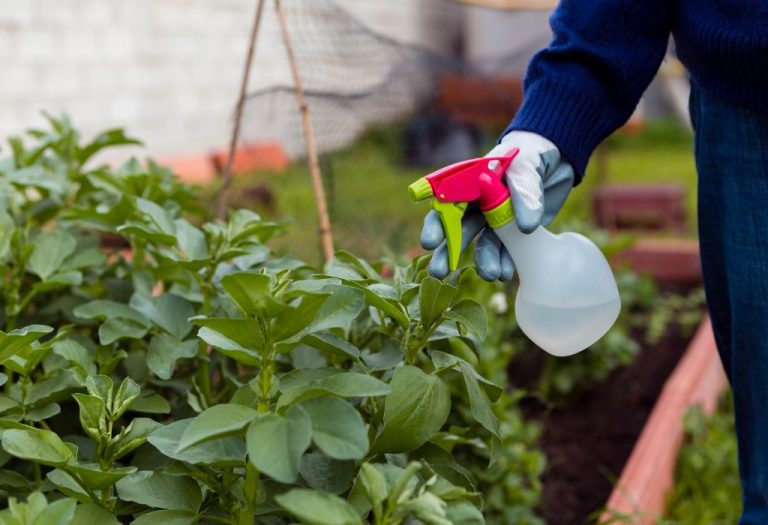
When using herbicides, shield desired plants with barriers or apply with a brush instead of spraying. Spot treatment reduces collateral damage.
Hand-pulling around young seedlings is safer than cutting or spraying. Early weeding prevents vines from strangling tender plants.
Selective removal techniques ensure garden health while eliminating invasive weeds.
Can I remove vines without harming crops?
Yes, use hand-pulling near them.
Do sprays kill vegetables too?
Yes, unless applied carefully.
Is hand-pulling safer for seedlings?
Yes, it avoids chemical damage.
How to protect flowers from vine weeds?
Use barriers during removal.
Can vines be composted after removal?
No, they may regrow in compost.
Conclusion
Vine weeds are invasive, fast-growing, and damaging to gardens when left unchecked. They strangle plants, steal nutrients, and spread rapidly.
Manual removal, organic sprays, and chemical herbicides all provide effective ways to get rid of vine weeds. Each method has strengths depending on garden size and weed type.
Preventive strategies such as mulching, soil improvement, and early removal reduce long-term infestations. Healthy, well-maintained gardens are less vulnerable to invasive vines.
Final advice: treat vine weeds as a long-term battle, and use consistent strategies to keep your garden free and thriving in 2025.

I’m Maya L. Greenwood, a lifelong plant lover who believes anyone can grow something beautiful with the right guidance. After years of testing soil mixes, pruning methods, irrigation tricks, and pest-safe solutions, I started EasyGardenTips.com to turn hard-won lessons into step-by-step advice. From seed starting and container gardens to composting and seasonal checklists, my goal is to make gardening simple, sustainable, and fun.