Grow Tent Power Needs Explained for Successful Cultivation
Setting up a grow tent can be an exciting project, but many new growers find themselves puzzled by grow tent power requirements. It’s a common stumbling block! Figuring out how much power your tent needs can seem tricky. Don’t worry, though. This guide makes it simple, providing a step-by-step approach to help you ensure your plants thrive. We will start with the basics and cover everything you need to know. Get ready to explore the details!
What Exactly Impacts Grow Tent Power Use?
The amount of power your grow tent uses isn’t just a random number. Several factors directly impact how much electricity your setup consumes. Lighting is a significant player, with different types of grow lights having varying power demands. Ventilation systems, responsible for air circulation and temperature regulation, also contribute to the overall power consumption. Other equipment, like fans and humidifiers, add to the total load. Knowing what devices you plan to use is important to calculate accurately. Getting a good grasp on this will help you avoid electrical issues.
Lights: The Brightest Power Consumers
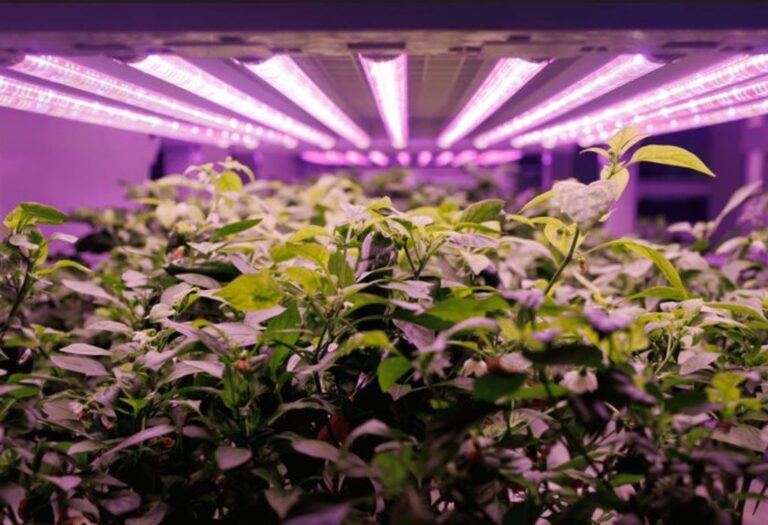
Grow lights are the workhorses of a grow tent, providing the essential energy for photosynthesis. Different light technologies, such as LED, HID (High-Intensity Discharge), and fluorescent, have varying power demands and efficiencies. LED lights have grown in popularity for their energy efficiency and long lifespan. HID lights, including metal halide and high-pressure sodium, typically consume more power. Fluorescent lights, like T5 bulbs, are a more budget-friendly option, but they generally provide less light output per watt. The type and number of lights you choose have a large impact on your grow tent’s power consumption. Choosing the right lights for your specific needs will significantly influence your energy bill and your plants’ growth.
-
- LED Grow Lights: These lights are the modern choice, offering high efficiency. They convert a larger percentage of electricity into light, producing less heat than older technologies. LED lights are available in various spectrums, allowing you to tailor the light to different growth phases of your plants. For instance, blue light is good for vegetative growth and red light is useful for flowering.
LED grow lights can also be more expensive to purchase initially, but their long lifespan and lower energy costs often offset the higher upfront investment. Also, the heat they produce can be easier to manage than that of other light types.
-
- HID Grow Lights: Traditional HID lights have been a staple in the grow tent industry for many years. Metal halide lights are often used for the vegetative stage, while high-pressure sodium lights are used for the flowering stage. These lights are very powerful, providing intense light, but they also generate a significant amount of heat.
This heat requires more robust ventilation systems, which also consumes more power. They have a shorter lifespan compared to LEDs and can be less efficient in terms of converting electricity into usable light for plants. Replacing bulbs is another cost to consider. Although HID lights may be cheaper initially, the increased running costs make them less attractive than LEDs for many growers.
-
- Fluorescent Grow Lights: Fluorescent lights, like T5 or T8 bulbs, are often chosen by beginner growers because they are inexpensive to purchase. These lights are ideal for starting seedlings or for plants that require less intense light. Fluorescent lights are less efficient than LEDs, converting a smaller portion of electricity into light.
They generate less heat than HID lights, requiring a smaller ventilation system. However, they may not provide sufficient light for flowering. Fluorescent lights are a good choice for those starting with a small grow setup, or who have specific lighting needs that don’t need intense illumination.
Ventilation Systems: Breathing Life Into Your Grow
Ventilation is vital for a grow tent’s health, maintaining optimal temperature, and humidity levels while providing fresh air. The size of your tent and the type of grow lights you use largely determine the type and size of the ventilation system you need. A well-designed system will keep the air moving, removing excess heat and moisture that could lead to mold or other problems. Inadequate ventilation can hinder plant growth and even cause the failure of the entire project. Proper ventilation is vital for maintaining a healthy environment for your plants. It’s important to find a balance between airflow and energy consumption.
-
- Inline Fans: Inline fans are popular choices for grow tents, as they are strong and efficient. They are installed inline with ducting, either exhausting air out of the tent or pulling fresh air in. The size of the fan you need will depend on the size of your tent and the heat output of your lights.
Inline fans offer adjustable speeds, allowing you to control the airflow. They are usually more powerful than clip-on fans, and can be quieter depending on the model. Consider an inline fan with a carbon filter to remove odors and unwanted particles.
-
- Exhaust Fans and Intake Fans: An exhaust fan pulls hot air out of the tent, while an intake fan brings in fresh air. These fans work together to create a continuous airflow, ensuring that the grow tent’s environment is always fresh. Some growers use only an exhaust fan, allowing fresh air to enter through passive intake vents.
However, using both an exhaust and an intake fan will give you better control over the airflow and create a more efficient system. Make sure both fans have the correct CFM (cubic feet per minute) rating that’s suitable for your tent’s dimensions.
-
- Clip-On Fans: These are usually smaller fans and are attached inside the tent to circulate the air and prevent stagnant pockets. They are less powerful than inline fans but can be vital for moving air around the plants, aiding in disease prevention.
Clip-on fans are useful for maintaining a consistent temperature and humidity level throughout the tent. They also help strengthen plant stems by simulating wind, which makes them sturdier. They consume less power compared to other ventilation options.
Other Electrical Devices in Your Tent
Beyond lights and ventilation, other electrical devices add to the overall power requirements of your grow tent. These devices include water pumps for hydroponic systems, humidifiers and dehumidifiers to regulate humidity, and heating pads for seedlings. Each of these items pulls additional power. Understanding the energy consumption of these devices is essential for a thorough calculation of your grow tent’s overall power needs. It is key to make the entire setup safe and efficient.
-
- Water Pumps: If you are using a hydroponic system, you’ll need a water pump to circulate the nutrient solution. The size of the pump depends on the system’s design and volume. Generally, water pumps consume less power than lights or ventilation systems.
However, it is vital to know the power requirements of the pump to include it in your overall calculations. A pump that is the correct size will contribute to healthy plant growth without wasting any electricity.
-
- Humidifiers and Dehumidifiers: These devices are used to control the humidity levels within your grow tent. Humidifiers add moisture, while dehumidifiers remove excess moisture. Both can consume a significant amount of power, particularly dehumidifiers in larger setups.
The type of device you need will depend on your local environment and the needs of your plants. Make sure to size the humidifier or dehumidifier to your tent’s volume to maintain a stable environment. Excessive use can increase your electric bill.
-
- Heating Pads: If you are starting seedlings, a heating pad can help maintain the perfect root zone temperature. These consume relatively little power, but you should still consider them when figuring out your total power requirements.
Heating pads are great for providing consistent warmth to the seedlings, especially during colder months. They provide a safe and effective way to give seedlings the heat they need to thrive. Make sure to choose a heating pad sized for your grow tent setup.
Calculating Your Grow Tent Power Usage

Accurately calculating your grow tent’s power usage requires a systematic approach. You’ll need to know the wattage of each electrical device and the amount of time each device operates. With this information, you can determine your daily, monthly, and yearly power consumption. This calculation is crucial for managing your energy costs and ensuring you don’t overload your electrical circuits. Careful planning at this stage will save you from unexpected electrical problems.
Finding the Wattage of Your Devices
The first step in calculating power usage is to determine the wattage of each electrical device in your grow tent. Wattage is usually listed on the device itself, either on a sticker or the product packaging. Look for a label that says “wattage,” “watts,” or “W.” If the wattage isn’t listed, you can often find it in the device’s user manual or online product information. Knowing the exact wattage of each device is essential for accurate calculations. This information is needed to understand the energy consumption of your setup. The more accurate your figures are, the more effective your planning will be.
-
- Check the Device’s Label: Most electrical devices have a label that indicates their power consumption in watts. This information is a direct measure of the amount of electricity the device needs to operate.
You’ll typically find this label on the back or bottom of the device or on a separate power adapter. Always confirm that the label is readable and that the wattage figure is clear.
-
- Consult the User Manual: If you cannot find the wattage on the device, consult the user manual. The user manual often provides complete technical specifications, including the device’s wattage.
These manuals are a great source of information for all kinds of details about the device’s operation. Make sure to keep the user manuals for all your equipment in a secure and accessible location.
-
- Search Online: If you have lost the user manual, or the label is unreadable, you can search for the device model number online. Search on the manufacturer’s website or other retailers’ websites.
Many websites provide detailed specifications and the wattage of various electrical devices. Online resources are very helpful when you need information about a product, and you can’t readily find it anywhere else.
Calculating Daily Power Consumption
Once you have the wattage of each device, you can calculate your daily power consumption. The calculation involves multiplying the wattage of each device by the number of hours it runs per day. Add the total power consumption of each device to find the overall daily energy use. This process provides a clear picture of how much electricity your grow tent consumes daily. Keeping track of this number allows you to adjust your setup to make it more energy-efficient. You can improve your setup by implementing new controls and reducing energy wastage.
-
- Determine Run Time: For each device, determine how many hours it runs per day. Some devices, such as lights, may run for a set number of hours. Others, like fans or humidifiers, may run intermittently.
Carefully note the run time for each device to get an accurate estimate of your energy use. This step is a critical component of energy consumption calculations.
-
- Multiply Wattage by Run Time: Multiply the wattage of each device by its daily run time. This calculation will give you the daily energy consumption in watt-hours (Wh). For instance, a 100-watt light running for 12 hours consumes 1200 Wh per day.
Make sure you do the multiplication for all the devices in your setup. These individual calculations will then be included in the total consumption calculation.
-
- Sum Up the Daily Energy Use: Add the daily energy consumption of all the devices together. This sum represents the total daily energy use of your grow tent in watt-hours (Wh). For example, if your lights use 1200 Wh, your fan uses 150 Wh, and your pump uses 50 Wh per day, your total daily energy use is 1400 Wh.
This total is the key to understanding the energy requirements of your grow operation. Use this number to make decisions on how to improve its efficiency.
Monthly and Yearly Power Consumption
To determine your monthly and yearly power consumption, you can multiply your daily usage by the number of days in each period. This helps you estimate your energy costs and identify areas where you can conserve energy. Monthly and yearly consumption figures help with your budgeting. They provide a more comprehensive view of your power needs, allowing you to fine-tune your grow setup for maximum efficiency and savings. You will be better prepared to adjust consumption as needed.
Monthly Calculation:
Multiply the daily power consumption in Wh by the number of days in a month. For example, if your daily consumption is 1400 Wh, your monthly consumption is 1400 Wh/day * 30 days = 42,000 Wh (or 42 kWh).
Yearly Calculation:
Multiply the daily power consumption in Wh by 365 days. For example, if your daily consumption is 1400 Wh, your yearly consumption is 1400 Wh/day * 365 days = 511,000 Wh (or 511 kWh).
With these numbers, you can determine how much you will pay based on your utility’s rates. Knowing your monthly and yearly consumption allows you to plan your budget efficiently.
Grow Tent Electrical Safety
Safety should be your top priority when setting up a grow tent. Electrical hazards can lead to significant problems. Overloading circuits and improperly managing wiring are dangerous practices. Following electrical safety guidelines can protect you and your plants from harm. Regular inspections and proper setup practices are essential for a safe and successful cultivation environment.
Understanding Electrical Circuits
Electrical circuits are the pathways through which electricity flows. It’s essential to understand the basics of circuits to avoid overloading them. Each circuit has a limited capacity, or a maximum amount of current (measured in amps) it can safely handle. Exceeding this limit causes a circuit overload. Overloads are a major fire hazard. Learning about circuits lets you know how much power you can safely use in your grow tent. It will protect you from hazardous situations.
-
- Circuit Breakers: Circuit breakers are safety devices designed to protect electrical circuits from overloads. They sense the flow of current. If the current exceeds the circuit’s capacity, the breaker automatically trips, cutting off the power supply.
Know the amperage rating of your circuits and ensure that the total amperage of all devices plugged into a circuit does not exceed this rating. Regularly check your circuit breakers for signs of wear or damage and replace any faulty breakers. A functional circuit breaker is critical for your safety.
-
- Outlets and Wiring: The outlets and wiring in your grow tent must be able to handle the power demands of your equipment. Using outlets and extension cords that are not rated for the power draw of your devices can be dangerous.
Check the amperage rating of outlets and extension cords. Use heavy-duty, grounded extension cords rated for outdoor use, if necessary. Never overload an outlet or extension cord. Proper wiring and the use of the right components minimize the risks of fires and electrical shocks.
-
- Amperage vs. Wattage: Amperage (amps) is the measure of electrical current. Wattage (watts) is a measure of the power used. To calculate the amperage your devices will draw, divide the total wattage by the voltage (usually 120V in the US).
For example, if your grow tent uses 1000 watts, the current draw is 1000W / 120V = 8.33 amps. Make sure your circuits and wiring can handle the calculated amperage. Always err on the side of caution. Consider the safe amount for your grow tent, not the maximum amount.
Preventing Overloads and Fire Hazards
Overloading electrical circuits is a common cause of electrical fires. You can prevent this by carefully assessing the power needs of your equipment and ensuring that your circuits and wiring can handle the load. Proper wiring practices, including the use of high-quality extension cords and the avoidance of daisy-chaining multiple cords, are also essential. Regular inspections can identify any potential hazards before they escalate. With these strategies, you can minimize the risk of fire and ensure the safety of your grow operation.
-
- Calculate Total Wattage: Add up the wattage of all devices plugged into a single circuit to ensure you don’t exceed the circuit’s capacity. If the total wattage is too high, you must redistribute your devices across multiple circuits.
Always verify the circuit’s amperage rating before connecting any devices. It’s always best to be conservative when calculating the load. You want to make sure your circuits are never overburdened.
-
- Use Properly Rated Extension Cords: Use heavy-duty extension cords that are rated for the wattage and amperage of your devices. Ensure the extension cord is in good condition, with no fraying or damage.
Avoid using lightweight or damaged extension cords, which can overheat and become a fire hazard. Use the right type of cord for the job. Extension cords provide flexibility but must be used carefully.
-
- Inspect Your Wiring Regularly: Check your wiring and outlets frequently for any signs of wear, damage, or loose connections. Look for any exposed wires or frayed cords. Replace any damaged components immediately.
Regular visual inspections of your electrical components are essential for preventing electrical problems. Taking care of your setup is the best way to safeguard it. Any issues should be taken care of immediately.
-
- Avoid Daisy-Chaining: Avoid plugging multiple extension cords into each other (daisy-chaining). This practice can overload the circuits and is a safety hazard. Always plug devices directly into the wall outlets or a single, properly rated extension cord.
Daisy-chaining increases the risk of overload and should always be avoided. Use multiple outlets where necessary, or install additional circuits if your power requirements are high.
Grounding and GFCI Protection
Grounding and Ground Fault Circuit Interrupters (GFCIs) are important safety features that protect against electrical shock. Grounding provides a path for electricity to flow in case of a fault, while GFCIs quickly cut off power in the event of a ground fault. Making sure your grow tent has these safety features significantly reduces the risk of electrical accidents. By incorporating these safety measures, you can create a safer growing environment.
-
- Grounding: All electrical equipment in your grow tent should be properly grounded. Grounding involves providing a low-resistance path for electricity to flow back to the source in case of a fault. This prevents electrical shocks.
Most electrical devices come with a three-prong plug that connects to a grounded outlet. Make sure all your outlets are properly grounded. If you are uncertain, consult a qualified electrician.
-
- GFCI Outlets: GFCI outlets are designed to detect ground faults and immediately cut off the power supply. They are required in areas where moisture is likely. In the case of grow tents, this can be important because of the presence of water and humidity.
Install GFCI outlets near your grow tent. These can save your life in an emergency. These outlets monitor the flow of electricity and quickly shut off the power to prevent serious injuries.
-
- Professional Inspection: Periodically have a qualified electrician inspect your grow tent’s electrical setup. A professional can identify any potential hazards and ensure that your system meets all safety standards.
A professional inspection provides an extra layer of protection. They can correct any issues and ensure the safety of your setup. This is a very good investment in your well-being.
Optimizing Power Usage in Your Grow Tent
Energy efficiency is an important aspect of managing your grow tent. You can reduce your energy costs and minimize your environmental impact by selecting energy-efficient equipment, adjusting your growing practices, and using timers to control your devices. This will lead to lower energy bills and a more sustainable operation. Energy-saving strategies will benefit your wallet and the environment.
Choosing Energy-Efficient Equipment
The choice of equipment has a major impact on your energy usage. When purchasing new equipment, select energy-efficient models. LED grow lights are much more efficient than traditional HID lights, using less electricity to produce the same light output. Consider the Energy Star ratings. Investing in energy-efficient equipment can save you money over the long term. Choose your equipment carefully to minimize your energy bills.
-
- LED Grow Lights: As mentioned before, LEDs are highly efficient, converting a large percentage of electricity into light. They consume less power and produce less heat compared to traditional grow lights.
LEDs typically have a longer lifespan, reducing the need for replacements. They offer improved control over the light spectrum, allowing you to tailor lighting for various growth stages.
-
- Energy-Efficient Fans: Choose fans with high CFM ratings. These move more air while consuming less energy. Consider fans with variable speed settings to adjust airflow.
Fans with energy-saving motors can further lower your energy consumption. Make sure to match the fan size to the size of your grow tent. This ensures efficiency.
-
- Timers and Smart Plugs: Use timers or smart plugs to control your lights, fans, and other devices. This helps you to automate the operation of your equipment, preventing unnecessary energy use.
Smart plugs can also let you monitor and manage energy consumption remotely. Timers will turn devices on and off, optimizing your energy usage. Using these devices saves power and reduces costs.
Optimizing Your Growing Practices
The way you manage your grow tent can also affect your energy consumption. Ensure you only use lighting during the necessary hours. Proper ventilation and temperature management can also reduce energy needs. Making adjustments to your growing practices will help maximize efficiency. Implement energy-saving methods to make your setup cost-effective and environmentally friendly.
-
- Light Scheduling: Adjust your light schedule according to your plants’ needs. Most plants require 12 hours of light and 12 hours of darkness for flowering. During the vegetative stage, plants often need 18 hours of light.
Use timers to automate your light schedule. Be sure to consider your plants’ requirements and adjust your schedule accordingly. This will reduce energy consumption and boost plant health.
-
- Ventilation Optimization: Use ventilation only when necessary, and ensure that your exhaust fan isn’t running at full speed. Proper airflow and temperature management are important for plant health.
Make sure the ventilation system is sized correctly. A well-designed system can reduce the need for excessive energy consumption. Effective ventilation prevents heat and moisture buildup. Adjusting your ventilation can help maintain the perfect growing environment.
-
- Temperature and Humidity Control: Maintaining the right temperature and humidity levels within your grow tent can prevent the need for excessive use of humidifiers or dehumidifiers. Insulate your grow tent to maintain a stable temperature.
Proper environmental control helps optimize plant growth and reduces energy consumption. Monitor the conditions inside your grow tent regularly. Adjust as necessary to create the best growing conditions. A balanced environment helps prevent excess equipment use.
Using Timers and Monitoring Power Consumption
Timers and power meters are useful tools for managing your energy use. Timers automate the operation of your equipment, while power meters can monitor exactly how much power your devices are using. Using these tools gives you greater control over your grow tent’s power consumption. They help you develop energy-efficient practices that will maximize savings.
-
- Timers: Use timers to control your lights, fans, and other equipment. Timers automatically turn devices on and off according to a set schedule. You can prevent lights and other devices from running unnecessarily.
Timers reduce energy waste and save you time. Choose a timer that is appropriate for the equipment you are controlling. There are many options, from simple mechanical timers to smart digital timers.
-
- Power Meters: Use a power meter to track the energy consumption of individual devices or the entire grow tent setup. These meters measure the watts, kilowatt-hours, and other electrical parameters. This lets you to identify which devices consume the most energy.
Power meters provide real-time data and can help you make informed decisions about your setup. This information will help you identify areas where you can reduce energy use. These meters can show you how much your setup is costing you.
-
- Smart Plugs and Systems: Consider using smart plugs and monitoring systems that offer remote control and data monitoring. These systems provide information and allow you to adjust your setup.
They can also send notifications if energy usage exceeds certain limits. These systems provide detailed insights into your grow tent’s energy use. Use these advanced options for better control and efficiency.
Frequently Asked Questions
Question: What is the most significant power consumer in a grow tent?
Answer: The grow lights are typically the biggest power consumer in a grow tent, as they are essential for providing the necessary energy for photosynthesis. This is closely followed by the ventilation system, especially if it includes powerful fans and other temperature control equipment.
Question: How do I know if my grow tent is drawing too much power?
Answer: If you notice your circuit breaker tripping frequently or your extension cords becoming hot, you might be exceeding the circuit’s capacity. Using a power meter can help you monitor your total energy usage. You must verify the circuit’s amp rating to make sure it can supply the needed power.
Question: What’s the difference between wattage and amperage in grow tent power?
Answer: Wattage measures power consumption, telling you how much energy a device uses. Amperage measures the electric current flowing through a circuit. You can determine the current draw (amps) by dividing the total wattage of the devices by the voltage (usually 120V in the US). This calculation is essential to ensure that your circuits and wiring can handle the load safely.
Question: Can I use regular extension cords in my grow tent?
Answer: No, it’s generally not safe. You should use heavy-duty extension cords, especially those rated for outdoor use, to handle the power demands of grow tent equipment. Standard extension cords may overheat and cause a fire hazard.
Question: What type of lights is the most energy-efficient for a grow tent?
Answer: LED grow lights are generally the most energy-efficient option. They convert a higher percentage of electricity into usable light for plants, producing less heat than traditional HID lights, which also helps reduce the need for strong ventilation and lowers your energy costs over time.
Final Thoughts
Understanding and managing grow tent power requirements is a key part of setting up and operating a successful cultivation project. This covers the different factors that affect power usage, from the type of grow lights you choose to the ventilation and other devices you include in your setup. By understanding how to calculate your power consumption, you can plan your electrical setup, avoid overload, and ensure the safety of your setup. This helps you to manage energy costs and reduce your environmental impact. Start today by making a detailed plan of your grow tent, including a list of every electrical device you will use. Calculate the power requirements to ensure that your electrical systems are safe and efficient. This will give you a successful and sustainable growing experience. Growing is not just a hobby, it is a journey!