5 Best Pine Bark Mulch for Acid Loving Plants and Beds
Buy the wrong pine bark mulch and you may end up with tiny pieces scattered across a wide bed, oversized nuggets crowding a small pot, or too little material to cover the soil. A poor size match can mean extra watering, more weeds, a messy finish, and another trip to the garden center before the season is over.
The right choice comes down to piece size, bag volume, and where you plan to spread the bark. Small pieces fit pots and bonsai better, while larger bags and nuggets make more sense around trees, shrubs, and broad beds.
Here’s what this guide will help you sort out:
- Which bark size fits containers, orchids, beds, and landscape borders.
- How much coverage you can reasonably expect from quarts and cubic feet.
- How to spread, water, and refresh bark without burying plant stems.
- Which features matter for moisture control, drainage, weeds, and a tidy finish.
Quick Picks
-
Best For Containers and Terrariums

Soil Sunrise 100% Natural Pine Bark Mulch
Half-inch pine bark pieces support drainage and moisture retention for houseplants, terrariums, bonsai, and small garden projects.
-
Best For Large Garden Beds

OLDCASTLE Lawn & Garden 52058067 Pine Spruce
A 2-cubic-foot aromatic blend helps cover larger beds while retaining moisture around outdoor plants.
Top 5 Pine Bark Mulches at a Glance
Soil Sunrise is the most flexible choice for containers and indoor planting projects, while Oldcastle and CountryMax are better suited to larger outdoor areas. The main difference across the group is scale: the smaller bags offer more control in pots, and the 2-cubic-foot options make bed coverage easier.
| Product image | Product name | Check product |
|---|---|---|
| 1 |
Soil Sunrise 100% Natural Pine Bark Mulch | Check Price |
| 2 |
OLDCASTLE Lawn & Garden 52058067 Pine Spruce | Check Price |
3 |
100% Natural Pine Bark Mulch Nuggets (8 | Check Price |
4 |
Legigo 2 Quarts Organic Orchid Bark, Orchid | Check Price |
5 |
CountryMax 2 Cu. Ft. Pine Bark Nuggets | Check Price |
[Application comparison table appears here.]
5 Best Pine Bark Mulches: Detailed Reviews
When I chose the best pine bark mulch, I paid attention to piece size, bag volume, stated uses, and what each option does with moisture and drainage. Those details help prevent a common beginner mistake: using landscape-size bark in a small pot or trying to cover a wide bed with a tiny bag.
I kept the group varied so you can match the bark to a real project instead of forcing every gardener into the same bag. Side-by-side, the choices show the trade-off between small, controlled pieces for containers and larger quantities for trees, shrubs, flower beds, and garden borders.
1. Soil Sunrise 100% Natural Pine Bark Mulch
Half-inch pine bark pieces support drainage and moisture retention for houseplants, terrariums, bonsai, and small garden projects.
- ColorBrown
- Size30 Quarts
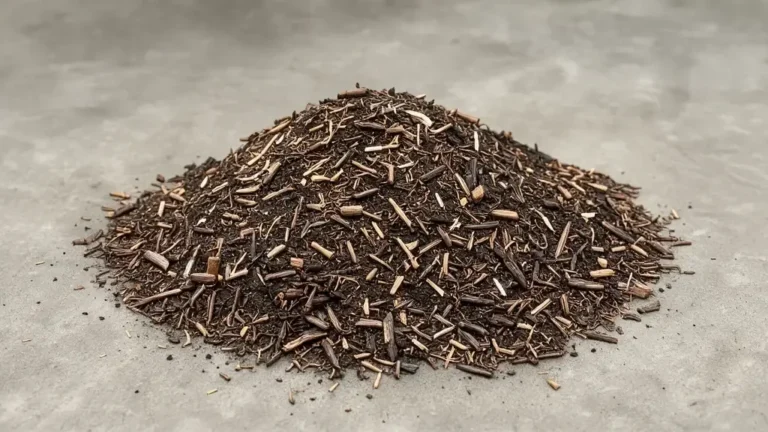
- Piece Sizeaverage size 1/2-inch pieces
- Number Of Items1
Soil Sunrise Pine Bark is a small-piece mulch for houseplants, terrariums, bonsai, containers, and selected outdoor planting jobs.
Small pieces for controlled coverage
The bark uses average 1/2-inch pieces, which are small enough to spread around the surface of a pot without looking like chunks of tree bark landed there by accident. Smaller pieces can also settle into narrow spaces around stems and decorative containers.
That size helps when you want a neat top layer rather than broad landscape coverage. The bark can improve the look of exposed potting soil and may help slow moisture loss, though the thickness of the layer and the plant’s watering needs still matter.
A useful 30-quart amount
The 30-quart size gives you more working material than a small container bag while staying easier to manage than a full landscape load. The amount suits several indoor projects, a collection of pots, or smaller outdoor areas where you want to control placement.
The feature list also names drainage, water retention, soil supplementation, and a soil barrier among the uses. Those descriptions make Soil Sunrise Pine Bark flexible, but bark alone is not a complete potting mix for every plant.
What to watch
The smaller pieces may not be the best visual match for a large bed where you want bold nuggets and fewer gaps. Soil Sunrise Pine Bark also has no stated coverage area, so measure your space before assuming 30 quarts will finish the whole project.
Pros:
- Half-inch pieces, neat coverage around pots and small plants.
- 30-quart size, useful for several indoor projects.
- Pine bark material, natural-looking surface for containers.
- No added fertilizers or pesticides, simpler ingredient profile.
- Listed for terrariums and bonsai, flexible for specialty planting.
Cons:
- Small pieces may not suit broad landscape beds.
- Coverage area is not listed, so planning takes some measuring.
- Bark mulch should not replace a plant-specific potting mix.
Buy it if: you need bark for containers, terrariums, or several small planting projects, because the 1/2-inch pieces are easier to place neatly.
Skip it if: you need large nuggets for a wide landscape bed, because a bulkier outdoor mulch would suit that job better. For another fit, consider Oldcastle or Natural.
I’d pick Soil Sunrise Pine Bark when one bag needs to handle several small gardening tasks. The combination of 30 quarts, small pieces, and listed indoor uses gives beginners room to experiment without buying a landscape-size bag first. Double-check the amount needed for your surface because the listing does not state a square-foot coverage figure.
This bark is the strongest fit for container gardeners who want a tidy, natural top layer.
2. OLDCASTLE Lawn & Garden 52058067 Pine Spruce
A 2-cubic-foot aromatic blend helps cover larger beds while retaining moisture around outdoor plants.
- Size2 cu. ft
- Number Of Items1
- WeightNot listed; check details
- DimensionsNot listed; check details
Oldcastle Pine Spruce Mulch is a larger outdoor mulch choice for gardeners maintaining beds, borders, and other areas that need more material at once.
A 2-cubic-foot bag for outdoor scale
The stated size is 2 cubic feet, which gives Oldcastle more volume than the quart-size options in this group. Cubic feet are a common way to measure landscape mulch, and the larger unit makes more sense when you are spreading bark over a bed rather than filling one pot.
A larger bag can reduce the number of packages needed for a broad area. You still need to measure the bed because coverage depends on the depth you spread and the shape of the space.
Moisture support and an aromatic blend
Oldcastle lists moisture retention as a benefit, meaning a mulch layer can help slow water leaving the soil surface. That may reduce how quickly exposed soil dries, especially during warm weather, though mulch does not remove the need to check the soil before watering.
The listing also calls the material an aromatic blend. That gives the bark a sensory quality some outdoor gardeners may enjoy, while shoppers who prefer a neutral-smelling mulch should pay attention to that detail.
What to watch
The listing does not state the exact piece size or a detailed ingredient breakdown beyond the pine and spruce description. Oldcastle Pine Spruce Mulch is therefore easier to judge by volume and intended outdoor use than by fine control around small indoor plants.
Pros:
- 2-cubic-foot size, better suited to larger outdoor areas.
- Moisture-retention claim, helps slow surface drying.
- Pine and spruce blend, natural outdoor mulch character.
- Landscape scale, fewer small bags for bed projects.
Cons:
- Exact piece size is not listed.
- Aromatic blend may not suit shoppers wanting neutral-smelling bark.
- Less clearly suited to terrariums and small containers.
Buy it if: you are covering a larger outdoor bed, because the 2-cubic-foot size gives you more material per bag.
Skip it if: you need precisely sized bark for an orchid pot or terrarium, because a small-piece horticultural medium would suit you better. Soil and Natural are worth a closer look instead.
Oldcastle earns its rank by making the scale question simple: this is the outdoor-volume option near the top of the group. The moisture-retention feature fits gardeners who want a protective layer over exposed bed soil, and the 2-cubic-foot size avoids buying several tiny bags. Check the missing piece-size detail before ordering if appearance or plant type matters to you.
Choose Oldcastle when bed coverage matters more than fine control.
3. 100% Natural Pine Bark Mulch Nuggets (8
The catalog lists ALL-NATURAL INGREDIENTS: No added fertilizers or pesticides. Compare fit and care needs before choosing.
- Size8 Quarts
- Piece Sizeaverage size 1/2-inch pieces
- Number Of Items1
- WeightNot listed; check details
Small-Piece Pine Bark is an 8-quart option for containers, houseplants, terrariums, bonsai care, and modest soil-surface projects.
Half-inch bark for pots
The listed average piece size is 1/2 inch, giving this bark a controlled texture that works better in pots than oversized landscape nuggets. The pieces can form a simple surface layer without taking up as much visual space as large chunks.
The product description names drainage, water retention, soil supplementation, and decorative use. Those functions matter because a surface bark layer can help the pot look finished while supporting a more stable moisture routine, though the plant and potting mix still determine most watering needs.
An 8-quart package
Eight quarts is enough for a big 12-inch pot according to the listing, so the package has a clear small-project use. That makes planning easier for a beginner who wants to refresh one sizable container instead of stocking up for a whole yard.
The smaller amount also limits leftover material. Pine bark can be useful for several planting tasks, but buying only what fits the project may be sensible if you do not have a dry storage spot.
What to watch
The 8-quart size may run short if you are filling several large containers or covering a garden border. Small pieces can also settle over time, so leave room at the pot rim and avoid building the layer against a plant stem.
Pros:
- Average 1/2-inch pieces, easier placement in containers.
- 8-quart size, practical for one larger pot.
- Listed for terrariums and bonsai, useful for specialty care.
- No added fertilizers or pesticides, straightforward material profile.
- Drainage and water retention listed, supports surface-care goals.
Cons:
- Too little volume for many landscape beds.
- May not cover several large containers.
- A surface layer does not replace suitable potting soil.
Buy it if: you are refreshing one large container or a few small pots, because the 8-quart amount keeps the project manageable.
Skip it if: you are covering a long border or tree bed, because a larger cubic-foot bag would suit you better. If those trade-offs rule it out, Soil or Oldcastle may suit you better.
What I like here is the clear match between package size and small gardening jobs. Small-Piece Pine Bark gives you the same stated half-inch texture as the larger container-focused option, but the 8-quart amount is easier to justify for one big pot. Check the actual pot diameter and desired layer depth before buying because “enough for a big 12-inch pot” is the only stated coverage guide.
Pick this bark when you want a modest, focused container project.
4. Legigo 2 Quarts Organic Orchid Bark, Orchid
The catalog lists Natural Orchid Bark: You will get 2 qts pine bark, large capacity enough for your use, organic bark and the co. Compare fit and care needs before choosing.
- Size2 Quarts
- Color2 Quarts
- WeightNot listed; check details
- DimensionsNot listed; check details
Legigo Orchid Bark is a 2-quart pine bark medium made mainly for orchids, houseplants, potting mixes, and small indoor planting jobs.
A 3/8-inch texture for root space
The listed bark size is approximately 3/8 inch. That is a little more specific than a general small-chip description, and the listing connects the texture with even distribution through soil.
Legigo explains that the bark helps keep the potting medium light and supports air circulation around roots. In plain terms, the bark creates spaces between denser materials, which can help excess water move away from roots that dislike staying soaked.
Drainage and aeration together
Aeration means air movement through the planting medium, and plant roots need access to air as well as water. Legigo is designed to be used alone for some orchid planting or mixed with perlite and soil, giving indoor gardeners a way to adjust the texture of a potting blend.
The listing also names water retention and reduced evaporation. That combination may sound contradictory, but bark can help hold some moisture while still leaving larger air spaces than compact soil alone.
What to watch
Two quarts is a small amount, so Legigo is not a sensible choice for covering a landscape bed. The listing is broad about plant types, but orchids have different needs from ordinary houseplants, so avoid treating this bark as a universal replacement for every potting mix.
Pros:
- Approximately 3/8-inch bark, distributes through indoor mixes.
- 2-quart size, useful for small repotting jobs.
- Supports aeration, leaves more air space around roots.
- Helps excess water drain, useful for moisture-sensitive roots.
- Listed for multiple orchid types and houseplants.
Cons:
- Small quantity limits the project size.
- More specialized than general landscape mulch.
- Color specification is unclear in the listing details.
Buy it if: you are repotting an orchid or adjusting a houseplant mix, because the 3/8-inch pieces are designed for root-zone airflow.
Skip it if: you need decorative coverage across an outdoor bed, because a landscape mulch would suit that space better.
To me, the smartest reason to choose Legigo is its specialty. The 3/8-inch size and emphasis on aeration make Legigo more useful inside a potting mix than as a broad surface mulch. Double-check how much your orchid pot requires because two quarts disappears quickly during repotting.
Choose Legigo for indoor root-zone work, not general yard coverage.
5. CountryMax 2 Cu. Ft. Pine Bark Nuggets
The catalog lists [MULTIPURPOSE LANDSCAPING MULCH]: Ideal for large planting beds, trees, shrubs, flower beds, garden borders, a. Compare fit and care needs before choosing.
- Size2 Cu. Ft
- ColorPine Bark Nuggets
- Number Of Items1
- [NATURAL BROWN FINISH]Adds a rich, natural look that complements gardens, trees, shrubs, and outdoor landscape designs
CountryMax Pine Bark Nuggets is a 2-cubic-foot outdoor mulch for landscape beds, trees, shrubs, flower beds, borders, and decorative garden projects.
Large nuggets for a bold landscape finish
The listing specifically calls these large pine bark nuggets and connects their size with an attractive, long-lasting landscape appearance. Larger pieces create a more noticeable texture than half-inch container bark, which can make a broad bed look finished with less visual fuss.
The trade-off is control. Large nuggets are awkward around tiny pots and narrow spaces, while a wide outdoor bed gives them room to spread naturally.
Moisture and weed support
CountryMax says the bark helps retain soil moisture by reducing moisture loss from the surface. A mulch layer can also help suppress weeds by making it harder for light to reach small weed seedlings, though it will not stop established perennial weeds already growing through the soil.
The stated uses include trees, shrubs, flower beds, garden borders, and large planting beds. That list gives CountryMax a clear outdoor role, especially for gardeners who want a natural brown finish across a larger space.
What to watch
Large nuggets can move or leave gaps on steep slopes and in areas with strong runoff. If heavy rain is a concern, use a suitable depth and check the bed after storms rather than assuming every bark piece will stay exactly where you placed it.
Pros:
- 2-cubic-foot size, covers larger outdoor planting areas.
- Large bark pieces, creates a bold natural texture.
- Helps retain soil moisture, slows surface drying.
- Helps reduce weed growth, limits light at the soil surface.
- Natural brown finish, suits trees, shrubs, and beds.
Cons:
- Large pieces are less practical for small containers.
- Nuggets may shift on steep or runoff-prone ground.
- Exact coverage depth is not listed.
Buy it if: you are refreshing a large bed or border, because the 2-cubic-foot bag and large nuggets suit outdoor scale.
Skip it if: you need bark to mix through orchid soil, because a smaller horticultural bark would suit you better.
CountryMax is the clearest choice for a gardener who wants landscape texture rather than delicate container coverage. The volume, large nuggets, moisture support, and weed-suppression purpose all point toward beds, trees, and borders. Check the slope of the area and plan to inspect the mulch after strong rain.
Pick CountryMax when a broad outdoor finish is the main job.
How to Choose the Best Pine Bark Mulch
The best pine bark mulch for your project is the size and volume that match the plant area, not automatically the largest bag. Start with the planting location, then check bark texture, coverage, moisture goals, and how much care the surface will need.
Match the piece size to the planting area
Small pieces around 3/8 to 1/2 inch are easier to spread inside containers and through potting mixes. Large nuggets look more natural across broad beds, but they can crowd small pots and leave awkward gaps around delicate stems.
For an orchid or houseplant, look for a stated small size and a description that mentions aeration or drainage. For trees and shrubs, a larger landscape texture may look better and cover space more efficiently.
Choose quarts or cubic feet carefully
Quarts make sense for pots and small indoor projects, while cubic feet are more useful for outdoor beds. A 2-cubic-foot bag holds much more material than an 8-quart or 30-quart package, so compare the units before judging the apparent price.
Measure the length and width of a simple bed, then decide how deep the layer should be. Irregular beds may need extra material because corners, curves, and gaps are harder to estimate.
Think about the plant’s moisture needs
Mulch slows evaporation from the soil surface, but it also changes how quickly the top layer dries. Plants that prefer evenly moist soil may benefit from a surface layer, while plants that need quick drainage still require a suitable pot, soil mix, and watering schedule.
Do not use mulch to correct a pot with blocked drainage holes. Water must have somewhere to leave the container, or the bark layer can hide a root problem rather than solve it.
Check whether the bark is a mulch or a growing medium
Landscape mulch usually sits on top of soil, while orchid bark may be mixed into a root-zone medium. The words drainage and moisture retention can appear in both categories, but the intended use is different.
Legigo Orchid Bark is the specialized example here, while CountryMax Pine Bark Nuggets is meant for outdoor beds. Choose by the plant’s root environment instead of assuming every pine bark bag can be swapped into every pot.
Look at the ingredient and treatment language
A listing that says no added fertilizers or pesticides gives you useful information about what is not included in the stated material. That wording does not prove independent certification, and it does not mean every plant will thrive in plain bark.
If a plant is sensitive or edible, check the complete product details and use a medium intended for that plant. Bark mulch can be a practical garden material without being a complete growing solution.
Consider slopes, wind, and heavy rain
Large nuggets can shift on steep ground, while small pieces can wash or scatter in exposed areas. A level bed with a defined edge is easier to mulch than a sloped bank beside a downspout.
If movement is a concern, review best no float mulch for ideas about choosing materials for wet or runoff-prone spaces. The right texture matters just as much as the bark species in a stormy location.
Plan the visual finish
Brown bark gives a natural look, while larger nuggets create stronger texture and small pieces create a smoother surface. Keep the mulch away from direct contact with plant stems and tree trunks so moisture does not stay pressed against living tissue.
Gardeners comparing bag sizes may also benefit from best bagged mulch when planning several beds. The goal is a clean layer with enough material to cover the soil, not a mound piled against every plant.
How to Use Pine Bark Mulch for the Best Results
Use pine bark as a surface layer or plant-specific growing medium according to the package directions, and keep the depth moderate around stems. Good placement matters more than simply spreading the thickest layer possible.
- Remove visible weeds before spreading bark.
- Water the soil if the bed is unusually dry.
- Rake the surface level so the bark sits evenly.
- Spread bark around plants without covering stems, crowns, or trunks.
- Leave a small open ring around each stem or trunk.
- Check soil moisture below the bark before watering again.
- Rake thin or scattered areas back into place after wind or rain.
For containers, use clean tools and keep the bark layer below the pot rim. A thick mound can spill over the edge during watering and make it harder to see whether the potting mix is actually wet.
For orchids, use bark as part of the intended root medium rather than treating it like ordinary bed mulch. A useful discussion of is pine bark mulch good for plants can help separate surface mulch use from root-zone mixing.
How to Make Your Pine Bark Mulch Last Longer
Pine bark lasts longer when the layer stays dry enough between rains, does not touch stems, and is protected from unnecessary disturbance. A quick inspection each season usually catches problems before the bed looks thin.
- Remove leaves and litter that form a wet mat over the bark.
- Pull weeds before roots become tangled through the mulch.
- Rake displaced pieces away from drains and walkways.
- Keep downspouts from dumping directly onto the bark.
- Refresh thin spots instead of burying the entire bed repeatedly.
- Check containers for compacted bark and poor drainage.
- Store unused bark off the ground in a dry, ventilated place.
Bark naturally changes color and breaks down over time. That is part of its job as an organic garden material, so plan for occasional refreshing rather than expecting one application to remain unchanged forever.
Avoid turning surface mulch deeply into the soil without a reason. Mixing a thick layer into a planting area can temporarily affect how water moves and may make planting more difficult.
Common Mistakes to Avoid When Buying and Using Pine Bark Mulch
Most bark-mulch mistakes come from choosing the wrong scale, spreading it too thickly, or treating surface mulch like potting soil. Each mistake is easy to prevent with a quick check before opening the bag.
- Buying by bag count instead of volume: Two small bags may not equal the outdoor coverage you expect, so compare quarts with cubic feet.
- Using large nuggets in small pots: Oversized pieces leave gaps and crowd the container, so choose a stated small bark size.
- Covering plant stems: Constant damp contact can create trouble around stems, so leave an open ring.
- Ignoring drainage holes: Mulch cannot fix a blocked container, so confirm that water exits freely.
- Spreading bark over live weeds: Weeds can grow through the layer, so remove them before mulching.
- Making a thick mound near trees: Deep bark against a trunk holds moisture where you do not want it, so taper the layer away from the trunk.
- Assuming all bark is interchangeable: Orchid bark and landscape mulch serve different jobs, so match the material to the root environment.
Hardwood mulch can also look tempting for outdoor beds, but its texture and breakdown pattern differ from pine bark. A practical comparison of is hardwood mulch good helps if you are choosing between common landscape materials.
How to Set Up Pine Bark Mulch
Setting up bark mulch is simple when the area is measured, cleared, and ready for an even layer. The main stumbling point is spreading too close to stems or buying too little material for the space.
- Measure the bed or count the containers you plan to cover.
- Select quarts for small projects or cubic feet for larger beds.
- Clear weeds, fallen debris, and loose dead growth.
- Check that containers and beds drain properly.
- Open the bag near the planting area to reduce scattered pieces.
- Spread the bark evenly with a hand rake or gloved hands.
- Keep bark away from stems, crowns, and tree trunks.
- Water the surrounding soil and inspect the layer after the first heavy rain.
For an indoor pot, place a small amount at a time so the rim remains clear. For a landscape bed, use a rake to create a level finish instead of pushing bark into piles around plants.
Common Questions About Pine Bark Mulch
Is pine bark mulch good for acid-loving plants?
Pine bark mulch can be useful around acid-loving plants because it forms a moisture-holding surface layer and breaks down gradually. It should not be treated as a guaranteed way to set soil acidity, since the existing soil, water, fertilizer, and plant type also matter. Test soil separately if acidity is a serious concern.
What is the best mulch for blueberries?
Pine bark is a practical mulch choice for blueberries when spread around the root area without touching the stems. Blueberries also need suitable soil conditions, steady moisture, and good drainage, so mulch alone cannot correct unsuitable planting soil. A focused guide to what is the best mulch for blueberries can help with that broader decision.
How deep should pine bark mulch be?
A moderate, even layer is usually safer than a deep mound, but the right depth depends on the bark size, plant type, and bed conditions. Keep the layer shallow near stems and trunks, leave drainage paths open, and follow any plant-specific guidance. Recheck the surface after rain because bark can settle or move.
Can pine bark mulch go in a houseplant pot?
Pine bark can go in a houseplant pot as a surface layer or as part of a suitable potting mix, depending on the bark size and plant. Small pieces are easier to control indoors, while orchid bark may be intended for mixing through the root medium. Do not use bark to cover a drainage problem.
Is pine bark mulch safe around vegetable plants?
Pine bark can be used as an outdoor mulch around many garden plants, but the listing should be checked for ingredients, intended use, and any treatment details. Keep mulch away from plant stems and avoid mixing fresh surface material deeply into edible planting soil. Product wording alone does not establish independent safety certification.
How often should pine bark mulch be replaced?
Replace or refresh pine bark when the layer becomes thin, scattered, heavily decomposed, or unable to cover the soil well. The timing varies with rain, sun, foot traffic, bark size, and the original layer depth. Rake the existing mulch before adding more so you do not create a thick pile.
Make the Next Mulch Choice with a Tape Measure
Measure the planting area first, then choose small bark for containers and root-zone projects or cubic-foot quantities for outdoor beds. Before ordering, confirm the package volume, piece size, intended use, and space around each stem so the bark solves a real garden problem instead of creating another chore.

I’m Maya L. Greenwood, a lifelong plant lover who believes anyone can grow something beautiful with the right guidance. After years of testing soil mixes, pruning methods, irrigation tricks, and pest-safe solutions, I started EasyGardenTips.com to turn hard-won lessons into step-by-step advice. From seed starting and container gardens to composting and seasonal checklists, my goal is to make gardening simple, sustainable, and fun.