Best Automatic Watering System for Grow Tent: 5 Reliable Kits
An automatic watering system can remove one of the most repetitive jobs inside a grow tent, but automation only works when the delivery method matches the pots, growing medium, reservoir, and plant count.
Some systems use pumps and programmable schedules to send water through drip emitters. Others rely on capillary wicks or moisture-sensitive ceramic sensors, allowing the plants and growing medium to influence when water is supplied. Neither approach is universally better.
My primary recommendation is the AC Infinity Self-Watering Fabric Pot Base 4-Pack. It is specifically designed for fabric pots in grow tents, requires no pump or programming, and waters from below through adjustable wick lines. Its simple design reduces tubing clutter and makes it suitable for growers who want dependable automation without building a complete irrigation network.
The VIVOSUN Automatic Drip Irrigation Kit is more suitable when app-controlled schedules and multiple drip emitters are required. The Blumat system waters according to moisture conditions without electricity, while the LetPot and Spider Farmer kits provide pump-driven alternatives for different plant counts and reservoir requirements.
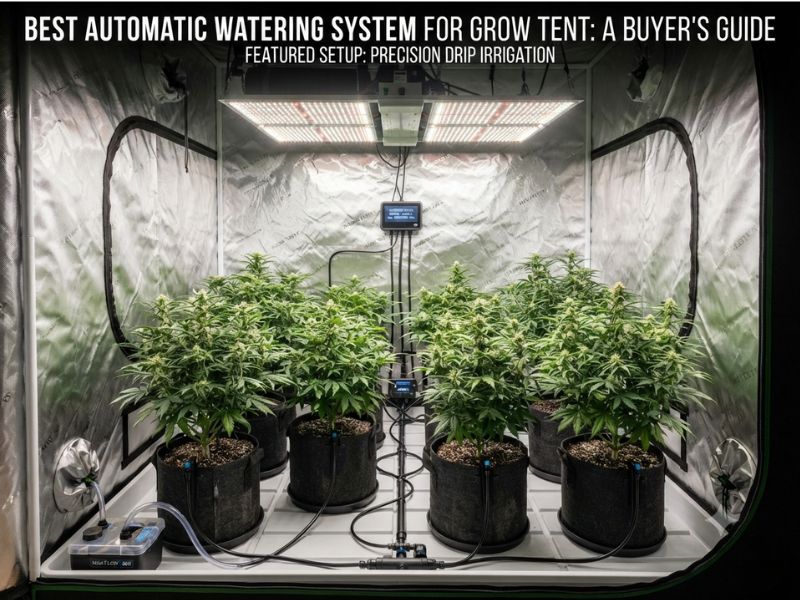
The best automatic watering system for grow tent use should deliver predictable amounts without creating standing runoff, clogged lines, siphoning, or dangerous water exposure around electrical equipment.
5 Best Automatic Watering Systems for Grow Tents
| Image | Product Name | Check Price |
|---|---|---|
Best Choice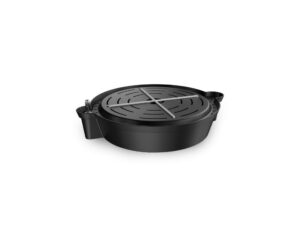 | AC Infinity Self-Watering Fabric Pot Base 4-Pack | Check Price |
Second Best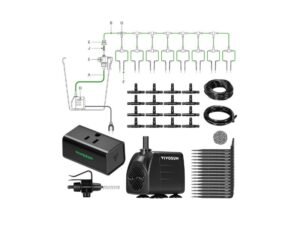 | VIVOSUN Automatic Drip Irrigation Kit with A10 GrowHub | Check Price |
Third Choice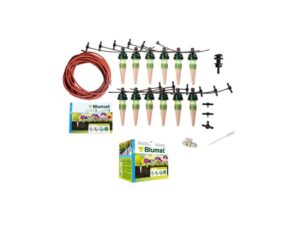 | Blumat Tropf Deluxe 12-Plant Watering System | Check Price |
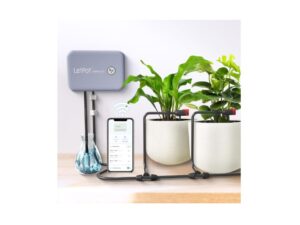 | LetPot Gen-3 Automatic Watering System | Check Price |
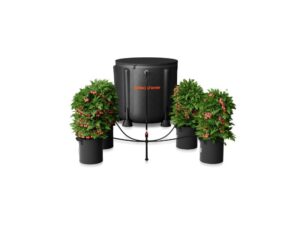 | Spider Farmer Auto Drip Irrigation System with 13-Gallon Reservoir | Check Price |
1. AC Infinity Self-Watering Fabric Pot Base 4-Pack
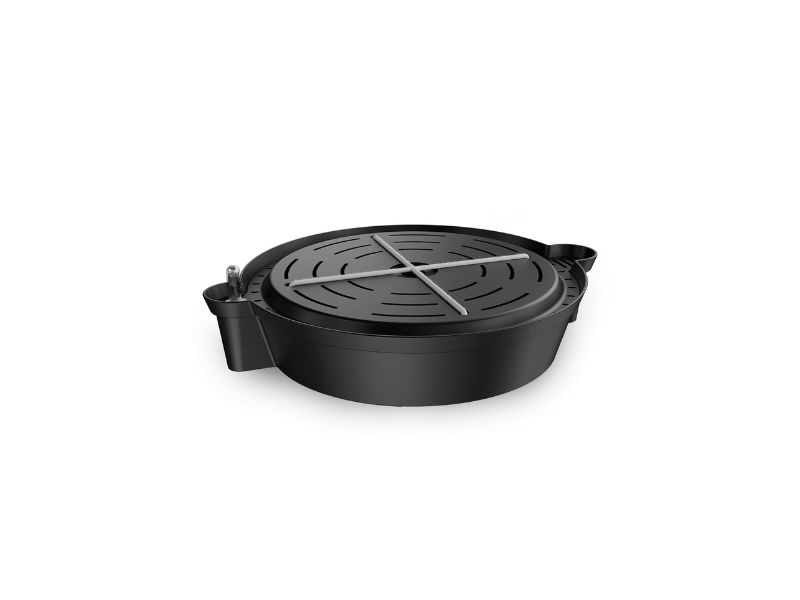
Key Features
- Four independent self-watering bases
- Designed for standard fabric pots
- Adjustable capillary wick lines
- Built-in water-level indicators
- Elevated plant platforms
- No pump, timer, tubing, or electricity
- Heavy-duty reservoir trays
- Suitable for indoor grow tents
- Individual reservoir for every pot
- Access points for refilling and inspection
The AC Infinity self-watering bases provide one of the simplest ways to automate watering inside a grow tent. Instead of moving water from one large reservoir through hoses, each fabric pot sits above its own smaller water reservoir.
High-absorption wick lines connect the water below to the bottom of the fabric pot. Moisture moves upward through capillary action, helping the lower section of the growing medium remain hydrated as the plant uses water.
This design removes several common failure points found in pump-driven drip systems. There is no central pump to fail, timer to misprogram, emitter to clog, or supply hose to disconnect. The bases also eliminate long irrigation lines running between pots.
The water-level indicator makes it easier to see when a reservoir needs attention without lifting the pot. Each base operates independently, so one fast-drinking plant can receive more frequent refills without forcing every plant onto the same watering schedule.
These bases work best with fabric pots that maintain direct contact with the wick lines. They are less appropriate for rigid plastic containers, very small pots, or growing methods that require frequent top-fed nutrient solution.
The system also needs an initial establishment period. Newly transplanted plants with shallow roots may not immediately access moisture rising from the bottom. Top watering may still be required until the root zone reaches deeper into the container and the wick system is fully saturated.
When nutrients are added to the reservoir, cleanliness becomes more important. Mineral deposits, organic residues, and stagnant solution can collect beneath the platform. The reservoir and wick lines should be inspected and cleaned between growing cycles.
What I Like
- No electrical power required
- No pump noise
- Minimal tubing inside the tent
- Each plant has an independent reservoir
- Water-level indicators simplify refilling
- Reduces top-watering frequency
- Elevated platform keeps pots above standing water
- Particularly well suited to fabric pots
What I Do Not Like
- Primarily intended for compatible fabric pots
- Reservoirs must be filled individually
- Young plants may still require top watering
- Organic nutrient solutions can leave residue
- Wick performance depends on correct contact
- Not intended for precise timed fertigation
The AC Infinity bases are the most practical option for growers using several fabric pots and wanting low-maintenance bottom watering. They provide straightforward automation without introducing pumps, apps, or a complex network of hoses.
2. VIVOSUN Automatic Drip Irrigation Kit with A10 GrowHub
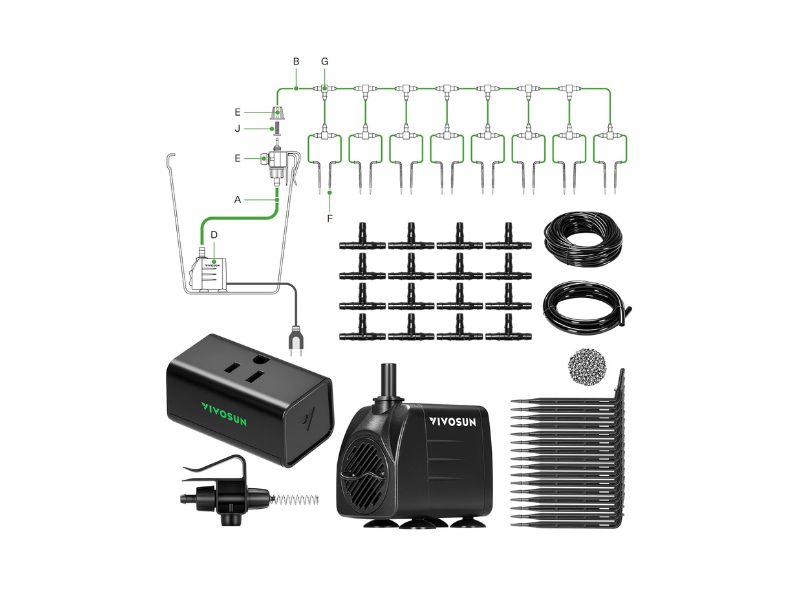
Key Features
- Sixteen drip emitters
- App-controlled watering schedules
- Quiet 15W pump
- Faster-flow 4 mm irrigation lines
- Anti-siphon component
- Water filtration
- Adjustable drip delivery
- Cycle and scheduled watering modes
- Suitable for multiple pots
- Uses an external bucket or reservoir
The VIVOSUN system is designed for growers who want centralized, programmable drip irrigation. Its pump draws water or nutrient solution from a separate reservoir and distributes it through tubing to as many as sixteen emitters.
App control makes the system more flexible than a basic outlet timer. Watering events can be adjusted according to plant stage, container size, medium, and environmental demand without rebuilding the irrigation layout.
The 4 mm lines provide more internal space than narrower micro-tubing, which can help maintain flow toward emitters farther from the pump. A filter protects the system from larger particles, while the anti-siphon component helps prevent unwanted flow after the pump stops.
The ability to use multiple emitters per pot is valuable. A single dripper may create one concentrated wet area, particularly in wide containers. Using two or more emitters can distribute water more evenly across the root zone.
The system still requires calibration. Adjustable emitters may not deliver perfectly identical volumes, especially when tubing lengths differ or some valves are opened more than others. Before relying on the system, collect water from every emitter for the same period and compare the amounts.
Reservoir management is equally important. Nutrient solution should remain mixed, clean, and protected from light. A covered opaque reservoir reduces algae growth and contamination.
The pump and controller should remain outside pooled runoff whenever possible. Irrigation lines entering the tent should be secured so that plant movement or maintenance cannot pull a connection loose.
What I Like
- Supports a large number of drip points
- App-based scheduling
- Useful for water or nutrient delivery
- Multiple emitters can serve each container
- Anti-siphon protection
- Filter helps reduce clogging
- Suitable for different grow-tent sizes
- Central reservoir simplifies refilling
What I Do Not Like
- Requires careful setup and calibration
- Wireless controls add complexity
- Adjustable emitters may need balancing
- Lines can clog when solutions contain sediment
- A loose connection can release significant water
- Reservoir is not included
The VIVOSUN kit is a strong choice for growers who want scheduled drip irrigation across several containers. It offers more control and expansion capacity than self-watering bases, but it also requires more testing, cleaning, and leak prevention.
3. Blumat Tropf Deluxe 12-Plant Watering System
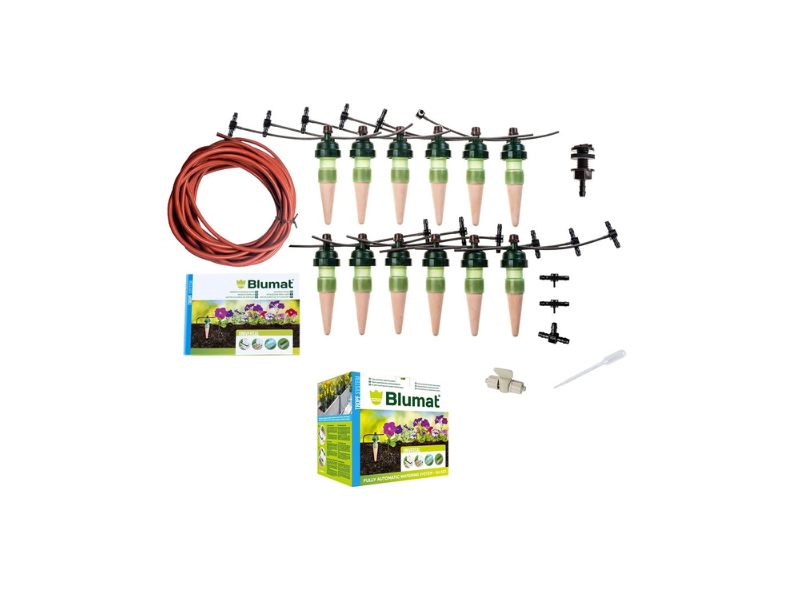
Key Features
- Supports up to twelve plants
- Moisture-sensitive ceramic sensors
- Gravity-fed operation
- No electricity, pump, app, or timer
- Individual moisture response for each plant
- Main supply tubing and drip lines
- Tank connectors and shutoff hardware
- Adjustable moisture setting
- Expandable design
- Works with an elevated water reservoir
The Blumat Tropf system takes a different approach from timed irrigation. Each ceramic sensor is inserted into the growing medium and responds to changes in moisture.
As the medium dries, the sensor opens a small valve and allows water to flow. When moisture returns to the selected level, the valve closes. Each container therefore responds independently rather than following one fixed schedule.
This method is particularly useful when plants have different water demands. Container size, root mass, plant height, temperature, and light exposure can cause one pot to dry faster than another. A moisture-responsive system can compensate without requiring separate pump programs.
Because the system is gravity-fed, it does not need electricity. An elevated reservoir supplies pressure through the main feed line. The reservoir must remain above the sensors, and the height difference affects available pressure.
Initial adjustment is more involved than simply setting a timer. Every ceramic sensor must be properly soaked, filled, positioned, and calibrated. Air bubbles or incorrect adjustment can prevent a valve from responding predictably.
The tubing should be inspected for kinks and loose connections. A valve that remains open can continue drawing from the reservoir, so the system should be tested thoroughly before it is left unattended.
Blumat works best with growing media that maintain relatively consistent contact around the ceramic cone. Very coarse media or large air gaps may reduce sensing accuracy.
What I Like
- Waters according to moisture demand
- No power or batteries
- Every plant responds independently
- Suitable for different pot sizes
- No fixed watering schedule required
- Expandable system
- Quiet operation
- Can reduce unnecessary watering
What I Do Not Like
- Initial calibration requires patience
- Reservoir must be elevated
- Incorrect setup can cause continuous dripping
- Ceramic sensors must maintain good soil contact
- Tubing layout can become complex
- Regular inspection remains necessary
The Blumat system is best for growers who prefer moisture-responsive irrigation over fixed timer schedules. Once properly calibrated, it can provide highly individualized watering without pumps or electronic controls.
4. LetPot Gen-3 Automatic Watering System
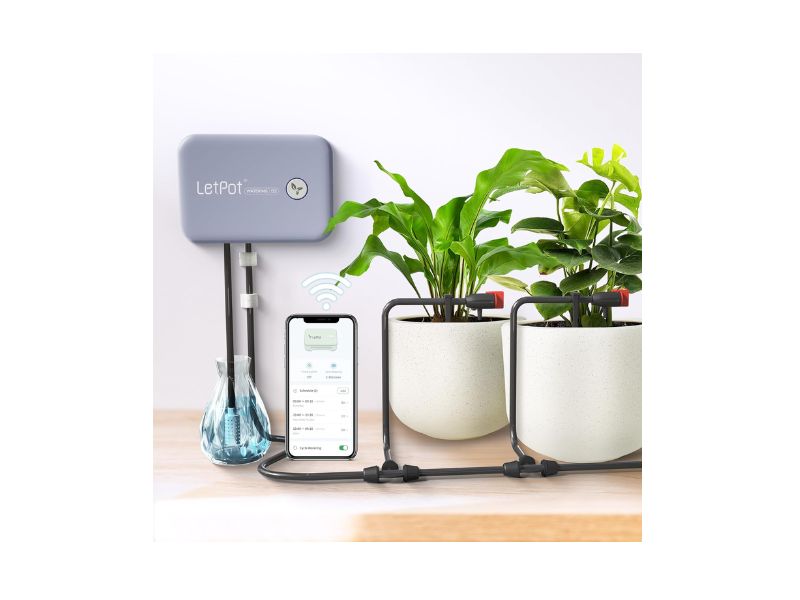
Key Features
- Wi-Fi and mobile-app control
- Up to five watering tasks
- Adjustable drip emitters
- Approximately 10 meters of tubing
- Low-water notifications
- Anti-backflow valve
- Quiet internal pump
- IP66-rated housing
- Intermittent and continuous watering modes
- Supports multiple potted plants
The LetPot Gen-3 combines a compact pump controller with app-based scheduling and adjustable emitters. It is designed to draw water from a separate container, making it useful in grow tents where a permanent faucet connection is unavailable.
The app can manage several watering tasks, allowing different durations or frequencies to be programmed. This is helpful when the daily watering requirement changes through the growth cycle.
Low-water notifications provide additional protection when the reservoir begins to empty. The anti-backflow valve helps prevent siphoning, while the weather-resistant housing provides better protection against splashes than a typical indoor timer.
The system can support several containers, but the maximum useful plant count depends on tubing distance, emitter adjustment, pump pressure, and required water volume. A large grow tent with high-demand plants may need fewer outlets than a collection of small pots.
As with every adjustable drip system, emitter calibration is essential. The furthest outlet may not match the closest outlet automatically. Tubing should be cut as evenly as practical, and each emitter should be tested before installation is considered complete.
App dependence may be a drawback for growers who prefer local controls. Wi-Fi pairing, software updates, and router compatibility introduce more variables than a physical cycle timer.
What I Like
- Flexible app scheduling
- Supports several watering tasks
- Low-water alerts
- Quiet pump operation
- Anti-backflow protection
- Adjustable emitters
- Compact design
- Useful for tents without a nearby faucet
What I Do Not Like
- Requires Wi-Fi configuration for full functionality
- Reservoir is not included
- Delivery may vary across long tubing runs
- Adjustable drippers require calibration
- More electronic dependence
- App control may be excessive for simple setups
The LetPot system is appropriate for growers who want detailed remote scheduling in a compact package. It offers more programming flexibility than a basic timer but requires careful emitter balancing and reliable connectivity.
5. Spider Farmer Auto Drip Irrigation System with 13-Gallon Reservoir
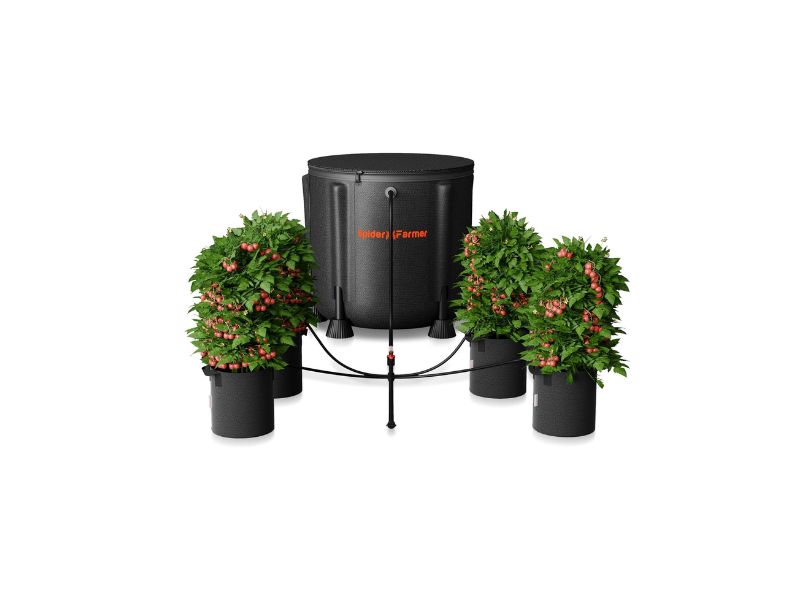
Key Features
- 13-gallon collapsible reservoir
- 25W water pump
- Eight adjustable drip emitters
- Low-water-level sensor
- Approximately 39 feet of tubing
- Root-zone water delivery
- Complete reservoir-to-pot setup
- Suitable for grow tents and greenhouses
- Large refill capacity
- Pump-driven irrigation
The Spider Farmer kit is the most self-contained pump system in this comparison because it includes a large collapsible reservoir. The 13-gallon capacity can reduce refill frequency in medium or large grow tents.
Its 25W pump supplies eight adjustable emitters, making it suitable for several containers or for using multiple drip points around fewer large pots. The low-water sensor protects the pump when the reservoir becomes depleted.
The large reservoir is helpful during travel or periods when daily maintenance is difficult. However, placing thirteen gallons of water near a grow tent creates a significant leak risk. The reservoir should stand on a stable, waterproof surface and should never block the tent entrance.
A collapsible tank also needs support from its surrounding walls and base. It should be filled and leak-tested before it is connected to electrical equipment or placed beside valuable flooring.
The system is less dependent on Wi-Fi than app-based alternatives, which can simplify operation. The trade-off is that watering control is more hardware-focused and may not provide the same remote scheduling flexibility.
The stronger pump can provide better pressure through several outlets, but it also increases the importance of tight fittings. Every connection should be secured and tested at full operating pressure.
What I Like
- Large reservoir included
- Eight adjustable watering points
- Strong pump capacity
- Low-water protection
- Suitable for medium and larger tents
- Fewer reservoir refills
- Can distribute water to several pots
- More complete kit than reservoir-free systems
What I Do Not Like
- Large reservoir occupies floor space
- Higher potential leak volume
- Collapsible tank requires stable placement
- Adjustable emitters still need calibration
- Pump and fittings require regular inspection
- Less compact than the other systems
The Spider Farmer kit is most suitable for growers who prioritize reservoir capacity and centralized drip watering. Its large tank reduces refill frequency, but the installation needs careful leak containment and secure water-line routing.
Automatic Watering System Comparison Table
| Product | Watering Method | Plant Capacity | Reservoir | Power Required | Main Control | Primary Strength | Main Limitation |
| AC Infinity Self-Watering Bases | Capillary wick | 4 pots | Individual bases | No | Moisture uptake | Simple grow-tent integration | Fabric-pot compatibility |
| VIVOSUN Automatic Drip Kit | Pumped drip | Up to 16 emitters | External | Yes | App schedules | Large, flexible drip network | Setup and calibration |
| Blumat Tropf Deluxe | Sensor-controlled gravity drip | Up to 12 plants | Elevated external tank | No | Ceramic moisture sensor | Plant-responsive watering | Detailed initial calibration |
| LetPot Gen-3 | Pumped drip | Multiple pots | External | Yes | Wi-Fi app | Flexible remote scheduling | App and emitter dependence |
| Spider Farmer Drip System | Pumped drip | 8 emitters | 13 gallons included | Yes | Pump controller | High reservoir capacity | Larger footprint and leak volume |
The AC Infinity system is the easiest to integrate with fabric pots. The VIVOSUN and LetPot products provide programmable drip schedules, while Blumat reacts to moisture instead of time. The Spider Farmer kit is the most appropriate when reservoir capacity is the main priority.
Choosing the Right Watering Method
Self-watering wick bases
Wick systems move water upward from a lower reservoir.
They work well for:
- Fabric pots
- Soil and soil-like media
- Growers who prefer bottom watering
- Small plant counts
- Systems without pumps or apps
They are less suitable for precise nutrient dosing or containers that cannot maintain contact with the wicks.
Timed drip irrigation
A pump delivers water for a programmed duration.
It works well for:
- Multiple pots
- Coco coir
- Frequent small irrigation events
- Liquid nutrient programs
- Central reservoirs
- Growers who want scheduling control
The main risks are clogged emitters, unequal delivery, loose fittings, and timer errors.
Moisture-responsive drip irrigation
A sensor controls water according to medium moisture.
It works well for:
- Plants with different water demands
- Soil-based media
- Gravity-fed reservoirs
- Power-free automation
- Growers willing to calibrate individual sensors
The setup process is more detailed, and the water tank usually needs to be elevated.
Matching the System to the Growing Medium
Soil and amended mixes
Soil retains water longer than highly aerated hydroponic media. Watering events should generally be less frequent and large enough to moisten the root zone without keeping it permanently saturated.
Wick bases and moisture-responsive systems are particularly relevant.
Coco coir
Coco can support frequent irrigation because it maintains a favorable balance of moisture and air when drainage is adequate.
Pump-driven drip systems are often more practical because they can provide several short watering events throughout the day.
Peat-based mixes
Peat retains substantial moisture but can become difficult to re-wet after drying excessively.
Automatic systems should prevent extreme drying without maintaining constant saturation.
Perlite-heavy media
Highly aerated media drains quickly and may require more frequent irrigation.
Use a system that can deliver repeatable small amounts and verify that runoff can leave the tent safely.
Calculating Reservoir Capacity
Estimate daily water consumption before choosing a reservoir.
Use:
Required reservoir volume = Daily use per plant × number of plants × unattended days
For example, if four plants each use half a gallon per day:
0.5 gallon × 4 plants = 2 gallons per day
For four days:
2 gallons × 4 days = 8 gallons
Add a safety margin rather than using the exact calculated amount. Plant demand can increase during warm weather or rapid growth.
A larger reservoir is not always better. More stored water means:
- Greater floor-space demand
- More weight
- Larger potential spills
- Longer nutrient-solution storage
- Increased risk of algae or stagnation
- More difficult cleaning
One gallon of water weighs approximately 8.3 pounds. A full 13-gallon reservoir therefore contains more than 100 pounds of water before the container is included.
How to Calibrate Drip Emitters
Do not install the emitters and assume they are equal.
Use this procedure:
- Place every emitter into a separate measuring cup.
- Run the pump for a fixed period.
- Compare the water volume in every cup.
- Adjust the valves or tubing layout.
- Repeat the test.
- Mark the final emitter positions.
- Recheck after nutrient use or line cleaning.
Testing should be performed at the same reservoir level and pump setting that will be used in the tent.
Emitter output can change when:
- The reservoir level drops
- A filter becomes dirty
- Tubing is kinked
- Mineral deposits collect
- Adjustable valves move
- Roots or growing medium block an outlet
Preventing Siphoning and Uncontrolled Flow
A pump can stop while water continues moving through the lines if the reservoir is positioned higher than the emitters and the system forms a siphon.
Use the supplied anti-siphon fitting when applicable.
Other precautions include:
- Keep the reservoir lower than the drippers when the design allows
- Create an air break above the water line
- Avoid submerging outlet tubes
- Secure return and supply hoses
- Test the system with the pump switched off
- Monitor for delayed dripping
- Use a shutoff valve during maintenance
Never leave a newly installed system unattended until it has completed multiple watering and shutdown cycles without leaking.
Reservoir and Nutrient Management
Use an opaque reservoir with a secure lid.
A covered reservoir helps reduce:
- Algae
- Dust
- Insects
- Evaporation
- Accidental contamination
- Light exposure to nutrient solution
When nutrient solution is stored, monitor:
- pH
- Electrical conductivity
- Temperature
- Odor
- Sediment
- Biofilm
- Water level
Some organic nutrients contain particles or biological materials that can clog filters and small emitters. Pumped drip systems are generally easier to maintain with clean, fully dissolved solutions.
Reservoir temperature matters because warm nutrient solution holds less dissolved oxygen and may support unwanted microbial growth.
Runoff and Drainage Planning
Automatic watering should never be installed without a runoff plan.
Possible solutions include:
- Individual plant saucers
- Raised drain trays
- Sloped collection trays
- Condensate pumps
- Drain-to-waste tubing
- Wet-vac access
- Leak sensors
- Waterproof secondary liners
Do not allow pots to remain in uncontrolled runoff unless the system is intentionally designed for bottom watering.
Standing solution can create:
- Root-zone saturation
- Elevated humidity
- Algae
- Mineral accumulation
- Pest habitat
- Electrical hazards
Water and Electrical Safety
Keep electrical equipment above the lowest possible water level.
Use:
- Drip loops
- Grounded outlets
- Elevated power strips
- Secure pump cables
- Waterproof secondary trays
- Leak alarms
- Properly rated controllers
- Covered reservoirs
- Dry plug connections
Do not place a power strip beneath a reservoir, irrigation manifold, or hanging hose.
A pump should be disconnected before it is removed from water or serviced.
Common Automatic Watering Mistakes
Trusting the system without testing it
Run multiple complete cycles before leaving the tent unattended.
Using identical schedules for different pot sizes
A small container and a large container do not hold or use the same amount of water.
Installing only one dripper in a wide pot
One point may leave part of the root zone dry.
Ignoring reservoir level
Some pumps deliver differently as the available head pressure changes.
Using dirty nutrient solution
Sediment and biological residue can clog filters and emitters.
Failing to plan runoff
Automatic watering can create automatic flooding when drainage is inadequate.
Placing the reservoir above the plants without siphon protection
Water may continue flowing after the pump switches off.
Depending on automation during early root development
Young plants may not reach wick-supplied moisture from below.
Leaving tubing unsecured
Moving pots or working inside the tent can pull lines loose.
Programming long watering events immediately
Begin with short events, measure runoff, and increase gradually.
Maintenance Schedule
Every few days
- Check reservoir level
- Inspect every emitter
- Look for leaks
- Confirm the pump operates
- Inspect plant moisture
- Empty excess runoff
Weekly
- Clean the filter
- Inspect tubing for kinks
- Verify timer or app schedules
- Compare emitter output
- Wipe reservoir surfaces
- Test the low-water warning
Between growing cycles
- Drain the system
- Flush all tubing
- Clean the reservoir
- Remove mineral deposits
- Replace damaged emitters
- Wash wick lines and bases
- Inspect ceramic sensors
- Sanitize runoff trays
Frequently Asked Questions
What is the best automatic watering system for a grow tent?
The AC Infinity Self-Watering Fabric Pot Base 4-Pack is my primary recommendation for growers using compatible fabric pots. It requires no pump, timer, or tubing and gives each plant an independent reservoir.
The VIVOSUN kit is more suitable for programmable drip irrigation across a larger plant count.
Is drip irrigation good for a grow tent?
Yes. Drip irrigation can deliver water or nutrient solution directly to the growing medium with less manual work.
It must be calibrated, secured, and combined with adequate drainage. A loose fitting or excessive watering duration can release a large volume of water inside the tent.
Are self-watering bases truly automatic?
They automatically move water from the lower reservoir into the pot through wick lines.
The reservoirs still need to be refilled, cleaned, and inspected. Young plants may also require top watering until their roots reach the lower portion of the pot.
Can I add nutrients to an automatic watering system?
Many systems can distribute dissolved mineral nutrients.
Avoid thick or sediment-heavy mixtures in narrow tubing. Organic solutions may spoil or clog components if they remain in a warm reservoir for extended periods.
How large should the reservoir be?
Calculate the daily consumption of all plants and multiply it by the number of unattended days.
Add a safety margin, but avoid storing more water than necessary because larger reservoirs create greater leak, weight, and cleanliness concerns.
How often should an automatic system water plants?
The correct frequency depends on the medium, container size, root mass, temperature, humidity, and plant stage.
Soil may need less frequent watering, while coco can benefit from several smaller daily irrigation events when drainage is appropriate.
Is bottom watering better than drip watering?
Bottom watering is simpler and reduces tubing, but it depends on capillary movement through the pot.
Drip irrigation provides more direct timing and nutrient control. The better approach depends on the container and growing medium.
Can automatic watering cause overwatering?
Yes. Incorrect schedules, continuous siphoning, stuck valves, poorly adjusted sensors, and inadequate drainage can all cause overwatering.
Test the complete system and inspect root-zone moisture rather than assuming automation is correct.
Do I need an app-controlled watering system?
No. Physical timers, moisture-responsive valves, and wick systems can automate watering without an app.
App control is useful for remote adjustments, multiple schedules, and low-water notifications.
Can one drip emitter water a large pot?
One emitter may create a narrow wet zone.
Two or more emitters positioned around a large container can provide better distribution. Test the moisture pattern before depending on the system.
How do I keep drip lines from clogging?
Use clean water, fully dissolved nutrients, a suitable filter, opaque tubing or reservoir storage, and regular flushing.
Inspect emitters for mineral deposits and replace damaged components.
Should the reservoir stay inside or outside the tent?
An external reservoir often preserves plant space and keeps refilling away from electrical equipment.
An internal reservoir may simplify tubing but adds heat, humidity, and floor-space demands. Either placement needs secondary leak protection.
Is a gravity-fed system safer than a pump system?
It eliminates electrical pump failure, but it can still leak continuously if a valve sticks open.
The elevated reservoir creates ongoing pressure, so fittings and sensors must be tested carefully.
Can an automatic watering system be left unattended?
Only after it has completed several successful cycles without leaking, clogging, siphoning, or overwatering.
Use a limited reservoir volume, leak sensor, secondary tray, and safe electrical layout before leaving the system.
How do I know whether every plant receives the same amount?
Collect water from each drip emitter in separate measuring containers for the same period.
For moisture-responsive or wick systems, monitor each pot independently because equal watering is not always desirable when plants have different demands.
Conclusion
Selecting the best automatic watering system for grow tent use depends on the growing medium, pot type, plant count, desired control, and amount of water you are comfortable storing near electrical equipment.
My primary recommendation is the AC Infinity Self-Watering Fabric Pot Base 4-Pack for compatible fabric pots. It eliminates pumps and tubing while giving every plant its own refillable reservoir.
The VIVOSUN Automatic Drip Irrigation Kit is better for app-controlled schedules and larger emitter networks. The Blumat Tropf Deluxe System provides moisture-responsive watering without electricity.
The LetPot Gen-3 Automatic Watering System offers flexible Wi-Fi scheduling, while the Spider Farmer Auto Drip Irrigation System includes the largest reservoir and is suitable for growers who want fewer refills.
Whichever system you choose, test every emitter, fitting, sensor, and shutdown cycle before leaving the tent unattended. Reliable automation begins with leak containment, clean water, secure tubing, and a drainage plan.

I’m Maya L. Greenwood, a lifelong plant lover who believes anyone can grow something beautiful with the right guidance. After years of testing soil mixes, pruning methods, irrigation tricks, and pest-safe solutions, I started EasyGardenTips.com to turn hard-won lessons into step-by-step advice. From seed starting and container gardens to composting and seasonal checklists, my goal is to make gardening simple, sustainable, and fun.