5 Best 21 Inch Self Propelled Gas Lawn Mower: Products Compared
Finding the best 21 inch self propelled gas lawn mower is less about choosing the biggest engine and more about matching traction, cutting control, bagging options, and maintenance needs to your yard. A 21-inch deck is a practical middle ground for many homeowners, but self-propelled systems can differ considerably in how useful they are on slopes, uneven ground, and longer mowing sessions.
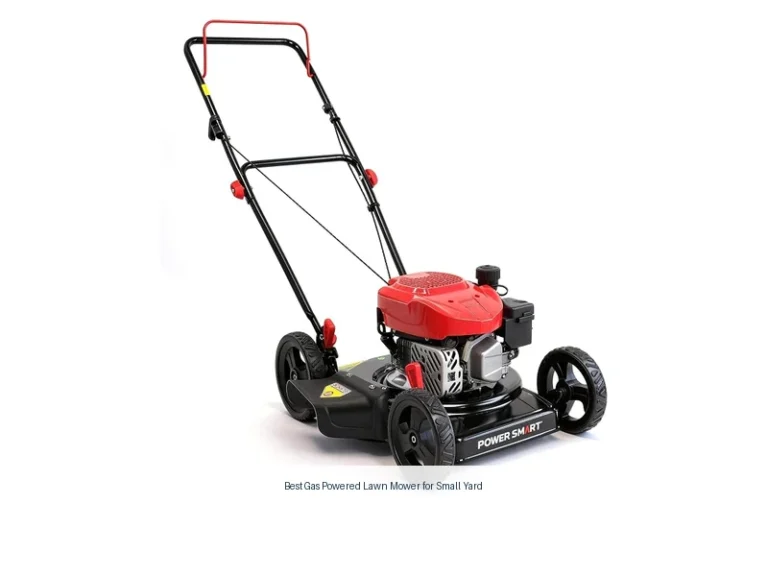
My first choice is the PowerSmart 21-Inch Self Propelled Gas Lawn Mower 170cc OHV Engine because it combines rear-wheel drive, a steel deck, flexible three-in-one mowing, and a broad height range in a sensible package. Its 170cc four-stroke engine, foldable handle, and dual-lever height adjustment make it a particularly balanced fit for homeowners who want dependable capability without unnecessary complexity.
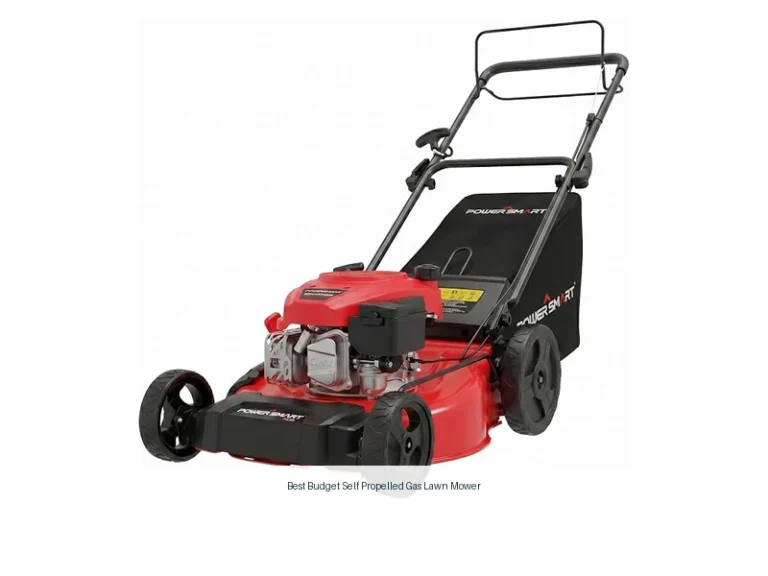
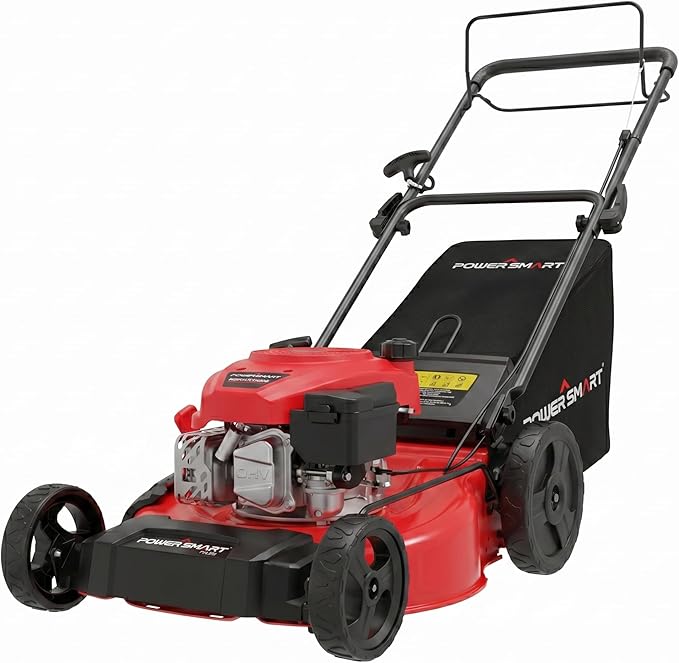
My second choice is PowerSmart 21″ Self-Propelled Gas Lawn Mower. It is the option I would compare next when a buyer has slightly different priorities from my first pick.
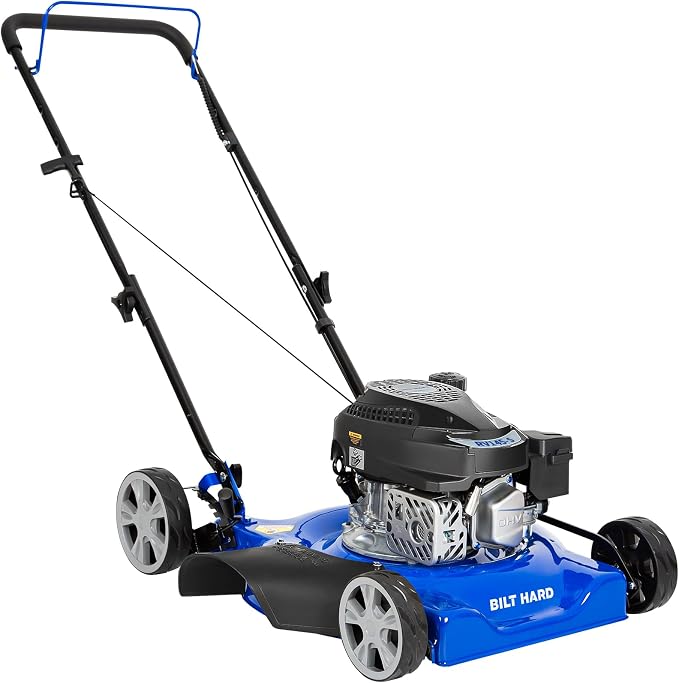
My third choice is BILT HARD 21″ Self Propelled Gas Lawn Mower. It rounds out my top three with a useful alternative for buyers whose priorities differ from the first two choices.
The comparisons below explain where each mower fits, what its controls and cutting system mean in everyday use, and which trade-offs deserve attention before buying. I also cover selection criteria, setup, mowing technique, maintenance, storage, common mistakes, and answers to focused questions about choosing a 21-inch self-propelled gas mower.
.amz-product-card:hover{transform:translateY(-3px)!important;box-shadow:0 10px 26px rgba(20,70,110,.12)!important;border-color:#bdd7ea!important;}
Best 21 Inch Self Propelled Gas Lawn Mower
I selected these products for their direct relevance to the requested size and propulsion category, the usefulness of their published specifications, and the amount of customer-feedback evidence available. The group includes several gas-powered approaches plus one battery-powered alternative, allowing the comparison to address both traditional fuel performance and lower-maintenance ownership.
| # | Image | Product | Price on Amazon |
|---|---|---|---|
| 1 |  |
PowerSmart 21-Inch Self Propelled Gas Lawn Mower | Check Price |
| 2 |  |
PowerSmart 21″ Self-Propelled Gas Lawn Mower | Check Price |
| 3 |  |
BILT HARD 21″ Self Propelled Gas Lawn Mower | Check Price |
| 4 |  |
YARDMAX 22 In. 201cc Select PACE 6 Speed CVT High Wheel FWD | Check Price |
| 5 |  |
Greenworks 60V 21in Self-Propelled Lawn Mower | Check Price |
PowerSmart 21-Inch Self Propelled Gas Lawn Mower
The first PowerSmart earns its position through balance rather than one extreme specification. Its 170cc OHV four-stroke engine is paired with rear-wheel drive, which is helpful when the mower needs extra traction on slopes or uneven sections. Rear-wheel propulsion generally gives the driven wheels more useful contact as the mower moves across changing ground, though the operator still needs to control speed and direction carefully.
The steel deck is a practical choice for buyers who prioritize a durable mowing platform over the lighter feel of some alternative materials. Its three-in-one setup lets you mulch, side-discharge, or collect clippings in the rear bag. That flexibility matters because mulching suits regular mowing, side discharge is convenient when the grass is long, and bagging gives a tidier finish when clippings should be removed.
Cutting height spans 1.5 to 3.9 inches through six positions and dual-lever control. That range covers many common lawn preferences, although a dual-lever adjustment is not quite as quick or synchronized as a single-lever system. Auto choke and recoil starting keep the engine controls relatively straightforward, while the folding handle helps reduce storage demands.
Pros
- Rear-wheel drive supports traction on slopes and uneven terrain.
- Steel deck and three-in-one mowing offer useful versatility.
- Six height positions cover a broad range from 1.5 to 3.9 inches.
- Folding handle is helpful in a crowded garage or shed.
Cons
- Dual-lever height adjustment takes more effort than a single-lever design.
- Recoil starting still requires a pull start.
- Its 3.8 score from 147 customer ratings suggests a mixed ownership picture rather than universal satisfaction.
My Opinion
This is the most rounded choice for a homeowner who wants gas power, rear-wheel traction, and practical mowing modes without chasing a specialty feature. Before buying, confirm that the available storage space can accommodate the mower even with its handle folded, and plan to maintain the fuel and cutting system as you would with any gas machine.
PowerSmart 21″ Self-Propelled Gas Lawn Mower
This second PowerSmart shares the core 170cc OHV engine and rear-wheel-drive layout of the first-ranked model, but its strongest practical distinction is the clearly specified 1.4-bushel collection bag. That capacity is useful for homeowners who regularly bag clippings, although any bag eventually adds stopping and emptying interruptions when the grass is especially tall or damp.
The 21-inch steel deck is well suited to medium and larger yards because each pass covers a substantial strip without moving into an especially wide commercial-style format. Its three-in-one operation allows bagging, mulching, or rear discharge. Choosing the right mode can make a noticeable difference: bagging produces a cleaner appearance, mulching returns finely cut material to the lawn, and rear discharge keeps the process moving when appearance is less important.
Six height settings run from 1.5 to 3.9 inches, giving enough adjustment for seasonal mowing and different grass preferences. Large 10-inch rear wheels should help the mower roll over uneven ground and improve maneuverability, while rear-wheel drive is a sensible match for slopes. The published customer-feedback volume is much larger than that of the other PowerSmart, but its 3.5 score indicates that popularity should not be confused with a guaranteed ownership experience.
Pros
- Large 10-inch rear wheels and rear-wheel drive suit uneven or sloped yards.
- Specified 1.4-bushel bag benefits regular clipping collection.
- Steel deck and three mowing modes support varied lawn routines.
- Six cutting positions cover common mowing heights.
Cons
- The 3.5 score across 1,877 customer ratings points to more varied feedback.
- A 170cc engine may be less compelling for buyers specifically seeking maximum available torque.
- Bagging requires more stops than mulching or rear discharge.
My Opinion
This is a sensible second choice for a medium yard where rear-wheel traction and a defined bagging capacity matter. It may be especially attractive when the buyer values large rear wheels and a familiar control layout, but the broader and lower customer-feedback score makes it worth inspecting return, support, and parts details before purchase.
BILT HARD 21″ Self Propelled Gas Lawn Mower
BILT HARD takes a more performance-oriented approach with a 201cc four-stroke OHV engine rated at 9.0 foot-pounds of torque. That extra engine capacity may appeal to buyers who regularly encounter thicker growth or want more reserve when mowing conditions become demanding. More power does not remove the need to mow at a reasonable pace, however, and it can come with a machine that feels less minimalist than a smaller-engine alternative.
The rear-wheel-drive, single-speed self-propelled system is straightforward. A single speed can be perfectly adequate for a consistent walking pace, but it does not provide the same pace-matching flexibility as a variable-speed transmission. The foam-wrapped angled handle is a thoughtful comfort detail because it can reduce pressure on the hands during longer sessions.
Its cutting system offers eight positions from 1.2 to 3.75 inches, adjusted across all four wheels with one lever. That synchronized control is convenient when changing from a short regular cut to a taller setting for hot or dry conditions. The no-choke, no-primer starting design also reduces the number of manual engine steps. With a 4.2 score from 118 customer ratings, the available feedback is positive, though the sample is much smaller than the second PowerSmart’s.
Pros
- 201cc OHV engine provides a strong published torque rating.
- Eight height positions offer especially fine cutting control.
- Single-lever adjustment changes all four wheels together.
- No-choke, no-primer starting design simplifies startup.
Cons
- Single-speed propulsion offers less pace control than a multi-speed drive.
- Its customer-feedback sample of 118 ratings is relatively limited.
- Buyers seeking only light-duty mowing may not need the larger engine.
My Opinion
BILT HARD is the better fit for a buyer who values engine reserve, a broad height range, and simple starting controls. The single-speed drive is the main compromise, so consider the normal walking pace around the yard before choosing it. The one-lever height system is also a useful ownership advantage for anyone who changes cutting height often.
YARDMAX 22 In. 201cc Select PACE 6 Speed CVT High Wheel FWD
YARDMAX is the outlier in deck width and transmission design. Its 22-inch cutting path is slightly wider than the other gas models here, which can reduce the number of passes across an open lawn. The trade-off is that a wider deck may feel less convenient around narrow gates, planting beds, and tight corners, so available yard access matters as much as mowing speed.
The defining feature is the six-speed continuously variable transmission. Rather than forcing every operator to move at one fixed pace, the Select PACE system lets the user choose a speed closer to their walking rhythm. This is valuable when moving between flat stretches, slopes, and areas requiring careful maneuvering. It uses front-wheel drive, unlike the rear-wheel-drive models above, so buyers should think about how the mower behaves on their particular slopes and turning pattern.
Automatic choke removes the need to prime or manually choke the engine at startup. Aggressive spiked tread on the rubber tires is intended to improve traction and maneuverability, while the deck cleanout port makes underside rinsing more convenient. A single-lever deck adjustment also speeds up height changes. These convenience features give the YARDMAX a more control-focused identity, but the 201cc engine and 22-inch deck can make it a less compact choice for small, crowded properties.
Pros
- Six-speed CVT allows the operator to better match walking pace.
- 22-inch deck can cover open lawn efficiently.
- Automatic choke simplifies starting.
- Deck cleanout port and single-lever height adjustment support easier ownership.
Cons
- Front-wheel drive may be less suitable than rear-wheel drive for some sloped yards.
- Wider deck can be awkward in narrow passages.
- More transmission control may require a brief adjustment period for new users.
My Opinion
Choose the YARDMAX when pace control is more important than keeping the mower as compact and simple as possible. It is a strong match for a broad, accessible property with changing terrain, while buyers with steep slopes or tight landscaping should examine the front-drive layout and 22-inch width carefully before committing.
Greenworks 60V 21in Self-Propelled Lawn Mower
Greenworks is the non-gas alternative in this comparison, and it deserves attention because some buyers want the cutting width and self-propelled convenience without fuel storage, exhaust, or pull-start routines. Its 60V brushless motor is specified to deliver gas-like power, while the two included 4.0Ah batteries are rated for up to three-quarters of an acre per charge. Actual coverage varies with terrain and mowing technique, so large or thickly overgrown yards may require more careful charge planning.
Rear-wheel drive helps maintain traction on slopes, and the propulsion pace can be adjusted while moving. That on-the-go control is useful when slowing near landscaping or increasing pace across an open section. Instant starting and operation described as three times quieter than gas models also make it attractive for neighborhoods where noise and convenience matter.
The mower offers four functions: mulching, bagging, side discharge, and turbo leaf pickup. LED headlights extend practical mowing hours, although mowing in low light still requires extra awareness around obstacles. A four-year limited tool and battery warranty provides a defined ownership benefit, and compatibility with more than 75 Greenworks 60V tools can add value for someone already invested in that battery platform. It is not a gas mower, so fuel-based buyers should weigh charging routines and battery replacement considerations against the lower day-to-day maintenance.
Pros
- Two 4.0Ah batteries are included with a stated range of up to three-quarters of an acre per charge.
- Rear-wheel drive and adjustable self-propelled pace suit varied terrain.
- Four-in-one operation adds turbo leaf pickup to normal mowing modes.
- Four-year limited tool and battery warranty is a notable ownership benefit.
Cons
- Battery coverage depends on terrain, grass conditions, and technique.
- Charging is required instead of refueling.
- It does not meet the needs of buyers specifically committed to gas equipment.
My Opinion
Greenworks is the right choice for someone who values quiet, instant-start operation and already uses or plans to use other Greenworks 60V tools. It is also a useful benchmark against gas ownership, but buyers with very large lawns should confirm that the included batteries and available charging time fit their routine.
How I Selected These Mowers for the 21 Inch Self Propelled Gas Lawn Mower Topic
I compared the products according to the factors that most directly affect a 21-inch self-propelled gas mower purchase: cutting width, engine design, drive-wheel position, height adjustment, mowing modes, terrain suitability, storage practicality, and available customer-feedback evidence. I did not treat a high score or a larger engine as an automatic winner. Instead, the ranking gives the most weight to a useful combination of capability, control, versatility, and realistic fit for common residential yards.
Important selection takeaway: rear-wheel drive is often the more persuasive feature for slopes and uneven ground, but it should be considered alongside wheel size, propulsion controls, and the operator’s ability to maneuver the machine safely.
Brand diversity was also practical here. The comparison includes two closely related PowerSmart products because they address slightly different buyer priorities, along with BILT HARD, YARDMAX, and Greenworks. Product scores and rating counts were treated as context rather than proof of performance in every yard. Published specifications explain what each mower is intended to offer, but they cannot guarantee identical results for every lawn, operator, climate, or maintenance routine.
Specifications such as engine displacement, deck width, and battery capacity are useful starting points. They become meaningful only when matched to the lawn’s slope, grass density, storage space, desired finish, and willingness to perform routine maintenance.
How to Choose a Mower for This Category
Start with the yard rather than the product title. A flat, open lawn may benefit from a wider deck and pace control, while a sloped yard may place more value on rear-wheel traction and predictable handling. Consider how often you bag, whether you prefer fuel or batteries, and how much room you have for storage before comparing engine size.
- Match propulsion to terrain: rear-wheel drive is worth close attention for slopes and uneven ground.
- Choose the right cutting control: more height positions help when lawn conditions and seasonal preferences change.
- Decide how clippings will be handled: bagging, mulching, and discharge each suit different routines.
- Check access and storage: deck width and a folding handle can matter as much as engine power.
- Compare ownership effort: gas requires fuel and engine care, while battery models require charging and platform planning.
Engine size and cutting conditions
A 170cc engine is a reasonable middle-ground specification for ordinary residential mowing, while a 201cc engine may offer more reserve for thick growth or difficult conditions. Engine displacement alone does not tell you how quickly the mower should be pushed or how well it will perform if the blade is dull. Keeping grass at a manageable height and avoiding wet mowing can reduce strain on any engine.
Drive system and walking pace
Rear-wheel drive can provide useful traction when the front of the mower becomes lighter on a slope or when the surface is uneven. Front-wheel drive can be convenient for lifting the drive wheels during turns, but its behavior should be considered carefully on inclines. A single-speed system is simple, whereas a six-speed CVT offers more ability to match the mower to the operator’s pace.
Height adjustment and deck width
Height adjustment should be easy enough that you will actually use it. A single lever that moves all four wheels together is convenient, while dual-lever systems may require more attention but can still provide a broad usable range. A 21-inch deck is versatile for many residential properties. The YARDMAX’s 22-inch deck may save passes on open grass, but a slightly narrower machine can be easier around obstacles and through gates.
Bagging, mulching, and discharge
Bagging is useful when clippings should be removed or when the lawn needs a particularly tidy appearance. Mulching can save emptying stops during regular mowing, provided the grass is not excessively tall or wet. Side or rear discharge is often the fastest option for overgrown areas, but clippings may need to be redistributed or collected later if appearance is important.
Gas Versus Battery Ownership
A gas mower remains attractive when refueling is easier than waiting for batteries to charge and when the owner wants traditional engine operation. It also requires attention to fuel, starting components, oil-related service requirements, and storage conditions. The Greenworks alternative removes many engine-related tasks and starts instantly, but its useful range depends on battery charge, grass conditions, and the availability of a suitable charging routine.
Battery compatibility can be a major long-term factor. The Greenworks mower works with more than 75 Greenworks 60V tools, so its value may increase for a household already using that voltage system. Conversely, someone who owns no compatible tools should evaluate the complete battery ecosystem rather than assuming one included kit determines future value.
First-Time Setup and Mowing Routine
Read the supplied instructions before adding fuel, attaching the bag, or operating the propulsion control. Confirm that the handle is locked into its working position, the cutting height is appropriate, and the discharge or bagging components are secured. Keep bystanders away during startup and mowing, and never place hands near the blade area while the machine is running or able to start.
A simple first-use sequence
- Inspect the mower, wheels, handle, deck, and discharge equipment for loose or damaged parts.
- Set the cutting height higher than usual if the grass is long, then lower it gradually on later passes if needed.
- Start in a clear, level section and confirm that the drive system responds smoothly before approaching slopes.
- Mow at a steady pace, overlapping passes slightly instead of forcing the deck through heavy growth.
- Stop the engine or remove the battery according to the product instructions before clearing clippings or inspecting the underside.
For a lawn that has grown unusually tall, avoid removing too much grass in one pass. A slower first pass with a higher setting is easier on the mower and can reduce clumping. Changing direction on later passes can also help prevent visible wheel tracks, while alternating mowing patterns may reduce repeated stress on the same turf paths.
Maintenance and Storage That Protects Ownership
Routine care has a direct effect on cutting quality and starting reliability. Keep the deck clear of accumulated grass, inspect the blade periodically, and address unusual vibration or noise before continuing to mow. A clogged deck can interfere with airflow and reduce the effectiveness of mulching or bagging.
Gas mower care
Gas models need clean fuel practices and the engine maintenance described in their instructions. Check fasteners and controls periodically, keep the air path clean, and do not leave the mower exposed to moisture. Before storing for an extended period, follow the product-specific fuel and seasonal storage directions rather than improvising.
Battery mower care
Remove and store batteries according to the Greenworks instructions, keep contacts dry, and use the intended charger. Avoid leaving battery packs in extreme heat or cold. A charging area with good ventilation and protection from moisture is preferable to an exposed outdoor location.
Blade and deck attention
A sharp, properly secured blade generally produces a cleaner cut than a damaged or heavily worn one. Disconnect the spark plug or follow the battery-isolation procedure specified for the mower before working near the blade. Never rely only on the drive control being released as proof that the cutting system is safe to inspect.
Common Mistakes to Avoid
Many disappointing mowing experiences come from a mismatch between the machine and the lawn rather than from one missing feature. Avoid treating engine size, rating scores, or deck width as the only deciding factor.
- Ignoring slopes: check the drive-wheel layout and practice on level ground before tackling inclines.
- Cutting wet or excessively tall grass: this can encourage clumping and place extra load on the engine or battery.
- Choosing bagging by default: a full bag adds stops and weight; use mulching or discharge when conditions allow.
- Forgetting access measurements: measure gates, shed doors, and storage spaces before selecting a 22-inch deck.
- Skipping height adjustment: cutting too short can be stressful for turf, especially during hot or dry periods.
- Cleaning while connected to power: isolate the engine or battery system before clearing the deck or handling the blade.
FAQ About Choosing a 21-Inch Self-Propelled Gas Mower
Is a 21-inch deck a good size for a residential lawn?
Yes, a 21-inch deck is a versatile size for many residential properties. It covers enough ground to be efficient on medium lawns while remaining more manageable around trees, beds, gates, and tighter passages than a much wider commercial-style deck. The ideal choice still depends on access, storage, and the amount of open grass.
Is rear-wheel drive better for a sloped lawn?
Rear-wheel drive is often a useful choice for slopes because the driven rear wheels can provide traction as the mower moves across uneven ground. It is not a substitute for safe mowing technique. Walk across slopes only as permitted by the product instructions, maintain control, and avoid mowing conditions that make the surface slippery.
What engine size is suitable for a 21-inch gas mower?
The products in this comparison use 170cc or 201cc engines. A 170cc engine can suit routine residential mowing, while a 201cc engine may appeal to buyers facing thicker grass or wanting additional published torque. Blade condition, mowing frequency, grass moisture, and operator pace also have a major effect on results.
Should I choose a single-speed or variable-speed self-propelled mower?
A single-speed mower is simpler and may suit an operator whose natural walking pace matches its setting. Variable-speed control is more adaptable when the yard includes open stretches, slopes, obstacles, or frequent changes in pace. The YARDMAX’s six-speed CVT is the clearest example here, while the BILT HARD uses a single-speed drive.
Is a battery mower a practical alternative to a gas mower?
It can be practical when quiet operation, instant starts, and reduced engine maintenance are priorities. Battery range depends on grass conditions, terrain, and technique, so the Greenworks mower is most convincing for buyers who can work within its stated up-to-three-quarter-acre range or who have a compatible charging and battery plan.
Which mowing mode should I use most often?
Mulching is convenient for regular mowing when the grass is not too tall or wet. Bagging is better when clippings should be removed, and discharge is useful when speed matters or the grass has become longer. Switching modes according to conditions is one reason three-in-one mowers are practical for varied home maintenance.
Final Thoughts
The best 21 inch self propelled gas lawn mower for most buyers in this comparison is the PowerSmart 21-Inch Self Propelled Gas Lawn Mower 170cc OHV Engine because it balances rear-wheel traction, a steel deck, flexible mowing modes, and practical storage. The PowerSmart 21 Self-Propelled Gas Lawn Mower 170cc OHV Engine Rear-Wheel is a strong alternative for bagging-focused medium yards, while the BILT HARD 21 Self Propelled Gas Lawn Mower 201cc 4-Cycle is the better fit for buyers who want more engine reserve and finer height control.

I’m Maya L. Greenwood, a lifelong plant lover who believes anyone can grow something beautiful with the right guidance. After years of testing soil mixes, pruning methods, irrigation tricks, and pest-safe solutions, I started EasyGardenTips.com to turn hard-won lessons into step-by-step advice. From seed starting and container gardens to composting and seasonal checklists, my goal is to make gardening simple, sustainable, and fun.