How Long to Leave Soaker Hose on Vegetable Garden Explained
Vegetable gardens require consistent and precise watering to thrive. Overwatering or underwatering can reduce yields, weaken plants, and even cause disease.
Soaker hoses offer a convenient solution by delivering water directly to the soil. However, determining how long to leave a soaker hose on vegetable garden beds is critical for optimal plant health and resource efficiency.
Incorrect watering times can waste water, leach nutrients, and stunt plant growth. According to the USDA, overwatering can decrease vegetable yields by up to 25% in certain soil types (USDA).
Proper soaker hose timing ensures deep soil hydration while minimizing surface runoff and evaporation. This practice promotes stronger root systems, healthier plants, and higher productivity throughout the growing season.
Gardeners who understand the factors affecting hose duration, such as soil type, plant stage, and weather conditions, can maximize growth while conserving water. Efficient watering also reduces labor and keeps garden beds neat and manageable.
What Is a Soaker Hose?
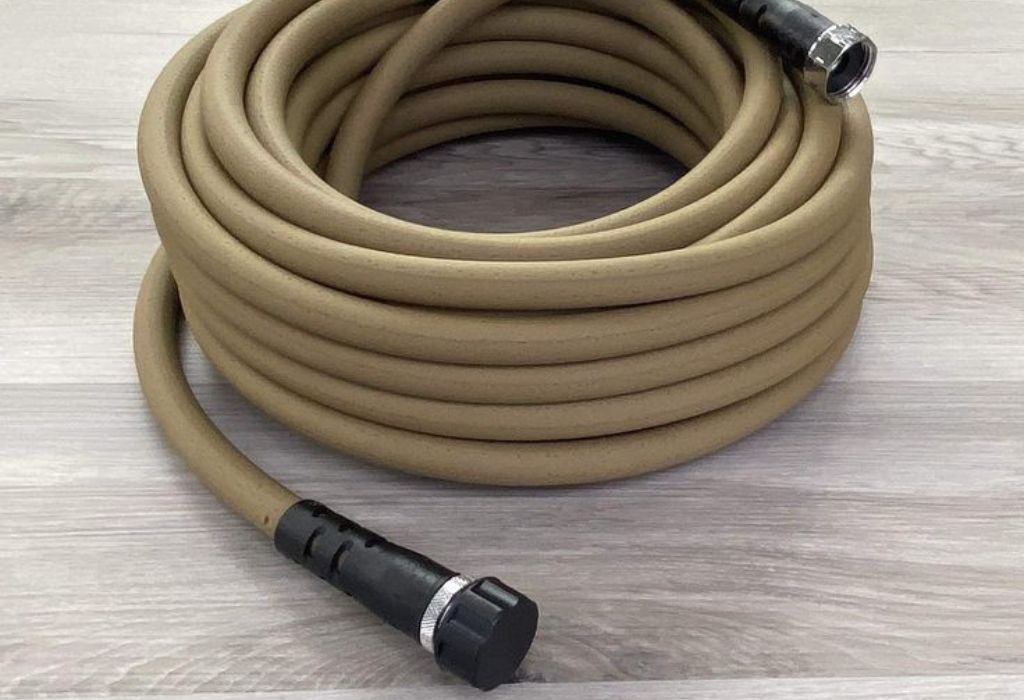
A soaker hose is a type of irrigation tool designed to release water slowly and evenly along its entire length. Unlike traditional sprinklers, it delivers water directly to the soil, reducing evaporation and runoff.
Soaker hoses are commonly made from porous materials such as vinyl or rubber. Tiny holes or micro-pores along the hose surface allow water to seep gradually into the soil, providing consistent moisture to plant roots.
The primary purpose of a soaker hose is to maintain optimal soil hydration. By applying water slowly and directly, it encourages deep root growth and minimizes surface wetting, which can reduce weed growth and disease risk.
There are several types of soaker hoses available to suit different garden layouts and watering needs. Standard hoses are flexible and affordable, reinforced hoses handle higher water pressures, and flat or expandable hoses offer compact storage and easy deployment.
Placement and design are critical for efficiency. Hoses are typically laid along plant rows, with gentle curves following the bed’s contour, ensuring that each plant receives adequate water without pooling or dry spots.
Soaker hoses are especially beneficial for vegetable gardens. They deliver water evenly to crops like tomatoes, peppers, and leafy greens, ensuring consistent growth and higher yields. Proper use also reduces water waste compared to overhead sprinklers, making them environmentally friendly.
Maintenance and longevity are key considerations. Flushing hoses periodically removes sediment, while proper storage during winter prevents cracking or damage from freezing temperatures.
By understanding what a soaker hose is and how it functions, gardeners can leverage this tool to improve water efficiency, promote healthy plant growth, and simplify daily irrigation routines. This knowledge lays the foundation for determining how long to leave the hose running for maximum benefit.
Factors Affecting Soaker Hose Duration
The amount of time a soaker hose should remain on a vegetable garden depends on several key factors. Understanding these variables ensures plants receive sufficient water without wasting resources.
Soil Type plays a significant role in determining watering duration. Sandy soils drain quickly and often require longer watering times, while clay soils retain moisture and need shorter watering sessions.
Weather Conditions also influence hose duration. Hot, dry, or windy weather increases evaporation, necessitating longer or more frequent watering. Conversely, cooler or rainy periods reduce water requirements.
Plant Type and Growth Stage affect how much water is needed. Young seedlings require shorter, frequent watering to establish roots, while mature plants benefit from deeper, less frequent watering to promote strong root systems.
Garden Layout and Plant Spacing determine how evenly water is distributed. Closely spaced rows may need slower or staggered watering to prevent pooling, while widely spaced beds allow longer soaking periods.
Water Pressure and Hose Flow Rate impact effectiveness. Low-pressure systems may require extended durations, while high-pressure setups can deliver sufficient water in shorter times.
Soil Mulching and Organic Matter influence how quickly water penetrates and retains moisture. Mulched beds slow evaporation, reducing the need for extended hose operation.
Time of Day is another consideration. Watering in the early morning reduces evaporation and allows plants to absorb moisture before the heat of the day. Evening watering can increase the risk of fungal diseases if foliage remains damp overnight.
By evaluating these factors, gardeners can tailor soaker hose durations for maximum efficiency. Adjusting for soil type, plant needs, weather, and layout ensures consistent soil moisture, reduces water waste, and promotes healthy vegetable growth. Proper timing is the key to leveraging the full benefits of soaker hose irrigation.
How Long to Leave Soaker Hose on Vegetable Garden
Determining how long to leave a soaker hose on vegetable garden beds is essential for healthy plant growth. The correct duration balances soil moisture, prevents overwatering, and conserves water.
General Guidelines suggest running the hose for 30–60 minutes per session. Frequency typically ranges from 2–3 times per week, depending on weather, soil type, and plant needs.
Adjusting for Soil and Plant Needs is critical. Sandy soils may require longer watering sessions, while clay soils often need less. Shallow-rooted vegetables need shorter periods, whereas deep-rooted crops benefit from extended watering.
Testing Soil Moisture helps fine-tune watering time. A simple check 1–2 inches below the surface ensures the soil is moist but not waterlogged. Adjust duration based on observed soil conditions to avoid over- or under-watering.
Timing for Efficiency is important. Early morning watering reduces evaporation and maximizes absorption, while evening watering can create damp conditions that increase the risk of fungal diseases.
Weather Adjustments ensure optimal hydration. Hot, sunny days may require longer sessions, while rainfall or high humidity reduces the need for additional watering. Monitoring daily weather patterns helps maintain consistent soil moisture.
Hose Layout and Coverage also affect duration. Hoses laid too far from plant roots or with uneven spacing may require longer run times to ensure all plants receive adequate water. Proper placement improves uniformity and efficiency.
By following these guidelines and adjusting for soil, plant, and environmental conditions, gardeners can achieve consistent moisture levels. Correct soaker hose duration encourages deep root growth, healthier vegetables, and higher yields while minimizing water waste.
Signs of Overwatering or Underwatering
Monitoring plant and soil conditions is essential to determine if soaker hose duration is correct. Recognizing signs of overwatering or underwatering helps gardeners adjust irrigation for optimal plant health.
Overwatering can cause yellowing or wilting leaves despite moist soil. Excess water can lead to root rot, nutrient leaching, and a higher risk of fungal diseases, negatively affecting vegetable yield.
Underwatering is often indicated by dry, brittle leaves and slow or stunted plant growth. Soil may pull away from the edges of plant beds, signaling insufficient moisture reaching the root zone.
Pooling Water or Saturated Soil shows that the hose may be running too long. Continuous water on the surface indicates overwatering and poor absorption into the root zone.
Dry Soil and Drooping Plants suggest that the hose is not running long enough. Even short periods of drought stress can reduce growth and decrease vegetable production.
Root Health is another indicator. Healthy roots appear firm and white, while overwatered roots become mushy and dark. Underwatered roots are thin, brittle, and less able to support plant growth.
Soil Cracking or Hardening also reveals moisture problems. Overwatered soil can become compacted and prone to erosion, while underwatered soil may shrink and crack, making water penetration less efficient.
By observing these signs regularly, gardeners can adjust soaker hose duration to match plant needs and environmental conditions. Timely adjustments ensure consistent soil moisture, healthier vegetables, and efficient water usage.
Installation Tips for Soaker Hoses in Vegetable Gardens
Proper installation of soaker hoses ensures even water distribution and maximizes efficiency. Placement, layout, and secure positioning are key factors for optimal performance.
Hose Placement should follow plant rows closely, keeping the hose near the root zone. This ensures water penetrates soil where it is most needed, reducing waste and promoting deep root growth.
Using Stakes or Hold-Downs prevents hoses from shifting during watering. Secure hoses maintain consistent coverage and avoid water pooling or dry patches.
Avoiding Sharp Bends is essential to maintain proper water flow. Kinks or loops can restrict flow, reducing the effectiveness of irrigation and causing uneven soil moisture.
Spacing Between Hoses depends on plant type and bed width. Closely spaced crops may require hoses placed in parallel or a zigzag pattern to ensure all plants receive adequate water.
Soil Preparation before installation enhances efficiency. Loosening compacted soil and adding mulch reduces surface runoff and promotes deeper water absorption.
Connecting to Water Source properly ensures steady flow. Use a timer or valve to regulate duration, matching hose output to plant needs and soil conditions.
Testing Coverage after installation helps identify gaps or oversaturated areas. Adjust hose position or spacing to maintain uniform soil moisture across the vegetable garden.
By following these installation tips, gardeners can optimize the performance of soaker hoses, prevent water waste, and encourage healthier vegetable growth. Proper setup is a foundational step in achieving consistent irrigation and higher yields.
Maintenance and Care for Soaker Hoses
Proper maintenance is essential to prolong the life of soaker hoses and ensure consistent watering performance. Regular inspection, cleaning, and storage protect hoses from damage and clogging.
Flushing Hoses periodically removes sediment, debris, and mineral buildup. This prevents blockages that can reduce water flow and compromise irrigation efficiency.
Inspecting for Leaks or Damage helps identify cracks, pinholes, or worn connectors early. Timely repairs prevent water waste and maintain uniform soil moisture for vegetable plants.
Winter Storage protects hoses from freezing and cracking. Drain water completely and store hoses in a sheltered area to maintain flexibility and prevent damage from cold temperatures.
Avoiding Sun and Heat Damage during summer can extend hose longevity. Prolonged exposure to UV rays and high temperatures can weaken hose material and reduce its efficiency.
Proper Handling During Use reduces stress on the hose. Avoid dragging over sharp edges or stepping on the hose to prevent punctures, kinks, or splits.
Using Mulch or Protective Coverings over hoses during use can reduce evaporation and shield hoses from direct sunlight. This helps maintain consistent soil moisture and improves watering efficiency.
Routine Checks Before Each Season ensure the hose remains in good condition. Replace worn parts or connectors to avoid interruptions during the growing season.
By following these maintenance and care practices, gardeners can keep soaker hoses functioning efficiently. Proper care ensures even irrigation, prevents water waste, and supports healthier vegetable growth throughout the year.
Benefits of Proper Soaker Hose Timing
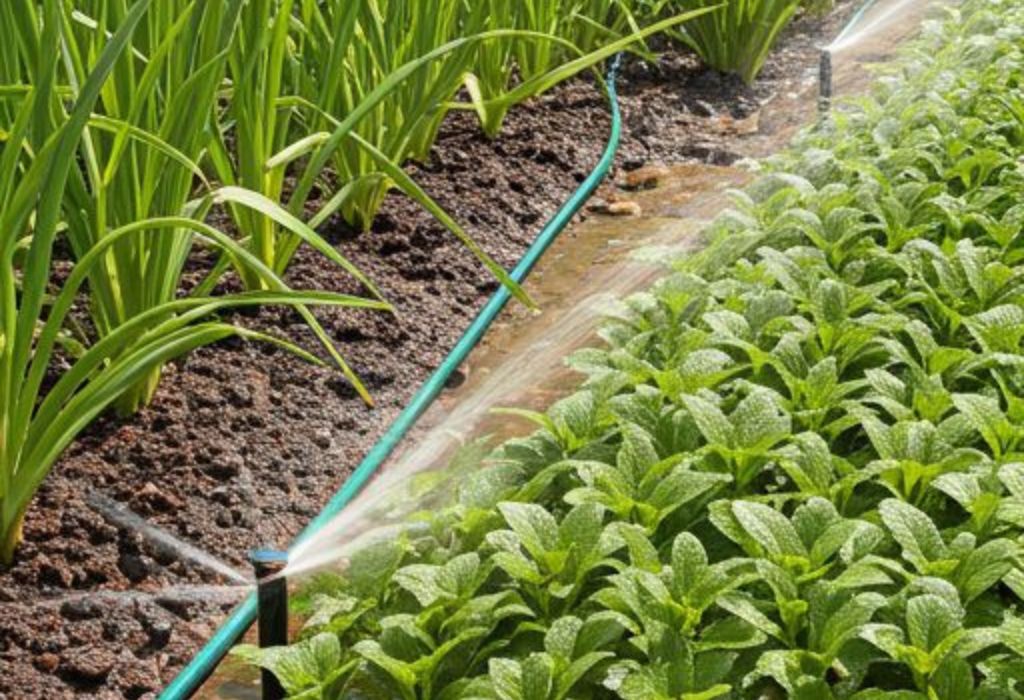
Timing soaker hose irrigation correctly ensures that vegetable gardens receive consistent moisture without overwatering or underwatering. Proper duration improves plant health, maximizes yield, and conserves water.
Efficient Water Use is one of the main advantages. Soaker hoses deliver water directly to the soil, and running them for the correct amount of time reduces waste due to evaporation or runoff.
Improved Plant Health results from consistent soil moisture. Roots grow deeper and stronger, plants experience less stress, and nutrient uptake is optimized, leading to higher yields and more vigorous growth.
Reduced Disease Risk occurs when foliage remains dry. Proper timing ensures water penetrates soil rather than wetting leaves, minimizing fungal and bacterial infections.
Time and Labor Savings are significant. Knowing the correct duration prevents repeated adjustments and guesswork, making daily watering routines more efficient and less labor-intensive.
Soil Preservation is another benefit. Proper watering prevents soil erosion and compaction, maintaining soil structure and supporting long-term garden fertility.
Environmental Benefits include reduced water consumption. Efficient irrigation contributes to sustainable gardening practices by conserving water resources and lowering utility costs.
Flexibility for Different Plants allows tailoring of watering schedules based on plant type and growth stage. Seedlings and mature vegetables can receive the exact moisture needed without excess.
By adhering to proper soaker hose timing, gardeners achieve consistent soil hydration, healthier plants, and more efficient water use. Correct duration is a small adjustment that delivers significant benefits across the entire vegetable garden.
Common Mistakes to Avoid
Even experienced gardeners can make mistakes with soaker hose irrigation. Avoiding common errors ensures consistent soil moisture, healthy plants, and efficient water use.
Leaving Hoses On Too Long or Too Short is a frequent issue. Overwatering can cause root rot and nutrient leaching, while underwatering leads to stunted growth and lower yields.
Ignoring Soil and Weather Conditions reduces irrigation effectiveness. Failing to adjust watering duration based on soil type, temperature, or rainfall can result in inconsistent soil moisture and stressed plants.
Poor Hose Placement leads to uneven watering. Hoses that are too far from roots or improperly spaced leave some plants dry while overwatering others.
Kinking or Twisting Hoses restricts water flow. Sharp bends, loops, or pinched areas can reduce efficiency and create dry spots in the garden.
Neglecting Maintenance causes blockages or leaks. Sediment buildup, worn connectors, and damaged hoses reduce water delivery and may require costly repairs if left unchecked.
Using Soaker Hoses During Extreme Heat or Cold can affect performance. High temperatures increase evaporation, requiring longer run times, while freezing conditions can damage hoses left in the garden.
Not Testing Soil Moisture Regularly leads to guesswork and inconsistent watering. Regular checks 1–2 inches below the surface ensure optimal irrigation and prevent over- or under-watering.
By recognizing and avoiding these mistakes, gardeners can optimize soaker hose efficiency, conserve water, and promote healthier vegetable growth. Careful attention to setup, duration, and maintenance ensures consistent, productive results.
Conclusion
Determining how long to leave a soaker hose on a vegetable garden is essential for achieving healthy, productive plants. Proper timing ensures consistent soil moisture, prevents over- or under-watering, and optimizes water use.
Understanding factors such as soil type, plant growth stage, weather, and hose placement allows gardeners to adjust watering duration for maximum efficiency. Correct soaker hose timing encourages deep root growth, healthier vegetables, and higher yields.
Proper installation, maintenance, and care extend the life of hoses and prevent common issues like leaks, kinks, or uneven watering. Regular checks, flushing, and storage during extreme temperatures ensure reliable irrigation throughout the growing season.
Avoiding common mistakes, including leaving hoses on too long, ignoring environmental conditions, or poor placement, supports consistent water delivery and prevents stress on plants. Observing soil moisture and adjusting duration accordingly is key to effective vegetable garden management.
By following the guidance in this article, gardeners can transform their watering routines into efficient, reliable, and productive practices. Optimizing soaker hose duration is a simple but powerful step toward healthier crops, reduced water waste, and a thriving vegetable garden.

I’m Maya L. Greenwood, a lifelong plant lover who believes anyone can grow something beautiful with the right guidance. After years of testing soil mixes, pruning methods, irrigation tricks, and pest-safe solutions, I started EasyGardenTips.com to turn hard-won lessons into step-by-step advice. From seed starting and container gardens to composting and seasonal checklists, my goal is to make gardening simple, sustainable, and fun.