Can You Use Potting Soil to Plant a Tree? What to Do Instead
Usually, no: don’t use potting soil as the main backfill when planting a tree in the ground. Use the soil you dug out of the planting hole; potting mix is made for containers, where roots and water behave differently.
Are you worried your yard’s soil is too heavy, sandy, or lumpy for a young tree? Or have you already bought a bag of potting mix and want to know if it can help without causing trouble later?
I once tried to improve a tree’s planting hole with a fluffy bagged mix because the yard soil looked stubborn and dense. That left me with a planting hole that held water differently from the ground around it, and I had to rethink the setup. It’s a common mistake, not a dumb one.
I wrote this to help you choose the right soil for the job, whether your tree is going in the yard or staying in a pot. You’ll get a straightforward planting method, a clear explanation of when potting soil is useful, and a few signs that tell you when to pause and check your site.
Get the soil choice right and you can avoid a soggy root zone, save money on amendments, and give the tree a better start. Get it wrong and roots may struggle to move into the surrounding soil, or the tree may dry out faster than you expect.
This takes about 10 minutes to read. By the end, you’ll know how to:
- Choose between native soil, amended soil, and container mix.
- Plant a tree at the right depth without burying its trunk flare.
- Tell when a tree is better suited to a container.
- Water and troubleshoot the root zone after planting.
Can You Use Potting Soil to Plant a Tree?
For an in-ground tree, use the soil from the planting hole as backfill, not potting soil. Potting mix is appropriate for a tree growing in a container, provided the container drains well and the mix suits the tree.
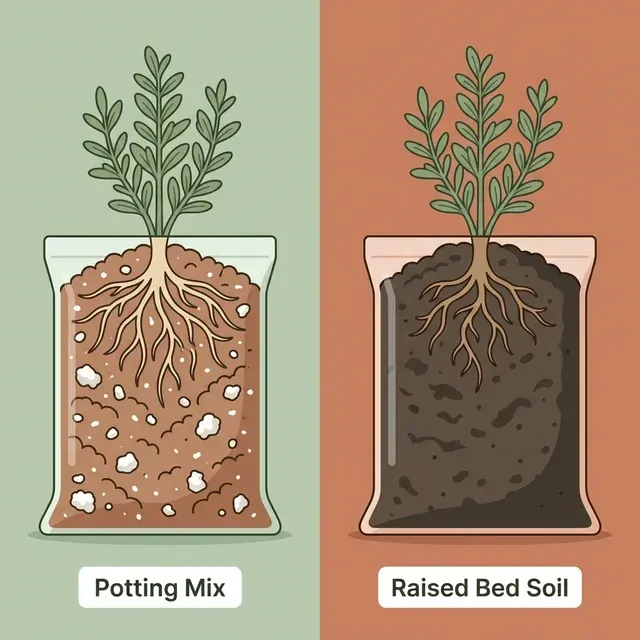
The reason is the difference between a pot and the ground. Potting mix is usually light and designed to hold air and water in a confined container. Yard soil connects to a much larger area, and roots need to grow outward from the planting hole into that soil.
A pocket of very different material can make the transition harder and can change how water moves around the roots.
| Where the tree will grow | What to use | Why |
|---|---|---|
| In the ground | Soil dug from the planting hole | Keeps the backfill similar to the surrounding ground |
| In a container | A well-draining potting mix suited to the tree | Container roots need air and water in a limited space |
| In ground with poor or unusual soil | Choose a suitable planting site or get local soil advice | The right fix depends on drainage, soil type, and the tree |
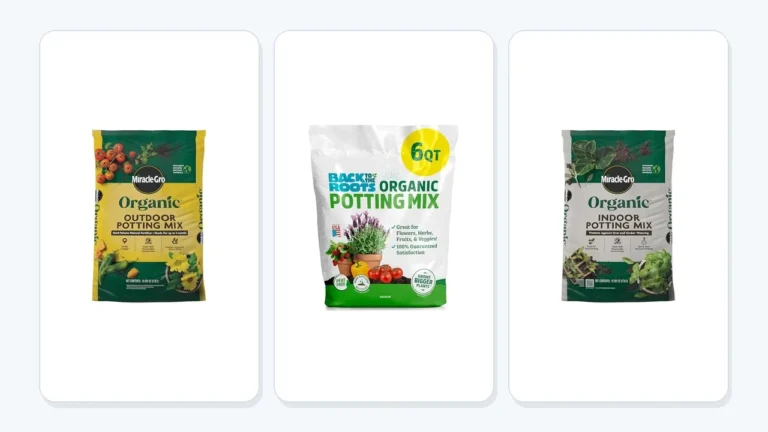
A bag labeled “tree and shrub mix” can sound like the obvious answer, but check what it’s made for. Some products are container mixes, while others are amendments meant to be blended into soil; the label should say which. For container-growing options, potting soil for trees can help you compare mixes by the conditions trees need in a pot.
What if your yard soil is hard clay or drains slowly? Don’t automatically swap it for potting mix; first check whether the site itself is suitable for the tree. A tree planted in a low, wet spot may keep struggling even if you fluff up the planting hole.
Pro Tip: Before digging, water the area and check how quickly the water drains. A hole that stays full long after nearby soil has drained may call for a different planting spot or advice suited to your local conditions.
Potting mix also varies by brand and purpose. Some mixes contain fertilizer or materials that hold extra moisture, which can be a poor match for a tree planted outdoors. A container soil designed for herbs or annual flowers isn’t automatically a good fit for a woody tree that must live through changing seasons.
For outdoor containers, weather matters too: a mix that drains and holds moisture well in a sheltered porch may behave differently in wind and direct sun. outdoor potting soil options are worth comparing when the tree will stay in a planter rather than go into the ground.
Plant a Tree in Native Soil the Right Way
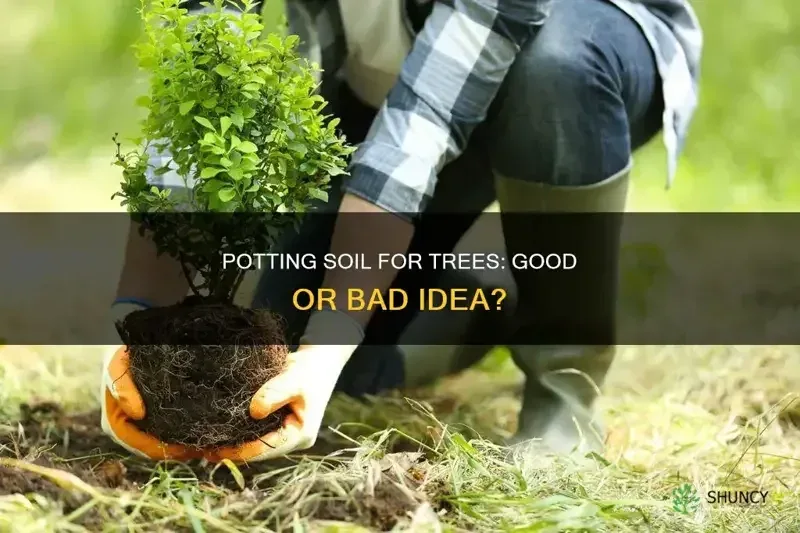
A good in-ground planting starts with a wide hole, a visible root flare, and backfill made from the soil you removed. Those choices help roots spread into the yard instead of staying trapped in a small pocket.
Follow these steps:
- Check the planting site. Look at the tree’s expected mature size, nearby buildings, overhead wires, and how water drains after rain. If the site stays wet or has buried utilities, deal with that before digging.
- Find the root flare. The root flare is the point near the trunk where the main roots begin to spread outward. It may be hidden beneath extra soil in the nursery container, so gently brush away loose material until you find it.
- Dig wide, not deep. Make the hole roughly two to three times as wide as the root ball, with sloping sides. Keep the center firm enough to support the tree, and don’t dig deeper than the root ball’s height.
- Set the tree at the right height. Place the root flare at or slightly above the finished soil level, allowing for settling. A tree planted too deep can have buried bark and roots that lack the air they need.
- Backfill with the dug soil. Break up large clods by hand and remove trash, but don’t add potting mix or a heavy dose of fertilizer to the hole. Fill around the roots in stages, settling soil gently with your hands.
- Water the root zone. Water slowly after planting so the soil settles around the roots. If the ground sinks and exposes part of the root ball, add a little more native soil without covering the root flare.
- Mulch the surface. Spread a layer of organic mulch over the root area, keeping it several inches away from the trunk. Mulch helps reduce moisture loss, but a volcano piled against the bark can keep it too damp.
The root ball is the mass of roots and soil that comes with the tree from a nursery container or field. If the root ball is wrapped in burlap or held by a basket, follow the nursery’s directions and local planting guidance for removing or loosening those materials. Don’t tug hard on the trunk to lift the tree; support the root ball instead.
Here’s the planting mistake I’ve had to correct: I focused on making the hole feel soft and rich, then realized I’d buried the root flare under extra soil. The tree’s trunk looked like a straight post entering the ground, rather than widening into roots. Checking the flare before backfilling would’ve saved the extra work.
How can you tell if the tree is too deep? Look for the trunk disappearing straight into the ground with no visible widening at its base. Carefully remove excess soil from around the trunk until the first main roots are visible, then keep that area clear as you finish.
Important Tip: Don’t make a deep planting hole and fill the bottom with loose potting mix to raise the tree. Loose material can settle, leaving the root ball too low after planting.
A tree’s first watering matters, but soaking it once doesn’t replace later checks. Feel the soil near the root ball: if it’s drying out, water slowly; if it’s already wet, wait and check again rather than adding more. Soil type, weather, tree size, and drainage all affect how often watering is needed.
The planting hole should be wide enough to make it easy for roots to move into nearby soil. If the ground is compacted, loosen the sides of the hole so roots aren’t facing a smooth, hard wall. Avoid turning the whole planting area into powder, which can settle tightly after watering.
A tree planted in clay doesn’t always need a bagged amendment. Mixing a small pocket of lighter material into dense ground can create a sharp change between the hole and the yard. If clay soil is a concern, choosing a species suited to that site or planting on a suitable raised area may be a better path than trying to remake the hole.
Do you need fertilizer at planting time? Usually, don’t add it to the planting hole unless the tree’s care directions or a local soil test calls for it. Too much fertilizer near new roots can cause stress, and extra nutrients won’t fix poor drainage or a tree planted too deep.
When Potting Soil Makes Sense for a Tree
Potting soil makes sense when the tree will grow in a container, not as a replacement for yard soil around an in-ground tree. Containers need a mix that can hold enough moisture while leaving air around the roots.
Pick a pot with drainage holes and enough room for the tree’s root ball and future growth. A container that’s too small dries quickly and leaves little space for roots; one that’s very large can hold more wet mix than the young tree can use. Check the tree’s growing requirements before choosing a pot, since mature size and cold tolerance matter.
For container trees, use a potting mix intended for outdoor containers or woody plants, and check the package for drainage guidance. Don’t fill the pot with garden soil, which can compact in a container and leave roots short of air. If a tree is moving from outdoors into a pot, its roots need a suitable container environment, not just a different label on a bag; outdoor mix for indoor plants is a separate question because indoor conditions change light, airflow, and drying.
The mix should be damp enough to support roots but not stay waterlogged. Water until excess runs through the drainage holes, then let the mix begin to dry as appropriate for the tree and conditions. A saucer that stays full of runoff can keep the bottom roots wet, so empty it rather than leaving the pot sitting in water.
Could an old container mix be reused? Sometimes, but first check what grew in it and whether the mix still drains well. Mix from a diseased plant, a pest-infested pot, or a container that stayed soggy is a poor choice for a new tree; reuse soil from a dead plant only after checking the cause and condition of the mix.
Tree species have different needs, so don’t assume one potting mix suits every tree. A maple in a container needs a pot with drainage and a mix that won’t stay saturated, while the best blend still depends on the specific maple and the growing conditions; potting mix for maple trees is a useful comparison to make before buying.
Evergreens can have their own container needs, too. A spruce kept in a pot faces exposure to wind and changing temperatures, so the container and mix both need to support steady moisture without trapping excess water; potting mix for spruce trees can help you compare options for that use.
In-ground trees and potted trees also differ in winter protection. A tree in the ground gets some insulation from surrounding soil, while a container’s roots are exposed to colder air. Check the tree’s cold tolerance and your local conditions before leaving a container outdoors through winter.
If a container tree is struggling, check the basics before replacing all its soil. Look at drainage holes, moisture, root crowding, and whether the tree’s leaves or needles show stress. A root ball packed tightly with circling roots may need attention during repotting, but don’t cut major roots without knowing the tree’s needs.
The bag label can help you avoid a costly mismatch. Look for whether the mix is intended for outdoor containers, whether it contains fertilizer, and what watering behavior the maker recommends. I’d choose a plain, well-draining mix over a heavily amended product unless the tree’s care directions call for added nutrients.
- For in-ground trees, backfill with the soil removed from the hole.
- For container trees, use a suitable container mix and a pot with drainage.
- Keep the root flare visible and avoid burying the trunk.
- Check drainage and watering before adding soil amendments.
FAQs About Can You Use Potting Soil to Plant a Tree
Can I mix potting soil with garden soil for a tree?
Usually, don’t add potting soil to the backfill for an in-ground tree. A different texture in the hole can affect water movement and root growth. Use the dug soil unless a local soil test or qualified planting recommendation calls for a specific amendment.
What soil should I use to plant a tree in my yard?
Use the soil you removed from the planting hole, broken up enough to fill around the root ball. Set the tree so its root flare sits at or just above ground level. If drainage is poor, the site may need a different tree or planting location.
Can I use potting soil for a tree in a pot?
Yes. A tree growing in a container needs a suitable potting mix and a pot with drainage holes. Choose a mix intended for outdoor containers or woody plants, and check the tree’s needs before buying, since moisture and cold tolerance vary by species.
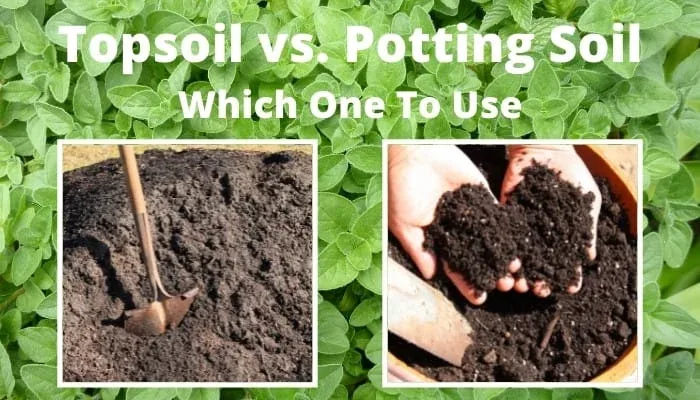
Is potting soil better than topsoil for a tree?
Neither is automatically better for an in-ground tree. Use native soil as backfill because it matches the surrounding ground. In a container, use potting mix rather than ordinary yard topsoil, which can compact and limit airflow around the roots.
Should I add compost when planting a tree?
Only add compost if a soil test or local planting advice calls for it. A rich layer of compost in the hole can create a different growing pocket from the surrounding ground. For routine planting, focus on proper depth, native-soil backfill, and watering.
Give the Roots a Solid Start
For a tree going into your yard, skip the bag of potting mix and start with the soil already on the site. Dig a wide hole, keep the root flare at the right height, and water the root ball and surrounding soil as needed. Those basics do more for a young tree than trying to make its planting hole feel like a flowerpot.
Potting mix has a real place in tree care, just in a different one: the container. If you’re unsure whether your yard drains well or whether a tree suits the spot, pause and check before planting. My clearest advice is to choose the planting location first, then use the soil that fits that setting.
A little patience now can save you from moving a struggling tree later.

I’m Maya L. Greenwood, a lifelong plant lover who believes anyone can grow something beautiful with the right guidance. After years of testing soil mixes, pruning methods, irrigation tricks, and pest-safe solutions, I started EasyGardenTips.com to turn hard-won lessons into step-by-step advice. From seed starting and container gardens to composting and seasonal checklists, my goal is to make gardening simple, sustainable, and fun.