Can You Reuse Potting Soil? How to Do It Safely and Save Money
Yes, you can reuse potting soil if the old mix is free of serious disease, pests, and chemical contamination, and you refresh its structure and nutrients before planting. For a healthy container, sift out roots, loosen compacted mix, blend in fresh material, and add fertilizer suited to the new plant.
Have you opened a pot at the end of the season and wondered whether that dry, tired-looking mix is still useful? Or are you worried that keeping it might carry a fungus, pest, or nutrient problem into next year’s plants?
I once emptied a pot onto a tarp and saved nearly all the soil without checking the roots first. A tangled, sour-smelling clump at the bottom turned into a headache when the next plant struggled, and I had to start over. That’s a common shortcut, not a dumb mistake.
I wrote this to help you make a quick, sensible call before you fill another pot. You’ll learn when old potting mix is worth saving, how to refresh it, and when it’s safer to toss or repurpose it.
Getting this right can save money, reduce waste, and help your next plant settle in without inheriting a problem. Skip the inspection, though, and you could carry over pests, poor drainage, or an infection that harms the new planting.
This takes about 16 minutes to read. By the end, you’ll know how to:
- Sort reusable mix from soil that should be discarded.
- Restore drainage and add nutrients without overfertilizing.
- Reuse old mix for a different plant or outdoor garden bed.
- Handle possible disease, pests, and other safety concerns.
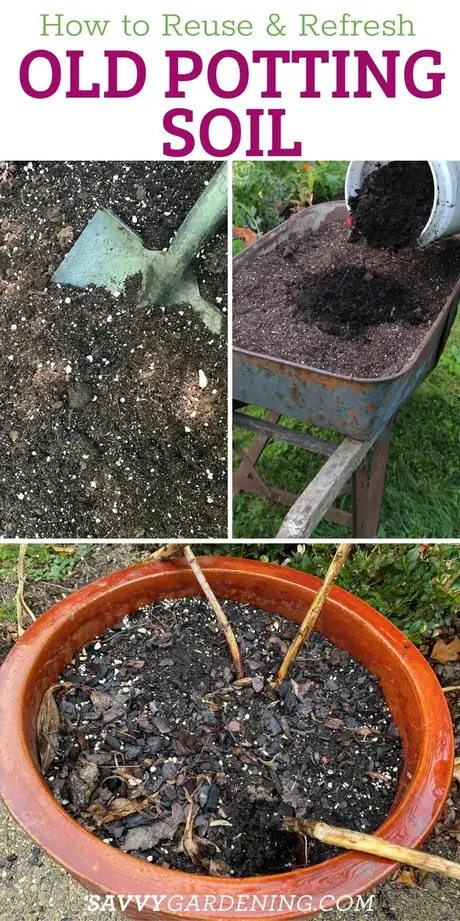
Can You Reuse Potting Soil Safely?
Yes, reuse potting soil when the previous plant was healthy and the mix still drains well after you loosen and refresh it. Remove roots and debris, improve the texture with fresh ingredients, and replace nutrients before planting again.
Potting mix is a lightweight growing medium made for containers, often using materials such as peat moss or coir, bark, perlite, and compost. It isn’t the same thing as garden soil: container mix is designed to let air and water move through a pot, so an old mix that has collapsed into a dense mass may not be worth saving. If you want a closer look at [potting soil ingredients and types]( potting soil ingredients and types), compare the bag label with the mix you have.
Use this quick decision table before you start cleaning:
| Condition of old mix | Reuse decision | What to do |
|---|---|---|
| Plant was healthy; mix smells earthy and drains freely | Usually reusable | Remove roots, loosen, refresh, and fertilize |
| Mix is dry, compacted, or low in volume | Reusable if there are no disease signs | Break it up and blend with fresh mix or suitable amendments |
| Mix has visible insects, eggs, or persistent pest damage | Avoid reusing for seedlings or sensitive plants | Identify the pest and choose a safer disposal or treatment plan |
| Plant died from unknown causes | Use caution | Check roots, smell, stems, and nearby plants before deciding |
| Plant had root rot or a soil-borne disease | Don’t reuse for another container plant | Bag the mix for disposal or use only where local guidance allows |
| Mix has chemical, fuel, or contaminated-material exposure | Don’t reuse | Keep it out of pots and food-growing areas; follow local disposal rules |
The previous plant’s health matters more than the age of the mix. A container that held a thriving annual may leave behind usable mix, while a pot that lost a plant to root rot can carry risk even if the soil looks ordinary.
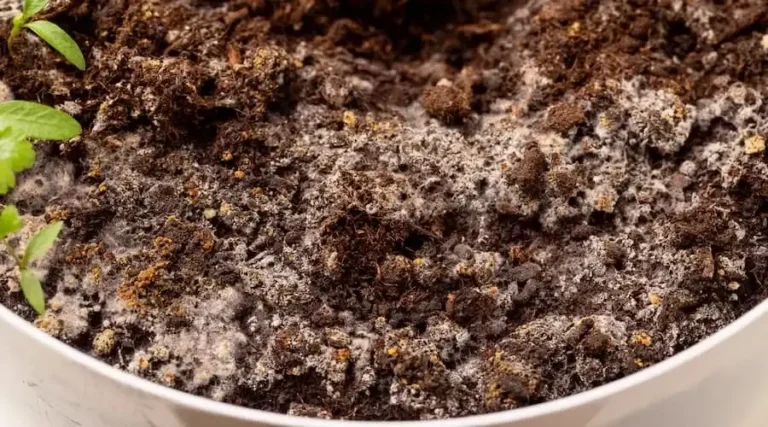
Inspect the mix in daylight. Look for healthy, crumbly pieces rather than a hard, water-repelling brick, and check for roots, webbing, larvae, and pale or fuzzy growth. A mild earthy smell is normal; a sour, rotten, or swampy smell is a warning to pause.
Ask yourself: did the plant die suddenly, or did it simply finish its normal life cycle? A spent annual that bloomed for months is different from a young plant that wilted while the mix stayed wet, since that pattern can point to root damage or disease.
When to keep the mix and when to discard it
Old mix is a good candidate for reuse when the previous plant stayed healthy, the container drained, and you can restore a loose texture. It’s often best for established plants, hardy ornamentals, and outdoor containers rather than a fresh batch of delicate seedlings.
Discard or avoid container reuse if the pot had a serious soil-borne disease, which is a plant illness that can survive in soil or on plant debris. Examples include some root rots and wilts, but the exact risk depends on the plant and the cause of death. If you can’t tell whether the plant had a contagious problem, don’t gamble with a valuable new plant.
A pest problem calls for judgment, too. A few harmless insects that wandered into an outdoor pot aren’t the same as a heavy infestation of fungus gnats, root aphids, or other pests living in the mix. If pests keep showing up after you clean the pot, use fresh mix for the next planting.
Plants that died after a freeze, drought, broken stem, or missed watering may leave soil that’s still usable. The dead plant itself doesn’t prove the mix is unsafe, but you still need to inspect roots and check for a bad smell or signs of pests.
Pro Tip: Take a photo of the plant’s leaves and roots before you pull it out. If you later spot a problem in the saved mix, that record may help you work out whether the plant had a likely disease or a simple watering issue.
Do you need to treat every reused batch to kill germs? No, not if the previous plant was healthy and the mix has no pest or disease signs; unnecessary treatment can be more trouble than it’s worth. If you suspect a serious pathogen, don’t rely on a casual home treatment to make contaminated mix safe for a valuable plant.
Reuse is different for different plants
Old mix may work well for many container plants, but plant type changes the risk and the amount of refreshing needed. Hungry vegetables, seedlings, and plants with sensitive roots deserve more care than a hardy ornamental in a large outdoor pot.
Tomatoes draw heavily on nutrients during a growing season, so old mix from a tomato container needs more than a quick fluff-up. If the plant was healthy, you may be able to refresh the mix, but a new crop should get a balanced, labeled fertilizer and a growing medium with good drainage; the details behind reusing potting soil for tomatoes can help you weigh that choice. For a new tomato planting, the right potting soil for container tomatoes is worth comparing with what you already have.
A container that held a plant with root rot is a different case. Don’t mix that soil into a healthy tomato pot simply because you want to stretch a bag of fresh mix; the [risk from soil from a dead plant]( risk from soil from a dead plant ) depends on why the plant died.
For flowers and foliage plants, blend old mix with fresh material if the texture still feels open and drains well. For seedlings, herbs, and other young plants, I’d choose fresh, clean mix when there’s any doubt, because seedlings have little room for a rough start.
A quick test for drainage and texture
You can check old mix with your hands and a small pot before committing a whole container. The test won’t diagnose disease, but it can tell you whether the medium is still workable.
- Remove the largest roots, stems, and leaf pieces.
- Break a handful apart gently. It should loosen without turning to dust or holding its shape like wet clay.
- Moisten a small sample slowly. Water should soak in rather than bead on top or run down the pot’s edge.
- Fill a small pot with the sample and water it. The mix should drain from the bottom, then stay evenly moist without becoming a soggy lump.
- If it passes those checks, refresh a small batch first before filling every container.
Peat-based mixes can shrink as they dry and become hard to wet. Add water in stages and stir between additions, rather than dumping in a big splash that leaves a wet center and dry edges.
Old mix often loses air space after roots grow through it and watering presses it down. If a handful stays compressed when you squeeze it, loosen it and add fresh, coarse material suited to the original mix, such as perlite or bark. Don’t add a thick layer of fine compost just to make a small pile look bigger; fine material can make drainage worse.
If the sample stays waterlogged, smells sour, or grows a dense mat of roots, put it aside rather than forcing it into another pot. That simple trial can save you from moving a problem into an expensive planter.
How to Refresh Old Potting Soil Before Planting
To refresh reusable potting soil, remove debris, loosen the mix, restore air space, and add nutrients based on the new plant’s needs. Work in a clean tub or on a tarp, then test a small sample if the old mix looks compacted or behaves oddly.
Here’s a practical sequence that keeps the job simple:
- Empty the pot and inspect the roots. Healthy roots are usually firm, while dead or rotting roots can be soft and dark. Remove the old plant and its root ball, and don’t shake suspect root debris back into the clean pile.
- Pick out roots and debris. Break apart large clumps by hand and remove old stems, leaves, plastic, and labels. A coarse screen can help, but don’t sift out every bark piece or bit of perlite; those materials can help keep the mix open.
- Check for pests and disease signs. Look for larvae, egg clusters, webs, fuzzy growth, and a sour smell. Stop if you find signs that point to a serious problem rather than simply removing the visible pieces and carrying on.
- Loosen the mix. Use your hands or a clean garden fork to break up compacted clumps. Avoid grinding the mix into powder, which can make it settle more tightly in the next pot.
- Add fresh material as needed. Blend old mix with fresh potting mix or suitable structural ingredients so water and air can move through it. The right balance depends on the original ingredients and the plant you’ll grow.
- Replace nutrients. Add a fertilizer labeled for the new plant and follow its directions. If the fresh mix already contains fertilizer, check its label before adding more.
- Moisten and test. Add water gradually, mix it through, and check how the batch drains in a small pot. Keep the mix slightly moist for planting, not heavy and dripping.
The target isn’t a perfect recipe. It’s a medium that holds enough water for roots, drains excess water, and leaves room for air. A large pot of old mix that drains well may need only a modest refresh, while a small container full of dense, root-bound material may be easier to replace.
Important Tip: Wear gloves when handling old potting mix, especially if you’re sensitive to mold or dust. Avoid breathing dry dust; lightly dampen a dusty batch before you sift or stir it.
Mix old and new without making a dense blend
You can mix old potting soil with new when the old mix is clean, the materials are compatible, and the finished blend still drains freely. Mixing alone doesn’t restore nutrients or eliminate disease, so treat it as one part of refreshing rather than a cure-all.
The proportion depends on condition, not a universal formula. If the old mix still looks open and crumbly, use more of it; if it’s compacted or has lost much of its structure, use more fresh mix and test the blend before planting. A container that held a demanding crop also needs a nutrient plan, even if the texture looks fine.
Blend in a tub until the mix looks even, then dampen and test a small amount. If water pools on top or drains unusually fast through gaps, adjust the texture before filling the final pot. The practical advice on mixing old and new potting soil is especially useful when the two mixes have visibly different ingredients.
A blend of old mix and fresh mix can still be too dense if both contain fine, compacted material. Add a suitable coarse ingredient only when it fits the plant and mix, and avoid piling on garden soil or fine sand. Those can weigh down a container and reduce the air spaces roots need.
I once tried to fix a tired container by stirring in a generous scoop of very fine compost. The mix held water longer than I expected, and the lesson was plain: adding more organic matter isn’t the same as improving drainage.
Restore structure, not just the color
Color can be misleading. Darker soil doesn’t automatically have more usable nutrients, and a pale mix isn’t necessarily spent; texture, drainage, and plant history tell you more.
Air space is the space between particles that lets roots get oxygen. When a container mix collapses, roots can struggle even when you water regularly, because water fills too much of the space that should hold air. A plant may look thirsty while its roots sit in wet, poorly aerated mix.
Perlite is a light, porous ingredient that can add air space, while bark pieces can help maintain a coarse texture in mixes made for larger containers. Coir and peat moss hold water, but too much of a fine, water-holding material can be a poor match for a pot that already stays wet. Choose an amendment based on the actual problem, not a one-size-fits-all ratio.
Avoid adding a heavy scoop of backyard soil to a container. Garden soil can compact in pots and may bring weed seeds or pests, which undercuts the purpose of refreshing a lightweight mix.
If the old mix has shrunk far below the pot’s fill line, don’t top it off with a thin cap and assume the whole container is fixed. Roots still sit in the old material below, so mix the blend throughout the usable volume or replace more of it.
Replace nutrients carefully
Plants use nutrients during growth, and watering can carry some soluble nutrients out through drainage holes. Old potting mix may need feeding, but the amount depends on the old fertilizer, the fresh mix, and the plant you’re growing.
Look at the new mix bag and fertilizer label before adding anything. Some mixes contain a starter fertilizer or a slow-release fertilizer, which releases nutrients over time; adding another full dose without checking can stress roots. If the label doesn’t give a clear direction for combining products, use a conservative approach and ask a local garden center or extension office for plant-specific advice.
A complete fertilizer supplies the main nutrients plants need, including nitrogen, phosphorus, and potassium. Use a product labeled for the plant type and follow its instructions rather than guessing from how green the old mix looks. Extra fertilizer doesn’t repair poor drainage, root disease, or a depleted structure.
Compost can add organic matter and some nutrients, but it isn’t a precise replacement for a labeled fertilizer. Too much can make a pot heavy or hold more water than the plant prefers. If you add compost, mix it through in a modest amount and test drainage before planting.
Seedlings and newly rooted cuttings are easy to overfeed. For young plants, start with a fresh mix suited to seed starting or use fertilizer only when the label says the plant is ready for it.
Pests, Disease, Storage, and Other Uses
Old potting soil isn’t automatically unsafe, but pests, disease, bad storage, and contamination can make reuse a poor choice. Keep suspect mix separate while you decide, and don’t treat heat, composting, or blending as a guaranteed way to make diseased soil safe.
Handle pests and disease with care
A clean-looking surface doesn’t prove that the entire root zone is free of trouble. Some pests and disease problems may be hidden in root debris or moist clumps, so use the plant’s history as part of your decision.
If the former plant had a mild problem that wasn’t soil-borne, the mix may still be usable after you remove debris and clean the container. But if a plant wilted despite wet soil, had blackened roots, or developed a known soil-borne disease, choose fresh mix for another container plant. The cost of a bag of mix is usually easier to swallow than losing a whole row of new seedlings.
Don’t use a household oven to heat potting mix. Heating can produce unpleasant odors, and it’s hard to control the temperature through a batch without special equipment and a clear reason to do it. Home heat treatment also doesn’t turn every contaminated mix into a reliable growing medium.
Solar heating in a sealed bag is sometimes discussed as a pest-control method, but results depend on sunlight, temperature, depth, and how long the material heats. It shouldn’t be treated as a sure cure for serious disease. When disease risk is the concern, discard or repurpose the mix away from susceptible plants rather than relying on a quick treatment.
A dirty pot can reintroduce the same issue to fresh mix. Remove old roots and soil from the container, wash off visible grime with soap and water, then rinse; if a known disease was present, ask a local plant-health professional how to clean that specific pot safely.
Pro Tip: Keep clean, questionable, and discarded mix in separate buckets or on separate tarps. It’s much easier to avoid a mix-up before you plant than to work out later which batch went where.
Clean old mix and containers
Cleaning old potting mix means removing plant debris and improving the mix’s condition; it doesn’t mean sterilizing every particle. If you’re trying to clean old potting soil before reuse, start with a careful inspection and stop if the old plant may have carried a serious disease.
Use a hand sieve or screen only if roots and debris are tangled through the batch. A coarse screen helps separate large pieces, but fine sifting can remove useful bark and aerating material while creating dust. Work outdoors or in a well-ventilated spot, and dampen dry mix before handling it.
Clean the container separately. Scrub off stuck roots and residue, wash the pot with soap and water, then rinse until no suds remain. Let the pot drain and dry before adding refreshed mix, especially if it’s made of porous material that can hold moisture.
If pests were part of the problem, inspect the underside of the rim, drainage holes, saucer, and nearby plant debris. A new bag of mix won’t solve a problem if old roots or a dirty saucer are still harboring pests. Clean the tools you used before moving to healthy plants.
Store saved mix so it stays usable
Store reused mix in a closed, sturdy container or a well-sealed bag, somewhere dry and protected from rain. A damp open pile can become a home for weeds, insects, and mold, while a dry, dusty pile is unpleasant to handle.
Label the container with the plant or pot it came from and whether you noticed any problems. “Healthy annual, no pests” is more helpful later than an unlabeled bucket that looks like every other bucket in the shed. Keep questionable mix separate from clean saved mix.
Don’t store a freshly fertilized batch for a long time without noting what you added. Fertilizer products differ, and the label directions determine how and when to use them. If you don’t remember what went into a container, test a small batch and avoid adding another full dose by guesswork.
Keep stored mix away from children and pets, and don’t leave it where stormwater or runoff can contaminate it. If it gets soaked, check its smell and texture before reuse; wet storage can encourage mold and compaction.
Use old potting soil in a garden or compost pile
Old potting mix that isn’t suitable for another container may still be useful in a garden bed or compost pile, as long as it’s free of serious disease and chemical contamination. Garden soil and compost have more room to dilute and blend the material, but they don’t make contaminated soil harmless.
To [put old potting soil in a garden]( put old potting soil in a garden ), spread clean, healthy mix into an ornamental bed or blend it with existing soil rather than dumping a deep, isolated layer around one plant. The mix can help add organic matter, though its value depends on what it contains and how degraded it is. Don’t use questionable mix around crops that could be affected by the same disease.
Can you compost old potting soil? Yes, if the mix came from healthy plants and your composting setup can handle it. Add it in manageable amounts and mix it with other compost materials instead of making a thick, soggy layer; practical details on composting old potting soil help you decide whether it belongs in your pile.
Skip the compost pile if the mix may contain a serious plant pathogen, persistent pest infestation, herbicide residue, or another contaminant. A typical home compost pile may not reach consistent conditions that kill every pest or disease organism, so don’t count on it as a cleanup system. Follow local rules for disposal when contamination is possible.
Mix with treated fertilizer or herbicide? Don’t put it into a vegetable garden or compost pile unless the product label clearly permits that use. Some chemical products can harm plants or beneficial organisms, and the label is the right source for handling and disposal directions.
Common problems after reuse
A plant that struggles after transplanting doesn’t always mean the old mix was the cause. Watering, light, pot size, temperature, and transplant stress all affect growth, so check the whole setup before changing several things at once.
| What you notice | Possible cause | First thing to check |
|---|---|---|
| Water pools on the surface | Compacted or water-repelling mix | Loosen the mix and water slowly |
| Water runs down the pot edge | Dry, shrunken mix or gaps around the root ball | Rewet in stages and check whether the root ball is connected to the mix |
| Pot stays heavy and wet | Poor drainage, blocked holes, or dense mix | Clear drainage holes and check the mix texture |
| Leaves pale after planting | Transplant stress, watering trouble, or nutrient shortage | Check moisture and light before applying fertilizer |
| Fungus gnats appear | Wet organic material and favorable conditions | Let the surface dry as appropriate for the plant and remove decaying debris |
| Plant wilts in wet mix | Root stress, damage, or possible rot | Check roots and drainage; avoid adding more water blindly |
If water runs down the edge, the mix may have shrunk away from the pot wall. Pouring faster usually makes the problem worse, because water can bypass the root zone. Add water slowly in several passes and let each pass soak in.
If a pot stays wet for days, don’t respond by adding fertilizer or more amendments on top. Check the drainage holes, saucer, pot size, and mix density first. A plant with stressed roots may wilt even when the soil looks wet.
When leaves turn pale, compare the plant’s recent care with the fertilizer label before feeding. Too much fertilizer can burn roots, and a plant that’s cold, overwatered, or root-bound may also look pale. Make one correction at a time so you can tell what helped.
A few fungus gnats can show up in damp organic potting mix, but a severe infestation is a reason to review watering and cleanup. Remove fallen leaves, avoid leaving standing water in a saucer, and let the surface dry between waterings only as much as the plant can handle.
FAQs About Can You Reuse Potting Soil
Can you reuse potting soil every year?
Yes, potting soil can be reused across seasons when the plants stayed healthy and the mix remains loose and well-drained. Each growing cycle still uses nutrients and can press the mix down, so remove roots, restore structure, and fertilize for the next plant rather than filling a pot with old mix unchanged.
Can you reuse potting soil from a plant that died?
Sometimes, but the cause of death matters more than the fact that the plant died. A plant that finished its life cycle or dried out may leave usable mix; root rot, a likely soil-borne disease, pests, or an unknown sudden decline calls for caution. Don’t reuse suspect mix for valuable plants.
Can you reuse potting soil that has fungus gnats?
Yes, if the mix has no other serious problem, but address the damp conditions and remove decaying plant debris before replanting. Fungus gnats often thrive in moist organic material, so review watering and drainage. If the infestation is heavy or keeps returning, use fresh mix instead of moving the problem to another pot.
Should you add fertilizer to reused potting soil?
Usually, reused potting soil needs a nutrient plan, but fertilizer isn’t always needed immediately. Check whether fresh mix already contains fertilizer and read the product label before adding more. Choose a fertilizer suited to the new plant, since seedlings and established vegetables don’t need the same feeding approach.
Can you reuse potting soil for seedlings?
You can, but fresh, clean seed-starting mix is the safer pick when old mix has any disease or pest history. Seedlings have small roots and can struggle in dense, nutrient-heavy, or unevenly moist material. Reused mix is more suitable when it’s clean, fine-textured, and drains evenly.
Can you reuse potting soil after root rot?
No, don’t reuse mix from a container affected by root rot for another container plant. Root rot can be linked to pathogens and conditions that persist in the root zone, and the exact cause may be hard to identify at home. Keep that mix out of pots for susceptible plants and follow local disposal guidance.
Make the Next Pot a Better Start
You can reuse potting soil when the old plant was healthy and the mix still works as a growing medium. The best saved mix isn’t the batch you’ve kept the longest; it’s the batch you inspected, cleaned up, and adjusted for the next plant.
I’d reuse a sound mix for sturdy flowers or foliage plants, but I wouldn’t risk valuable seedlings or a new vegetable crop on soil with a suspicious history. A small savings isn’t worth carrying a preventable problem from one pot to the next.
Start with one pot, not your whole stash. Remove the old roots, check the smell and drainage, refresh the mix if it passes, and label the container so you know what it came from. If anything points to disease or contamination, set that batch aside and choose a safer use.

I’m Maya L. Greenwood, a lifelong plant lover who believes anyone can grow something beautiful with the right guidance. After years of testing soil mixes, pruning methods, irrigation tricks, and pest-safe solutions, I started EasyGardenTips.com to turn hard-won lessons into step-by-step advice. From seed starting and container gardens to composting and seasonal checklists, my goal is to make gardening simple, sustainable, and fun.