5 Best Potting Soil for Hens and Chicks: Gritty Mixes That Thrive
A potting soil that stays soggy can leave hens and chicks with soft, stressed roots, while a mix that dries too fast can turn watering into a constant guessing game. Dense soil can also hold water around the plant’s shallow roots long after the top looks dry. For a beginner, that can mean a disappointing plant and another bag to haul home.
For hens and chicks, the key is soil that lets extra water pass through rather than sitting around the roots. A pot with a drainage hole matters just as much: even a loose mix can stay wet in a container that traps runoff. Bag size matters too, since a huge bag can be awkward to store when you only have one small plant.
Here’s what to look for before you buy:
- How a mix’s ingredients may affect drainage and moisture.
- Which options are general-purpose blends rather than succulent-specific mixes.
- How much soil you may need for your container.
- What to check about pot drainage, watering, and repotting.
Quick Picks
-
Best For Versatile Container Gardening
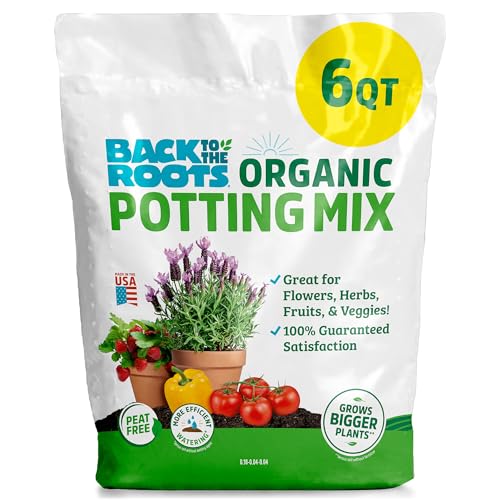
Back to the Roots Organic Potting Soil,
Peat-free mix with yucca for moisture control suits gardeners wanting one blend for several container plants.
-
Best For Small Pots

Doter Organic Potting Soil Mix for All
Perlite, coconut coir, and worm castings in a compact bag suit a few small planters or a trial pot.
Top 5 Potting Soils for Hens and Chicks at a Glance
Start with Back to the Roots if you want a peat-free general-purpose blend in a 6-quart bag. Doter comes in a smaller 1-quart size, while the other options emphasize outdoor container use, an airy aroid blend, or ingredients such as pumice and worm castings; none is described as a hens-and-chicks-specific formula.
| Product image | Product name | Check product |
|---|---|---|
| 1 |
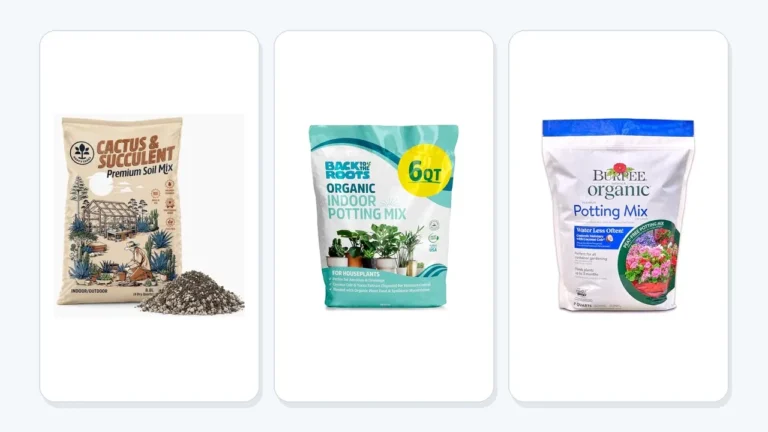
Back to the Roots Organic Potting Soil, | Check Price |
| 2 |
Doter Organic Potting Soil Mix for All | Check Price |
3 |
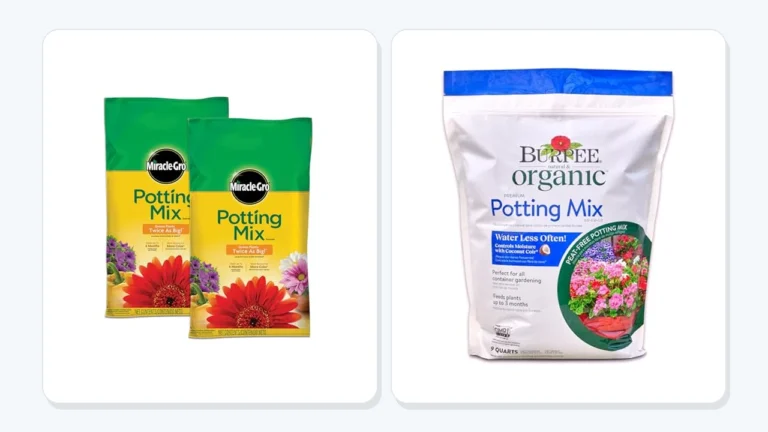
Miracle-Gro Potting Mix, 16 qt. (2-Pack) | Check Price |
4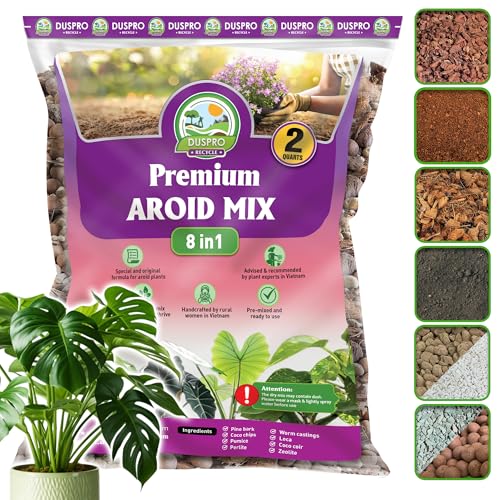 |
DUSPRO 8-in-1 Aroid Potting Mix, Pre-Mixed Chunky | Check Price |
5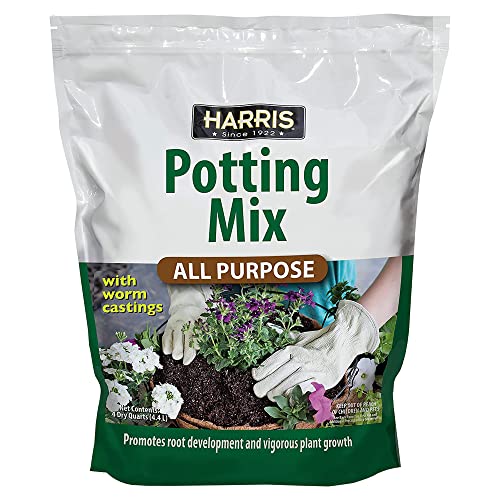 |
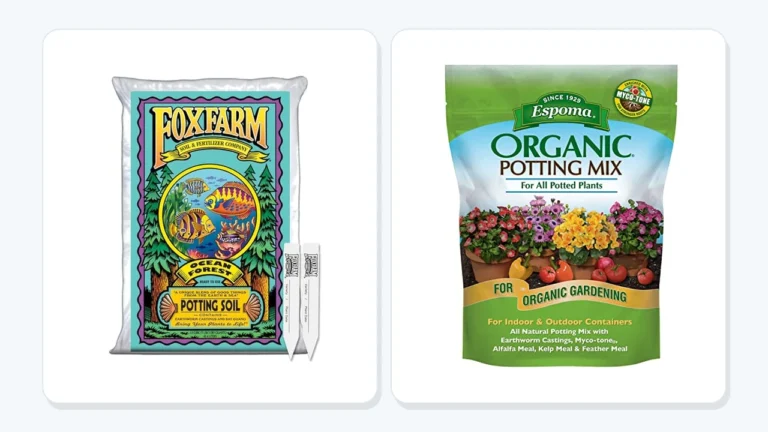
Harris All Purpose Premium Potting Soil Mix | Check Price |
5 Best Potting Soils for Hens and Chicks: Detailed Reviews
When choosing the best potting soil for hens and chicks, I focused on the details that affect everyday care: whether the mix is described as draining or airy, whether ingredients may help balance water, and how much soil comes in the bag. Those details can help you avoid a soggy pot, a mix that doesn’t suit your container, or buying far more soil than you need.
The choices range from small bags for one or two pots to a larger multipurpose option, with blends aimed at different kinds of container gardening. I’d treat a general-purpose mix as a starting point, then check its texture and your pot’s drainage before planting; hens and chicks are succulents, so very moisture-retentive soil deserves extra care.
1. Back to the Roots Organic Potting Soil,
Peat-free mix with yucca for moisture control suits gardeners wanting one blend for several container plants.
- Size6 Quart
- ColorPremium Potting Mix
- WeightNot listed; check details
- DimensionsNot listed; check details
Back to the Roots Potting Soil is a general-purpose, peat-free mix for a gardener who wants one bag for several types of container plants. Its listed ingredients and intended uses cover a broader range of gardening than hens and chicks alone.
The mix includes yucca extract, an ingredient described as helping with moisture control. That may be useful when watering different containers, but it does not mean the soil will dry at the same speed in every pot; container size, drainage holes, and conditions still matter. For a succulent, check how quickly water passes through the mix before relying on it as-is.
The blend is also described as peat-free and made with upcycled plant matter and wood fines. Those are useful distinctions if you’re comparing general potting mixes, and the 6-quart bag offers more soil than the smaller options here. Back to the Roots says the mix is suited to herbs, vegetables, fruits, and flowers, but doesn’t specifically name hens and chicks, so don’t assume it is a gritty succulent formula.
Pros:
- Peat-free blend, useful if you prefer to avoid peat.
- Yucca extract, included for moisture control.
- 6-quart size, with more soil for several pots.
- General-purpose use, suitable for a range of container plants.
- Made with upcycled plant matter and wood fines.
Cons:
- Not described as a hens-and-chicks or succulent-specific mix.
- A larger bag may be more than one small planter needs.
- Moisture control does not guarantee fast drying in every pot.
Buy it if: you want a peat-free general-purpose blend for several container plants, because the 6-quart bag includes yucca for moisture control.
Skip it if: you need a specifically gritty succulent blend, because this general potting soil is not described that way, and a succulent-focused mix would suit you better. For another fit, consider Doter or Miracle.
I’d choose Back to the Roots when versatility and a peat-free blend matter more than a stated succulent-specific texture. The yucca detail is worth noticing, but moisture control is not the same as quick drainage, so I’d check the mix and pot together before filling a container. This option makes the most sense for someone who has several kinds of potted plants and is willing to check how the blend behaves with hens and chicks.
2. Doter Organic Potting Soil Mix for All
Perlite, coconut coir, and worm castings in a compact bag suit a few small planters or a trial pot.
- Size1qt
- WeightNot listed; check details
- DimensionsNot listed; check details
- MaterialNot listed; check details
Doter Organic Potting Soil is a small-bag option for someone filling a little planter or trying a new container setup without buying much soil. The 1-quart size is its clearest practical advantage for a small job.
The listed blend includes perlite, a light material used in potting mixes to help air and water move through the soil. In a small pot, that can make drainage easier than with dense soil, though the actual result depends on the mixture and the container. Doter says the blend is intended for small containers, herbs, vegetables, and flowers, not specifically for hens and chicks.
Doter also lists coconut coir and worm castings alongside peat moss and perlite. Coir is a plant-fiber ingredient used in growing mixes; the maker describes the blend as supporting moisture balance and aeration. Those features may suit a small general-purpose planter, but a succulent grower should make sure the mix does not stay wet for too long after watering.
Pros:
- 1-quart bag, handy for a small planter or trial.
- Perlite, included to help drainage and aeration.
- Coconut coir, included as part of the moisture balance.
- Worm castings, included in the stated ingredient blend.
- Intended for small containers and several common plant types.
Cons:
- Small quantity may not fill more than a few small pots.
- Peat moss is listed, unlike the peat-free first pick.
- Not described as a dedicated succulent mix.
Buy it if: you’re filling a small pot and want a little soil, because the 1-quart bag includes perlite and coconut coir.
Skip it if: you need soil for several large containers, because a 1-quart bag may run short, and a larger-volume potting mix would suit you better. Back and Miracle are worth a closer look instead.
What I like about Doter is that the small size keeps a one-pot project from turning into a storage problem. Perlite gives you a reason to consider it for drainage, but I’d still inspect the texture and test how quickly the pot dries before using it for hens and chicks. Choose Doter if you want a modest amount for a small container and don’t need a named succulent formula.
3. Miracle-Gro Potting Mix, 16 qt. (2-Pack)
The catalog lists FEEDS UP TO 6 MONTHS: Miracle-Gro Potting Mix is a gardening soil for outdoor containers that feeds all types . Compare fit and care needs before choosing.
- Size2-Pack
- ColorMulticolor
- Number Of Items1
- COVERAGEThis bundle includes two 16 qt. bags of Miracle-Gro Potting Mix, an outdoor potting soil; each bag fills one 12-inc
Miracle-Gro Potting Mix is an outdoor container blend for gardeners filling several pots or larger containers. The package includes two 16-quart bags, a notably larger amount than the small-bag choices.
The maker says this potting mix feeds outdoor container plants for up to six months. That can reduce the need to add a separate fertilizer right away, but the feeding claim is for the mix’s stated use and does not establish that every plant has the same needs. Hens and chicks are not specifically named in the described uses, so check the package directions before treating the feeding period as a care schedule for your succulent.
Miracle-Gro gives a practical filling instruction: put mix in the container, place the plant, and fill around it while pressing lightly. The listed coverage says each 16-quart bag fills one 12-inch container, though the amount can vary with the root ball. That’s useful for planning, but the blend is presented for outdoor containers rather than as a fast-draining succulent mix.
Pros:
- Two 16-quart bags, useful for multiple outdoor containers.
- Listed coverage of one 12-inch container per bag.
- Feeding claim of up to six months for outdoor container plants.
- Use directions explain a basic pot-filling sequence.
- Stated uses include flowers, vegetables, herbs, and shrubs.
Cons:**
- Large bundle may be excessive for one small hens-and-chicks pot.
- Not described as a gritty or succulent-specific mix.
- Feeding claim may not match every plant’s needs.
Buy it if: you’re filling several outdoor containers, because the two 16-quart bags provide a larger quantity and the mix is described for outdoor container plants.
Skip it if: you only need a small amount of succulent soil, because the large bundle and general container focus may not fit, and a smaller, airier mix would suit you better. If those trade-offs rule it out, Back or Doter may suit you better.
I’d put Miracle-Gro on the list for volume and a clear outdoor-container use case, not because it is specially tailored to hens and chicks. The stated feeding period could be convenient, but I’d read the package directions and avoid adding extra fertilizer without checking what the plant needs. It suits someone potting several outdoor containers who is comfortable confirming the soil’s drainage before using it for succulents.
4. DUSPRO 8-in-1 Aroid Potting Mix, Pre-Mixed Chunky
The catalog lists Pre-Mixed 8-Ingredient Aroid Blend: DUSPRO Recycle Aroid Mix is a ready-to-use blend designed for aroid plants. Compare fit and care needs before choosing.
- Size2 Quarts
- ColorAroid Potting Mix
- WeightNot listed; check details
- DimensionsNot listed; check details
DUSPRO Aroid Potting Mix is a ready-to-use, chunky blend meant for aroids such as Monstera and Philodendron. It may interest a gardener already comparing airy mixes, but aroids and hens and chicks do not have identical soil needs.
The mix lists LECA, a lightweight expanded clay pebble used here among chunky ingredients that create air spaces. The maker describes the blend as airy and fast-draining for aroid roots, which may help water move through rather than leaving a dense mass. Hens and chicks also need care around excess moisture, but this aroid blend is not stated to be formulated for them, so don’t assume the plant match from the texture alone.
DUSPRO combines pine bark, pumice, coir, coco chips, LECA, perlite, zeolite, and worm castings. That mix of chunky pieces and moisture-related ingredients aims to balance airflow with water retention for aroids. The 2-quart bag is modest in size, and the stated coverage depends on pot size; confirm the package size and your container before buying.
Pros:
- Ready-to-use blend, so separate ingredient mixing isn’t needed.
- Chunky ingredients, described as creating root-zone air spaces.
- Pumice and perlite, included in the airy blend.
- 2-quart size, suitable for a small repotting job.
- Ingredient list is clearly described.
Cons:
- Designed for aroids, not specifically for hens and chicks.
- Coir and worm castings are included, so don’t assume the mix dries instantly.
- Chunky texture may not suit every small pot or planting setup.
Buy it if: you want a ready-made chunky mix and are willing to confirm it suits your plant, because it combines bark, pumice, perlite, and other listed ingredients.
Skip it if: you want a mix specifically labeled for hens and chicks, because DUSPRO is aimed at aroids, and a succulent-focused potting mix would suit you better.
To me, DUSPRO is the most visibly airy option in this group, with a texture built from several chunky ingredients rather than a plain general-purpose blend. That is a reason to investigate it, not proof that it is the right match for hens and chicks. I’d check the bag details and think carefully about the plant and watering routine before choosing this aroid mix for a succulent.
5. Harris All Purpose Premium Potting Soil Mix
The catalog lists All Purpose Potting Mix – Use indoors and outdoors for container gardening, flower boxes, hanging baskets and . Compare fit and care needs before choosing.
- Size4 Quart
- ColorWhite
- WeightNot listed; check details
- DimensionsNot listed; check details
Harris All Purpose Potting Soil is a 4-quart general-purpose mix for indoor and outdoor container gardening. Its listed ingredients include pumice, perlite, coco coir, and worm castings, making the ingredient description more specific than a basic all-purpose label alone.
The blend includes pumice, a porous mineral that can add air space and help water drain through a potting mix. Harris also lists perlite for aeration and fast drainage, which makes the ingredients relevant to a succulent grower comparing soil texture. The mix is not described as formulated specifically for hens and chicks, so check the actual texture and how quickly a test pot dries.
Coco coir is included to help maintain moisture, while worm castings add nutrients according to the product description. Those ingredients create a balance rather than a guarantee that the soil will dry quickly in every setup. The 4-quart bag is larger than Doter’s 1-quart size, but smaller than the larger Miracle-Gro bundle.
Pros:
- Pumice and perlite, listed to support drainage and aeration.
- Coco coir, included to help maintain moisture.
- Worm castings, included as a nutrient source.
- 4-quart bag, a moderate amount for container gardening.
- Stated indoor and outdoor use.
Cons:
- Not described as a hens-and-chicks-specific formula.
- Moisture-retaining coir means drying time still needs checking.
- Less soil than the two-bag Miracle-Gro pack.
Buy it if: you want a moderate amount of general-purpose soil with pumice and perlite, because those ingredients are included to support drainage and aeration.
Skip it if: you want a bag explicitly made for succulent growing, because Harris is labeled all-purpose, and a dedicated succulent mix would suit you better.
I’d consider Harris a sensible middle-size option because its ingredient list names both airy materials and a moisture-holding ingredient. That mix of goals means I wouldn’t buy it on the words “fast drainage” alone; I’d check the texture and watch the drying cycle in the actual pot. Harris suits a gardener who wants one moderate bag for containers and is prepared to assess whether it works for hens and chicks.
How to Choose the Best Potting Soil for Hens and Chicks
The best potting soil for hens and chicks drains freely and does not stay soggy around the roots. Because the mixes here are mostly general-purpose or intended for other plants, compare the ingredients, pot drainage, and amount you need rather than relying on a broad label.
Check the texture, not just the label
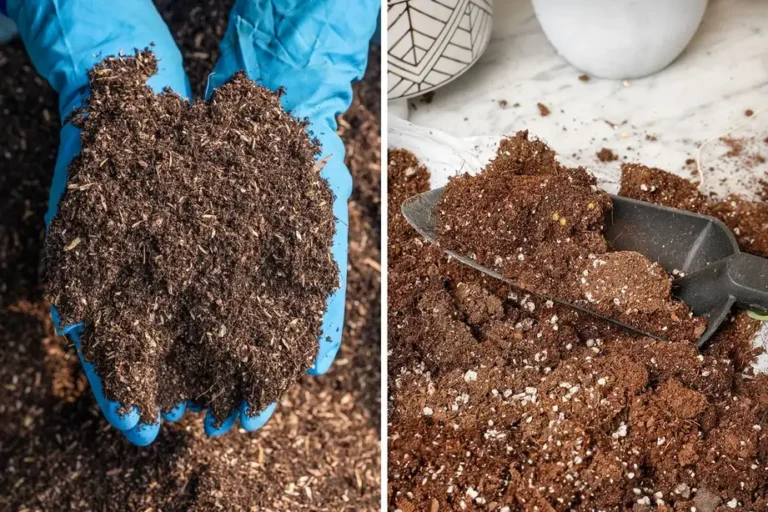
A loose, crumbly mix is generally easier to water carefully than dense soil that clumps and holds water. Look for descriptions such as airy, chunky, or fast-draining, then check the ingredient list for materials such as pumice, perlite, or bark. Those ingredients don’t guarantee a particular drying time, but they can signal a less compact texture.
A bag labeled “all purpose” may suit many container plants without being specially balanced for succulents. The phrase “potting soil” also doesn’t tell you exactly how quickly the mix dries. If a package doesn’t say it is for succulents, treat that as a reason to inspect the mix, not a reason to assume it will fail.
Match soil to the pot’s drainage
A drainage hole lets extra water leave the container. If your planter has no hole, water can collect at the bottom even when the surface looks dry, making watering less predictable for a succulent. For a beginner, a pot with a visible drainage opening is usually the simpler setup to manage.
Check that the hole isn’t blocked by a solid surface or a wad of compacted soil. A decorative outer pot can hold runoff, so empty standing water after watering rather than letting the planted pot sit in it. A succulent soil vs potting soil comparison can help clarify why a general-purpose mix and a succulent-oriented blend may behave differently.
Choose a bag size for the job
Buy enough soil for the container you’re filling, but don’t assume a small plant needs a large bag. Bag volumes in this group range from 1 quart to two 16-quart bags, so the right quantity depends on your pot count and the space you have to store an opened bag.
A listed coverage estimate can help, but the root ball and pot shape affect how much mix you use. If you’re repotting one small plant, a large bundle may leave you with a bulky, partly used bag. For several pots, a small bag can run out before you finish.
Think through moisture ingredients
Ingredients such as coco coir can help a mix retain moisture, while perlite and pumice are included in some blends to support aeration or drainage. That does not make one ingredient automatically right or wrong. What matters is the combination and whether your pot dries at a pace that suits the plant and your watering habits.
Hens and chicks are succulents, so a mix that stays wet for a long stretch can be a poor fit. If you live somewhere humid, use a pot with drainage and pay attention to how long the soil remains damp. If your home is warm and dry, a very open mix may need closer watering checks.
Separate plant-specific blends from broad-use blends
The DUSPRO bag is aimed at aroids; the Miracle-Gro and Harris blends are described for general container gardening, while Back to the Roots and Doter cover several plant types. Those descriptions are useful, but they do not establish a specific recommendation for hens and chicks. A mix developed for one plant group may have a different moisture balance than another group needs.
When comparing the best potting soil for succulents, look for information about drainage and texture that fits your own container setup. If a bag doesn’t name hens and chicks, consider the description a starting point and check that the soil is not dense or slow to dry.
Consider the plant and climate you have
A small hens-and-chicks plant in a shallow pot has less soil around its roots than a large plant in a deep container. More soil can take longer to dry, so pot size and soil volume affect watering. Keep the plant’s actual container in mind instead of choosing soil in isolation.
Outdoor weather also changes how quickly a pot dries. Rain can soak outdoor containers repeatedly, while indoor soil may dry more slowly if airflow is limited. If you’re also growing other succulents, notes about the best potting soil for agave can help you compare general drainage needs, but don’t assume every succulent has identical care requirements.
How to Use Potting Soil for Hens and Chicks for the Best Results
Use a container with drainage, settle the plant into the soil without packing it tightly, and water in a way that lets excess runoff escape. Then pay attention to the actual drying time rather than following a rigid schedule that ignores your room, weather, or pot.
- Check the pot. Confirm that the container has a drainage hole and that the opening is clear. If you use a decorative cover pot, make sure you can remove the planted pot to drain it.
- Inspect the mix. Break apart any compacted clumps with your fingers and look for a texture that is not a dense, wet mass. Don’t add ingredients just because a package uses a broad label; first assess what the soil looks and feels like.
- Add a base layer. Put enough mix in the pot to support the plant at the right height. Avoid filling the container so high that soil spills over when you water.
- Set the plant in place. Hold the roots over the soil and position the plant so the base is not buried too deeply. Keep the leaves clear of loose soil where practical.
- Fill around the roots. Add mix around the plant and settle it lightly. Pressing hard can compact the soil and reduce the open spaces that help water move through.
- Water carefully. Add water to the soil until some drains from the hole, then let the pot finish draining. Empty runoff from an outer pot instead of leaving the planted pot sitting in it.
- Watch the drying cycle. Check the soil before watering again and note how long it takes to dry in that location. Change your watering interval based on what you observe, not an arbitrary calendar reminder.
If the plant is being repotted, avoid making the new container much larger than needed. A larger volume of soil can stay damp longer, and a small plant may not use the extra space quickly. The same basic approach applies when comparing a general mix with a succulent-focused option such as soil for kalanchoe potting needs, but the plant’s own care requirements still matter.
How to Make Your Hens and Chicks Potting Soil Last Longer
Store unused soil sealed and dry, and keep the pot from sitting in runoff. Good storage and light maintenance help prevent an opened bag from becoming a damp, clumpy mess and make watering easier to manage.
Keep an opened bag in a dry place and close it between uses. If the package doesn’t reseal, use a clean, covered container and keep the original label nearby so you can identify the mix later. Don’t store potting soil where rain can enter or where a leaking hose can soak the bag.
Before reusing an opened mix, check for excess moisture, clumps, or a smell that seems unusual. The listed product details do not specify a storage life, so don’t rely on a guessed expiration date. If the soil is visibly wet or has changed in a way that concerns you, use fresh mix rather than forcing it into a succulent pot.
For the planted container, clear the drainage opening if soil blocks it and remove runoff after watering. Don’t keep topping up the pot with fresh soil without checking whether the roots need a larger container or whether the old mix has compacted. A simple note of watering dates and drying observations can help you catch a change in the pot’s behavior.
Avoid adding fertilizer automatically, especially when a mix already describes nutrients or feeding. Read the package directions and follow the needs of your plant instead of layering products by guesswork. If you move the pot outdoors, check it after rain; weather can change how often soil needs attention.
Common Mistakes to Avoid When Buying and Using Potting Soil
Most beginner problems come from treating every potting mix as interchangeable or watering by habit instead of checking the soil. These simple checks can help you avoid buying the wrong quantity and leaving a succulent in wet soil.
- Choosing by “all purpose” alone: The phrase doesn’t promise a succulent-specific texture. Check the ingredients and whether the mix is described as airy or fast-draining.
- Using a pot without drainage: Extra water may collect around the roots. Pick a container with an open hole or remove the planted pot to drain.
- Watering on a fixed weekly schedule: Indoor temperature and outdoor rain change drying time. Check the soil before watering again.
- Buying far more than you need: A large bag can be awkward for one small plant. Estimate the number and size of pots before choosing a volume.
- Packing soil firmly around the plant: Hard pressing can compact the mix. Settle it lightly so it supports the plant without becoming a dense mass.
- Assuming “moisture control” means fast drainage: The phrase doesn’t tell you exactly how quickly a pot dries. Check soil texture, drainage holes, and drying time together.
- Treating a mix for another plant group as a direct match: The DUSPRO mix is described for aroids, not hens and chicks. Compare its ingredients and intended use before buying it for a succulent.
Another common slip is choosing a pot that is much larger than the plant simply because it looks tidy. Extra soil volume can change how long the container stays damp, so size the pot for the plant and keep drainage in view. If you grow trailing succulents too, the best potting soil for string of hearts is a separate plant-specific question, not a reason to assume one recipe suits every succulent.
How to Set Up Potting Soil for Hens and Chicks
Setting up the pot is simple, but the drainage hole and soil placement are easy to overlook. Prepare the workspace before opening the bag, especially if you’re working indoors.
- Choose a suitable work area. Use a surface you can sweep or wipe, and keep the soil away from food-preparation areas.
- Check the container opening. Make sure the drainage hole is open before adding soil. This is easier to fix while the pot is empty.
- Measure the space. Hold the plant above the pot to judge how much soil is needed. Leave room at the top for watering without spilling.
- Loosen the mix. Break apart compacted clumps by hand. Don’t crush chunky ingredients into fine pieces if the mix is meant to stay airy.
- Add soil and position the plant. Place a base layer, set the plant at a suitable height, and fill around its roots.
- Settle gently. Tap the pot or press lightly around the edges, rather than packing the soil down hard.
- Water and drain. Water the soil carefully and allow runoff to escape. Empty any water caught in an outer pot.
- Clean up and store the remainder. Close the bag or transfer the soil to a dry covered container, then label it so you remember what blend it holds.
Common Questions About Potting Soil for Hens and Chicks
What kind of potting soil is best for hens and chicks?
Choose a mix that drains freely and does not stay soggy around the roots. A loose or airy texture can be helpful, but check the actual ingredients and your container rather than trusting a general-purpose label alone. Use a pot with a drainage hole, then observe how quickly the soil dries before setting a regular watering routine.
Can I use regular potting soil for hens and chicks?
You can consider a general-purpose potting mix, but it may not be specifically formulated for succulents. Check whether it feels dense or stays damp for a long time, and use a pot with drainage. The mixes in this roundup have broader stated uses, so confirm the bag details and watch the drying cycle after planting.
Do hens and chicks need soil with perlite or pumice?
Perlite and pumice are included in some mixes to support aeration or drainage, but a particular ingredient alone does not guarantee that the whole blend will dry quickly. Look at the mix’s overall texture, how much moisture-retaining material it contains, and whether water exits the pot. Your container and growing conditions also affect drying time.
How much potting soil do I need for a hens-and-chicks pot?
The amount depends on the container’s size and the space taken up by the plant’s roots. A small pot may need only a little soil, while several containers can use much more. Check the bag’s stated volume and any coverage information, then allow for the root ball rather than assuming the entire pot needs loose soil.
How often should I water hens and chicks after repotting?
There isn’t one reliable interval for every pot, room, and season. Let the soil’s condition guide you, and check that excess water can drain before watering again. A larger pot, low airflow, or rainy outdoor conditions can change how long soil stays damp, so observe the plant’s setup rather than following a fixed weekly schedule.
Is a chunky aroid mix suitable for hens and chicks?
Not automatically. A chunky texture may be worth examining, but an aroid mix is intended for a different plant group and may also contain ingredients that hold moisture. Read the bag’s use directions, assess the blend, and use a well-draining pot; don’t treat the word “airy” as proof of a perfect match.
Make the Pot and Soil Work Together
Before buying, check your container’s drainage hole, decide how much soil the pot needs, and choose a mix whose texture you can inspect rather than relying on a broad label. If you’re unsure, start with the amount needed for one pot and observe how quickly it dries before planting more hens and chicks in the same blend.

I’m Maya L. Greenwood, a lifelong plant lover who believes anyone can grow something beautiful with the right guidance. After years of testing soil mixes, pruning methods, irrigation tricks, and pest-safe solutions, I started EasyGardenTips.com to turn hard-won lessons into step-by-step advice. From seed starting and container gardens to composting and seasonal checklists, my goal is to make gardening simple, sustainable, and fun.