
5 Best Potting Soil for Elephant Ears: Rich Mixes for Giant Leaves
A potting soil that stays soggy can leave elephant ear roots sitting in wet mix, while a blend that dries too quickly can have you watering again before you know what went wrong. Choose a bag that is too small and you may run short halfway through repotting, leaving a plant and a pile of soil waiting on the floor.
For elephant ears, the useful balance is moisture without a dense, airless root zone. A pot with drainage holes matters just as much as the mix, and the bag size should match the number of pots you plan to fill.
Here’s what to look at before you choose:
- Which ingredients help hold water while keeping the mix open.
- How much soil you need for your container or repotting job.
- What a mix’s listed ingredients do, and what claims still need checking.
- How to prepare, water and store potting soil with less mess.
Quick Picks
-
Best For Elephant Ear Containers

Soil Sunrise Elephant Ear Potting Soil Mix
Peat moss, sand, perlite and worm castings balance moisture and drainage for container-grown Alocasia and Colocasia.
-
Best For Small Indoor Repots

Grow Queen Craft Houseplant Potting Mix, Organic
Bark, lava rock and pumice create air pockets for drainage, making this small peat-free mix useful for a single indoor repot.
Top 5 Potting Soils for Elephant Ears at a Glance
Start with a mix made specifically for elephant ear plants if you want a direct match for a container-grown Alocasia or Colocasia. The other choices vary in bag size and ingredients, from chunky blends with bark and mineral pieces to peat-free indoor mixes; check the bag details and your pot’s drainage before deciding.
| Product image | Product name | Check product |
|---|---|---|
| 1 |
Soil Sunrise Elephant Ear Potting Soil Mix | Check Price |
| 2 |
Grow Queen Craft Houseplant Potting Mix, Organic | Check Price |
3 |
GARDENERA Elephant Ear Plant Potting Soil – | Check Price |
4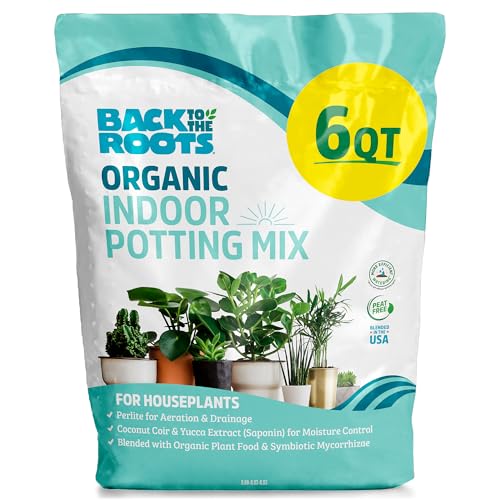 |
Back to the Roots Organic Indoor Potting | Check Price |
5 |
Rosy Soil Houseplant Potting Soil, Organic Indoor | Check Price |
5 Best Potting Soils for Elephant Ears: Detailed Reviews
When I compared the best potting soil for elephant ears, I paid attention to ingredients that can hold some moisture without leaving roots in dense, wet soil. I also looked at how clearly each mix is meant for tropical or container plants, how much is in the bag, and whether the listed ingredients give you a useful clue about texture.
The choices range from an elephant-ear-specific blend to smaller general houseplant mixes and a larger indoor option. Comparing those details helps you avoid buying far more soil than a single pot needs, or running out while you’re halfway through a repot.
1. Soil Sunrise Elephant Ear Potting Soil Mix
Peat moss, sand, perlite and worm castings balance moisture and drainage for container-grown Alocasia and Colocasia.
- Size8 Quarts
- ColorBrown
- Number Of Items1
- WeightNot listed; check details
Soil Sunrise Elephant Ear Soil is a container mix made for Alocasia and Colocasia, so it suits you if you want a blend that names elephant ears as its intended use. Its ingredients include peat moss, sand, worm castings, horticultural perlite and lime.
Peat moss is a light, fibrous ingredient that helps potting mix retain moisture. That can give a moisture-loving plant a little buffer between waterings, though you still need to check the soil rather than follow a rigid schedule.
Sand and perlite add different kinds of texture. Sand is a mineral ingredient, while perlite is a lightweight, porous material; in a mix, those ingredients can help create spaces for water to drain and air to reach roots. Worm castings are included in the blend, but the bag details don’t give a nutrient analysis, so don’t treat them as a full feeding plan.
The useful point here is the combination: moisture-holding ingredients alongside materials associated with a more open mix. The trade-off is that this bag is 8 quarts, which may be more than you need for one small pot, and the listing doesn’t provide a ratio for each ingredient. Check the amount your container needs before opening the bag.
Pros:
- Elephant-ear-specific blend, made for Alocasia and Colocasia containers.
- Peat moss, listed to help the mix hold moisture.
- Sand and perlite, included for a more open texture.
- Worm castings, included among the listed ingredients.
- 8-quart bag, useful when filling more than one pot.
Cons:
- An 8-quart bag may leave extra soil after one small repot.
- Ingredient proportions and a measured drainage rate aren’t listed.
Buy it if: you’re potting an Alocasia or Colocasia in a container, because this blend is specifically described for elephant ear plants.
Skip it if: you only need a little mix for a tiny pot, because an 8-quart bag could leave you storing more soil than you need. For another fit, consider Grow or Gardenera.
I’d choose Soil Sunrise when the direct plant match matters more than getting a small bag. The peat moss, sand and perlite give a beginner a clearer idea of the mix’s moisture-and-drainage balance than a bag that lists few ingredients. Check the bag size and the current ingredient details before buying, especially if your container is small.
This is the sensible first look for someone repotting an elephant ear in a container.
2. Grow Queen Craft Houseplant Potting Mix, Organic
Bark, lava rock and pumice create air pockets for drainage, making this small peat-free mix useful for a single indoor repot.
- Size2 quarts
- Number Of Items1
- PICK YOUR SIZEChoose a small bag (2 or 4 quart) for a single repot or a large bag (8 or 12 quart) for a full plant shelf. Same cr
- WeightNot listed; check details
Grow Queen Houseplant Mix is a small, peat-free indoor blend for houseplants and tropical plants, so it may suit you when you’re repotting one plant rather than filling several large pots. The bag is 2 quarts, and its listed ingredients include Douglas fir bark, lava rock, pumice, worm castings and charged biochar.
Bark is a chunky plant-based ingredient that can leave gaps in a mix instead of packing tightly around roots. Lava rock and pumice are mineral materials; the seller describes them as building air pockets, which can help water drain through rather than sit in a compacted mass. That texture may appeal if your watering tends to be generous, but it doesn’t make a pot immune to overwatering.
The mix is described as pre-moistened and ready to use, which may save you from having to wet dry soil before repotting. It also contains worm castings and charged biochar, which the listing says can hold moisture and nutrients. Those ingredient claims don’t tell you how often to water or feed an elephant ear, so observe the plant and soil after the move.
The main limitation is scale: 2 quarts is a small amount for a large container or several plants. Also, this is a general houseplant blend, not one labeled specifically for elephant ears, so check the bag’s current plant-use details and whether its chunky texture suits your pot.
Pros:
- 2-quart bag, handy for a small repot.
- Bark, lava rock and pumice, listed to create air spaces.
- Peat-free and perlite-free, as described on the bag.
- Pre-moistened mix, ready to use for planting.
- Listed for tropical plants as well as houseplants.
Cons:
- A small bag may not fill a large elephant ear pot.
- General houseplant mix rather than an elephant-ear-specific formula.
- Chunky ingredients may not match every pot or root ball.
Buy it if: you’re refreshing one modest indoor pot, because the 2-quart bag and ready-to-use mix suit a smaller job.
Skip it if: you’re filling a broad container or several pots, because 2 quarts may not stretch far enough for that task. Soil and Gardenera are worth a closer look instead.
What I like here is the plainly described texture: bark and mineral pieces give you a better sense of what the mix may feel like than a vague “indoor soil” label. The small bag is practical for one modest repot, but I’d check the container volume before ordering. I’d pick Grow Queen for a small indoor job when a chunky, peat-free mix is the priority, not as an automatic match for every elephant ear.
3. GARDENERA Elephant Ear Plant Potting Soil –
The catalog lists 🌿 Premium Quality Blend: Elevate your Elephant Ear plant care with Gardenera’s meticulously crafted Elephant E. Compare fit and care needs before choosing.
- Size3 Quart Bag
- ColorElephat Ear Plant Potting Mix
- WeightNot listed; check details
- DimensionsNot listed; check details
Gardenera Elephant Ear Soil is a small potting mix labeled for elephant ears, and it suits you if a plant-specific bag matters more than a larger quantity. Its listed ingredients include Canadian peat moss, worm castings and charcoal, and the bag size is 3 quarts.
Peat moss is a fibrous ingredient commonly used to help a mix hold moisture. That can be useful for a tropical container plant, but a moisture-holding ingredient doesn’t replace drainage holes or careful watering. The listing also names worm castings, though it doesn’t give a nutrient breakdown or tell you how much fertilizer to use later.
Charcoal is another listed ingredient. In general, charcoal is a porous material; the seller describes it as a filter, but the product details don’t provide a measured effect or a tested result. Treat that as an ingredient description rather than proof that the soil removes a particular substance or makes a pot safer.
The seller also describes the mix as having balanced pH and moisture retention, but no numerical pH value or ingredient proportions are supplied. That means this bag offers a direct plant label and a short list of ingredients, while leaving you to check the texture and volume for your specific pot. Three quarts may be enough for a modest job, but measure your container before assuming.
Pros:
- Labeled for elephant ear plants.
- 3-quart bag, manageable for a smaller repot.
- Canadian peat moss, listed as a moisture-holding ingredient.
- Worm castings, included in the ingredient description.
- Charcoal, included as a named mix component.
Cons:
- Ingredient proportions aren’t listed.
- No numerical pH value is provided.
- 3 quarts may not fill a large container.
Buy it if: you want a smaller bag labeled for elephant ears, because Gardenera names that plant type and lists several blend ingredients.
Skip it if: you need a measured pH target or a detailed recipe, because the available product details don’t give those numbers. If those trade-offs rule it out, Soil or Grow may suit you better.
I’d put Gardenera on the list for someone who wants an elephant-ear label but doesn’t need a big bag. The peat moss and worm castings are useful ingredient clues, while the charcoal and pH descriptions call for a little restraint because no measurements are stated. Check the bag size against your pot and inspect the mix texture when it arrives.
This is a reasonable fit for a smaller container if the listed ingredients match what you’re after.
4. Back to the Roots Organic Indoor Potting
The catalog lists Includes 6qt of Back to the Roots Indoor Potting Mix. Our Potting Mix contains organic yucca extract that aids. Compare fit and care needs before choosing.
- Size6 Quart
- ColorIndoor Potting Mix
- Release Date2023-01-01T00:00:01Z
- Number Of Items1
Back to the Roots Indoor Potting Mix is a 6-quart blend for indoor plants, so it may suit you if you want more soil than a single small-bag repot provides. Its details list organic yucca extract, mycorrhizae, dolomitic limestone and a peat-free formula.
Yucca extract is included to help the soil retain moisture, according to the product description. That may be useful when a potting mix dries quickly, but moisture retention is only one part of keeping roots healthy; the pot still needs drainage and the soil should not remain waterlogged.
Mycorrhizae are beneficial fungi associated with plant roots. The listing says they support root development and nutrient uptake, but it doesn’t state a measured effect for elephant ears, so think of this as a blend feature rather than a guarantee of faster growth. Dolomitic limestone is included to balance soil acidity and alkalinity, though no pH figure is supplied.
The mix is described as peat-free and made without bark or compost. Those details may matter if you’re choosing an indoor mix based on ingredients, but they don’t tell you the full texture or drainage rate. The bag is 6 quarts, a useful middle-sized amount, though the product is not labeled specifically for elephant ears.
Pros:
- 6-quart bag, useful for more than a tiny pot.
- Peat-free blend, as described in the product details.
- Yucca extract, included to help retain moisture.
- Mycorrhizae, listed as a root-related blend component.
- Dolomitic limestone, included to balance soil acidity and alkalinity.
Cons:**
- General indoor potting mix, not labeled specifically for elephant ears.
- No measured pH or drainage rate is listed.
- Ingredient proportions aren’t given.
Buy it if: you want a larger indoor mix with listed moisture-retention ingredients, because the 6-quart bag gives you more volume than the smallest options.
Skip it if: a plant-specific elephant ear label is your main requirement, because this mix is described for indoor plants more generally.
To me, the useful part of Back to the Roots is the combination of a 6-quart size with named ingredients, rather than a claim that it will solve every watering problem. The product details explain the roles of yucca extract and mycorrhizae, but leave out a measured pH and drainage figure. I’d check that the mix texture and indoor-use directions fit your pot before purchasing.
It makes the most sense if you want a general indoor blend and a moderate amount of soil.
5. Rosy Soil Houseplant Potting Soil, Organic Indoor
The catalog lists ORGANIC INDOOR POTTING SOIL, MADE WITHOUT PEAT: Biochar, worm castings, mycorrhizae, compost, and bark fines r. Compare fit and care needs before choosing.
- Size4 Quarts
- ColorHouseplant
- Number Of Items1
- WeightNot listed; check details
Rosy Soil Houseplant Mix is a 4-quart peat-free blend for indoor and tropical plants, making it a possible fit if you want a medium-sized bag with several named ingredients. Its ingredient list includes biochar, worm castings, mycorrhizae, compost, bark fines and sand.
Bark fines are small pieces of bark that can help keep a mix from becoming uniformly dense. Sand adds a mineral ingredient, and the seller describes the combination as helping water move through the pot. That may be useful for a container where you want an open texture, but drainage still depends on the pot, its holes and your watering habits.
The mix also includes biochar, worm castings and mycorrhizae. The seller describes biochar as helping the soil keep its structure, worm castings as a source of micronutrients and mycorrhizae as root-supporting fungi. Those are ingredient descriptions, not a substitute for checking the bag’s care directions or adjusting watering to the plant’s conditions.
Rosy Soil is described for tropical plants and several other houseplants, and the 4-quart bag is said to fill two to three medium pots. That estimate depends on pot shape and how much soil you need around each root ball, so don’t treat it as a guaranteed yield. The product details describe a resealable bag, but confirm the package you’re buying has the storage feature you expect.
Pros:
- 4-quart bag, a middle-size option for a few pots.
- Bark fines and sand, listed in the blend.
- Peat-free mix, as described in the product details.
- Biochar, worm castings and mycorrhizae are named ingredients.
- Listed for tropical plants and houseplants.
Cons:
- Not labeled specifically for elephant ears.
- The number of pots filled depends on container size.
- No measured drainage rate or ingredient proportions are listed.
Buy it if: you want a peat-free tropical-plant mix in a mid-sized bag, because Rosy Soil lists several ingredients and a 4-quart volume.
Skip it if: you need a small amount for one tiny pot, because 4 quarts may leave more soil than your job requires.
I’d consider Rosy Soil when the ingredient list and medium bag size both fit the plan. The bark fines and sand suggest a more open texture, while the added biochar and worm castings give you more ingredient detail to assess. Check the package size and current instructions, especially if you’re counting on the stated pot estimate.
This mix is a better match for someone refreshing a few tropical houseplant pots than for someone seeking a narrowly labeled elephant-ear formula.
How to Choose the Best Potting Soil for Elephant Ears
The best potting soil for elephant ears holds some moisture while leaving air spaces around the roots, and the container must let extra water escape. Start with the bag’s plant-use label, listed ingredients, amount and your pot’s drainage holes rather than relying on one marketing phrase.
Look for moisture and air together
Elephant ears need a mix that doesn’t turn into a hard, airless mass, but a fast-draining label alone doesn’t tell you whether the soil will dry too quickly for your room or outdoor spot. Look for a clear ingredient list and consider how frequently you can check the pot. Peat moss and other fibrous ingredients can hold moisture, while bark, perlite, pumice, lava rock or sand can change the texture and help leave open spaces.
The word “drainage” isn’t a guarantee that water will move through your particular pot at a useful speed. A large root ball, compacted soil, a blocked hole or a cachepot holding runoff can all change what happens after watering. For a broader look at ingredient choices across houseplants, compare the potting mixes for tropical plants and focus on the listed ingredients that match your pot and watering routine.
Match the mix to the plant and container
A bag labeled for Alocasia, Colocasia or elephant ears gives you a direct use case, while a general indoor or tropical mix may still be worth considering if its texture and care directions make sense for your plant. Check whether the product is intended for container gardening and whether its listed plants include tropical houseplants. Don’t assume every indoor mix has the same moisture balance just because the bags use similar words.
A container needs drainage holes for excess water to leave. If you use a decorative outer pot, empty standing runoff rather than letting the inner pot sit in it. A wider pot can require more soil than a narrow one at the same height, so estimate by the container’s volume or compare the bag amount with the potting instructions instead of guessing from the plant’s leaf size.
Choose a bag size you can use
Bag size is shown in quarts in these choices, but how many pots it fills depends on each pot’s shape and the root ball’s size. A 2- or 3-quart bag may suit a modest repot; a 6- or 8-quart bag gives more volume for a larger container or multiple jobs. The actual amount needed can differ, so check the pot dimensions and leave space at the top for watering.
Avoid buying extra soil just because a larger bag looks like a better deal. Opened potting mix needs dry, protected storage, and you may not need the remainder soon. If you want to understand how a tropical blend differs from general container soil, read this guide to tropical soil versus potting soil before choosing based on a label alone.
Read ingredients, not just claims
An ingredient list helps you picture the mix, but it isn’t a measured performance report. Peat moss, bark, sand, perlite, pumice, worm castings, biochar and charcoal each describe components, not an exact ratio or guaranteed result. If a bag says “balanced pH” without a number, don’t assume it matches a particular test target.
Also separate a product’s ingredient claims from proof of a health or safety certification. If you have a specific concern about pets, children or indoor use, check the package’s current directions and manufacturer details rather than treating a broad claim as independent verification. For plants with different moisture preferences, a prayer plant potting mix guide can help you think through why one houseplant’s preferred texture may not suit another.
Plan for your watering habits
If you tend to water on a fixed weekly schedule, choose a routine that includes checking the mix first. A chunky blend can drain differently from a fine, moisture-retaining mix, but neither makes a calendar reliable for every home. Warm rooms, bright windows, pot size and airflow all affect how quickly a container dries.
When choosing between blends, be honest about the care you can maintain. If you check soil often and want to avoid a dense texture, an open mix may appeal; if you’re away for a few days at a time, some moisture retention may be useful. Compare those needs with the ingredients, and consider how croton soil mixes are chosen for a different tropical plant rather than assuming one bag fits every plant.
Consider how the plant grows
Elephant ears can become large, so think ahead about the pot’s stability and the amount of mix needed as the plant grows. A small bag might be right for a young plant today but not enough for the next container. The soil is only one part of the setup; use a pot that supports the plant and has working drainage.
If you’re also growing other tropical plants, avoid treating “tropical” as one fixed watering requirement. A plant’s location, pot size and growth stage matter. The tropical hibiscus potting soil guide offers a useful comparison point for another tropical container plant, but choose a mix for the needs and care of the plant you actually have.
How to Use Potting Soil for the Best Results
Use fresh, suitable potting mix in a clean container with open drainage holes, then water carefully and watch how the soil behaves. A new bag won’t fix a pot that traps runoff or a watering routine that keeps the root zone constantly wet.
- Pick a pot that has drainage holes and is an appropriate fit for the root ball.
- Read the soil package directions before adding anything or mixing in other ingredients.
- Check the root ball and remove loose, obviously exhausted soil without stripping healthy roots unnecessarily.
- Add enough mix to position the plant at a similar depth to its previous pot.
- Set the plant upright and fill around the roots, leaving room at the top for watering.
- Water slowly until the mix is evenly damp and excess water can leave the pot.
- Empty standing water from the saucer or outer pot after it drains.
- Check the mix again before the next watering rather than assuming the same interval every time.
Don’t press the soil down hard to make the pot look tidy. Lightly settle the mix around the roots, then add more if it sinks and leaves a gap. A tightly packed surface can make it harder for water and air to move through the root zone.
After repotting, keep an eye on how quickly the pot dries and whether water runs straight through or pools on top. Either observation tells you something about the mix, the pot and your watering approach. If the soil pulls away from the pot or seems unusually dry, follow the package guidance and re-wet it gradually rather than dumping a large amount of water at once.
How to Make Your Potting Soil Last Longer
Store unused potting soil sealed in a cool, dry place, away from rain and pests. Follow any storage directions on the bag, and don’t leave an open sack where runoff or damp ground can soak through it.
Close the bag or move the remainder into a clean, sturdy container with a secure lid. Keep the original label or write the mix name and opening date on the container, so you know what you’re using later. Store it off the floor if the storage area may get damp, and keep it out of reach of children and pets.
Before reusing stored mix, check for a sour or musty smell, unusual wetness, visible pests or a changed texture. Those signs don’t diagnose a particular problem, but they’re reasons to pause and check the package instructions or seek reliable plant-care advice before putting it around roots. Don’t assume old soil is still in ideal condition just because the bag was closed.
Avoid returning used potting soil from a sick plant to a fresh bag. That can mix old roots and debris into clean unused soil. For routine plant care, remove fallen leaves from the pot surface, keep drainage holes clear and follow a simple monthly check of the container, saucer and stored mix.
Common Mistakes to Avoid When Buying and Using Potting Soil
- Choosing by “well-draining” alone: That phrase doesn’t tell you the blend’s full texture. Check the ingredients and consider how your pot drains.
- Ignoring drainage holes: Even a loose mix cannot release excess water through a sealed pot. Use a pot with open holes and empty the saucer.
- Buying a bag without checking its size: You may run short or store a large leftover sack. Estimate the pot volume and compare it with the bag’s quart amount.
- Pressing the mix down firmly: Hard packing can reduce open spaces around the roots. Settle soil gently and top it up if needed.
- Watering by the calendar: A pot may dry at a different rate as light, temperature and growth change. Check the mix before watering.
- Treating a general indoor blend as plant-specific: Similar labels can hide different ingredients. Check whether elephant ears are named or whether the bag is intended for tropical containers.
- Assuming a claim is a measurement: Phrases like “balanced pH” don’t provide a number. Look for actual values when a precise target matters.
How to Set Up Potting Soil for an Elephant Ear Repot
A straightforward repot starts with a draining pot, fresh mix and a work area that can handle spilled soil. Gather everything before removing the plant, so exposed roots don’t sit out while you search for a scoop or a place to set the pot.
- Choose the work area. Use a washable surface or a soil tray; loose potting mix can travel farther than you expect.
- Check the pot. Confirm that drainage holes are open and that the container can hold the plant securely.
- Read the bag. Follow its preparation directions, especially if the mix is pre-moistened or has specific use instructions.
- Prepare the plant. Loosen the root ball gently and remove loose old soil; don’t tug hard on healthy roots.
- Set the planting depth. Add a base layer of mix and place the plant so it sits at a similar depth to before.
- Fill the sides. Add soil around the roots in small amounts, nudging it into gaps without packing it tight.
- Water and drain. Water slowly, let excess escape and empty the saucer; a blocked hole is easy to miss at this stage.
- Store the remainder. Close the bag or transfer the soil to a dry, sealed container before putting tools away.
If the root ball is much larger than the pot opening, stop before forcing it in. Choose a container that can hold the roots without bending or crushing them, and check that the plant remains stable once the mix is added. The right preparation is more useful than rushing through the repot and correcting a tilted plant later.
Common Questions About Potting Soil for Elephant Ears
What kind of potting soil is best for elephant ears?
Choose a container mix that holds some moisture while leaving air spaces around roots, and pair it with a pot that drains. A bag labeled for Alocasia, Colocasia or elephant ears is a direct option, though a tropical or houseplant blend may also suit if its ingredients and directions fit your container and care routine.
Can I use regular potting soil for an elephant ear?
You can consider a general potting mix if the package allows container use and the texture suits the plant and pot. “Regular potting soil” can mean different blends, so read the ingredients and check how water moves through your container. Avoid using garden soil in a pot unless the product directions specifically support that use.
How much potting soil do I need for an elephant ear?
The amount depends on the container’s shape, size and root ball, not just the plant’s leaves. The options here range from 2 to 8 quarts, but those figures don’t guarantee a set number of pots. Measure the pot or compare its volume with the bag amount, then allow room at the top for watering.
Should elephant ear soil stay wet?
The mix should not remain waterlogged, even though elephant ears are often grown in soil that holds moisture. Use a pot with drainage holes, empty standing runoff and check the soil before watering again. The right interval varies with pot size, room conditions, light and the blend’s texture.
Do I need a special soil mix for Alocasia and Colocasia?
A mix made for elephant ears can make the plant match easier to identify, but the label alone doesn’t guarantee a perfect result. Check its ingredients, use directions and bag size, then consider the drainage of your pot. Both plant name and container setup matter when choosing a blend.
When should I replace potting soil?
Replace or refresh soil when you repot, when the mix has broken down or compacted, or when the plant’s care needs call for a change. There isn’t one fixed replacement schedule that fits every container. Check the plant, soil texture and package guidance, and don’t reuse mix that smells off or has visible pest concerns.
Before You Open the Soil Bag
Before buying, measure the pot, confirm it has drainage holes and decide whether you prefer an elephant-ear-specific blend or a general tropical mix with ingredients you understand. Then choose a bag size that matches the job and read the package directions before repotting.

I’m Maya L. Greenwood, a lifelong plant lover who believes anyone can grow something beautiful with the right guidance. After years of testing soil mixes, pruning methods, irrigation tricks, and pest-safe solutions, I started EasyGardenTips.com to turn hard-won lessons into step-by-step advice. From seed starting and container gardens to composting and seasonal checklists, my goal is to make gardening simple, sustainable, and fun.
One Comment