
5 Best Potting Soil for Croton: Mixes for Bold, Colorful Leaves
A croton can look unhappy fast when its roots stay soggy or the potting mix dries out before you notice. The wrong bag may also be too small for the job, hold water longer than your pot allows, or make a repotting session messier than it needs to be. A little attention to texture, drainage, and the size of the root ball helps you avoid a frustrating restart.
For crotons, aim for a mix that lets extra water drain while keeping enough moisture around the roots between waterings. A pot with drainage holes matters just as much as the bag, and a mix made for indoor plants may be easier to manage than garden soil in a container.
Here’s what this guide will help you sort out:
- Which listed mixes are intended for indoor containers and which suit outdoor pots.
- How to match bag size with your pot and root ball.
- How to repot and water a croton without leaving its roots waterlogged.
- What to check before buying a mix with added fertilizer or moisture-holding ingredients.
Quick Picks
-
Best For Indoor Tropical Plants

Miracle-Gro Houseplant Potting Mix, 4 qt.
Perlite, peat moss, and coir create an indoor mix with fertilizer, suited to croton owners who want a houseplant-focused blend.
-
Best For Larger Container Jobs

Miracle-Gro Potting Mix, 16 qt. (2-Pack)
Two 16-quart bags provide more mix for outdoor containers and several pots, making this a practical choice for larger planting jobs.
Top 5 Potting Soils for Croton at a Glance
Indoor growers who want a houseplant-specific blend can start with Miracle-Gro Houseplant Mix, while people filling several outdoor containers may prefer the larger two-bag bundle. The other options differ in ingredients, stated use, and bag size, so the right choice depends on your pot, watering habits, and preference for an indoor or broader-purpose mix.
| Product image | Product name | Check product |
|---|---|---|
| 1 |
Miracle-Gro Houseplant Potting Mix, 4 qt. | Check Price |
| 2 |
Miracle-Gro Potting Mix, 16 qt. (2-Pack) | Check Price |
3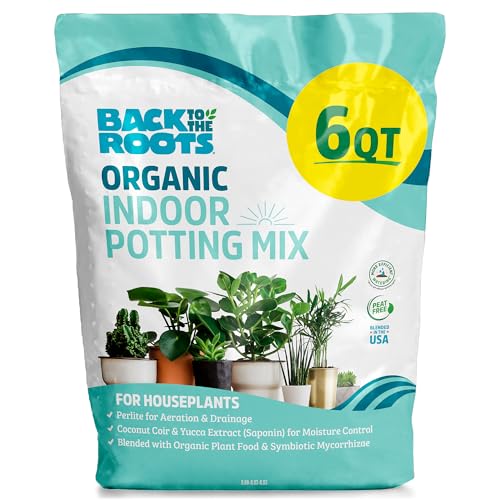 |
Back to the Roots Organic Indoor Potting | Check Price |
4 |
Rosy Soil Houseplant Potting Soil, Organic Indoor | Check Price |
5 |
Burpee Premium Organic Potting Mix Garden Soil | Check Price |
5 Best Potting Soils for Croton: Detailed Reviews
When I considered the best potting soil for croton, I focused on whether a mix is described for indoor containers, how it handles air and water, and what ingredients or feeding claims are actually stated. Those details help you avoid a mix that stays too wet in your pot, dries too quickly for your routine, or makes you guess about what you are putting around the roots.
The options here range from compact indoor bags to larger mixes and blends with ingredients such as coir, bark fines, or biochar. Reading them side by side helps you choose by use and size instead of assuming every bag labeled potting mix will behave the same way.
1. Miracle-Gro Houseplant Potting Mix, 4 qt.
Perlite, peat moss, and coir create an indoor mix with fertilizer, suited to croton owners who want a houseplant-focused blend.
- Size4 qt
- Pack1 Pack
- Color4 qt
- COVERAGEOne 4 qt. bag of Miracle-Gro Houseplant Potting Mix fills one 8-inch container; amounts may vary based on the size
Miracle-Gro Houseplant is a small indoor mix for growers potting tropical houseplants such as crotons. Its blend includes perlite, a light, porous material that helps keep spaces in the mix open, along with sphagnum peat moss and coir; that combination gives you more than plain, fine soil packed tightly around the roots.
The mix is formulated to be less prone to fungus gnats because it does not contain compost and bark, which the product description says are known to shelter them. That may be useful indoors, where a pot near a window or sofa is not exactly where you want a cloud of tiny flies. It also contains fertilizer described as feeding houseplants for up to six months, so you may not need to add a separate fertilizer right after repotting.
The 4-quart bag is described as enough to fill one 8-inch container, though the root ball changes how much space is left for fresh mix. That is a helpful rough guide, not a promise for every croton and pot. The main thing to watch is that a small bag can run short if your plant has a large root ball or you are repotting more than one plant.
Pros:
- Perlite helps keep the mix open around roots.
- Peat moss and coir are included in the blend.
- Formulated for indoor container plants.
- Fertilizer is described as feeding for up to six months.
- No compost or bark in the listed blend.
Cons:
- The 4-quart bag may not cover several pots.
- The stated feed period may affect when you add more fertilizer.
- The mix is not described as croton-specific.
Buy it if: you are repotting one indoor croton and want a houseplant mix with perlite and included fertilizer.
Skip it if: you need enough soil for a row of large outdoor containers, because this small bag is aimed at indoor houseplants and a larger container mix would suit the job better. For another fit, consider Miracle or Back.
I’d consider Miracle-Gro Houseplant the easiest starting point for someone who wants a familiar indoor blend rather than a specialty recipe. The perlite, peat moss, and coir give you clearly named ingredients, and the fertilizer claim may simplify the first stretch after repotting. Check the bag size against your pot and root ball before ordering, and choose it if one indoor croton is your main job.
2. Miracle-Gro Potting Mix, 16 qt. (2-Pack)
Two 16-quart bags provide more mix for outdoor containers and several pots, making this a practical choice for larger planting jobs.
- Size2-Pack
- ColorMulticolor
- Number Of Items1
- COVERAGEThis bundle includes two 16 qt. bags of Miracle-Gro Potting Mix, an outdoor potting soil; each bag fills one 12-inc
Miracle-Gro Container is a general potting mix for outdoor container plants, including flowers, vegetables, herbs, shrubs, annuals, and perennials. The supplied description does not identify its component ingredients, so you cannot judge its exact texture from the name alone; that makes the intended use and the bag coverage more useful buying clues.
The two 16-quart bags are intended for outdoor pots, and each bag is described as filling one 12-inch container, with the amount varying according to the root ball. That larger quantity can be handy if you are changing more than one pot or have a big croton container on a patio. The mix is also described as feeding potted plants for up to six months, a detail to keep in mind when planning additional fertilizer.
There is a simple filling method in the product directions: start with about one-third of the pot, place the plant, then fill around it and press lightly. That gives a beginner a clear sequence, but croton roots still need a pot that drains freely, and no potting mix can compensate for a container with no drainage holes. The product description focuses on outdoor containers, so indoor croton owners should consider whether that use matches their setup.
Pros:
- Two 16-quart bags suit larger planting jobs.
- Each bag is described as filling a 12-inch container.
- Intended for a broad range of outdoor container plants.
- Feeding is described as lasting up to six months.
- Directions give a simple fill-and-plant sequence.
Cons:**
- The listed use emphasizes outdoor containers.
- Ingredient details are not stated in the supplied description.
- Two bags may be more than needed for one small indoor pot.
Buy it if: you are filling several outdoor pots and want a larger amount of general container mix with a stated feeding period.
Skip it if: you want a small, indoor-focused bag with named ingredients, because this bundle is geared toward outdoor container planting and a houseplant mix may fit better. Miracle and Back are worth a closer look instead.
What I like about Miracle-Gro Container is the practical quantity and the clear container-filling directions, not a claim that it is specially tailored to crotons. The larger bundle makes sense for multiple pots, while its stated outdoor focus is a reason for indoor growers to pause. Check the intended use and the amount you can store before buying, and choose it if you have several outdoor containers to fill.
3. Back to the Roots Organic Indoor Potting
The catalog lists Includes 6qt of Back to the Roots Indoor Potting Mix. Our Potting Mix contains organic yucca extract that aids. Compare fit and care needs before choosing.
- Size6 Quart
- ColorIndoor Potting Mix
- Release Date2023-01-01T00:00:01Z
- Number Of Items1
Back to the Roots Indoor Mix is a 6-quart blend intended for indoor plants, including tropical houseplants such as monstera, pothos, and ferns. Its description names organic yucca extract, which is said to help the mix retain moisture; that can be useful if your croton’s pot dries quickly, but it also means you should pay attention to how long the mix stays damp in your particular container.
The blend also lists mycorrhizae, a group of fungi that can form relationships with plant roots and help with access to water and nutrients. In plain terms, that ingredient is intended to support root development and nutrient uptake, rather than acting like a visible fertilizer pellet. The description also names dolomitic limestone as a way to balance soil acidity and alkalinity, but it does not give a finished pH reading, so do not treat that ingredient as a guarantee of a precise soil level.
The mix is described as peat-free and made without bark or compost, with lower gnat-prone tendencies claimed in the product information. Those ingredient and use points may appeal to indoor growers, though the supplied details do not list a drainage material such as perlite or give a measured moisture or pH range. Keep an eye on the first few waterings after repotting to learn how the mix behaves in your pot.
Pros:
- Indoor potting mix in a 6-quart bag.
- Yucca extract is included to aid moisture retention.
- Mycorrhizae are included for root and nutrient support.
- Peat-free blend with dolomitic limestone listed.
- Made without bark or compost, according to the description.
Cons:
- No measured pH or drainage rate is stated.
- Moisture retention may not suit every watering routine.
- The product description does not give croton-specific directions.
Buy it if: you want an indoor blend that names moisture-retaining yucca extract and mycorrhizae as part of its recipe.
Skip it if: you need a mix with a clearly stated drainage component or measured pH, because those details are not given and a more transparent ingredient profile may suit you better. If those trade-offs rule it out, Miracle-Gro Houseplant Potting Mix, 4 qt. or Miracle-Gro Potting Mix, 16 qt. (2-Pack) may suit you better.
I’d look closely at Back to the Roots Indoor Mix if you care about peat-free ingredients and want a mix described for indoor tropical plants. The moisture-retaining extract is a potentially useful feature, but a croton in a cool, slow-drying room may need less help holding water. Check the bag’s current ingredient details and your pot’s drainage before choosing it for a plant that tends to stay damp.
4. Rosy Soil Houseplant Potting Soil, Organic Indoor
The catalog lists ORGANIC INDOOR POTTING SOIL, MADE WITHOUT PEAT: Biochar, worm castings, mycorrhizae, compost, and bark fines r. Compare fit and care needs before choosing.
- Size4 Quarts
- ColorHouseplant
- Number Of Items1
- WeightNot listed; check details
Rosy Soil Houseplant Mix is a 4-quart indoor blend for tropical plants, including monstera, pothos, and philodendron. Its listed ingredients include biochar, worm castings, mycorrhizae, compost, bark fines, and sand, with peat moss left out; that is a more ingredient-rich recipe than a basic mix, which can appeal if you want to see what makes up the blend.
The product description says bark fines, sand, and charged biochar help keep the mix open and let water move through rather than pool. Bark fines are small pieces of bark that add larger spaces in a mix, helping air and water move around roots. That open structure is intended to reduce soggy conditions, though the actual drying time still depends on your pot, room, light, and watering habits.
The bag is described as enough for two to three medium pots, and it is resealable for storing what remains. That can be convenient if you have a few houseplants to repot, but a 4-quart bag is still not a bulk option. The description also makes claims about organic sourcing and plant response; treat those as product claims rather than independent proof of certification or guaranteed results.
Pros:
- Indoor mix lists a range of named ingredients.
- Peat-free blend includes bark fines, sand, and biochar.
- The recipe is intended to help water drain through.
- Resealable bag can keep remaining mix contained.
- 4 quarts are described as enough for two to three medium pots.
Cons:
- Compost is included, unlike some indoor mixes.
- The 4-quart amount may be limited for large pots.
- Drainage and drying performance are not given as measurements.
- The product’s organic claims are not independent certification evidence here.
Buy it if: you want an indoor mix with several named ingredients and a resealable bag for repotting a few medium pots.
Skip it if: you specifically want a blend made without compost or need a larger bag, because this recipe includes compost and comes in a 4-quart size.
To me, Rosy Soil Houseplant Mix is the most ingredient-forward choice in this group, with clear components intended to create an airy container mix. The resealable bag and stated coverage could be handy for a small repotting session. I’d still check the full ingredient information and avoid assuming the drainage claim means every pot will dry at the same speed; choose it if you want that mix of listed ingredients and can use the smaller bag.
5. Burpee Premium Organic Potting Mix Garden Soil
The catalog lists SUPPORTS VIBRANT GROWTH: Transform your garden with our premium indoor/outdoor potting soil! This nutrient-ric. Compare fit and care needs before choosing.
- Size9 Quart
- ColorPotting Mix
- Number Of Items1
- WeightNot listed; check details
Burpee Organic Potting Mix is a 9-quart blend described for indoor plants and outdoor containers, including vegetables, flowers, and herbs. Its product information names coconut coir, also called coco coir, as an ingredient that helps hold moisture while improving aeration; those two jobs matter because a croton needs moisture without sitting in waterlogged soil.
The mix is described as feeding plants immediately, with slow-release nutrition for up to three months. That gives you a stated time frame to consider before adding more fertilizer, though the exact fertilizer schedule should still follow the bag directions and the needs of your plant. The listing also describes the mix as OMRI Listed, but that claim should be checked on the packaging if the designation matters to your purchase.
The bag’s small air holes are described as allowing air circulation before use, and the 9-quart size is larger than the compact 4-quart indoor bags here. The supplied details do not give a croton-specific recipe or a measured pH, and the broad indoor/outdoor description does not tell you exactly how quickly the mix dries in your room. A drainage-hole pot and careful checks of the soil remain important.
Pros:
- 9-quart bag provides more mix than the smaller options.
- Coconut coir is listed to aid moisture balance and aeration.
- Described for indoor plants and outdoor containers.
- Feeding is described as lasting up to three months.
- Small bag holes are described as allowing air circulation.
Cons:
- No croton-specific ingredient ratio is stated.
- No measured pH or drying time is provided.
- The feed period is shorter than some other stated product claims.
- Check current packaging if the OMRI Listed designation matters to you.
Buy it if: you want a larger indoor-and-outdoor mix with coir and a stated feeding period of up to three months.
Skip it if: you need a croton-specific mix with a stated pH or drainage measurement, because those details are not given and a more specialized recipe may suit your needs better.
I’d put Burpee Organic Potting Mix on the list for a grower who wants one bag for several kinds of container planting. The coir and stated feeding period provide useful clues, and the 9-quart size offers more volume than the small indoor bags. Check the package for current ingredient and certification details, then pick it if its broad use and bag size match your repotting plans.
How to Choose the Best Potting Soil for Croton
The best potting soil for croton is not simply the one with the longest ingredient list; it is the mix that balances moisture with drainage in your pot and room. Before buying, check the intended use, how much mix you need, and whether the bag gives enough detail to match your watering routine.
Check whether the mix is for indoor containers
A potting mix is designed for growing plants in a container, while garden soil is usually too dense for a pot indoors. Check that the bag names houseplants, indoor plants, or container plants as a use, and be cautious about using a product described only for in-ground beds. Crotons are commonly kept as houseplants, so a mix intended for indoor containers is a straightforward place to start.
If you are comparing tropical blends, check what each one means by that label: some are described for indoor tropical plants, while others cover broad container use. A useful overview of potting mixes for tropical plants can help you compare intended use without assuming all tropical recipes share the same ingredients.
Look for a balance of air and moisture
Croton roots need water, but roots that stay saturated can struggle. Ingredients such as perlite, bark fines, sand, or coir may affect how a mix holds moisture or allows water to move, though the product information may not give a precise drying time. Use the listed ingredients as clues, then judge how quickly your own pot dries after watering.
A mix that retains moisture can help if you often find the pot drying out too soon. If your home is cool, your pot is large, or the plant receives less light, the same moisture retention may leave the soil wet longer than expected. For other tropical houseplants, compare the guidance in tropical soil and potting mix discussions, then check whether the advice fits your croton’s actual pot and conditions.
Match the bag to the pot and root ball
Bag coverage is an estimate, not an exact measure, because an established root ball takes up space. The listed products give different reference points: one 4-quart bag is described as filling an 8-inch container, a 16-quart bag as filling a 12-inch container, and another 4-quart mix as covering two to three medium pots. Use those as planning clues, not as a reason to cram roots into a pot that is too small.
Measure the pot’s inside width and consider whether the plant is moving up one pot size or simply getting fresh mix. If you need more volume, a larger bag may save a second trip or order, but only if you can store the unused soil dry and sealed. Oversized bags are poor value when the mix sits open and damp in a garage.
Consider fertilizer already in the mix
Some potting mixes include fertilizer or describe a period of feeding. The products in this group state periods of up to three or six months, but those claims do not mean you should add more fertilizer on a fixed schedule without reading the package. Too much fertilizer can stress roots, especially during repotting when the plant is already adjusting.
Look for a clear feed duration and follow the label’s instructions about when to fertilize again. If a bag does not name a feed period, do not guess that it contains none; check the ingredient and fertilizer information on the packaging. For a beginner, writing the repotting date on a plant tag is an easy way to remember when to revisit feeding.
Decide which ingredient claims matter to you
Ingredient lists may mention peat, coir, perlite, compost, bark, biochar, worm castings, or mycorrhizae. Each points to a different kind of blend, but ingredient names alone do not prove that the mix will suit your watering habits or perform a particular way in every pot. Look for a clear indoor or container use and a recipe that makes sense for how often you can check the soil.
If you are considering alocasia or calathea mixes for a plant collection, their requirements may not map exactly onto a croton’s potting needs. A comparison of soil mixes for alocasia or potting soil for calathea can help you spot how plant-specific advice differs, rather than treating every tropical plant as interchangeable.
How to Use Potting Soil for Croton for the Best Results
Use the potting mix with a container that drains, settle the plant at its previous depth, and water carefully after repotting. A good bag cannot fix a pot without drainage or a watering routine that keeps the roots continuously wet.
- Choose a pot with drainage holes. Water needs a way out of the container; a decorative cachepot can hold the plant’s nursery pot, but empty standing water after watering.
- Set out only as much mix as you need. Use a clean container or surface, and close the bag when you finish so unused soil stays protected from spills and moisture.
- Check the croton’s root ball. Gently loosen only roots that are tightly circling, and remove loose old soil without pulling hard on healthy roots.
- Add a base layer of fresh mix. Set the root ball in the pot and check that the top of the roots will sit near its previous soil level, not buried deep under the rim.
- Fill around the sides. Add mix in small handfuls and tap the pot gently to settle it; avoid pressing so firmly that the mix becomes dense.
- Water slowly and let excess drain. If water runs straight down the sides, adjust the mix around the root ball rather than flooding the pot repeatedly.
- Watch the soil before watering again. Check moisture below the surface with a finger, because a dry-looking top can hide damp mix underneath.
Avoid adding a thick layer of gravel to the bottom as a substitute for drainage holes. A clear path out of the pot and an appropriate amount of mix are more useful than a hidden layer that takes up root space.
How to Make Your Croton Potting Soil Last Longer
Keep unused mix dry, covered, and off the ground, and avoid compressing the soil in the pot. A little care protects the remaining bag and helps the mix retain the loose texture that lets water move through it.
Close or reseal the bag after each use, following its packaging directions. Store it somewhere dry and sheltered from rain, and do not leave an open bag where water can collect inside. If the mix smells sour, is visibly waterlogged, or has been contaminated by pests, do not put it around healthy roots without first checking what happened.
For a planted croton, remove fallen leaves from the soil surface and make sure water can drain from the pot. Do not leave the container sitting in a full saucer, and do not press down on the surface every time you water. Compacted mix has less room for air, and topping it up should not bury the plant’s stem or cover the root flare.
Freshen the soil when repotting is needed because roots have filled the container, the mix has collapsed, or water no longer moves through it normally. There is no single calendar date that fits every plant and room. Check the root ball and pot drainage during normal care, and follow any fertilizer timing printed on the mix rather than adding feed by habit.
Common Mistakes to Avoid When Buying and Using Potting Soil for Croton
The most common trouble comes from treating bag labels as guarantees and watering without checking the pot. These small checks help you avoid wet roots, unnecessary fertilizer, and a half-used bag that goes stale in storage.
- Using garden soil in a houseplant pot: It may pack too densely for a container. Choose a mix labeled for pots or indoor plants.
- Picking a bag by its name alone: “Tropical” or “organic” does not tell you every ingredient or how quickly it dries. Read the use and ingredient details.
- Ignoring the pot’s drainage holes: Extra water has nowhere to go in a sealed pot. Use a draining container or an inner nursery pot and empty the outer pot.
- Buying too little or too much mix: Root balls change how much space is left. Use bag coverage as an estimate and measure your container first.
- Watering on a rigid calendar: Light, temperature, pot size, and mix affect drying. Check the soil before adding more water.
- Adding fertilizer immediately without checking the bag: Some mixes already state a feeding period. Follow the product directions so you do not double-feed by accident.
- Pressing the mix hard around the roots: Tight packing can reduce open spaces. Add soil gently and let watering settle it.
How to Set Up a Croton in Fresh Potting Soil
Repotting is a small setup job: prepare the pot, move the plant without rough handling, then give it time to settle. The main beginner stumble is choosing a pot that is much too large or burying the croton deeper than it was before.
- Pick a clean pot with drainage holes. A modest increase in width is usually easier to manage than moving a small root ball into a very large volume of soil.
- Prepare the work area. Lay down paper or a tray, set out a small amount of fresh mix, and keep the unused bag closed.
- Slide the croton out gently. Support the root ball instead of pulling on the stem; if it resists, loosen the soil around the pot’s edge.
- Inspect the roots and old mix. Remove loose soil and damaged material carefully, but avoid aggressively washing or tearing healthy roots.
- Position the plant at its old depth. Add mix beneath the root ball if needed, then check that the stem and soil surface are not buried too high.
- Fill around the roots without packing hard. Work soil into open gaps with your fingers, stopping before the pot is filled to the very rim.
- Water and let the pot drain. Empty excess water from a saucer or outer pot rather than leaving the base submerged.
- Place the plant back in a suitable spot. Keep care steady while it adjusts, and avoid changing several conditions at once.
A freshly repotted plant may need time to settle, so do not respond to every drooping leaf with more water or fertilizer. Check the soil and the pot first, and use the mix’s feeding directions as your guide.
Common Questions About Potting Soil for Croton
What potting soil is best for a croton?
A suitable croton potting soil should work in containers, drain excess water, and retain enough moisture for your watering routine. Look for an indoor or houseplant mix and check the listed ingredients, but do not assume the word “tropical” guarantees a particular texture. A draining pot is part of the setup, not an optional extra.
Can I use regular potting mix for a croton?
Yes, a general potting mix can be used if it is intended for containers and the pot drains freely. Check the ingredient information and observe how quickly the soil dries after watering, because products with the same broad label can behave differently. Avoid using ordinary garden soil in a houseplant pot unless its package specifically says it is suitable for containers.
How often should I water a croton in potting soil?
Water when the soil has begun to dry near the surface, rather than following a fixed number of days. The right interval changes with pot size, room temperature, light, and the mix’s ingredients. Check below the surface before watering, then let excess water drain away so the roots are not left sitting in a full saucer.
Should croton potting soil contain fertilizer?
It can, but check the bag for a stated feeding period before adding more fertilizer. Some mixes in this group describe feeding for up to three or six months, while a fertilizer claim does not replace the package directions. If you are unsure whether the mix contains feed, read its label before applying a separate fertilizer.
Does a croton need a special tropical potting mix?
Not necessarily; a container mix that drains and suits your watering routine may work without being sold as croton-specific. Tropical mixes vary, and the label alone does not tell you their exact ingredients or drying time. Compare the stated use and ingredients, then let the conditions in your home guide watering.
How much potting soil do I need to repot a croton?
The amount depends on the pot’s size and how much room the root ball occupies. Use the bag’s coverage estimate as a starting point, then measure the container and allow for the plant’s existing roots. If you are between bag sizes, consider whether you can store extra mix dry and sealed after repotting.
Make the Pot and Watering Routine Your Final Check
Before you buy, measure the pot, confirm that it drains, and choose a bag whose stated use and ingredients suit your indoor setup. Then check the soil before each watering; that simple habit will tell you more about your croton’s needs than a rigid schedule.

I’m Maya L. Greenwood, a lifelong plant lover who believes anyone can grow something beautiful with the right guidance. After years of testing soil mixes, pruning methods, irrigation tricks, and pest-safe solutions, I started EasyGardenTips.com to turn hard-won lessons into step-by-step advice. From seed starting and container gardens to composting and seasonal checklists, my goal is to make gardening simple, sustainable, and fun.

One Comment