Toro Vs Black and Decker Leaf Blower: Which One Should You Buy?
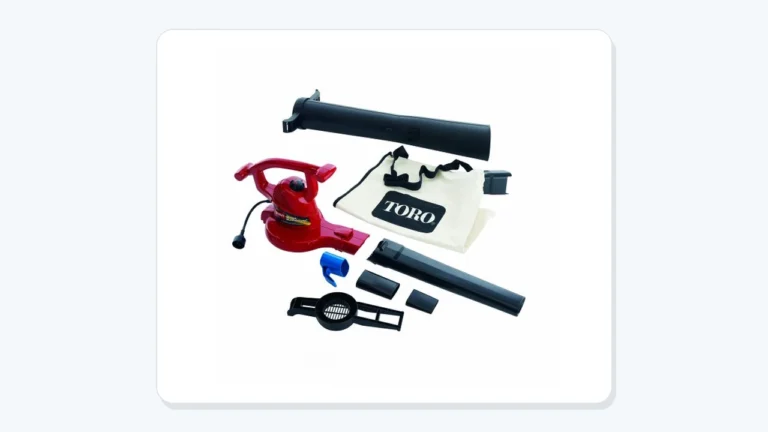
If you’re comparing the Toro Flex and the BLACK+DECKER Cordless Leaf Blower with Battery and Charger 20V MAX, choose the Toro for longer stated runtime and more airflow information; choose the BLACK+DECKER if low weight and a higher stated air-speed figure matter more.
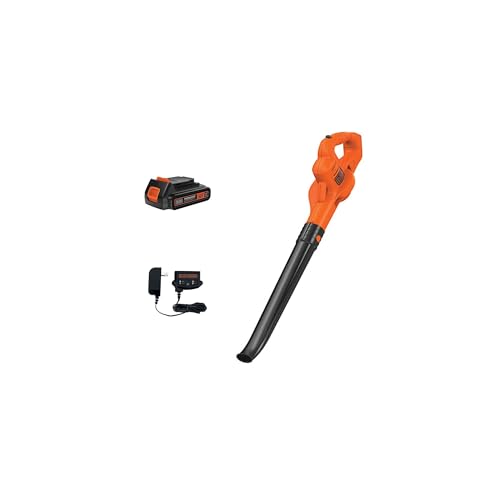
The Toro has a 60-volt battery, a brushless motor, 565 CFM, and up to 70 minutes of runtime. The BLACK+DECKER is a 20V MAX model with a 1.5-Ah battery, weighs 3.7 pounds, and reaches up to 130 MPH.
Those numbers don’t make for a simple speed contest: air speed and airflow volume describe different things, and the BLACK+DECKER’s CFM isn’t specified here. Your yard, cleanup habits, and tolerance for carrying a blower matter as much as the headline figures.
Below, I’ll explain what the specs mean in everyday cleanup, where each model has an advantage, and which trade-offs are worth considering before you buy.
| Flex | BLACK+DECKER Cordless Leaf Blower with Battery and Charger 20V MAX |
 |
 |
Toro Vs Black and Decker Leaf Blower Detailed Comparison
The main distinction is how much performance information and control each blower gives you. Toro provides an airflow rating, a runtime estimate, and several ways to adjust output. BLACK+DECKER gives a maximum air-speed figure, a specific weight, and a low-noise design as notable points of comparison.
That makes the Toro easier to assess for jobs where you want more than a quick pass over a paved surface. Its 565 CFM rating describes the volume of air it moves, while the variable-speed trigger, cruise control, and turbo boost let you adjust how that air is delivered. Up to 70 minutes of runtime gives you a useful stated benchmark for planning a cleanup, though actual runtime can vary with how you use the blower.
The BLACK+DECKER’s up-to-130-MPH figure is higher than the Toro’s 110 MPH. That tells you the BLACK+DECKER has the higher stated maximum air speed, but it doesn’t establish that it moves a greater volume of air. Without a comparable CFM figure for this model, avoid treating the two speed numbers as a complete measure of clearing power.
Picture a small driveway with dry leaves and dust. The BLACK+DECKER’s lightweight 3.7-pound design and stated speed make it a straightforward fit for brief, surface-level cleanup. For a longer session where you may want to modulate airflow or use a boost, the Toro’s controls and stated runtime are more relevant advantages. Neither set of specifications guarantees how quickly a particular yard will clear; damp leaves, debris buildup, and the area being cleaned all affect the job.
Quick distinction: the Toro gives more information about airflow volume, runtime, and control. The BLACK+DECKER has the higher listed air speed and a stated weight of 3.7 pounds. Compare those traits with the work you actually do, rather than picking a winner from one number.
Key Differences That Matter
Air speed and airflow volume
Air speed, measured in miles per hour, describes how fast air exits the blower. Airflow volume, measured in cubic feet per minute, describes how much air the blower moves. Both can matter when you’re shifting leaves, but they aren’t interchangeable measurements.
The Toro is rated at 110 MPH and 565 CFM. BLACK+DECKER is rated up to 130 MPH, but a CFM figure isn’t available for this comparison. So BLACK+DECKER wins on the stated maximum air-speed number, while Toro is the only one of the two with a verified airflow-volume rating. That doesn’t prove either blower clears every type of debris better.
For a buyer focused on sweeping loose, dry debris from a hard surface, air speed is a useful point to consider. If you’re comparing how much air a blower moves, Toro’s CFM number gives you more to work with. If that distinction affects your decision, check for comparable airflow information before settling on a model.
Runtime and battery details
Toro includes a 2.0-Ah battery and charger, and its stated runtime is up to 70 minutes on a charge. Treat that as a maximum, not a promise for every job: using turbo boost or running at higher output may change how long a charge lasts. The figure is still a helpful planning reference if you prefer to do a longer cleanup in one session.
The BLACK+DECKER comes with a 1.5-Ah 20V MAX lithium-ion battery and charger. Its battery is described as holding a charge for up to 18 months. That is a charge-retention claim, not an estimate of how long the blower runs while in use. Don’t compare it directly with Toro’s runtime figure.
Both include a battery and charger, so you can plan around the supplied battery rather than assuming you need to buy one separately. Their battery platforms differ: Toro uses its 60-volt Flex Force system, while BLACK+DECKER’s blower belongs to the 20V MAX system. If you already own tools in one of those systems, confirm compatibility for the exact blower and battery before treating that as a reason to choose it.
Weight, handling, and noise
BLACK+DECKER gives a precise weight: 3.7 pounds. That figure can be useful if you want to keep the blower light in your hands, especially for short, frequent jobs or if carrying a heavier tool is a concern. The available information describes Toro as lightweight but doesn’t provide a comparable weight, so it wouldn’t be fair to claim that either one is lighter.
BLACK+DECKER also has a low-noise design. That may be appealing if you want a quieter style of cleanup, but it doesn’t establish a specific decibel level or guarantee that the blower will be unobtrusive in every setting. There’s no directly comparable noise rating for Toro here, either. If noise is a deciding factor, look for measured sound information for both models rather than assuming one is quiet and the other isn’t.
Controls and motor design
Toro’s brushless motor and cast-aluminum direct-drive head are distinguishing construction details. Its variable-speed trigger offers a way to adjust output as you work, while cruise control can help maintain a chosen pace and turbo boost provides a higher-output option. Those controls are useful if a cleanup shifts between delicate areas and stubborn debris.
The verified BLACK+DECKER details emphasize its speed, low weight, and low-noise design rather than a comparable set of controls. That doesn’t mean the blower lacks a feature that hasn’t been specified here; it means you shouldn’t assume a particular speed-control or cruise-control setup when comparing the two. Check the exact controls if that function is important to you.
Performance, Features, and Everyday Use
Matching the blower to the cleanup
For a quick sweep of a deck, garage floor, or driveway, the BLACK+DECKER’s stated focus on hard surfaces and its 3.7-pound weight make a practical case. It’s a cordless option with a battery and charger included, and its maximum air-speed figure is the higher one in this comparison. Those points make it worth considering for a small, simple cleanup where keeping the tool light matters.
The Toro is a stronger fit on paper if you want more control over output or expect to work through a longer cleanup. The combination of variable speed, cruise control, and turbo boost gives you several ways to manage airflow. Its 565 CFM rating and up-to-70-minute runtime also provide useful planning details that aren’t specified for the BLACK+DECKER.
Neither model’s figures tell you exactly how it will handle wet leaves or heavy, stuck debris. Leaf condition and surface matter, and a maximum speed figure alone can’t settle that question. If your regular chore includes dense or damp piles, use the available specifications as a starting point—not a guarantee that either blower will move them easily.
Charging and planning a session
Because both products include a battery and charger, think about when you’ll charge and how much ground you expect to cover. Toro’s runtime figure gives you a stated upper limit for operation on a charge, while the BLACK+DECKER battery’s up-to-18-month charge-retention detail is about holding a charge over time. Those answer different questions: one is about use, the other about charge retention.
For the Toro, frequent use of turbo boost may affect how long a charge lasts compared with gentler operation. For the BLACK+DECKER, don’t read the battery’s charge-retention detail as a runtime estimate. If a single battery must cover a large area, verify that the expected working time suits your routine and consider whether a recharge break fits your schedule.
Battery systems and long-term fit
Toro’s Flex Force battery platform is interchangeable with a range of Toro tools for year-round yard care. BLACK+DECKER places this blower in its 20V MAX system. That system fit may matter if you already own compatible tools, but a shared platform name alone doesn’t confirm that every battery works with every tool.
Before counting an existing battery as a benefit, check compatibility with the exact model and battery you own. If you’re starting from scratch, focus on the blower’s included battery, charging needs, runtime expectations, and handling. A familiar battery platform is handy only when it genuinely fits your equipment and planned use.
What the numbers can’t tell you
The specifications don’t provide a direct, like-for-like clearing test, so avoid turning a single number into a universal performance verdict. The Toro’s 565 CFM offers a volume measurement, and BLACK+DECKER’s 130 MPH is its higher stated air speed. Neither figure alone tells you how the blower will perform on every surface or leaf condition.
Likewise, only BLACK+DECKER has a precise weight figure here, and only Toro has a stated runtime figure. That limits a direct comparison on those points. If those are your deciding factors, verify the missing detail for the model you’re considering rather than guessing from voltage, brand, or another specification.
Pros and Cons
Flex
Pros
- ✓Airflow volume specified: 565 CFM gives a useful measure beyond air speed.
- ✓Runtime stated: Up to 70 minutes helps with session planning.
- ✓Adjustable operation: Variable speed, cruise control, and turbo boost support different cleanup needs.
Cons
- –Higher air-speed figure isn’t its advantage: Its stated 110 MPH is below BLACK+DECKER’s 130 MPH.
- –No exact weight here: Buyers comparing carrying weight should verify that detail.
- –Turbo affects planning: Frequent boost use may change runtime from the stated maximum.
BLACK+DECKER Cordless Leaf Blower with Battery and Charger 20V MAX
Pros
- ✓Higher stated maximum speed: Up to 130 MPH suits buyers focused on air speed.
- ✓Specific weight: At 3.7 pounds, it’s easy to assess for carrying concerns.
- ✓Low-noise design: A useful consideration for buyers seeking quieter operation.
Cons
- –No comparable CFM figure: Buyers focused on airflow volume have less information to compare.
- –No runtime estimate here: The battery’s charge-retention detail doesn’t answer how long it runs.
- –Smaller stated battery capacity: The included battery is 1.5 Ah, versus Toro’s 2.0 Ah.
Which One Should You Buy?
Choose the Toro Flex if you want a blower with a stated airflow-volume rating, a runtime estimate, and several output controls. It makes particular sense if you expect to work through more than a quick driveway sweep or want to adjust the airflow as the cleanup changes. Its brushless motor, 565 CFM, and up-to-70-minute runtime give you more performance details to consider.
Who Should Skip This: Skip the Toro if your top priority is a verified low weight or the highest stated air-speed figure; BLACK+DECKER has the clear advantage on those specific numbers. Also pause if you need an exact weight to decide whether a blower will be comfortable to carry, because a comparable Toro figure isn’t available here.
Choose the BLACK+DECKER if you want a 3.7-pound blower, value its low-noise design, and mostly handle short cleanups on hard surfaces. Its up-to-130-MPH rating is the higher speed figure, and the included 1.5-Ah battery and charger make it a ready-to-use cordless package. Just keep in mind that its air-speed number doesn’t tell you its CFM or how long it runs per charge.
Who Should Skip This: Skip the BLACK+DECKER if you need a stated runtime or want to compare airflow volume using a CFM rating. Its battery can hold a charge for up to 18 months, but that doesn’t tell you how long it will power the blower during a cleanup.
Before choosing either, consider how long your usual job takes, what surfaces you clear, and whether carrying weight or variable output matters more. If the answer depends on a missing weight, runtime, or noise comparison, confirm that detail for the exact model rather than filling in the blank with an assumption.
FAQS About Toro Vs Black and Decker Leaf Blower
Which leaf blower has the higher air-speed rating?
The BLACK+DECKER is rated up to 130 MPH; the Toro is rated at 110 MPH. Air speed alone doesn’t establish which moves more air overall.
Which blower has a stated CFM rating?
The Toro has a 565 CFM rating. A comparable CFM figure isn’t specified for the BLACK+DECKER in this comparison.
Does the BLACK+DECKER battery runtime last 18 months?
No. Up to 18 months refers to how long the battery can hold a charge, not how long the blower runs during use.
Which blower is lighter?
The BLACK+DECKER has a specified weight of 3.7 pounds. A comparable Toro weight isn’t provided here, so there isn’t enough information to say which is lighter.
Final Verdict: Which One Wins?
The Toro Flex wins for buyers who value airflow-volume information, a stated runtime, and adjustable operation. Its 565 CFM rating, up-to-70-minute runtime, variable-speed trigger, cruise control, and turbo boost make it the more detailed choice for planning a longer or less uniform cleanup.
The BLACK+DECKER wins for buyers who prioritize a precise 3.7-pound weight, low-noise design, and the higher stated maximum air speed. It’s a sensible fit for lighter, hard-surface cleanup, as long as you don’t mistake its battery charge-retention claim for runtime.
There’s no universal winner: choose Toro for its stated airflow volume and controls, or BLACK+DECKER for its known weight and higher speed figure. If runtime, CFM, or weight is your deciding factor, make sure the available details answer that specific question before buying.

I’m Maya L. Greenwood, a lifelong plant lover who believes anyone can grow something beautiful with the right guidance. After years of testing soil mixes, pruning methods, irrigation tricks, and pest-safe solutions, I started EasyGardenTips.com to turn hard-won lessons into step-by-step advice. From seed starting and container gardens to composting and seasonal checklists, my goal is to make gardening simple, sustainable, and fun.