Espoma Vs Miracle Gro Potting Soil: Detailed Comparison and Verdict
If you’re comparing espoma vs miracle gro potting soil, the short answer is simple: choose Espoma for a smaller, natural-ingredient mix and choose Miracle-Gro when you need more soil plus feeding for outdoor container plants. Neither one is the universal winner.
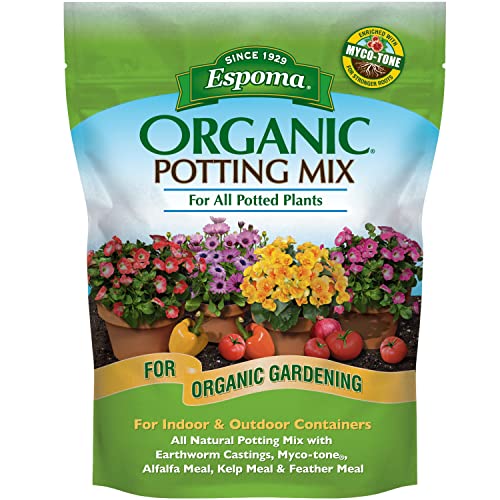
The biggest verified difference is package size. Espoma’s listing is one 8-quart bag, while Miracle-Gro’s listing includes two 16-quart bags for 32 quarts total. Espoma also identifies sphagnum peat moss, humus, perlite, earthworm castings, alfalfa meal, kelp meal, feather meal, and Myco-Tone mycorrhizae.
That makes Espoma a sensible fit for a few houseplants, herbs, vegetables, or transplanting jobs where you do not want a large leftover supply. Miracle-Gro makes more sense for outdoor containers when you want a larger bundle and the listing’s stated feeding period of up to six months.
This comparison focuses on the differences that can affect your actual purchase: volume, intended use, ingredients, feeding claims, setup, storage, and plant-care expectations. I’ll also point out where the supplied Amazon listing does not provide enough information to make a fair claim.
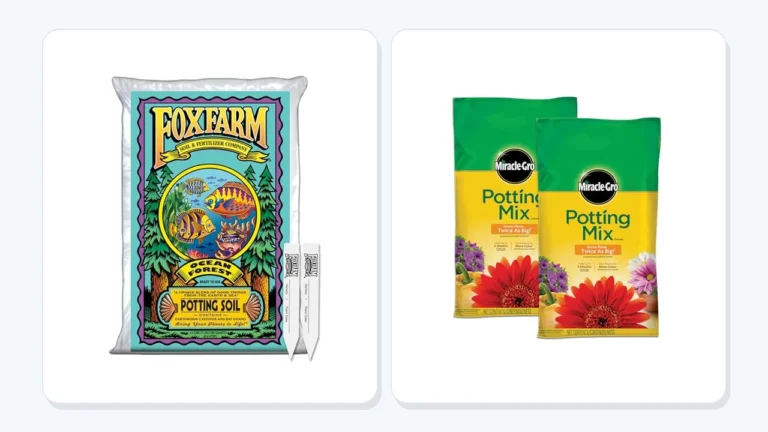
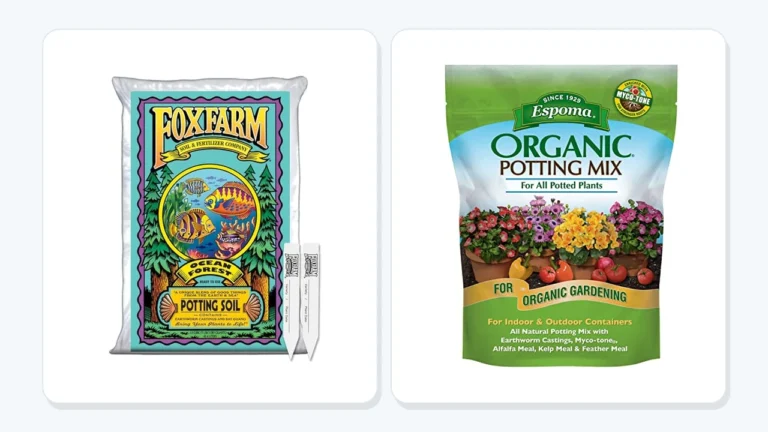
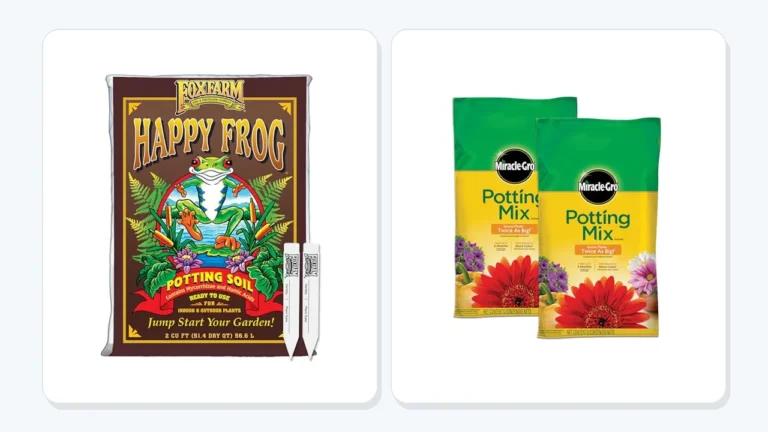
| 8qt. Bag. Pack of 1 | Miracle-Gro Potting Mix 16 Qt. 2-Pack |
 |
 |
Espoma Vs Miracle Gro Potting Soil Detailed Comparison
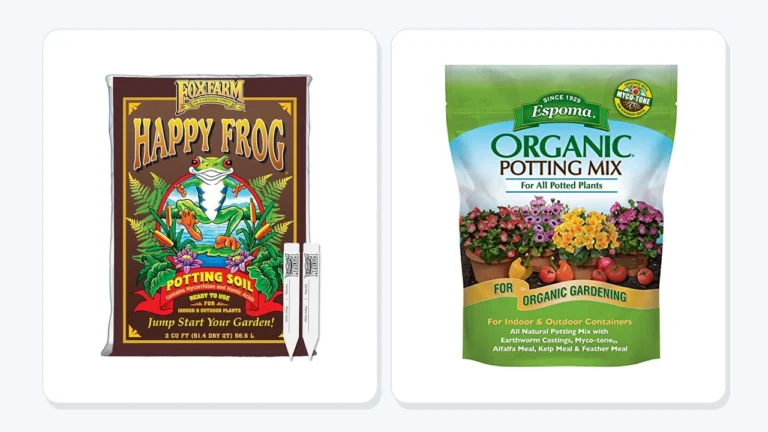
The Espoma product is listed as “8qt. Bag. Pack of 1” under ASIN B002Y04TK6. It is presented as an all-purpose potting mix for indoor and outdoor containers, including herbs, vegetables, flowers, and other container plants.
Its formula is described in more detail than Miracle-Gro’s supplied listing. Espoma identifies a base of sphagnum peat moss, humus, and perlite, then names earthworm castings, alfalfa meal, kelp meal, and feather meal as added ingredients. It also includes the company’s Myco-Tone blend of endo and ecto mycorrhizae.
Miracle-Gro Potting Mix is listed as a 16-quart, two-pack under ASIN B087QTDC3N. That gives you 32 quarts total, or four times the volume of the Espoma package. The listing positions it for outdoor container plants such as flowers, vegetables, herbs, shrubs, annuals, and perennials.
The practical difference shows up quickly. If you are repotting one medium houseplant, starting a few herbs, or filling a couple of small containers, 8 quarts may be easier to use before it sits in storage. If you are filling several patio pots, two 16-quart bags give you a much larger working supply.
Miracle-Gro’s listing also says the mix feeds plants for up to six months. That is a meaningful convenience for shoppers who want feeding included in the planting routine, though the supplied listing does not identify the nutrient analysis or explain how feeding varies by plant, container, watering schedule, or climate.
Espoma takes a different approach. Its listing says the product contains natural ingredients and does not use synthetic plant foods or chemicals. That may matter if you are deliberately choosing a natural-ingredient potting mix for herbs, vegetables, or general organic gardening practices.
Still, “natural ingredients” should not be stretched into claims the listing does not make. The supplied information does not verify a specific organic certification, nutrient analysis, pH range, drainage test, or moisture-retention measurement for either product.
Key Differences That Matter
1. Total soil volume and package format
Espoma gives you one 8-quart bag. Miracle-Gro gives you two 16-quart bags, totaling 32 quarts. In raw volume, Miracle-Gro provides four times as much potting mix as the Espoma listing.
That does not automatically make Miracle-Gro the better value for every gardener. Extra soil is useful only if you have containers to fill and a reasonable place to keep the unopened or partly used bags. A gardener with a small apartment balcony may prefer one compact bag over two larger bags taking up closet or garage space.
Miracle-Gro says each 16-quart bag fills one 12-inch container, although the amount can change with the root ball size. Treat that as a planning estimate rather than a guarantee. Container shape, plant size, and how much room you leave around the root ball all change the final amount.
Espoma’s 8-quart package is better matched to a limited project. It may cover several small pots, one modest transplanting session, or a short herb-growing setup, but the listing does not provide a fixed container count.
2. Ingredient information and gardening approach
Espoma offers the clearer ingredient picture. Its listed materials include peat moss for the base, humus and perlite for the mix structure, and several named organic inputs. Mycorrhizae are also identified through the Myco-Tone blend.
For the buyer, that transparency helps answer a basic question: “What kind of soil am I putting in my containers?” It also supports a more natural-ingredient gardening approach without requiring you to add synthetic plant food immediately.
Miracle-Gro’s supplied listing does not provide the ingredient list or physical composition. That is not proof that a particular ingredient is missing. It simply means you should check the bag or current product page if peat content, fertilizer ingredients, texture, or a specific certification matters to you.
Both products are described for container gardening, but Espoma’s listing explicitly covers indoor and outdoor use. Miracle-Gro’s supplied listing emphasizes outdoor containers. If you plan to use the mix for indoor plants, confirm the package directions and product labeling before buying the larger bundle.
3. Feeding claims
Miracle-Gro has the stronger convenience claim here: its listing says the mix feeds all types of potted plants for up to six months. The listing also promotes larger growth compared with unfed plants, but that statement is a product claim rather than independent testing supplied for this comparison.
The real benefit is fewer separate feeding decisions during the early part of a container plant’s growth. That can help if you are setting up several outdoor pots and do not want to measure fertilizer right away.
Espoma’s listing does not state a six-month feeding period. It does identify earthworm castings, alfalfa meal, kelp meal, and feather meal, but the supplied information does not give a guaranteed nutrient analysis or feeding schedule.
That means the two products should not be treated as interchangeable on feeding. With Miracle-Gro, follow the package directions and watch the plant rather than assuming every container needs the same treatment. With Espoma, check the bag for current instructions and be prepared to manage supplemental feeding based on the plant and growing conditions.
4. Natural-ingredient positioning versus outdoor convenience
Espoma says no synthetic plant foods or chemicals are used and markets the mix for organic gardening. That is the clearest fit for shoppers who are intentionally avoiding synthetic inputs in their container garden.
Miracle-Gro’s supplied listing does not make that same natural-ingredient or organic-gardening statement. It focuses instead on outdoor container use, broad plant coverage, package quantity, and feeding duration.
The choice depends on what you are trying to control. If ingredient philosophy comes first, Espoma provides more relevant information. If the main problem is filling multiple outdoor pots with one purchase, Miracle-Gro’s larger package is the more practical match.
Performance, Features, and Everyday Use
Starting a new plant or transplanting
Espoma’s listing specifically says it can be used when starting a new plant or moving one into a larger container. That makes the 8-quart bag convenient for routine repotting, especially if you are working with a few indoor plants or a small vegetable setup.
A typical transplanting job is easier when the soil is ready before the plant comes out of its old pot. Set out the new container, add enough mix to support the root ball, position the plant, and fill around it without packing the material into a hard layer.
Miracle-Gro supplies more soil for the same kind of job, but you may have a lot left after one transplant. That is helpful if more pots are waiting. It is less appealing if this is a one-plant purchase and storage space is tight.
Using the products for herbs and vegetables
Espoma explicitly lists herbs and vegetables among its uses and names several natural inputs in the blend. That combination may appeal to someone growing edible plants in containers and trying to keep the soil choice aligned with a natural-ingredient routine.
Miracle-Gro also lists herbs and vegetables among its outdoor container uses. Its included feeding claim may reduce the need to plan a separate early feeding schedule, but you still need to follow the bag directions and account for the plant’s actual condition.
Neither listing verifies that every herb or vegetable will perform the same way in every climate. Container size, sunlight, watering, temperature, and drainage can matter just as much as the bag of mix. A good potting soil cannot compensate for a pot with poor drainage or a plant placed in unsuitable light.
Indoor versus outdoor placement
Espoma has the broader stated placement range because the listing identifies both indoor and outdoor containers. That is useful if the same bag may serve a houseplant today and a patio planter later.
Miracle-Gro’s supplied information is framed around outdoor containers. It lists flowers, vegetables, shrubs, annuals, and perennials, but it does not provide indoor-use guidance in the verified features supplied here.
If you are buying for indoor plants, inspect the current package directions before opening the bag. The question is not just whether the mix can physically go into a pot indoors; it is whether the product’s directions and your watering habits fit the space.
Watering and ongoing care
The supplied listings do not verify drainage speed, moisture retention, particle size, compaction resistance, pH, or independent performance results for either product. I would not promise that one will dry faster or prevent overwatering based on the available information.
That missing data matters because watering mistakes are common in containers. A mix that works well on a sunny patio may stay wet longer in a dim room. Use a container with drainage, check the soil instead of watering by calendar, and adjust based on the plant’s needs.
Miracle-Gro’s six-month feeding statement does not mean the plant can be ignored for six months. Plants still need proper light, water, container space, and monitoring. Espoma’s named organic inputs do not eliminate the need to watch for nutrient deficiency or changing plant demands.
Storage and leftovers
Package size affects ownership after planting. One 8-quart Espoma bag creates less leftover material after a small project. That can be a real advantage in an apartment, on a narrow porch, or in a garage shared with tools and seasonal equipment.
Miracle-Gro’s two-bag bundle is more efficient for a larger planting day. It also creates more leftover soil if you only need one container’s worth. Keep any remaining bag sealed and dry according to the package directions, and inspect it before later use.
Pros and Cons
8qt. Bag. Pack of 1
Pros
- ✓Natural-ingredient formula: Includes named organic inputs and no synthetic plant foods or chemicals.
- ✓Smaller package: Easier to match to a few pots or a modest transplanting project.
- ✓Indoor and outdoor use: Fits houseplants, herbs, vegetables, flowers, and outdoor containers.
- ✓Mycorrhizae included: Myco-Tone adds a specifically identified feature to the blend.
Cons
- –Limited volume: May not cover several large containers or a broad planting project.
- –No verified feeding period: The listing does not state a six-month feeding claim.
- –Less package detail: The listing does not provide a fixed container-coverage estimate.
Miracle-Gro Potting Mix 16 Qt. 2-Pack
Pros
- ✓Large total supply: Provides 32 quarts for multiple outdoor containers.
- ✓Feeding convenience: Listing states plants receive feeding for up to six months.
- ✓Broad outdoor use: Covers flowers, vegetables, herbs, shrubs, annuals, and perennials.
- ✓Planning estimate: Each bag is listed as filling one 12-inch container, with variation.
Cons
- –More soil than some buyers need: Excess material requires dry, suitable storage.
- –Outdoor-focused listing: Indoor use is not identified in the supplied features.
- –Ingredient details unverified: The supplied listing does not specify the mix composition.
Which One Should You Buy?
Buy the Espoma 8-quart bag if you are repotting a few houseplants, planting herbs on a small balcony, or starting a limited container garden. Its smaller format reduces the chance of buying far more soil than you can use, while the listed natural ingredients and indoor/outdoor positioning fit a flexible home setup.
Espoma is also the clearer choice if avoiding synthetic plant foods or chemicals is part of your buying decision. The listing supports that preference directly. Just remember that the supplied information does not verify an organic certification, nutrient analysis, or a guaranteed feeding schedule.
Who Should Skip This: Skip the Espoma package if you need enough mix for many large patio pots, raised container displays, or a bigger seasonal planting day. An 8-quart bag may leave you making another purchase sooner than expected.
Choose Miracle-Gro’s 16-quart two-pack if you are filling several outdoor containers and want 32 quarts on hand. The stated six-month feeding period is useful for gardeners who prefer a mix with a built-in feeding claim instead of immediately planning a separate fertilizer routine.
The larger bundle is particularly sensible when you already know you will use the soil. It can handle a busy spring planting day more comfortably than a single 8-quart bag. The two 16-quart bags also make the package easier to divide across projects or store for a later container.
Who Should Skip This: Skip the Miracle-Gro bundle if you only need soil for one small indoor plant or have no dry place to store the extra mix. Also check the current label first if a natural-ingredient or organic-gardening approach is a firm requirement.
Choosing the wrong size creates the most predictable frustration. Pick Espoma for a smaller, more ingredient-focused purchase and you may need another bag for a larger project. Pick Miracle-Gro for a single small pot and you may be left storing a substantial amount of unused soil.
FAQS About Espoma Vs Miracle Gro Potting Soil
Which gives you more potting soil, Espoma or Miracle-Gro?
Miracle-Gro gives you more. The listing includes two 16-quart bags, or 32 quarts total. Espoma’s listing is one 8-quart bag, so the Miracle-Gro package contains four times the listed volume.
Is Espoma or Miracle-Gro better for indoor plants?
Espoma is the clearer fit based on the supplied listings because it specifically identifies indoor and outdoor container use. Miracle-Gro’s supplied features focus on outdoor containers, so check the current package directions before using it indoors.
Which potting soil is better for herbs and vegetables?
Both listings identify herbs and vegetables as intended uses. Espoma may suit shoppers seeking named natural ingredients and no synthetic plant foods or chemicals, while Miracle-Gro may suit outdoor growers who want the stated feeding period.
Does Miracle-Gro potting mix feed plants longer than Espoma?
Miracle-Gro’s listing states feeding for up to six months. The supplied Espoma listing does not state an equivalent feeding period. Follow the package instructions for either product and monitor the plant rather than relying only on a calendar.
Final Verdict: Which One Wins?
Espoma wins for smaller projects, indoor-and-outdoor flexibility, and shoppers who prefer a natural-ingredient mix. The 8-quart bag and named ingredients make it a practical choice for a few houseplants, herbs, vegetables, or routine repotting.
Miracle-Gro wins for larger outdoor container projects. Its two 16-quart bags provide 32 quarts total, and the listing’s up-to-six-month feeding claim adds convenience. Buy it when you can use or store the extra soil; otherwise, Espoma is the less cumbersome choice.

I’m Maya L. Greenwood, a lifelong plant lover who believes anyone can grow something beautiful with the right guidance. After years of testing soil mixes, pruning methods, irrigation tricks, and pest-safe solutions, I started EasyGardenTips.com to turn hard-won lessons into step-by-step advice. From seed starting and container gardens to composting and seasonal checklists, my goal is to make gardening simple, sustainable, and fun.