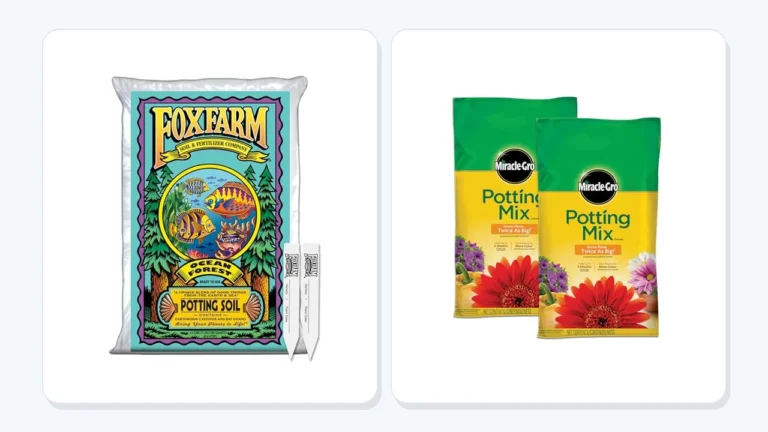
Foxfarm Happy Frog Vs Espoma Potting Mix: Which One Should You Buy?
If you’re comparing Foxfarm Happy Frog Vs Espoma Potting Mix, the short answer is simple: choose Happy Frog if you need a large, heavily amended container blend, and choose Espoma if you want a smaller bag with a natural ingredient profile for a few indoor or outdoor containers. Neither is automatically better for every gardener.
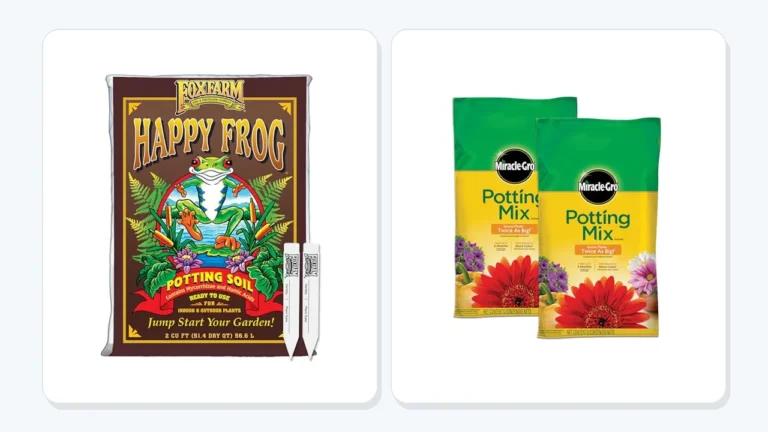
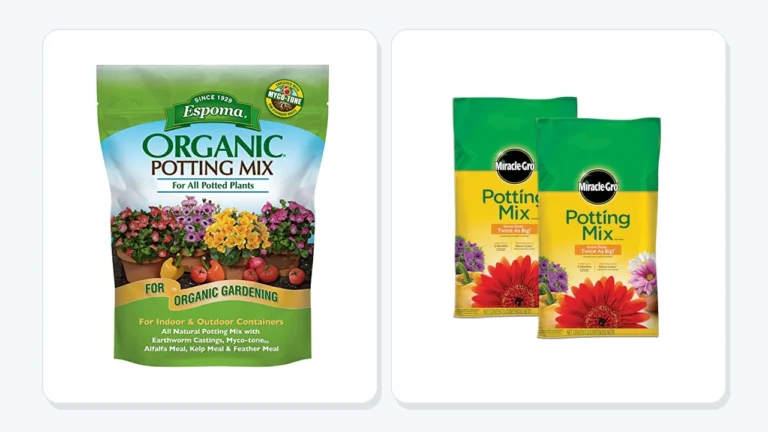
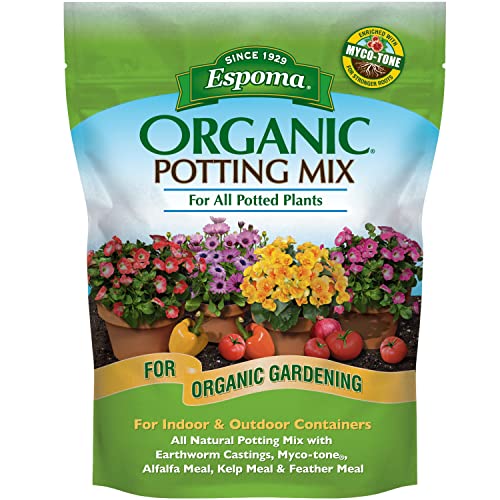
The biggest verified difference is size. Happy Frog comes as a 2-cubic-foot bag, while Espoma is an 8-quart bag. Their amendments also differ: Happy Frog includes aged forest products, bat guano, oyster shell, dolomite lime, soil microbes, and fertilizer; Espoma uses humus, earthworm castings, alfalfa meal, kelp meal, feather meal, and its Myco-Tone mycorrhizae blend.
That size gap matters if you’re filling several raised containers, transplanting many plants, or trying to avoid running out halfway through a project. Espoma makes more sense for a smaller planting job, a handful of houseplants, or someone who wants to buy less soil at one time.
Below, I’ll compare their ingredients, biological additions, container use, package size, setup, and practical trade-offs. I’ll also point out who should skip each one, because the wrong bag can mean wasted soil, awkward storage, or a mix that does not match your planting plan.
| Ready-to-Use Amended Container Blend | 8qt. Bag. Pack of 1 |
 |
 |
Foxfarm Happy Frog Vs Espoma Potting Mix Detailed Comparison
Both products are intended for container gardening, and both are built around familiar potting-mix ingredients. Each listing identifies sphagnum peat moss and perlite, and each includes earthworm castings or related organic amendments plus mycorrhizal fungi.
The important distinction is not simply “organic versus non-organic.” The supplied listings describe different formulas and different quantities. Happy Frog is sold as a 2-cubic-foot ready-to-use amended container blend with soil microbes, mycorrhizal fungi, aged forest products, bat guano, oyster shell, dolomite lime, and fertilizer.
Espoma is sold as an 8-quart bag. Its listed ingredients include sphagnum peat moss, humus, perlite, earthworm castings, alfalfa meal, kelp meal, feather meal, and the company’s Myco-Tone blend of endomycorrhizae and ectomycorrhizae.
Picture two common shopping situations. If you are filling multiple large patio containers before planting vegetables and flowers, the Happy Frog package gives you a much larger supply in one purchase. If you are repotting two houseplants or refreshing a small herb container, an 8-quart bag may be easier to manage and less soil than you need.
Happy Frog’s listing describes the mix as suitable for indoor or outdoor containers, including fruits, vegetables, flowers, and houseplants. Espoma’s listing also covers indoor and outdoor containers, herbs, vegetables, flowers, and other container plants.
So the intended use is broadly similar. The choice comes down to how much mix you need, which amendment profile appeals to you, and how much built-in fertility you want to account for when caring for the plants.
Key Differences That Matter
1. Package capacity and project size
Happy Frog is the clear choice for quantity. Its listing specifies 2 cubic feet of potting soil, while Espoma provides 8 quarts.
That is not a minor packaging detail. Potting mix disappears quickly when you fill deep containers, window boxes, several nursery pots, or a batch of grow bags. A small bag can handle a limited job, but it becomes frustrating when you discover you need another purchase before the last container is filled.
Espoma’s smaller package can still be the better fit for a targeted project. You may not want a large bag taking up garage or balcony space if you only need soil for a couple of plants. The supplied listing does not state the dimensions, weight, or storage life of either package, so check the current Amazon page if those details affect your decision.
Practical takeaway: Happy Frog fits bulk container work; Espoma fits smaller planting and repotting tasks.
2. The amendment profile
Happy Frog uses a blend that includes 50–60% aged forest products, sphagnum peat moss, perlite, and fertilizer. Its listed derived materials include earthworm castings, bat guano, oyster shell, and dolomite lime.
That combination signals a more extensively amended container medium than a simple peat-and-perlite mix. The forest products add a substantial organic component, while perlite is commonly used in potting mixes to support air space and drainage. The listing also identifies lime and fertilizer, but it does not provide a verified nutrient analysis or feeding schedule.
Espoma’s formula centers on sphagnum peat moss, humus, and perlite, with earthworm castings, alfalfa meal, kelp meal, and feather meal. The listing describes it as using natural ingredients and says no synthetic plant foods or chemicals are used.
Those ingredients may appeal to gardeners who specifically want a natural-input mix. Still, “natural” does not tell you exactly how much nutrition a particular plant will receive or how long that nutrition will last. Plant needs vary, so follow the plant’s care requirements instead of assuming either bag can replace all future feeding.
Practical takeaway: Happy Frog offers a broader list of amendments, while Espoma emphasizes natural organic inputs without synthetic plant foods or chemicals, according to its listing.
3. Microbes and mycorrhizal fungi
Both products include biological additions, but the listings describe them differently. Happy Frog is amended with soil microbes and mycorrhizal fungi, and its listing says these microbes help improve root efficiency and make nutrients available in a form plants can use.
Espoma includes Myco-Tone, described in the listing as a proprietary combination of endomycorrhizae and ectomycorrhizae. Mycorrhizal fungi are associated with plant roots and are commonly included in growing media to support the root environment.
The presence of these ingredients does not guarantee identical results for every plant. Plant species, watering, light, container size, and transplanting technique still shape how a root system develops. The listings do not provide independent testing, fungal counts, or side-by-side performance data.
That missing information matters if you are trying to compare biological activity scientifically. For ordinary buying, the useful distinction is that both mixes include mycorrhizal support, while Happy Frog also specifically calls out soil microbes and a nutrient-conversion benefit.
Practical takeaway: Neither product is a plain, unamended medium. Both are intended to give container roots an amended growing environment from the start.
4. Ingredient preferences and feeding decisions
Happy Frog includes bat guano, oyster shell, dolomite lime, and fertilizer among its listed ingredients. Espoma includes animal- and plant-derived meals such as feather meal, alfalfa meal, and kelp meal, while stating that it uses no synthetic plant foods or chemicals.
This distinction may matter more to your gardening preferences than to the basic act of filling a pot. Some buyers want a mix with several organic amendments already included. Others want to avoid particular ingredients or prefer a product explicitly presented as free from synthetic plant foods and chemicals.
Neither listing provides a complete nutrient analysis in the supplied information. Do not guess at nitrogen, phosphorus, potassium, calcium, or feeding intervals from the ingredient list alone. If a specific crop requires a known nutrient range, check the current product label and use a crop-specific feeding plan.
Practical takeaway: Read the ingredient profile as a buying preference and starting point, not as a complete substitute for plant-specific care.
Performance, Features, and Everyday Use
Both mixes are presented as ready for container planting. That means the main job is choosing an appropriate container, filling it without packing the medium too tightly, and placing the plant where it receives suitable light.
Happy Frog’s larger size is convenient for a planting day with several containers. You can work from one bag rather than opening multiple smaller packages, and the extra volume gives you more flexibility if a container takes more mix than expected.
Its listing also includes two customizable plant tags with each purchase. That is a small feature, but it can help if you are growing multiple varieties or want to record planting dates. The tags do not change how the soil performs, but they can prevent the familiar problem of forgetting which container holds which plant.
Espoma’s 8-quart size is easier to match to a short list of plants. It may be more convenient for repotting a houseplant, starting a small herb collection, or refreshing a limited number of outdoor containers. The listing specifically says it can be used when planting containers or transplanting into a larger container.
Neither listing verifies a pH range, moisture level, particle-size distribution, drainage rate, bag weight, or shelf life. Those specifications can affect handling and plant care, so check the current package information if your growing setup depends on one of them.
Filling and transplanting
A potting mix is only part of the container system. The container must have suitable drainage, and the plant must be placed at an appropriate depth. Adding either product to a pot without drainage openings can create a watering problem that the mix alone cannot solve.
For a transplant, loosen the plant carefully and avoid compressing the new mix around the roots. Both listings position the products for starting or moving plants, but neither supplies a universal transplanting method for every species.
Happy Frog’s amendments may be helpful for a gardener who wants a more built-up starting medium. That does not mean every plant needs the same amount of fertility. Seedlings, sensitive houseplants, herbs, and heavy-feeding vegetables can have different preferences.
Espoma’s combination of peat, humus, perlite, castings, meals, and Myco-Tone gives it a similarly prepared starting point. If you are growing edible plants, follow the crop’s care guidance and any label instructions rather than treating the soil as a complete season-long feeding program.
Watering and ongoing care
The listings do not provide a watering schedule for either product. That is expected because watering depends on container size, plant type, temperature, humidity, light, and root development.
Perlite is listed in both mixes, but its presence alone does not tell you exactly how quickly either product will dry. Avoid watering by calendar alone. Check the plant and the medium, then adjust for the conditions around that particular container.
Happy Frog’s listing says its microbes can help convert nutrients into usable forms and support root efficiency. Espoma’s listing highlights Myco-Tone and its natural ingredient blend. These features may support the root zone, but they do not remove the need for sensible watering, adequate light, or correct container sizing.
After planting, watch the plant rather than expecting the bag to solve every issue. Yellowing leaves, wilting, slow growth, or poor flowering can have several causes, including light, water, temperature, pests, roots, or nutrition.
Storage and waste
The package-size difference also changes storage. A 2-cubic-foot bag requires more room than an 8-quart bag, and moving or protecting a larger bag can be inconvenient in an apartment, small shed, or crowded garage.
At the same time, a small bag may create more packaging and more shopping trips if you are filling many containers. The supplied listing does not verify resealability or storage instructions for either product, so keep unused mix protected according to the package directions.
For a single repotting job, buying only the amount you can use soon may be the more practical choice. For a planned container garden, the larger Happy Frog package may reduce the chance of stopping mid-project to find more medium.
Pros and Cons
Ready-to-Use Amended Container Blend
Pros
- ✓Large supply: Two cubic feet suits multiple containers and larger planting projects.
- ✓Broad amendment list: Includes aged forest products, castings, bat guano, lime, and fertilizer.
- ✓Plant tags included: Two customizable tags help identify varieties and planting dates.
Cons
- –More soil than needed: Excess volume may frustrate buyers with only one or two small plants.
- –Many amendments: Ingredient-sensitive gardeners may prefer a simpler or differently formulated mix.
- –Missing nutrient details: The supplied listing does not verify an analysis or feeding schedule.
8qt. Bag. Pack of 1
Pros
- ✓Manageable quantity: Eight quarts suits small repotting and limited container projects.
- ✓Natural-input profile: Uses meals, humus, castings, and kelp without listed synthetic plant foods or chemicals.
- ✓Myco-Tone included: Provides the listed endomycorrhizae and ectomycorrhizae blend.
Cons
- –Smaller supply: One bag may not cover several large containers or a broad planting project.
- –Specific ingredients: Feather meal and other meals may not suit every buyer’s preferences.
- –Missing nutrient details: The supplied listing does not verify an analysis or feeding schedule.
Which One Should You Buy?
Choose Ready-to-Use Amended Container Blend if you are filling several containers, starting a larger patio garden, or transplanting enough plants to make an 8-quart bag feel limiting. The 2-cubic-foot package is the defining advantage, and the included plant tags are useful when several varieties need identification.
Happy Frog also fits buyers who want a mix with a long list of built-in amendments. Its listing identifies aged forest products, sphagnum peat moss, perlite, fertilizer, soil microbes, mycorrhizal fungi, earthworm castings, bat guano, oyster shell, and dolomite lime.
That does not make it the right choice for every plant. A heavily amended mix may be more than you want for a small, sensitive planting project, and the listing does not provide enough nutrient detail to predict exactly how often additional feeding will be needed.
Who Should Skip This: Skip Happy Frog if you only need a small amount of soil, have very limited storage, or specifically want a product whose listing excludes synthetic plant foods and chemicals.
Choose 8qt. Bag. Pack of 1 if you are repotting a small number of houseplants, growing a few herbs, or refreshing a limited group of outdoor containers. The smaller package can help you avoid storing a large leftover bag after a modest project.
Espoma is also a strong fit for buyers who prefer the listed natural-input formula. Its ingredients include humus, earthworm castings, alfalfa meal, kelp meal, and feather meal, and the listing says no synthetic plant foods or chemicals are used.
The trade-off is straightforward: eight quarts can run short quickly. If you are filling deep pots or several planters, choosing Espoma may leave you making another soil purchase before the job is finished.
Who Should Skip This: Skip Espoma if you need enough mix for many large containers or want to avoid feather meal and other listed organic meals.
What happens if you choose the wrong size?
Choosing the wrong package size is the easiest mistake to avoid. Buying the smaller Espoma bag for a broad planting project may create interruptions and inconsistent timing if you cannot finish all containers together.
Buying Happy Frog for one small repotting job may leave you with much more material than you can comfortably store. That is not a performance failure, but it can be an unnecessary expense and a storage headache.
What happens if you choose by ingredient label alone?
Ingredient preferences are valid, but they should match the plants and your care plan. Happy Frog lists fertilizer and several amendments, while Espoma lists natural meals and explicitly excludes synthetic plant foods and chemicals in its description.
Neither listing gives a full picture of how a particular plant will respond under your conditions. Light, water, pot size, temperature, and follow-up feeding still matter. If you have a crop with special needs, compare the current bag label with that crop’s requirements before ordering.
Best choice for indoor plants
Both listings say the products can be used indoors. For a few houseplants, Espoma’s 8-quart package may be the more convenient purchase because it limits leftover material.
For a large indoor collection or many substantial containers, Happy Frog’s 2-cubic-foot volume is more practical. Keep in mind that the supplied information does not verify odor, dust level, or indoor storage features, so check the current listing if those issues matter in your home.
Best choice for vegetables and herbs
Both products are listed for vegetables and herbs. Happy Frog offers the larger supply and a formula that includes fertilizer, microbes, castings, and several mineral and organic amendments.
Espoma is also listed for vegetables and herbs and emphasizes natural ingredients without synthetic plant foods or chemicals. For edible crops, the better choice depends on your package needs and ingredient preferences, not on an unsupported promise that one will produce a larger harvest.
FAQS About Foxfarm Happy Frog Vs Espoma Potting Mix
Is FoxFarm Happy Frog better than Espoma potting mix?
Not universally. Happy Frog is the better fit for larger container projects and buyers who want its broader listed amendment profile. Espoma is the better fit for smaller jobs and buyers who prefer the listed natural-input formula without synthetic plant foods or chemicals.
Which has more potting soil, Happy Frog or Espoma?
Happy Frog has more. Its listing specifies a 2-cubic-foot bag, while Espoma’s listing specifies an 8-quart bag.
Do FoxFarm Happy Frog and Espoma potting mix both contain mycorrhizae?
Yes. Happy Frog’s listing identifies mycorrhizal fungi, while Espoma lists its Myco-Tone blend of endomycorrhizae and ectomycorrhizae.
Can you use both FoxFarm Happy Frog and Espoma for vegetables and herbs?
Yes. Both listings identify vegetables and herbs among their intended container uses. Match the container, light, watering, and follow-up feeding plan to the specific crop.
Which potting mix is better for repotting houseplants?
Either can be used indoors according to the supplied listings. Espoma’s 8-quart size may suit a few houseplants, while Happy Frog’s 2-cubic-foot bag makes more sense for a larger collection or several sizable containers.
Final Verdict: Which One Wins?
Happy Frog wins for quantity and a more extensively amended container blend. Pick it for several planters, larger containers, indoor plant collections, or a planting day where running short would be a serious nuisance.
Espoma wins for smaller projects and natural-input preferences. Choose it for a few houseplants, herbs, or outdoor containers when an 8-quart bag is enough and the listed ingredients better match your gardening standards.
The best buy depends on the project in front of you. Match the package size first, then compare the amendment profile, and check the current label if nutrient details, storage, or a particular ingredient will affect your decision.

I’m Maya L. Greenwood, a lifelong plant lover who believes anyone can grow something beautiful with the right guidance. After years of testing soil mixes, pruning methods, irrigation tricks, and pest-safe solutions, I started EasyGardenTips.com to turn hard-won lessons into step-by-step advice. From seed starting and container gardens to composting and seasonal checklists, my goal is to make gardening simple, sustainable, and fun.