5 Best Self-Propelled Gas Push Lawn Mower: Key Facts and Guidance
If you are looking for the best self-propelled gas push lawn mower, the right choice depends on more than engine size. Cutting width, wheel design, drive layout, height adjustment, starting system, and the way you handle clippings all affect how comfortable and efficient a mower feels in real use.
For most homeowners, the Powersmart 21″ Self-Propelled Gas Lawn Mower is the strongest overall recommendation in this group. It combines a 170cc OHV engine, rear-wheel drive, a steel deck, and three cutting modes in a straightforward package. The SENIX 201cc 22″ 3-in-1 Variable Speed Self is the clear alternative if you want a wider deck, a larger engine, more ground clearance, and variable-speed control.
The five options below were compared by looking at propulsion, engine or motor performance, cutting width, wheel traction, height range, clipping management, starting convenience, and ownership considerations. One important note is that the fifth product is electric rather than gas-powered, but it is included as a useful point of comparison for shoppers deciding whether gas is still the best fit for their yard.
Best Self-Propelled Gas Push Lawn Mower Picks at a Glance
| Product | Name | Price |
|---|---|---|
 |
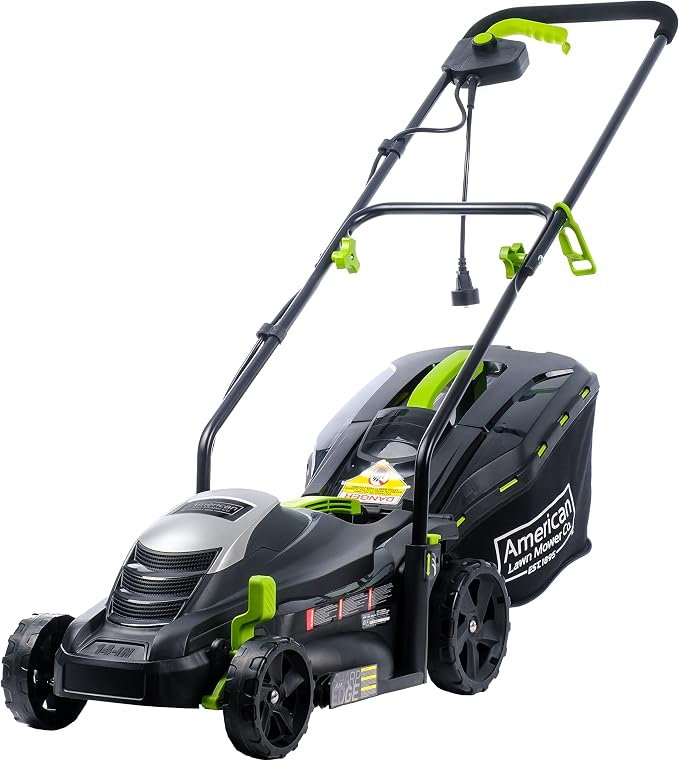
Powersmart 21″ Self-Propelled Gas Lawn Mower | Check Price |
 |
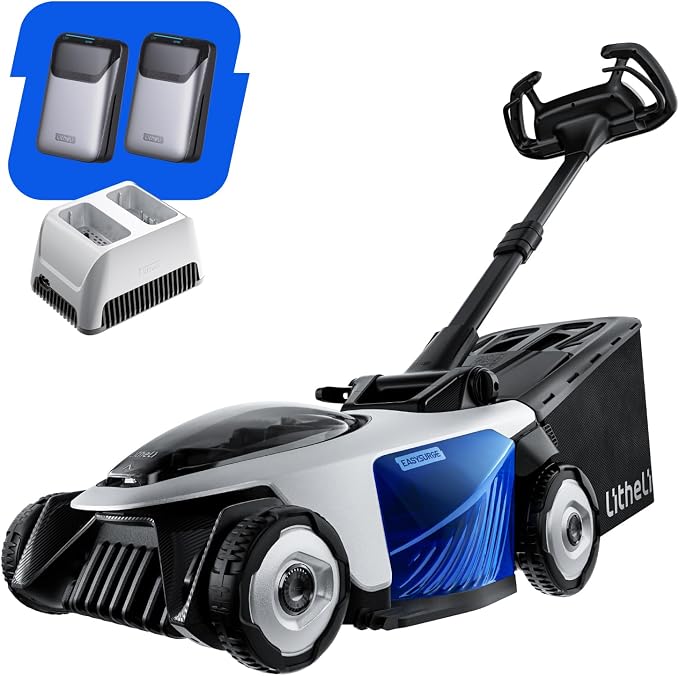
SENIX 201cc 22″ 3-in-1 Variable Speed Self | Check Price |
 |
YARDMAX 22 In. 201cc Select PACE 6 | Check Price |
 |
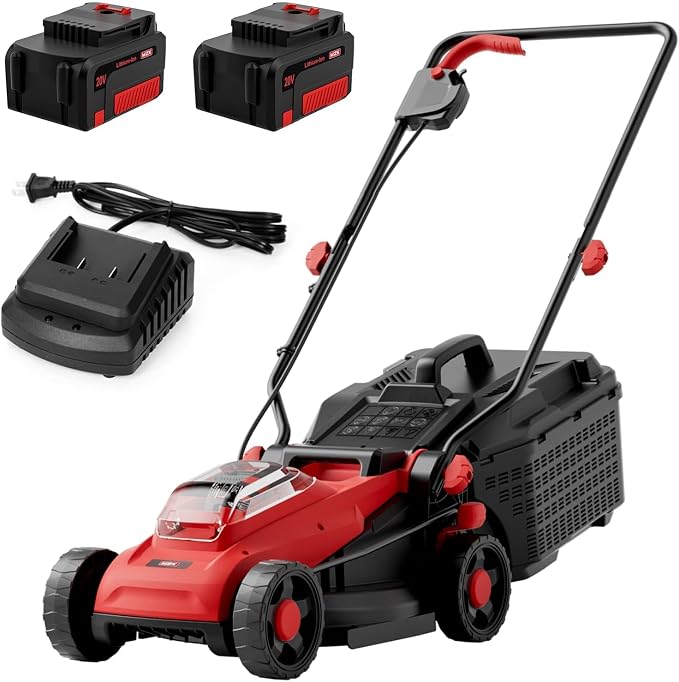
BILT HARD 21″ Self Propelled Gas Lawn | Check Price |
 |
Greenworks 60V 21in Self-Propelled Lawn Mower | Check Price |
1. Powersmart 21″ Self-Propelled Gas Lawn Mower
The Powersmart earns the top position because it offers a balanced combination of capability and simplicity for typical medium-sized residential lawns. Its 170cc OHV engine is designed for consistent performance, while the 21-inch steel deck provides a practical cutting path without making the mower unnecessarily cumbersome around garden beds, trees, and tighter lawn sections.
Rear-wheel drive is a meaningful advantage when the property includes slopes or uneven ground. The large 10-inch rear wheels can help the mower maintain traction and move more predictably than a basic push mower with smaller wheels. That does not eliminate the need for careful handling on steep terrain, but it makes the design more suitable for varied residential landscapes.
The 3-in-1 cutting system adds flexibility. You can collect clippings in the 1.4-bushel bag, mulch them back into the lawn, or use rear discharge when you want to mow without stopping as often to empty the bag. Six single-lever height settings cover 1.5 to 3.9 inches, giving you useful control for seasonal grass changes and different mowing preferences.
Its trade-off is that the 170cc engine is smaller than the 201cc engines used by several higher-capacity alternatives in this roundup. The mower is therefore better suited to regular maintenance than to treating severely overgrown grass as a routine task. It also has a 3.5-star rating from 1,876 reviews in the supplied listing data, so prospective buyers should pay attention to current owner feedback and assembly instructions.
For setup, verify the handle, bag, discharge components, wheel controls, and height mechanism before the first mow. Use the supplied engine guidance for fuel, oil, storage, and blade care. Choose this model when you want a well-rounded rear-wheel-drive mower with all three clipping options; consider SENIX or YARDMAX if variable pace control or a larger engine is more important.
2. SENIX 201cc 22″ 3-in-1 Variable Speed Self
The SENIX is the clearest alternative to the top-ranked Powersmart because it adds a larger 201cc four-cycle OHV engine, a 22-inch steel cutting deck, and variable-speed self-propelled control. The extra inch of cutting width may seem modest, but it can reduce the number of passes required across open lawn while still remaining within the familiar walk-behind mower format.
Its rear-wheel-drive system works with 11-inch rear wheels to provide useful traction and maneuverability on slopes, uneven sections, and thicker grass. Variable speed is especially valuable when mowing paths that do not all demand the same pace. You can slow down around obstacles or in dense growth and move more quickly across open areas, rather than being limited to one fixed drive speed.
The 3-in-1 system supports bagging, mulching, and side discharge. That gives the mower a practical response to changing conditions: bagging can keep clippings off ornamental areas, mulching can return finely cut material to the lawn, and side discharge can help prevent the deck from filling too quickly in taller grass.
Six single-lever height settings span 1.25 to 4 inches. The low end supports a shorter finish, while the 4-inch upper setting provides more flexibility when grass should not be cut aggressively. The broader range is useful for homeowners who adjust mowing height through the season or manage more than one grass condition.
The main trade-off is that a wider deck and larger engine may not be the easiest combination for very tight yards, narrow gates, or storage spaces. The supplied listing shows a 3.9-star rating across 1,299 reviews, which is positive but not a guarantee of individual ownership results. Confirm the mower fits your storage route before ordering, and inspect the variable-speed control and rear-wheel-drive engagement during setup. Choose SENIX when you want more cutting capacity and pace control than the Powersmart provides.
3. YARDMAX 22 In. 201cc Select PACE 6
The YARDMAX stands out for its Select PACE system, which uses a continuously variable transmission and a six-speed shift lever. Rather than offering only one self-propelled pace, it gives the operator a more deliberate way to match mower speed to walking speed, terrain, and grass density. That control is the primary reason it ranks ahead of simpler single-speed models despite having a smaller review sample in the supplied data.
A 201cc engine supplies the power for its 22-inch cutting deck, making it a strong candidate for medium to large lawns where covering ground efficiently matters. The front-wheel-drive layout can be convenient when turning at the end of a row because lifting or redirecting the front of the mower may feel easier than with a rear-drive design. However, front-wheel drive generally deserves more careful consideration on slopes because traction can change as the operator shifts weight or encounters uneven ground.
The aggressive spiked tread on the rubber tires is intended to improve traction and maneuverability. That can be helpful on grass that is damp, uneven, or mildly sloped, although tire design cannot replace cautious operation on steep terrain. The automatic choke system also simplifies starting by removing the need to manually prime or choke the engine.
Maintenance access is another useful detail. A deck cleanout port is provided for rinsing or clearing accumulated grass from beneath the cutting deck, subject to the manufacturer’s cleaning directions. The single-lever deck adjustment makes changing mowing height quicker than adjusting each wheel individually.
The practical limitation is that its feature-rich drive system may require more attention than a basic single-speed mower. The supplied listing reports a 4.0-star rating from 426 reviews, but buyers should still confirm assembly, drive-control, and cleaning instructions. Check whether front-wheel drive suits your slope conditions, keep the underside clear, and avoid assuming the six-speed selector replaces sensible pacing in thick or wet grass. YARDMAX is a particularly interesting choice for homeowners who prioritize adjustable walking speed.
4. BILT HARD 21″ Self Propelled Gas Lawn
The BILT HARD combines a 21-inch steel deck with a 201cc four-stroke OHV engine rated at 9.0 foot-pounds of torque. Its position reflects a useful mix of engine capacity, simple controls, and broad height adjustment, although it lacks the variable-speed drive found on the SENIX and YARDMAX. The supplied listing gives it a 4.2-star rating from 117 reviews, which is the highest gas-mower rating among these products but based on a much smaller review count.
Its single-speed rear-wheel-drive system is intended to move the mower smoothly without asking the operator to manage a complicated pace selector. That can be appealing if you prefer a straightforward control layout. The foam-wrapped angled handle is also designed to reduce hand fatigue, an appreciated feature during longer mowing sessions or when the yard requires repeated turns.
The mower supports bagging, mulching, and side discharge, so it can accommodate different lawn-care routines. Its eight-position, single-lever height adjustment ranges from 1.2 to 3.75 inches. Compared with the six-position systems in several competing models, the additional settings allow more incremental adjustment, which can help when you want to change cutting height gradually rather than making a large jump.
The no-choke, no-primer starting design is another convenience. It is intended to reduce manual starting steps, though all gas engines still depend on correct fuel, oil, storage, and maintenance practices. The 21-inch deck is a sensible middle ground, but the single-speed drive gives you less ability to slow down in thick grass or speed up on open stretches.
Before purchase, confirm that the fixed self-propelled pace feels suitable for the size and layout of your lawn. Assemble the handle and collection system carefully, check that all four wheels respond to the single height lever, and follow the engine maintenance schedule. BILT HARD makes the most sense for shoppers who want strong engine specifications and easy starting without paying for variable-speed drive complexity.
5. Greenworks 60V 21in Self-Propelled Lawn Mower
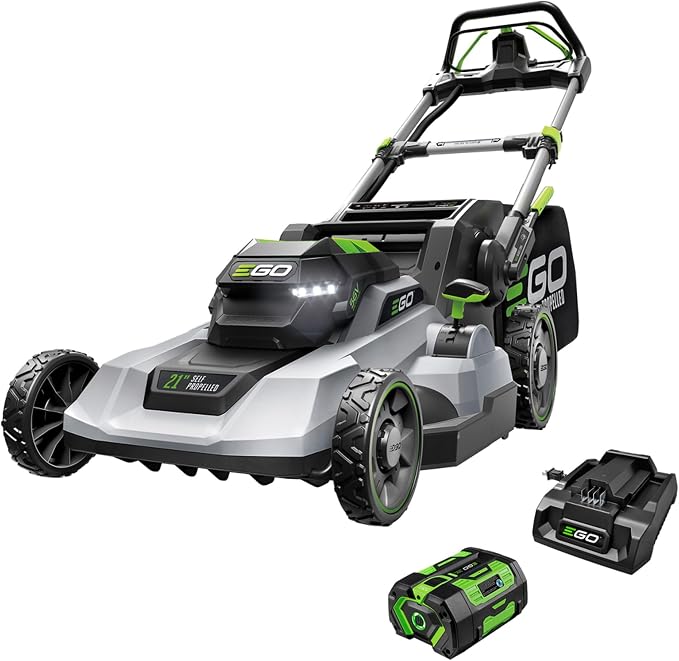
The Greenworks is not a gas mower, but it deserves a place in this comparison because it shows what you give up and gain when moving to a cordless self-propelled design. Its 60V brushless motor and two 4.0Ah batteries are listed for up to three-quarters of an acre per charge, with actual results varying by terrain and mowing technique. That makes it a relevant alternative for buyers who are considering quiet, low-maintenance operation instead of gasoline power.
Rear-wheel-drive traction and adjustable self-propelled speed support slopes and thicker grass. The 21-inch cutting width is comparable to the Powersmart and BILT HARD, so it should feel familiar in terms of pass size. It also offers four cutting functions: mulching, bagging, side discharge, and turbo leaf pickup. The added leaf-pickup mode can extend seasonal usefulness beyond routine grass cutting.
Operation is notably different from a gas mower. The listing describes instant starts, zero emissions during use, and operation at about one-third the noise level of gas mowers. LED headlights allow mowing in lower-light conditions, although safe visibility, stable footing, and local noise rules should still guide when you operate it. There is no fuel mixing or spark-plug maintenance, and the included batteries can also work with more than 75 Greenworks 60V tools.
The major limitation is compatibility with the Greenworks 60V ecosystem and dependence on battery charge. Coverage up to three-quarters of an acre is not a guaranteed runtime, particularly in tall, wet, dense, or difficult grass. Buyers who specifically need a gas engine for extended uninterrupted mowing may prefer one of the first four products.
The four-year limited tool-and-battery warranty is a significant ownership consideration. Confirm that both batteries, the charger, collection equipment, and storage area meet your needs before ordering. Choose Greenworks when quiet starting, reduced routine maintenance, and shared 60V battery compatibility matter more than gasoline runtime.
How to Choose the Best Self-Propelled Gas Push Lawn Mower
A self-propelled mower can reduce the physical effort required to cover a lawn, but it does not automatically make every property easier to mow. The best match depends on the lawn’s size, slope, grass condition, storage limitations, preferred clipping method, and how much control you want over the mower’s pace. Use the following factors to narrow the field without relying on engine size alone.
Start with the lawn’s terrain and shape
Terrain should influence the drive system you choose. Rear-wheel drive is often appealing for slopes and uneven ground because the powered wheels are located toward the back of the mower. The Powersmart, SENIX, BILT HARD, and Greenworks models use rear-wheel-drive designs according to the supplied information. Their larger rear wheels are intended to improve traction and help the mower roll over irregular sections more confidently.
The YARDMAX uses front-wheel drive. That layout can be convenient when making frequent turns, especially on a relatively flat lawn with many planting beds or obstacles. It may be less suitable for shoppers who expect to mow substantial slopes and want the drive wheels positioned at the rear. A front-drive mower should be evaluated according to the actual grade, surface, and turning pattern of your property rather than selected solely for its advertised speed controls.
Measure narrow gates, side passages, and storage entrances before choosing a 22-inch deck. The two-inch difference between a 20-inch-class mower and a 22-inch mower can reduce passes on open turf, but extra width may make navigation harder in confined spaces. A 21-inch mower is often a balanced middle ground for residential use, while the 22-inch SENIX and YARDMAX emphasize faster coverage on more open lawns.
Also consider turning frequency. A large deck is useful only when it can move efficiently through the entire property. If much of the work involves backing, repositioning, and maneuvering around beds, the theoretical productivity benefit of an extra inch or two may be less important than predictable steering and manageable overall size.
Match engine capacity to mowing conditions
Gas engine displacement gives a broad indication of capacity, but it should not be treated as a complete performance guarantee. The products here range from a 170cc Powersmart engine to 201cc engines in the SENIX, YARDMAX, and BILT HARD. The larger engines may be attractive for thicker grass, larger lawns, or conditions where the mower frequently encounters heavier resistance.
The Powersmart’s 170cc OHV engine remains a reasonable fit for routine mowing when the grass is maintained on a regular schedule. Its lower displacement does not make it unsuitable for normal residential work, and the mower offsets that specification with rear-wheel drive, a steel deck, and three cutting modes. It becomes less compelling if you routinely let grass become substantially overgrown or want the largest engine in this group.
The SENIX and YARDMAX both pair 201cc engines with 22-inch decks. That combination is aimed at covering more ground while retaining capacity for demanding mowing conditions. BILT HARD also uses a 201cc engine, with the listing specifying 9.0 foot-pounds of torque. Compare these models by control layout and terrain as well as power: SENIX adds variable speed and rear-wheel drive, YARDMAX provides a six-speed CVT system with front-wheel drive, and BILT HARD keeps the drive system single speed.
Regardless of displacement, avoid forcing a mower through wet, excessively tall grass as a normal practice. Make multiple passes when needed, keep the blade maintained, and use the discharge option that prevents clippings from packing beneath the deck. Good operating habits can matter as much as a modest difference in engine size.
Decide whether variable speed is worth prioritizing
Self-propelled does not mean every mower travels at the same pace. A single-speed model such as the BILT HARD keeps operation simple, but its fixed pace may not suit every operator. If you walk slowly, have a smaller frame, or frequently mow around obstacles, a fixed drive speed can feel inconvenient. If you move quickly across open lawn, the same limitation may work in the opposite direction.
The SENIX provides variable-speed self-propelled control, allowing you to adjust pace as the yard changes. The YARDMAX takes a different approach with its Select PACE system, continuously variable transmission, and six-speed shift lever. These systems add control but also create more parts and settings for the owner to understand. They are most valuable when the lawn includes both open runs and difficult sections where you need to slow down.
Adjustable pace is not a substitute for traction or safe handling. Slow down before turns, keep both hands in control of the mower, and use extra caution on slopes. Never rely on self-propulsion to pull the mower across terrain where footing is uncertain. The operator still needs to maintain control if the wheels slip, the deck contacts an obstruction, or the drive system disengages.
Choose a cutting width and deck material thoughtfully
All four gas models in this roundup use steel decks, and the cutting widths are either 21 or 22 inches. A steel deck can provide a solid platform for regular use, but it also deserves routine cleaning and inspection. Clippings and moisture left beneath the deck can interfere with airflow and contribute to corrosion over time.
A 22-inch deck covers slightly more ground per pass than a 21-inch deck. The difference is most noticeable on large, open sections where you can maintain a straight line. In a compact or highly landscaped yard, the wider deck may not save much time because you will spend more of the mowing session turning and maneuvering.
Deck cleanout access is a specific advantage of the YARDMAX. Its cleanout port is intended to make underside cleaning more convenient, though you should follow the manufacturer’s safety and cleaning procedure rather than improvising around a running or connected machine. On other models, plan how you will safely remove packed grass using the instructions provided for that mower.
Never place hands beneath a deck to remove grass. Turn the mower off, disconnect or secure the starting system as directed, and wait for all moving parts to stop. Blade service should be performed with the correct tools and precautions, or by a qualified service provider if you are not comfortable doing it yourself.
Consider height adjustment and grass health
Cutting height should be easy to change because lawn conditions vary. The Powersmart and SENIX provide six positions, while BILT HARD offers eight. Their listed ranges are also different: Powersmart covers 1.5 to 3.9 inches, SENIX 1.25 to 4 inches, and BILT HARD 1.2 to 3.75 inches. YARDMAX includes single-lever deck adjustment, but the supplied data does not state its exact height range.
A broader range gives you more flexibility, but the useful feature is one you can adjust accurately and evenly. Single-lever systems help synchronize the wheels or deck, reducing the chance that one corner is accidentally set differently from the others. Check the lever after adjustment and make sure it is fully engaged before mowing.
Do not remove more grass than the lawn can reasonably tolerate in one pass. If the grass has grown high, raise the deck first and make a second pass later if necessary. Bagging can help maintain a tidy appearance, while mulching may leave clippings on the lawn when the grass is dry and not excessively long. Side or rear discharge is useful when collection is unnecessary, but direct clippings away from sidewalks, vehicles, ponds, and garden beds.
Compare bagging, mulching, and discharge needs
Clipping management affects both mowing time and the appearance of the property. The Powersmart, SENIX, and BILT HARD provide three modes, although the discharge direction differs by model: Powersmart lists rear discharge, while SENIX and BILT HARD list side discharge. YARDMAX also lists a 3-in-1 system in its source title, and Greenworks adds a fourth function for turbo leaf pickup.
Bagging is useful when you want a clean-looking surface or need to collect leaves and clippings. It also means more interruptions to empty the container, particularly when grass is long or damp. The Powersmart specifies a 1.4-bushel bag, giving buyers a concrete indication of its collection capacity. The other supplied data does not provide bag sizes, so avoid assuming their capacities are identical.
Mulching can reduce the need to dispose of clippings, but the mower must be used under suitable conditions. Wet material or excessively tall grass can clump rather than distribute evenly. Discharge can keep the mower moving in heavy growth, but always consider where the clippings will land. Use the correct plug, chute, or bag configuration for the selected mode and verify that components are secured before starting.
Think about starting, fuel, and seasonal maintenance
Gas mowers require more ownership attention than cordless models. Before the first use, complete the specified oil and fuel steps, inspect fasteners, install the handle and collection parts correctly, and verify that safety controls work as intended. The BILT HARD is advertised with no-choke, no-primer starting, while the YARDMAX lists an automatic choke. These features can simplify startup, but they do not remove the need for correct maintenance.
Follow the exact engine manual for fuel type, oil grade, oil-change intervals, air-filter care, spark-plug inspection, and end-of-season storage. Do not guess at fluid amounts or substitute an unapproved fuel procedure. Store gasoline only in an appropriate approved container and keep the mower in a dry, ventilated location away from ignition sources.
Inspect the blade periodically for damage and dullness. A dull or bent blade can produce a poor cut and may increase the effort required from the mower. Always stop the engine and follow the manual before working near the blade. Clear debris from the deck, keep the discharge path open, and check the wheels and self-propelled controls before each mowing session.
Evaluate comfort and control, not just power
Self-propulsion reduces pushing effort, but the operator still guides, turns, stops, and manages the mower across the property. Handle shape and grip can therefore affect ownership satisfaction. BILT HARD specifically lists a foam-wrapped, angled handle intended to reduce hand fatigue. Other models may have different handle designs, so examine the product information and assembly instructions if comfort is a major concern.
Use the drive control only when you have a stable stance and a clear path. Release it before approaching obstacles, crossing hard surfaces, or making a tight turn if the manufacturer’s instructions call for that procedure. Keep children, pets, and bystanders away from the mowing area, and wear suitable eye and hearing protection when using a gas mower.
Headlights, as included on the Greenworks, can be convenient, but they should not encourage unsafe operation in poor visibility. For gas models, plan mowing during appropriate daylight conditions and avoid operating when the ground is slippery enough to compromise footing.
Account for storage, support, and long-term ownership
Measure the storage location before choosing a mower, including the doorway, shelving clearance, and room needed to access the bag or fuel components. A 22-inch mower may be productive on the lawn but awkward in a cramped shed. Keep the mower stable during storage and follow the manual if the handle can be folded or repositioned.
Warranty and support can matter more when comparing less familiar brands or products with more complex drive systems. The Greenworks listing specifies a four-year limited warranty covering the tool and batteries. BILT HARD emphasizes customer support, but the supplied data does not state a specific warranty duration. Review the current manufacturer terms, exclusions, parts availability, and service process before purchase.
For gas models, consider the continuing cost and effort of fuel, oil, filters, blade service, and winter storage. For the Greenworks, consider battery charging time, replacement-battery cost, and whether you already own compatible Greenworks 60V tools. A cordless mower may be more convenient if your property fits the stated runtime, while gas remains attractive for buyers who want refueling rather than charging and do not want to join a battery platform.
FAQ About Self-Propelled Gas Push Lawn Mowers
What makes a self-propelled gas mower different from a regular push mower?
A self-propelled gas mower uses engine power to turn its drive wheels, so the operator primarily guides the machine instead of supplying all forward motion by pushing. This can reduce effort on larger lawns and mild slopes. You still need to steer, control the pace, maintain stable footing, and stop the mower safely. A self-propelled system does not make steep or slippery terrain automatically safe.
Is rear-wheel drive better for a self-propelled mower?
Rear-wheel drive is often a useful choice for slopes and uneven lawns because the powered wheels are at the back of the mower. Several products in this roundup use rear-wheel drive and large rear wheels. Front-wheel drive can be convenient for turning and maneuvering on flatter properties, as shown by the YARDMAX. The better layout depends on the lawn’s grade, obstacles, and how you mow.
Is a 21-inch or 22-inch mower better?
A 22-inch mower covers slightly more ground per pass and may reduce mowing time on open lawns. A 21-inch mower can be easier to maneuver through narrow gates, around landscaping, or in smaller storage spaces. The difference is modest, so choose based on the property’s layout rather than assuming the widest deck is always superior.
Do I need variable-speed self-propulsion?
Variable speed is most useful when your lawn includes a mixture of open areas, obstacles, slopes, and dense grass. It lets you slow down where control matters and adjust the pace to your walking speed. A single-speed mower can be perfectly adequate on a simple, relatively flat lawn and may be easier to operate. Variable-speed systems add flexibility but can also add controls that require familiarization.
Which cutting mode should I use?
Use bagging when you want to collect clippings, mulching when the grass is suitable for returning finely cut material to the lawn, and discharge when you want to keep moving through growth without filling a bag. Avoid mulching very wet or excessively tall grass if it causes clumps. Always install the correct bag, plug, or chute for the selected mode and keep people away from the discharge path.
What maintenance does a gas self-propelled mower require?
Follow the engine manual for oil changes, fuel handling, air-filter service, spark-plug inspection, blade care, and storage. Clean grass from the deck safely after use, inspect wheels and drive controls, and check fasteners periodically. Never reach beneath the deck while the engine can start or the blade can move. If blade sharpening, fuel-system service, or other repairs are outside your comfort level, use qualified service.
Conclusion: Final Verdict
The Powersmart 21″ Self-Propelled Gas Lawn Mower is the strongest overall fit for shoppers who want rear-wheel drive, a steel 21-inch deck, six height settings, and bagging, mulching, and rear-discharge flexibility. The SENIX 201cc 22″ 3-in-1 Variable Speed Self is the better alternative when a larger engine, wider deck, bigger rear wheels, and adjustable pace are higher priorities. YARDMAX favors speed control, BILT HARD favors simple strong performance, and Greenworks is the practical non-gas option for quieter, lower-maintenance mowing.

I’m Maya L. Greenwood, a lifelong plant lover who believes anyone can grow something beautiful with the right guidance. After years of testing soil mixes, pruning methods, irrigation tricks, and pest-safe solutions, I started EasyGardenTips.com to turn hard-won lessons into step-by-step advice. From seed starting and container gardens to composting and seasonal checklists, my goal is to make gardening simple, sustainable, and fun.