5 Best Black Cedar Mulch That Repels Bugs and Holds Color
Buy the wrong mulch and the garden bed can look patchy instead of finished, dry out faster than expected, or need fresh bags again before the season is over. A poor size match can also leave you spreading tiny bags for hours, while the wrong material may not suit a walkway, flower bed, or potted plant.
The main buying questions are coverage, material, color, and intended use. A large cedar bag makes more sense for broad beds, while a small bag of shavings or a color-restoring dye suits touch-ups, pots, and existing mulch.
Here’s what you’ll learn:
- Which choice fits large beds, small containers, or faded existing mulch.
- How much mulch depth helps block weeds without burying plant stems.
- How to spread cedar mulch, water around it, and keep it from washing away.
- Which label details to check before buying, especially bag size and material.
Quick Picks
-
Best For Large Cedar Beds

Cedar, 3.0 Cu. Ft. Perfect for Landscaping,
Cedar bark and wood fiber decompose slowly, helping larger landscape beds keep a neat look and hold moisture longer.
-
Best For Finished Landscape Beds
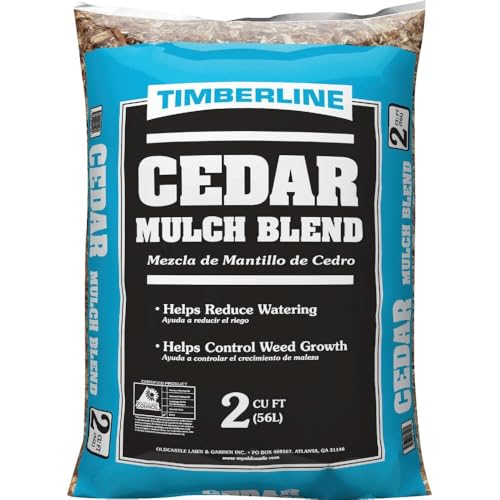
OLDCASTLE Lawn & Garden Cedar Mulch 2CF
Shredded cedar helps control moisture while adding dark color, making this a practical choice for standard outdoor landscaping.
Top 5 Black Cedar Mulches at a Glance
The first two choices are the closest matches for outdoor cedar landscaping, with the largest bag leading for broad coverage and shredded cedar offering a straightforward bed finish. The smaller shavings, black garden mulch, and dye are more specialized, so check the intended use before treating them as direct substitutes.
| Product image | Product name | Check product |
|---|---|---|
| 1 |
Cedar, 3.0 Cu. Ft. Perfect for Landscaping, | Check Price |
| 2 |
OLDCASTLE Lawn & Garden Cedar Mulch 2CF | Check Price |
3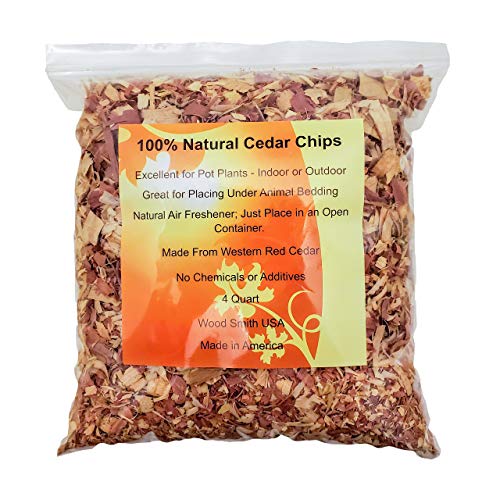 |
100% Natural Cedar Shavings | Check Price |
4 |
Organic Black Mulch by Gardenera – Boost | Check Price |
5 |
COLORBACK Black Mulch Dye, 12,800 Square Feet | Check Price |
5 Best Black Cedar Mulches: Detailed Reviews
When I chose the best black cedar mulch, I focused on the actual wood material, bag size, color, moisture role, and how much work each choice creates during spreading. Those details matter because the wrong mulch can leave bare soil, waste money on tiny bags, or create extra watering and touch-up work.
The group covers several price and use levels, from a large bag of cedar bark and fiber to a small bag of shavings and a concentrated dye for old mulch. Looking at them side by side makes the important difference clear: some add fresh material, while one refreshes material already in the bed.
1. Cedar, 3.0 Cu. Ft. Perfect for Landscaping,
Cedar bark and wood fiber decompose slowly, helping larger landscape beds keep a neat look and hold moisture longer.
- ColorBlack
- WeightNot listed; check details
- DimensionsNot listed; check details
- MaterialNot listed; check details
This cedar black mulch suits homeowners covering a broad garden bed who want cedar material with a dark finished appearance.
Cedar bark and wood fiber
The bag contains cedar fiber, small pieces of cedar bark and wood that spread across bare soil. Cedar bark and cedar wood fiber give the bed a natural mulch layer, so you can cover exposed ground instead of leaving roots surrounded by hot, drying soil.
That material also decomposes more slowly than many finer organic materials. Slower breakdown means the layer may keep its shape and appearance longer, which can reduce the chore of replacing mulch every few weeks.
The listing also describes the cedar as a natural source of nitrogen that promotes plant and root growth. Treat that as a general material feature rather than a guarantee for every plant, since soil, watering, and the existing bed all affect plant health.
Large bag for landscape work
The 3.0 Cu. Ft. size gives Cedar Black Mulch a practical edge for bigger beds. A larger bag can reduce the number of packages you need to carry, open, and spread, though the coverage still depends on the depth you apply.
Aim for an even layer rather than a tall mound around stems. Mulch piled against a trunk or plant crown can hold too much moisture in the wrong place, so leave a small open ring around living stems.
The black color can make green leaves and flowers look more defined. Color alone does not improve soil, so the benefit here is mainly a cleaner landscape appearance paired with the cedar material.
Pros:
- Cedar bark and wood fiber, natural material for garden beds.
- 3.0 Cu. Ft. size, useful for broader landscape areas.
- Slow decomposition, less frequent replacement in suitable beds.
- Black color, creates a darker finished appearance.
- Natural aromatic smell, pleasant while spreading for many gardeners.
Cons:
- Large-bag coverage still depends on the depth you spread.
- The listing does not provide a detailed coverage estimate.
- A dark color may need checking in very sunny planting areas.
Buy it if: you need cedar mulch for a broad bed, because the 3.0 Cu. Ft. size and slower-decomposing cedar material reduce repeated spreading.
Skip it if: you only need a small amount for a pot or tiny border, because a smaller bag of shavings would suit that job better. For another fit, consider Oldcastle or Natural.
I’d pick Cedar Black Mulch first for a homeowner covering real landscape space rather than making a tiny decorative patch. The combination of cedar bark, wood fiber, dark color, and slower decomposition gives the choice a sensible balance of appearance and routine care. Check the actual bag coverage and the preferred spreading depth before buying, because even a large bag disappears quickly in a deep or oversized bed.
Cedar Black Mulch suits buyers who want fresh organic material and do not want to refresh the bed every time the color softens.
2. OLDCASTLE Lawn & Garden Cedar Mulch 2CF
Shredded cedar helps control moisture while adding dark color, making this a practical choice for standard outdoor landscaping.
- ColorNo Color
- SizeOne Size
- WeightNot listed; check details
- DimensionsNot listed; check details
Oldcastle Cedar Mulch fits a standard outdoor bed when you want shredded cedar that gives the soil a finished look without needing a specialty treatment.
Shredded cedar
Shredded cedar is cedar cut into narrow pieces that can settle across uneven soil more easily than chunky bark. Oldcastle describes the material as 100% shredded cedar, giving the bed a consistent cedar base for moisture control and visual coverage.
A shredded layer can help slow surface evaporation by shading the soil. That does not remove the need to water, but it can help the soil hold moisture between watering sessions when the layer is applied evenly.
The material also works well around shrubs and established planting beds because shredded pieces can fill small gaps. Keep the layer away from stems, and pull back any mulch that washes into a plant crown after heavy rain.
Color and bed finish
Oldcastle presents this cedar mulch as a way to add color and a finished feel to a landscape. The supplied size is listed as One Size, while the title identifies a 2CF quantity, so check the package details and coverage information before planning a large project.
The dark appearance may help define the edge between lawn, soil, and planting areas. A neat edge still matters, since mulch spread onto grass can interfere with mowing and make the bed look untidy.
For broad areas, measure the bed before ordering. Multiply length by width for a simple rectangle, then account for irregular corners, paths, and any area that will remain uncovered.
Pros:
- 100% shredded cedar, spreads evenly across ordinary garden beds.
- Moisture control, helps reduce surface water loss.
- Finished landscape appearance, makes borders look more deliberate.
- Cedar material, provides a natural wood-based mulch layer.
- One Size format, keeps the package choice simple.
Cons:
- Coverage details should be checked before planning a large bed.
- Shredded pieces may move after strong rain or on slopes.
- The listed color is No Color, so confirm the actual appearance.
Buy it if: you need shredded cedar for a regular outdoor bed, because the smaller pieces spread across soil and help reduce moisture loss.
Skip it if: you want a measured small-container product, because a 4-quart shavings bag gives you a more manageable amount. Cedar and Natural are worth a closer look instead.
What I like about Oldcastle Cedar Mulch is the plain, useful purpose: shredded cedar for a finished bed and better moisture control. This choice earns second place because the material matches the main search intent, though the size and color information deserve a careful check before checkout. The absence of a stated color in the specifications makes me less comfortable promising a specific black shade.
Choose Oldcastle Cedar Mulch when spreadability and standard landscape use matter more than a precisely stated color label.
3. 100% Natural Cedar Shavings
The catalog lists 100% Natural Cedar; Use with your outdoor and indoor plants; will hold moisture in! 4 Quart; Natural product s. Compare fit and care needs before choosing.
- ColorCedar
- Size4 Quart Shavings FBA
- Number Of Items1
- WeightNot listed; check details
Natural Cedar Shavings suits small outdoor areas, indoor pots, scent sachets, or other jobs where a full landscape bag would be far too much material.
Small cedar shavings
Cedar shavings are thin, loose pieces of cedar rather than a dense bed mulch. The bag lists 4 Quart Shavings FBA, and the description says individual shavings vary in size because the material is natural.
That variation can help fill small spaces, but it also means the layer will not look as uniform as shredded landscape mulch. For a potted plant, spread the shavings lightly and keep them away from the main stem so air and water can reach the soil surface.
The description says the shavings hold moisture. A loose cover can shade the soil, yet a pot still needs a drainage hole and a watering routine suited to the plant. Mulch cannot fix a container that stays waterlogged.
More than one intended use
Natural Cedar Shavings is described for outdoor and indoor plants, air freshening, sachet refills, animal bedding, and kitty litter. Those broad uses make the bag flexible, but they also mean the material is not as focused on large black landscape beds as the first two choices.
The color specification says Cedar, not Black. That difference matters if the dark appearance is the main reason you are shopping for black mulch.
The description also says the bag is hand packed and may contain close to 5 quarts for a 4-quart price. Treat that as a listing description rather than a guaranteed measured amount, and use the stated 4 Quart size for planning.
Pros:
- 4 Quart Shavings FBA size, manageable for pots and small spaces.
- Natural cedar material, suitable for several household uses.
- Moisture-holding description, helps shade small soil surfaces.
- Cedar scent, useful for sachet or air-freshening purposes.
- One listed item, simple package planning.
Cons:
- Cedar color rather than a listed black color.
- Shaving size varies because the material is natural.
- Small quantity is unsuitable for filling broad landscape beds.
Buy it if: you need a small amount of cedar for pots or a narrow border, because the 4-quart bag is easier to manage than a landscape-sized package.
Skip it if: you need a uniform black finish across a large bed, because loose cedar shavings are the wrong type and color for that job. If those trade-offs rule it out, Cedar or Oldcastle may suit you better.
I’d choose Natural Cedar Shavings for a small, specific task rather than a full landscaping project. The flexible use list and compact quantity are useful when you need cedar around a pot or want a small refill, but the Cedar color does not match a strict black-mulch goal. Check the plant’s care instructions before using shavings indoors, especially if the pot already holds moisture for a long time.
This is the sensible pick for small-scale cedar use, not for spreading across a long garden border.
4. Organic Black Mulch by Gardenera – Boost
The catalog lists 🌱 Enhances Soil Moisture Retention: 💧 Black Mulch Cover by Gardenera helps plants conserve moisture, reducing . Compare fit and care needs before choosing.
- ColorBlack Mulch
- Size2 Quart Bag
- 🌈 Long-Lasting Color🎨 The vibrant black color of the mulch lasts for an extended period, adding visual appeal and enhancing the overall
- WeightNot listed; check details
Gardenera Organic Black Mulch is aimed at small garden areas where moisture retention, weed suppression, and a dark bed cover matter more than cedar-specific material.
Moisture and temperature buffer
A mulch layer is a soil cover, meaning a material placed on top of bare soil to slow evaporation and soften temperature swings. Gardenera describes this black mulch as helping plants conserve moisture and creating a favorable microclimate around the roots.
The practical benefit is less exposed soil around the plant. Covered soil may dry more slowly than bare soil, although the result depends on sun, wind, rainfall, plant size, and the thickness of the layer.
Mulch can also reduce the impact of heavy rain on the soil surface. It will not stop runoff on a steep slope, so use edging or a different approach where water regularly carries material downhill.
Weed barrier and small bag
The dense layer is described as a barrier that inhibits weed germination and growth. It works best after existing weeds are pulled and the soil is covered evenly, since mulch placed over tall weeds often becomes a temporary blanket rather than a lasting solution.
The bag size is 2 Quart, making Gardenera more suitable for a small patch, container group, or spot repair than a large bed. Measure first so you do not discover halfway through the job that the bag only covers a corner.
Gardenera calls the color long-lasting, but color life depends on sun, rain, soil contact, and the material underneath. The description does not identify the mulch as cedar, so it should not be treated as a direct cedar substitute.
Pros:
- Black Mulch color, gives small beds a dark visual finish.
- 2 Quart Bag size, useful for small repairs and planting areas.
- Moisture retention feature, helps reduce exposed soil drying.
- Weed suppression feature, limits light reaching weed seeds.
- Temperature protection, helps buffer some surface changes.
Cons:
- Not identified as cedar in the product information.
- 2-quart quantity is too small for broad landscape work.
- Color longevity depends on weather and sun exposure.
Buy it if: you need black mulch for a small garden patch, because the 2-quart bag and moisture-focused material fit limited areas.
Skip it if: cedar is nonnegotiable for your bed, because Gardenera is described as black organic mulch without a cedar claim.
To me, Gardenera makes sense as a small-area black mulch choice, not as the closest answer for someone specifically seeking cedar. The weed and moisture features are useful for beginners who are repairing one planting spot instead of covering a whole yard. I would double-check the bag’s actual coverage and material description before purchase, especially if you expect cedar scent or cedar fiber.
Pick Gardenera when black color and a small quantity matter more than cedar identity.
5. COLORBACK Black Mulch Dye, 12,800 Square Feet
The catalog lists REVITALIZE FADED MULCH WITH EASE: ColorBack Black Mulch Dye restores the deep, rich color of faded mulch, enha. Compare fit and care needs before choosing.
- ColorBlack
- Size128 Fl Oz (1 gallon)
- Number Of Items1
- WeightNot listed; check details
ColorBack Black Mulch Dye suits someone who already has mulch in place and wants to refresh its dark appearance rather than buy and spread a new layer.
Concentrated colorant
A mulch dye is a colorant mixed with water and sprayed over existing mulch to change its appearance. ColorBack lists a 1-gallon size and says the concentrate can make up to 32 gallons of ready-to-use solution.
The stated coverage is up to 12,800 square feet, which gives the concentrate a very different role from a bag of cedar. The coverage depends on mixing and application, so use the label directions and measure the area instead of assuming every yard will use the same amount.
This approach can save the work of removing old mulch when the existing layer is still deep enough and free of serious weed problems. Dye changes color, though, and does not add the moisture, weed, or soil-cover benefits of fresh mulch.
Pump sprayer application
ColorBack is designed for a standard pump sprayer. Mixing with water and spraying evenly can refresh faded mulch, but uneven passes may leave stripes or darker patches.
Apply on a calm day when rain is not expected immediately. Protect nearby siding, concrete, stone, plant leaves, and outdoor furniture from overspray, and wash accidental splashes according to the product directions.
The formula is described for organic and inorganic mulches, including wood chips, bark mulch, and pine straw. That makes it flexible for existing materials, but the result depends on how well the dye reaches the exposed surfaces.
Pros:
- 1-gallon size, suitable for broad color-refreshing projects.
- Up to 12,800 square feet coverage, reduces repeated bag handling.
- Makes up to 32 gallons of solution, stretches the concentrate.
- Pump sprayer application, uses familiar landscape equipment.
- Works with wood chips, bark mulch, and pine straw.
Cons:
- Dye changes appearance but does not add fresh mulch depth.
- Spraying requires careful mixing and even coverage.
- Overspray can reach nearby hard surfaces or plant leaves.
Buy it if: your existing mulch is deep enough but faded, because the concentrated dye refreshes color without spreading a new layer.
Skip it if: your bed needs more soil cover or better weed control, because a colorant cannot replace fresh mulch material.
I’d pick ColorBack only after checking the condition of the mulch already in the bed. The large stated coverage and pump-sprayer method can make sense for a broad color refresh, but the dye does not turn ordinary mulch into cedar or restore missing depth. Check the mixing, surface protection, and application directions before starting, since careless spraying can create a new cleanup job.
Choose ColorBack when appearance is the main problem and the existing mulch still does the physical work.
How to Choose the Best Black Cedar Mulch
The best black cedar mulch for you depends first on the area size, then on whether you need fresh cedar, a small amount of material, or a color refresh. Measure the bed and decide what the mulch must do before judging the shade.
Match the material to the job
Cedar bark and shredded cedar are fresh wood mulch materials that cover soil and can help slow evaporation. A dye is only a surface colorant, while shavings are loose and better suited to small spaces.
If cedar is the reason you started shopping, confirm that the package actually says cedar. Black color alone does not prove cedar content, and the Gardenera option is described as black organic mulch without a cedar statement.
Measure the bed before buying
Measure the length and width of a rectangular bed, then multiply them to get square footage. For a rough estimate, split curved or irregular beds into smaller rectangles and add the results.
A shallow layer may look sparse, while an overly deep layer can trap moisture near stems. Many gardeners use roughly 2 to 3 inches around established plants, but follow plant-specific guidance and leave space around trunks and crowns.
Large beds usually favor a landscape-sized bag. Pots, narrow borders, and small repairs make better use of a quart-sized package.
Decide how much color matters
Black mulch gives a strong contrast against green foliage and lighter hardscape. Color can fade from sunlight and rain, so a naturally dark material, fresh replacement, or colorant may suit different maintenance plans.
For a deeper look at color choices around different homes and plants, read mulch color guidance before making the shade the deciding factor. A dark bed may look sharp beside pale siding, while another color could blend better with stone, brick, or a wooded setting.
Consider sun and weather
Full sun, strong rain, wind, and sloped ground all test a mulch layer. Shredded pieces may move on a slope, while a loose fine material can wash toward drains or sidewalks.
If the bed faces strong afternoon sun, expect color and moisture behavior to change faster than in a shaded side yard. An edge, low border, or gentle bed shape can help keep material where you spread it.
Check the coverage language
Coverage numbers are useful only when the planned depth is clear. A bag that seems large can cover less area when spread thickly, and a tiny bag can disappear quickly in a wide bed.
Write down the bed’s approximate square footage and the number of bags before ordering. If the package does not provide enough coverage information, treat that as a reason to buy conservatively and verify the details first.
Separate bug claims from ordinary cedar features
Cedar has a noticeable aroma, and many gardeners choose cedar because they associate that scent with fewer insects. Still, a mulch listing that describes cedar material does not establish a guaranteed pest-control result for every yard.
If pest reduction is your main goal, read natural bug-repelling mulch advice and focus on sanitation, standing water, plant health, and gaps around the home as well as mulch type. Do not rely on a thick mulch layer to solve an established infestation.
How to Use Black Cedar Mulch for the Best Results
Use black cedar mulch on cleared soil, spread it evenly, and keep the layer away from plant stems, tree trunks, and building siding. Water the soil first when it is dry, then place the mulch so the soil does not stay exposed.
- Pull visible weeds before spreading. Mulch works better as a barrier when tall weeds are not already growing through the bed.
- Water dry soil lightly. Moist soil under the layer gives plants a better start than dry, dusty ground.
- Spread mulch in an even layer. Avoid large piles that create wet pockets and uneven color.
- Leave a gap around stems and trunks. A small open ring reduces direct contact with damp organic material.
- Keep mulch off sidewalks and siding. Sweep stray pieces away before rain carries them toward drains.
- Check the bed after the first heavy rain. Pull washed mulch back from plant crowns and replace thin spots.
- Add small amounts during the season. A light top-up is easier to manage than burying the bed under a deep new layer.
For a bed that already has faded but usable mulch, a colorant can refresh appearance without removing the existing layer. Read non-fading mulch options when color retention matters more than simply adding a fresh dark surface.
How to Make Your Black Cedar Mulch Last Longer
Mulch lasts longer when the bed drains well, the layer stays even, and water does not repeatedly wash it downhill. Good edging and occasional raking usually matter more than piling on extra material.
Inspect the bed every few weeks during rainy weather. Rake thin areas back over exposed soil, remove mulch that has collected against stems, and clear leaves that form a wet mat over young plants.
Keep grass clippings and weeds from mixing into the mulch. Grass can form a dense, wet layer, while weeds can root into the mulch and make later removal harder.
Avoid driving wheelbarrows through the bed when possible. Repeated traffic compresses the soil and scatters mulch, especially around newly planted shrubs.
Water slowly enough that the surface does not wash away. A gentle hose setting or drip line can deliver moisture without pushing shredded cedar into paths and drains.
Refresh depth rather than automatically replacing everything. If the existing material is clean and still covers the soil, rake it evenly and add only enough new mulch to restore a useful layer.
If color fades before the material needs replacing, ColorBack offers a separate refresh approach. For a comparison focused on dark color lasting in strong sun, see black mulch that holds color.
Common Mistakes to Avoid When Buying and Using Black Cedar Mulch
Beginners usually run into trouble by choosing the color before checking the material, buying too little, or spreading mulch directly against living plants. Each mistake is easy to prevent with a short measurement and a careful first application.
- Buying black mulch without confirming cedar: Black color does not identify the wood type. Read the material description and choose a cedar-labeled option when cedar is required.
- Using a small bag for a large bed: Quart-sized products can disappear across a landscape. Measure the area and compare the package quantity before ordering.
- Piling mulch against tree trunks: Direct contact can keep bark damp. Pull mulch back and leave a visible gap around trunks.
- Spreading over tall weeds: Existing weeds can grow through a thin layer. Pull them first and remove large roots where practical.
- Applying an excessive depth: Deep mulch can hold too much moisture near plant crowns. Spread an even layer and follow the needs of the plants in that bed.
- Ignoring sloped ground: Rain can carry loose mulch downhill. Use edging, smaller applications, or a more stable bed design where runoff is common.
- Expecting dye to replace fresh mulch: Colorant changes appearance but does not add depth. Use fresh mulch when the soil is exposed or weed pressure is high.
How to Set Up Black Cedar Mulch
Setting up a mulch bed is simple when the soil is cleared, the edges are defined, and the material is spread in stages. The most common stumbling point is ordering by guesswork instead of measuring first.
- Measure the bed and record the approximate square footage.
- Mark the bed edge so mulch will not spread onto lawn or pavement.
- Pull weeds and remove loose debris from the soil surface.
- Water very dry soil lightly before adding the mulch.
- Open one bag and spread a test area to judge the depth.
- Continue spreading evenly, leaving a gap around stems and trunks.
- Rake thin spots and remove any piles from plant crowns.
- Inspect the bed after rain and return washed mulch to bare areas.
For a colorant, the setup changes: mix the dye with water as directed, load a pump sprayer, protect nearby surfaces, and spray in even passes. Do not treat a dye application as a replacement for preparing bare soil or correcting poor drainage.
Common Questions About Black Cedar Mulch
Does black cedar mulch repel bugs?
Black cedar mulch may have an aromatic cedar smell, but the supplied product details do not prove a guaranteed insect-repelling result. Use cedar for its wood material, appearance, and moisture-cover role first. Address standing water, overgrown plants, food scraps, and cracks around the home when insects are the real concern.
How deep should cedar mulch be?
A layer around 2 to 3 inches is a common starting point for established landscape beds, but plant needs and local conditions can change that choice. Spread mulch evenly and keep it away from trunks and stems. Deeper is not automatically better, especially where soil drains slowly.
Is black mulch safe for vegetable gardens?
Check the package material and any use directions before placing black mulch around edible plants. The product details here do not establish independent safety certification or confirm every use. Keep mulch away from direct contact with harvestable produce, and follow the instructions for the specific material you choose.
Can cedar mulch go around trees?
Cedar mulch can be placed around trees when spread as a shallow, even soil cover with space around the trunk. Do not build a volcano-shaped mound against the bark. The open ring helps prevent prolonged damp contact and makes it easier to inspect the trunk.
Does mulch color fade in full sun?
Yes, mulch color can fade from sunlight, rain, weathering, and normal decomposition. Fresh black mulch may need later top-ups, while a dye can refresh the visible surface of existing material. Read the coverage and application details carefully before choosing colorant over new mulch.
Is cedar mulch better than cedar shavings for landscaping?
Cedar mulch is usually the more practical format for broad beds because landscape bags provide more material and shredded pieces spread across soil. Cedar shavings are better suited to pots, small areas, or other listed household uses. The shavings option here is also listed as Cedar rather than Black.
Make the Next Mulch Decision Simple
Start by measuring the bed, confirming that the material says cedar, and deciding whether the soil needs fresh coverage or only a color refresh. For a broad bed, focus on bag size and spreading depth; for a pot or small repair, avoid paying for more material than the space can use.
Before ordering, check the current package details, coverage information, color description, and intended-use directions. That short check will help you choose a mulch that fits the space instead of forcing a small bag, a non-cedar material, or a dye to do a job it was not meant to do.

I’m Maya L. Greenwood, a lifelong plant lover who believes anyone can grow something beautiful with the right guidance. After years of testing soil mixes, pruning methods, irrigation tricks, and pest-safe solutions, I started EasyGardenTips.com to turn hard-won lessons into step-by-step advice. From seed starting and container gardens to composting and seasonal checklists, my goal is to make gardening simple, sustainable, and fun.