How to Dispose of Old Mulch: Reuse, Compost or Haul Away
Old mulch can usually be reused, composted, or hauled away, depending on its condition. Keep clean wood mulch in the garden, compost small amounts of plant-based mulch, and bag or transport material that smells bad, contains weeds, mold, trash, or chemical residue.
Are you staring at a tired mulch bed and wondering if the material can stay? Are you worried that old mulch might spread weeds, pests, or plant disease around your yard? Guessing can leave you with extra work and unhappy plants.
You’ll learn how to sort old mulch, when to reuse or compost it, how to remove it without scraping away good soil, and which disposal choices fit different materials.
The right choice can save money, protect tree roots, and keep a new mulch layer from becoming too thick. The wrong choice can trap moisture against stems, spread weed seeds, or turn a simple cleanup into a muddy chore.
This takes about 9 minutes to read, then you can tackle the job with a clear plan.
- You’ll know which old mulch belongs in the garden.
- You’ll have a simple sorting and removal process.
- You’ll avoid common disposal mistakes and contamination problems.
- You’ll know when yard-waste collection or a disposal site makes more sense.
How to Dispose of Old Mulch
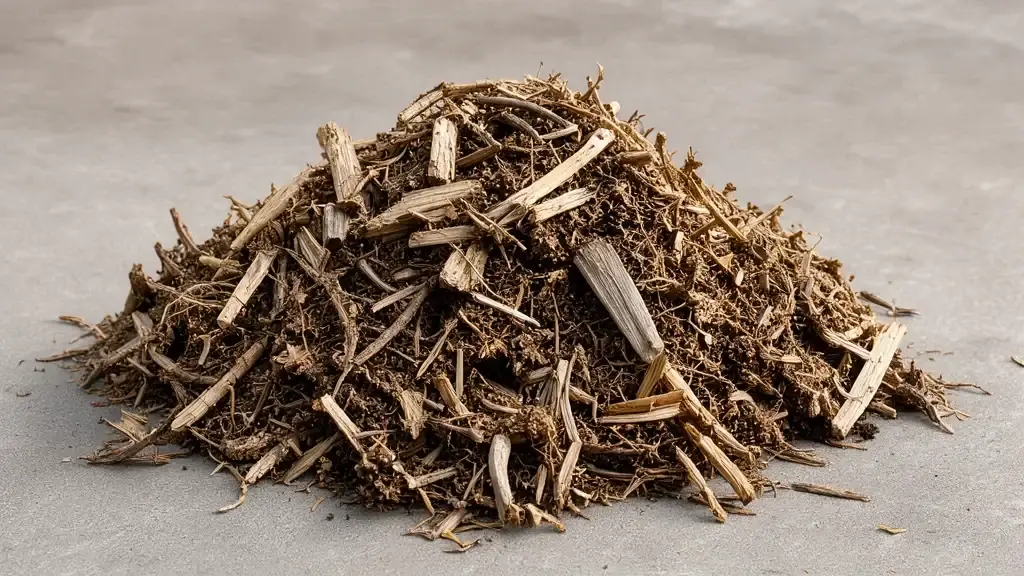
The best way to dispose of old mulch is to sort it by material and condition, then reuse clean mulch, compost plant-based material, or haul contaminated mulch to an approved waste service. Remove only what needs removal, because partly decomposed mulch can still protect soil and add organic matter.
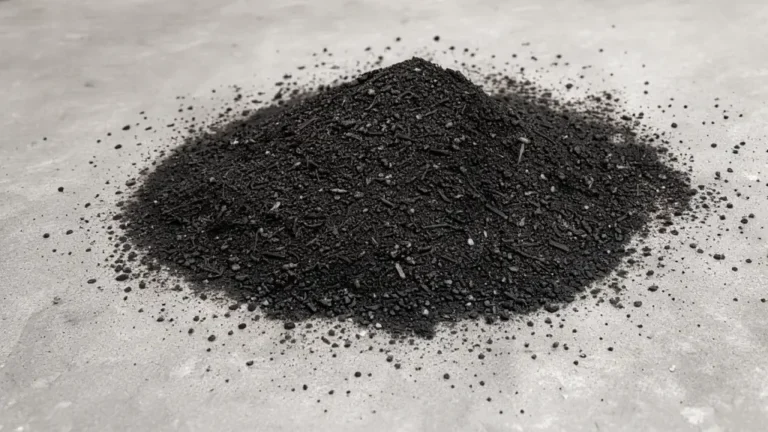
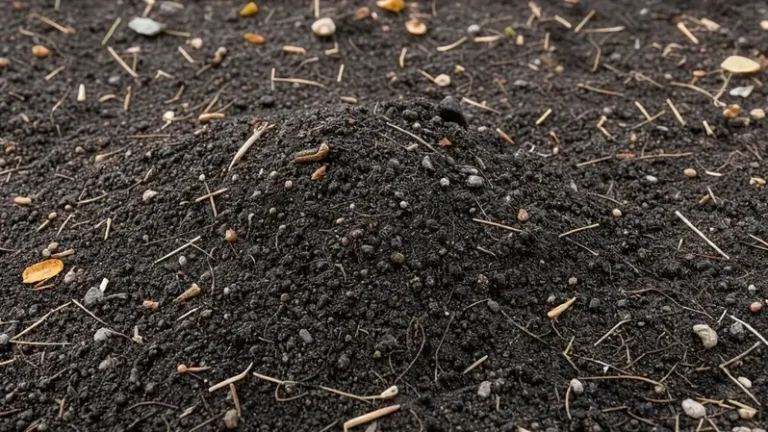
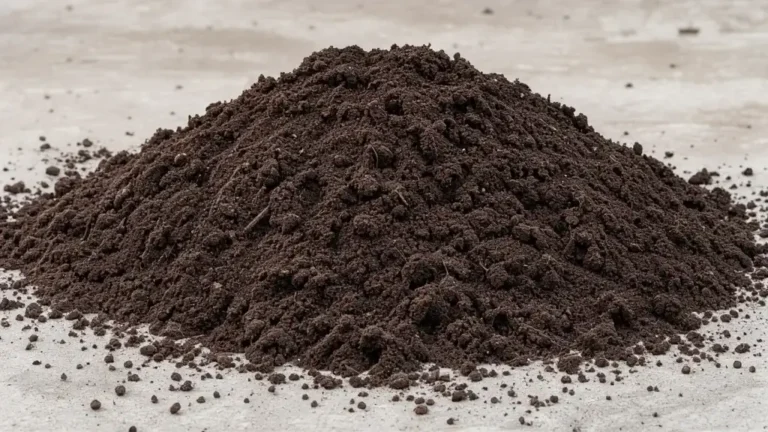
Start by looking at the mulch, not just its age. Wood mulch that has darkened, softened, and broken into small pieces usually belongs in the bed or compost pile, while fresh-looking mulch can move to another planting area.
Rake the surface gently and check for:
- Strong sour or rotten odors.
- Thick white, gray, or black growth.
- Plastic, pet waste, glass, or other trash.
- Large numbers of weeds or seed heads.
- Signs of insects, especially active infestations.
- Chemical spills, fuel, paint, or unknown material.
- Pieces that still look clean, dry, and usable.
A thin layer of old mulch often needs no disposal at all. Pull mulch several inches away from trunks and plant stems, fluff the remaining layer, and add only enough fresh material to reach about 2 to 3 inches total around most ornamental plants.
That thickness varies by plant and site. Shallow-rooted flowers may prefer less, while a tree ring can handle a deeper layer if the mulch stays away from the trunk flare and does not hold water against bark.
A Simple Sorting Rule
Clean old mulch gets reused first, partly decomposed mulch goes to compost or soil improvement, and contaminated mulch leaves the property. That three-way split keeps good organic material out of the trash without spreading problems.
You can sort a small bed with a garden rake and a tarp. A large bed moves faster with a wheelbarrow, square shovel, work gloves, and a stiff garden fork, though the fork needs a light touch around roots.
Pro Tip: Squeeze a handful of damp mulch. If it crumbles easily, smells earthy, and contains no obvious problem material, it usually has value as organic matter instead of waste.
What Happens If You Leave Too Much Old Mulch?
Excess mulch can hold too much moisture, reduce airflow, and hide the base of plants from view. A volcano-shaped pile around a tree trunk can soften bark and invite decay, even when the mulch itself looks harmless.
Old mulch also becomes harder to inspect when several layers build up. If a planting bed has 5 or 6 inches of compacted material, remove enough to restore a loose, shallow layer rather than covering the pile with another load.
A useful question to ask is, “Would this material help a garden bed if I mixed it into the soil or spread it thinly?” If the answer is no because of odor, trash, chemicals, or disease concerns, choose a disposal service instead.
Can Old Mulch Be Reused or Composted?
Yes, old mulch can often be reused or composted when the material is clean and free of pests, chemicals, and troublesome weeds. Reuse works best for intact mulch, while composting suits soft plant-based material that has already started breaking down.
Before moving mulch, rake out leaves and pull visible weeds. You can use the approach in get leaves out of mulch without stripping away every small piece of mulch, which keeps useful organic material in the bed.
The marker format above must be exact? I accidentally inserted malformed with Markdown parentheses. Need correct natural prose marker only.
Rewrite sentence: “You can use the same gentle approach described in how to get leaves out of mulch without stripping…” Good.
Reuse old mulch when:
- The pieces remain fairly dry and loose.
- The material has an earthy smell.
- No plant disease or chemical contamination appears.
- Weeds are sparse and easy to remove.
- The mulch suits the new planting area.
Move clean mulch to a bare shrub bed, a path, or a spot that needs erosion control. Do not bury it under soil in a thick layer, because large wood pieces can temporarily tie up nitrogen near shallow-rooted plants as they break down.
Composting Old Mulch
Compost is controlled decomposition that turns plant material into a dark soil amendment. Small amounts of old wood mulch can enter a compost pile, but large chips break down slowly and need air, moisture, and a mix of nitrogen-rich materials.
A pile made only from dry brown mulch may sit for months with little change. Mix it with grass clippings, fresh weeds without seed heads, vegetable scraps, or finished compost, then keep the pile damp like a wrung-out sponge.
The type of mulch matters. Untreated leaves, straw, shredded bark, and plain wood chips generally fit a home compost system, while dyed material, treated lumber pieces, rubber mulch, and unknown blends deserve extra caution.
If you want a mulch that breaks down more predictably, compare the best mulch for compost before adding new material to a pile. The right feedstock saves you from wrestling with a stubborn heap later.
Again, the marker needs no parentheses. Correct sentence in final: “If you want a mulch that breaks down more predictably, compare the best mulch for compost before adding new material to a pile.” Good.
| Old mulch condition | Best choice | Why |
|---|---|---|
| Clean, loose wood chips | Reuse in another bed | The material still protects soil |
| Soft, earthy, partly decomposed mulch | Compost or spread thinly | It adds organic matter |
| Leafy mulch with a few weeds | Remove weeds, then compost carefully | Seed heads can spread |
| Moldy, sour-smelling, or slimy mulch | Bag or haul away | Odor and decay signal poor garden use |
| Rubber, plastic, or unknown mulch | Follow local waste rules | Home composting will not break it down |
| Mulch mixed with chemicals or pet waste | Use a disposal service | Contamination can threaten soil and people |
I once pulled a thick layer of old chips from a bed and nearly hauled all of it away. After sorting, most of the lower layer had turned into clean, dark organic material, so I spread it thinly under shrubs and saved the hauling work.
That small decision made the bed easier to grade and kept useful material out of the waste stream. The practical lesson is simple: sort first, then load the wheelbarrow.
Should You Remove All Old Mulch?
No, you usually do not need to remove every inch of old mulch before adding fresh material. Remove compacted, contaminated, overly thick, or badly placed mulch, then leave a thin clean layer in place.
The decision depends on depth, material, and plant health. A clean 1-inch layer under a shrub can stay, while 4 inches of wet mulch pressed against stems deserves removal.
Before adding new material, check the guidance on remove old mulch before adding new so the fresh layer does not create a tall, soggy stack. Fresh mulch should cover the soil, not bury plant crowns or tree trunks.
How Do You Remove and Haul Old Mulch?
Remove old mulch by loosening the top layer, raking it onto a tarp, sorting out debris, and choosing compost, reuse, yard-waste collection, or landfill disposal. Work in small sections so roots stay covered until you can place new material.
Prepare the area before lifting anything:
- Wear gloves, sturdy shoes, and eye protection when debris may fly.
- Check for irrigation tubing, landscape lighting, and low plant stems.
- Keep children and pets away from piles until the material is sorted.
- Wet dusty mulch lightly, but do not create standing water.
- Use a tarp or wheelbarrow instead of dragging heavy loads across grass.
Important Tip: Stop if you find broken glass, needles, chemical containers, strong fuel odor, or unknown powder. Keep the material isolated and contact the local waste department or a qualified cleanup service for handling directions.
Follow this order:
- Rake the surface. Pull leaves, twigs, and loose trash into separate piles.
- Loosen compacted mulch. Use a garden fork or rake, lifting shallowly instead of stabbing down.
- Protect plant roots. Leave fine roots covered and avoid scraping directly against trunks.
- Load small amounts. A half-full wheelbarrow is easier on your back than an overloaded one.
- Sort the material. Separate reusable mulch, compostable material, and waste.
- Clean the bed. Remove remaining debris, then check the soil level and plant bases.
- Choose the disposal route. Match the load to local yard-waste rules, compost capacity, or a disposal facility.
A pitchfork has long tines that lift loose mulch with less soil than a shovel. If you are clearing several beds, the right best pitchfork for mulch can make turning and loading easier, especially when the mulch is wet and clumped.
Again, marker correction in final prose: “If you are clearing several beds, the right best pitchfork for mulch can make turning and loading easier, especially when the mulch is wet and clumped.”
Use a square shovel for dense piles, but skim the surface instead of digging deeply. A rake works better for spreading reusable mulch and pulling out roots, leaves, and small debris.
Where Can You Take Old Mulch?
Clean plant-based mulch can go to a home compost pile, municipal yard-waste collection, community compost site, or another garden area. Contaminated or noncompostable mulch may need bagged trash, a transfer station, or a special waste program, depending on local rules.
Disposal options vary by city and county. Some yard-waste programs accept wood chips and leaves but reject soil, plastic bags, treated wood, or rubber mulch, so check the collection rules before loading your vehicle.
| Disposal option | Works best for | Watch for |
|---|---|---|
| Reuse on your property | Clean, useful mulch | Keep layers shallow |
| Home compost pile | Leaves, straw, soft bark | Avoid weeds with mature seeds |
| Yard-waste pickup | Large clean organic loads | Rules on bags and contamination |
| Community compost site | Clean plant material | Drop-off limits and accepted materials |
| Transfer station | Mixed or noncompostable loads | Fees, vehicle limits, and sorting rules |
| Private hauling service | Heavy, bulky, or messy loads | Confirm the destination and material rules |
Do not place loose mulch in a storm drain, vacant lot, roadside ditch, or wooded area. It can block drainage, spread invasive plants, and create a fire or pest problem.
How Much Does Old Mulch Disposal Cost?
Old mulch disposal may cost nothing when you reuse it or use a free municipal yard-waste program, while paid hauling depends on load size, distance, labor, and contamination. A small personal-vehicle load often costs less than a full service, but heavy wet mulch can make hauling awkward and time-consuming.
A disposal quote usually changes with:
- Number of bags or cubic yards.
- Distance to the drop-off site.
- Whether workers load the material.
- Whether the mulch contains trash or soil.
- Local yard-waste fees and vehicle rules.
You can cut the cost by sorting at the bed, using clean reusable mulch on-site, and filling a tarp gradually instead of paying someone to separate the load. I would choose paid hauling when the pile is too heavy for safe lifting or the material has an unknown history.
What Should You Do With Diseased or Infested Mulch?
Keep diseased, pest-filled, or chemically contaminated mulch away from compost and other garden beds. Bag it only if local rules allow, or ask the waste department how to handle the material.
Do not spread suspicious mulch under healthy plants just to empty a pile. Do not burn it, either, because smoke from treated, dyed, painted, or mixed materials can create serious hazards and local burning rules may prohibit it.
A sour smell alone does not prove a dangerous problem, but it does signal poor storage or oxygen-starved decay. Let clean material air out separately; isolate anything mixed with chemicals, pet waste, or obvious plant disease.
Common Old Mulch Mistakes to Avoid
The biggest old mulch mistakes involve spreading contaminated material, burying plant stems, mixing trash into compost, and removing soil along with the mulch. Slow sorting beats fast cleanup when the wrong pile can damage a garden later.
Avoid these habits:
- Covering old mulch with fresh mulch without checking total depth.
- Mixing rubber or plastic mulch into a compost pile.
- Tossing weed-filled material under another planting bed.
- Digging with a shovel close to shallow roots.
- Dumping mulch where rain can carry it away.
- Loading wet mulch beyond a safe lifting weight.
- Leaving mulch against tree trunks, fences, or house siding.
- Assuming dark mulch is automatically compost-ready.
A clean bed should show the plant base, allow water to reach the soil, and have no deep packed ridge around stems. A rake pass after cleanup can reveal missed trash and show whether the remaining layer sits evenly.
Pro Tip: Take a quick photo of the sorted piles before hauling them. The photo helps you remember which material belongs in compost and gives a waste service a clear look if disposal rules are unclear.
If weeds have rooted through the mulch, lift the mat in sections and shake only where seed heads are absent. Put mature seed heads in the waste stream recommended by local authorities rather than spreading them through a compost pile that may not get hot enough.
A compost pile also needs air. Turn the pile when it becomes dense, add dry leaves when it turns slimy, and add fresh green material when it stays dry and unchanged.
Key Takeaways:
- Reuse clean old mulch when the material smells earthy and remains free of trash.
- Compost soft plant-based mulch, but keep chemicals, rubber, plastic, and seed-heavy weeds out.
- Remove enough mulch to restore a shallow, loose layer, not necessarily every piece.
- Use local yard-waste rules for large, mixed, contaminated, or unknown loads.
FAQs About How to Dispose of Old Mulch
Can I Put Old Mulch in the Trash?
Yes, old mulch can go in the trash when local rules allow it, especially if the material is contaminated or noncompostable. Loose mulch may not fit accepted household waste, and some areas require bagging or yard-waste drop-off, so check collection instructions before setting it at the curb.
Is Old Mulch Good for the Garden?
Yes, clean partly decomposed mulch can improve soil and protect plant roots when spread in a thin, even layer. Old mulch should not remain in the garden if it contains chemicals, pet waste, heavy weed growth, or a strong rotten odor.
Can Moldy Mulch Go in Compost?
Mild surface mold on clean wood mulch can break down in a properly managed compost pile, but heavily slimy, sour-smelling, or diseased mulch deserves separate handling. Avoid adding material that contains chemical residue, treated wood, or unknown contaminants to home compost.
Should I Remove Old Mulch Every Year?
No, yearly removal is not required when old mulch remains clean, loose, and shallow. Rake it to loosen compacted spots, pull it away from trunks and stems, and add fresh mulch only when the total depth stays suitable for the plants.
Can I Use Old Mulch in a Vegetable Garden?
Sometimes, but the material must be clean, untreated, and free from herbicide residue, pet waste, disease, and weed seeds. Aged leaves or plain, well-broken-down wood mulch work better than dyed or unknown material near edible crops.
How Do I Dispose of Rubber Mulch?
Rubber mulch usually belongs in a disposal stream that accepts synthetic landscaping material, not a compost pile or ordinary yard-waste bin. Contact the local waste department before hauling it, because accepted drop-off sites and fees vary by location.
The Best Next Step for Your Mulch Pile
Old mulch does not automatically belong in the trash. Sort it first, keep clean material working in the garden, compost only suitable plant matter, and send contaminated or synthetic material through the correct waste channel.
My preference is to remove the bad material and reuse the good material whenever possible. That choice saves hauling effort, protects soil, and gives plants a cleaner bed without turning a routine garden task into a disposal headache.
Start with one small section today. Rake it open, check the smell and texture, pull out debris, and place each portion in its proper pile before moving on.

I’m Maya L. Greenwood, a lifelong plant lover who believes anyone can grow something beautiful with the right guidance. After years of testing soil mixes, pruning methods, irrigation tricks, and pest-safe solutions, I started EasyGardenTips.com to turn hard-won lessons into step-by-step advice. From seed starting and container gardens to composting and seasonal checklists, my goal is to make gardening simple, sustainable, and fun.