Why Use Mulch? Every Benefit for Soil, Plants and Weed Control
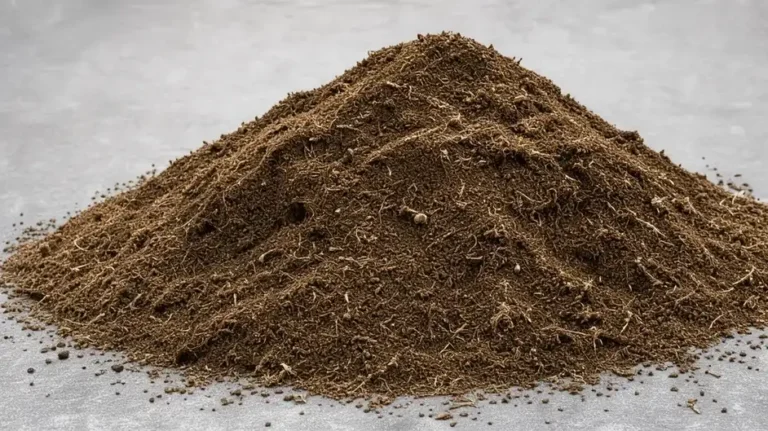
Mulch protects bare soil, slows weed growth, holds moisture, reduces temperature swings, and adds a neat finish around plants. Organic mulch can also improve soil as it breaks down, while stone and rubber mulch mainly provide lasting ground cover.
Are weeds stealing your Saturday one sprout at a time? Does the soil dry into a hard crust right after you water?
You’ll learn how mulch works, which materials fit different garden beds, how deep to spread it, and where mulch can cause trouble.
Used well, mulch can cut watering, protect shallow roots, reduce mud, and make planting beds look finished. Used poorly, thick mulch can suffocate roots, hold too much moisture, hide pests, or rot the base of a tree.
This article takes about 14 minutes to read, and the practical wins are straightforward:
- Match mulch type and depth to each planting area.
- Reduce weeds without creating a damp hiding place for pests.
- Protect soil from heat, cold, erosion, and drying winds.
- Avoid common mistakes around trees, shrubs, vegetables, and home foundations.
Why Use Mulch: the Core Benefits
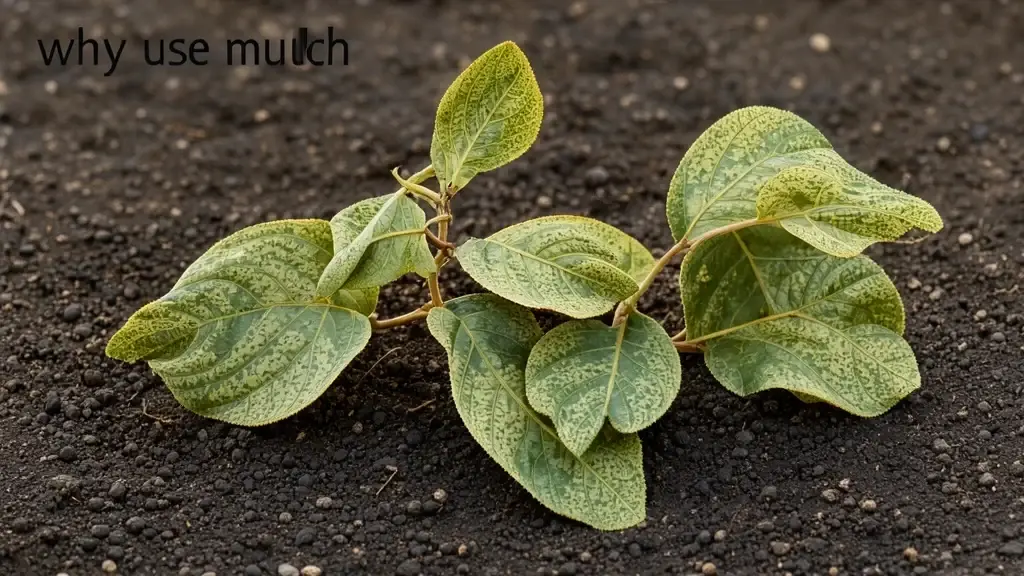
Mulch is a layer of material placed on top of soil to protect the ground and improve growing conditions. A 2- to 4-inch layer usually gives garden beds the best balance between weed control, moisture retention, airflow, and plant health, though fine materials need a shallower layer.
Mulch does its work at the soil surface. It blocks sunlight from reaching weed seeds, slows evaporation, softens heavy rain, and keeps the ground from heating and cooling so sharply. Organic materials such as shredded bark, wood chips, pine straw, and composted leaves break down over time, while inorganic materials such as gravel, landscape rock, and rubber stay in place longer.
The benefits depend on material, depth, climate, and plant type. A thin layer of pine straw may suit an acid-loving shrub, while a deep layer of wet wood chips around a young cactus can create a headache.
How mulch helps soil and plants
Bare soil takes a beating. Rain knocks particles loose, wind carries dry soil away, and hot sunlight pulls moisture from the surface. Mulch acts like a loose blanket, but it still lets air and water pass when the layer stays porous.
Here are the main gains:
- Moisture retention: Mulch slows evaporation, so soil stays damp longer between waterings.
- Temperature control: Mulch reduces extreme heat during summer and limits rapid freezing and thawing in colder areas.
- Erosion control: Mulch softens raindrop impact, which helps keep soil from splashing onto leaves or washing downhill.
- Soil improvement: Organic mulch adds carbon and plant matter as soil organisms break it down.
- Cleaner beds: Mulch reduces mud, dust, and soil splatter around paths and low-growing plants.
- Root protection: Mulch gives shallow roots a more stable environment near the surface.
A bed covered with two inches of shredded leaves may stay workable after a hard rain, while uncovered clay can bake into chunks by the next afternoon. That difference matters when you plant seedlings or try to pull weeds without breaking your back.
Mulch also gives beneficial soil organisms a steadier food supply. Fungi, bacteria, earthworms, and other decomposers gradually turn organic material into smaller particles that blend with the soil. The process takes time, so mulch isn’t a replacement for finished compost when the goal is quick nutrient improvement.
Does mulch really reduce watering?
Mulch can reduce how quickly garden soil loses water, but mulch doesn’t make a bed drought-proof. The biggest gains come when mulch covers bare soil, stays away from stems, and sits on soil that was watered deeply before installation.
Water still needs to reach the root zone. A thick layer of tightly packed fine mulch can shed water, while loose bark, pine straw, and coarse wood chips usually allow rainfall and irrigation to pass more easily.
You may water less frequently, yet each watering still needs to soak deeply enough for the plant. Push a finger or a clean screwdriver through the mulch after watering; damp soil beneath the mulch matters more than a wet-looking surface.
Can mulch stop weeds completely?
No, mulch can’t stop every weed, but a properly applied layer can greatly reduce new weed seedlings. Mulch blocks light, covers exposed soil, and makes small weeds easier to pull before roots become firmly established.
Perennial weeds with strong roots can grow through or around mulch. Seeds can also land on top of the mulch, especially after wind, birds, or nearby mowing scatter them.
For the cleanest bed, remove existing weeds first, apply mulch at the right depth, and pull new sprouts while they remain small. A thick layer placed over living weeds usually hides the problem for a short time rather than fixing it.
Why mulch helps with soil temperature
Plant roots dislike sudden temperature swings. Mulch slows heat moving into the ground during the day and slows heat leaving the ground at night, creating a steadier root environment.
Dark bark may warm somewhat in strong sun, while pale gravel can reflect heat and become hot to the touch. In a sunny bed beside a driveway, stone mulch may raise surface heat enough to stress plants that prefer cool, moist soil.
The right material depends on the plant. Straw can protect strawberry fruit from damp soil, pine needles can suit acid-loving plants, and wood chips work well around many established shrubs and trees.
- Mulch protects soil, roots, and moisture rather than feeding plants right away.
- A 2- to 4-inch layer works for many beds, but fine mulch needs less depth.
- Mulch reduces weeds; it doesn’t erase established perennial weeds.
- Material choice matters as much as thickness.
Choosing Mulch for Every Garden Area
The best mulch depends on the plant, the bed’s drainage, how long you want the material to last, and how much upkeep you can tolerate. Organic mulch usually improves soil over time, while inorganic mulch lasts longer but offers little soil-building value.
Organic mulch options
Organic mulch comes from plant material. Common choices include shredded bark, wood chips, arborist chips, pine straw, chopped leaves, straw, and composted yard waste.
Each material behaves differently:
| Mulch Type | Best Uses | Main Strength | Main Concern |
|---|---|---|---|
| Shredded bark | Shrubs, trees, ornamental beds | Stays in place and looks tidy | Can compact when applied too thickly |
| Wood chips | Large beds, trees, pathways | Long-lasting and good at slowing weeds | Fresh chips may tie up surface nitrogen briefly |
| Pine straw | Slopes, acid-loving plants, frost-prone beds | Light, easy to spread, good coverage | Breaks down faster and can blow away |
| Chopped leaves | Vegetable beds and fall soil cover | Cheap and soil-friendly | Whole leaves can mat and block water |
| Straw | Strawberries, vegetables, winter protection | Light and useful around low plants | May contain weed seeds if poorly sourced |
| Composted yard waste | Garden beds needing organic matter | Breaks down quickly and blends with soil | Doesn’t provide long-lasting weed control |
| Grass clippings | Thin layers in vegetable beds | Readily available and fast to break down | Thick, wet layers can smell and mat |
Fresh wood chips aren’t automatically bad around trees and shrubs. The concern usually comes from mixing large amounts into the soil, where decomposers can temporarily use available nitrogen. Leaving chips on top of the soil creates a different situation, and the effect on established plants is generally much smaller.
Shredded leaves work well when chopped first. Whole leaves can form a slick mat that blocks rain and air, especially after several wet days.
Inorganic mulch options
Inorganic mulch includes gravel, river rock, crushed stone, lava rock, rubber mulch, and landscape fabric used beneath a top layer. These materials don’t add much organic matter as they sit on the surface.
Stone mulch works well in dry gardens, drainage areas, paths, and beds where you want a fixed surface. It can be a poor match for plants that need cool roots, especially beside walls that reflect afternoon heat.
Rubber mulch lasts a long time and feels soft underfoot, but it doesn’t improve soil. It can also become very hot in direct sun, so I prefer it for specific play or path areas rather than mixed planting beds.
Landscape fabric can reduce weeds beneath stone, but it isn’t a magic barrier. Dust, leaves, and soil collect on top, creating a new place for weed seeds to sprout. Fabric can also make future planting and soil improvement harder.
A vegetable bed usually benefits more from chopped leaves, straw, or finished compost than from rock. A dry cactus bed may be the reverse. The plant’s needs should drive the decision, not just the color of the material.
Which mulch is best for trees and shrubs?
Wood chips, arborist chips, shredded bark, and pine straw usually suit trees and shrubs because these materials protect roots and gradually add organic matter. Spread mulch from the root zone outward, then leave a bare ring around the trunk.
Tree roots often extend far beyond the branch tips, so a broad, shallow layer helps more than a narrow mound. A 3-inch layer across the planting area usually gives better coverage than 8 inches piled at the trunk.
The trunk flare, where the trunk widens as it meets the roots, needs air. Mulch pressed against bark holds moisture against the trunk and can invite decay, insects, or rodents.
Which mulch is best for vegetables?
Vegetable gardens usually do well with straw, chopped leaves, untreated grass clippings, or finished compost used as a light surface layer. These materials are easy to renew and can be worked into the bed later when appropriate.
Keep mulch a few inches away from plant stems. Wet mulch touching tomato, pepper, squash, or bean stems can create a damp zone where disease spreads more easily.
Fine compost can help a bed’s soil, but compost used alone may not suppress weeds for long. Coarser materials provide better light blocking and last longer between refreshes.
How much mulch do you need?
Most garden beds need enough material to create a consistent 2- to 4-inch layer after settling. The amount changes with bed size, mulch texture, delivery depth, and whether you are topping up an existing layer.
Measure the bed’s length and width, then multiply those numbers to estimate square footage for a rectangular area. Curved beds need a rough average length and width, while oddly shaped spaces can be divided into smaller sections.
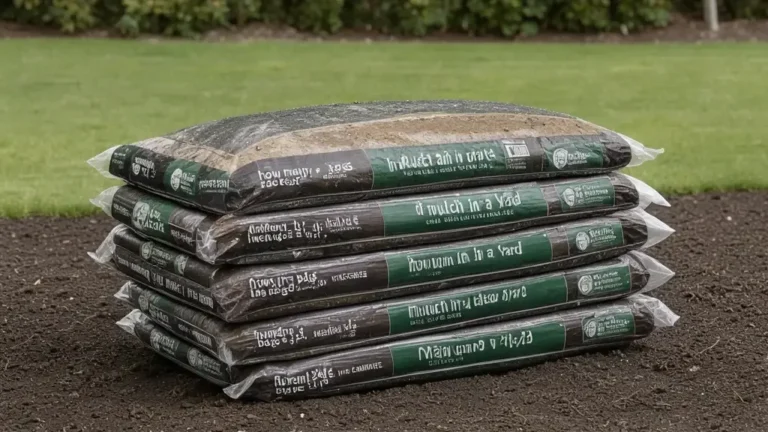
You can use a practical mulch amount calculator when a bed has several sections or you need to order bulk material. Buying by the bag is convenient for small beds, but bulk mulch often makes more sense for broad areas.
A cubic yard covers different square footage at different depths. A deeper layer covers less ground, so check the supplier’s coverage chart instead of guessing from the pile size.
What color and texture should you choose?
Color is mostly a design choice, but texture affects performance. Coarse chips allow air and water to move through easily, while fine shredded material tends to knit together and can crust after heavy rain.
Dark mulch can make green foliage stand out, but dyed material may fade. Natural bark and wood chips change color as they age, which isn’t a problem for the plants.
I favor natural, clean mulch over bright dyed material in most planting beds. It looks less forced, breaks down in a useful way, and doesn’t make every faded patch look like a repair job.
Pro Tip: Open a bag or inspect a bulk pile before spreading it. Avoid mulch that smells sour, feels slimy, contains large amounts of plastic, or has obvious trash mixed through it.
How to Apply and Maintain Mulch Without Plant Damage
Good mulch installation starts with preparation, not dumping. Clear weeds, water the soil, choose a suitable material, and spread a level layer that leaves trunks and stems exposed.
Before handling bulk mulch, wear gloves and closed-toe shoes, and wash your hands after the work. Dust, sharp wood pieces, mold spores, and hidden debris can irritate skin or lungs, especially during dry, windy spreading.
A safe mulch installation process
- Check the planting area. Identify tree trunks, shrub stems, irrigation lines, low branches, drainage outlets, and the edge of sidewalks or foundations.
- Remove living weeds. Pull or dig weeds before mulching, taking out as much root as practical.
- Water the soil. Moist soil settles beneath the mulch and gives plants a better start.
- Spread the material. Use a rake or gloved hands to create an even layer.
- Measure the depth. Check several spots because piles near borders are often deeper than the middle.
- Clear plant bases. Pull mulch away from trunks, stems, crowns, and the center of perennial plants.
- Water lightly if needed. A gentle watering can settle dusty material without washing it into one heap.
- Inspect after rain. Look for runoff, exposed soil, standing water, or mulch touching bark.
A dedicated step-by-step mulch installation guide helps when the bed has curves, slopes, edging, or several plant layers. The point isn’t to make the surface perfect; the point is to create a shallow, even cover that stays put.
How deep should mulch be?
Use about 2 inches for fine mulch such as composted leaves or grass clippings, and about 3 to 4 inches for coarse wood chips or bark. Very deep layers can reduce airflow, hold excess moisture, and make roots grow too close to the surface.
Never use depth as a contest. More mulch doesn’t equal more protection after the layer becomes thick enough to block air and water movement.
A simple depth check takes seconds. Push a ruler through the mulch until it touches soil in several locations, then level shallow spots rather than adding another full load across the bed.
Why mulch volcanoes harm trees
A mulch volcano is a mound of mulch piled against a tree trunk. The mound keeps bark damp, hides the trunk flare, creates shelter for rodents, and can encourage roots to grow through the mulch instead of into stable soil.
Pull mulch back until you can see the trunk widening near the ground. A wide, shallow ring works better than a tall cone, and the center should look like a bare donut hole around the trunk.
The same rule applies to shrubs, roses, and young fruit trees. Bark is a protective outer covering, but it isn’t designed to stay wet under a permanent pile of mulch.
How to maintain mulch through the seasons
Mulch settles, decomposes, blows away, and shifts during rain. Maintenance means checking depth, pulling material away from plant bases, removing debris, and adding only enough fresh mulch to restore coverage.
Use a rake to loosen crusted areas and spread thin spots. Don’t churn old mulch deeply into the soil unless a specific planting plan calls for it.
A yearly check can catch trouble early:
- Look for bare soil caused by runoff or foot traffic.
- Pull weeds growing through the top layer.
- Check for sour odors, standing water, or slimy patches.
- Move mulch away from trunks and siding.
- Top up only where the layer has settled below the useful depth.
- Break apart matted leaves before adding new material.
For a tidy bed through changing weather, follow a mulch maintenance routine instead of adding a fresh layer whenever the color fades. Faded mulch can still protect soil, and appearance alone doesn’t tell you that replacement is needed.
How to stop weeds in mulch
Weed control starts underneath and continues on top. Remove existing weeds, correct thin spots, and keep mulch deep enough to block sunlight without burying plant crowns.
A pre-emergent herbicide may fit some ornamental beds, but product labels, plant safety, timing, and local rules matter. Don’t apply a chemical product near edible crops unless the label clearly permits that use.
For a lower-chemical approach, stay on top of small weeds, refresh coarse mulch when it thins, and avoid turning the mulch into soil. Once you mix old mulch into the top layer, weed seeds can move closer to the surface.
A focused weed prevention plan for mulch can help when weeds keep returning after each rain. The real fix usually combines removal, correct depth, and fewer disturbed soil surfaces.
Does mulch bring bugs?
Mulch can provide shelter for insects and other small animals, but mulch doesn’t automatically create a pest problem. Damp, thick, undisturbed material offers more hiding places than a thin, airy layer that gets checked regularly.
Some insects are harmless decomposers. Others may chew roots, feed on stems, or use mulch as a route toward the house. Termites generally prefer wood in contact with soil or damp structural areas, so keep mulch below siding and away from door thresholds.
Keep the area beside a foundation visible and dry. A narrow strip of exposed ground makes inspections easier and gives pests fewer hidden paths.
Questions about mulch and garden bugs often come from seeing ants, earwigs, millipedes, or beetles after installation. Those insects may be responding to moisture and shelter rather than the mulch itself.
Important Tip: Don’t spray every insect you find. First identify whether the insect damages plants, enters the home, or simply breaks down organic material.
Why mushrooms grow in mulch
Mushrooms grow in mulch when fungi have moisture and decaying organic material to feed on. The visible mushroom is the fruiting body, while most of the fungus remains as fine threads inside the mulch.
Most mushrooms in garden mulch don’t harm plants. They often appear after rain, fade during dry weather, and help break down wood or leaves.
Remove mushrooms if children or pets may eat them, since appearance alone doesn’t tell you whether a mushroom is safe. Wear gloves, bag the material, and wash your hands afterward.
A recurring mushroom problem in mulch may point to excessive moisture, poor drainage, or a thick layer of decomposing material. Thin the mulch, improve airflow, and check that irrigation isn’t hitting the area too often.
My mulch lesson from a stubborn bed
I once spread a thick layer of fine mulch in a bed that stayed damp after rain, thinking extra coverage would save future work. The surface looked tidy at first, but it crusted, shifted water toward the edge, and created more handwork than a thinner layer would have.
That mistake taught me to measure depth in several places and judge mulch by how the soil behaves underneath. A neat surface isn’t worth much if the roots stay wet and the water runs away.
Mulch around foundations and paths
Keep organic mulch away from siding, vents, wooden steps, and door thresholds. Damp material against a building can hide moisture problems, block inspections, and give insects cover.
Use a clear margin beside structures when local building guidance or drainage needs call for one. Stone may work better than wood near a downspout, but stone can also shift and clog drainage if the base isn’t prepared.
Mulch on paths needs a different standard. Wood chips, pine straw, and gravel can become slippery, scatter onto walkways, or collect in drains, so edge the area and check it after heavy rain.
Should you use landscape fabric under mulch?
Landscape fabric can help in a decorative stone bed, but it rarely solves every weed problem in a planting bed. Soil and leaf dust collect on top of the fabric, and weeds can root in that new layer.
Fabric also makes it harder to add compost, divide perennials, plant bulbs, or move shrubs. Roots may grow through the cloth, turning a future planting change into a wrestling match.
I’d use fabric selectively, mainly beneath stable stone in areas that won’t need frequent planting. For a vegetable or mixed perennial bed, a healthy mulch layer and regular hand weeding usually offer a better long-term fit.
- Spread mulch evenly, then measure the depth instead of judging by eye.
- Keep mulch away from trunks, stems, crowns, siding, and vents.
- Thin, airy mulch is safer than a deep, wet mound.
- Maintenance means correcting thin spots and pulling small weeds, not replacing faded mulch.
When Mulch Is Not the Best Choice
Mulch isn’t right for every surface or every plant. Poor drainage, heavy rain, high fire risk, steep slopes, and plants that prefer bare mineral soil can change the decision.
Situations that call for caution
Use extra care when:
- The bed stays wet for days after rain.
- The area touches wood siding or a foundation.
- The slope sends mulch into a sidewalk or storm drain.
- Plants need sharp drainage and dry crowns.
- The area has a high wildfire risk and local rules restrict combustible material.
- Dogs or children may chew, scatter, or ingest the material.
- The mulch contains unknown dyes, treated wood, trash, or construction debris.
In dry western regions, local fire guidance may limit wood mulch close to buildings. Gravel, decomposed granite, or a maintained bare zone may fit better near walls, decks, and other structures.
In wet shade, coarse material may work better than fine material because it leaves more air space. Even then, drainage must be fixed rather than hidden under a fresh load of mulch.
Is mulch the same as compost?
No, mulch and compost serve different jobs. Mulch sits on top of soil to protect the surface, while compost is decomposed organic matter mixed into or applied to soil to improve structure and add a modest supply of nutrients.
Some products can work as either, depending on how they are used. Finished compost spread lightly on top can act as a short-lived mulch, but it usually doesn’t block weeds as long as bark or wood chips.
Use mulch when the main goal is surface protection. Use compost when soil needs organic matter, better structure, or a gentle nutrient boost.
The difference becomes clear in a new vegetable bed. A layer of compost mixed into the soil helps roots grow through improved ground, while straw on top keeps soil from splashing onto lettuce and slows evaporation.
A useful mulch versus compost comparison can prevent a common shopping mistake. Buying compost for long-term weed control often leaves you with a rich but quickly weed-filled surface.
What can you use instead of mulch?
You can use groundcovers, living plants, gravel, pavers, leaf litter, cardboard for short-term sheet covering, or a maintained bare-soil design instead of traditional mulch. Each alternative changes the work, appearance, drainage, and cost of the area.
Groundcovers can shade soil once established, but they need water and weeding while filling in. Gravel lasts longer than organic mulch but can reflect heat, sink into soil, and become difficult to remove.
Cardboard can smother existing grass for a temporary bed conversion when covered and kept away from plant stems. It breaks down, so it isn’t a permanent surface cover.
A practical mulch alternative guide helps match the surface to your budget and the site’s conditions. Free leaves may suit a woodland bed, while pavers may make more sense for a busy walkway.
Can bare soil ever be the right choice?
Bare soil can work in a dry garden, a carefully managed vegetable bed, or a planting area where airflow and quick warming matter. The surface still needs protection from erosion, compaction, and weed pressure.
Frequent cultivation keeps bare soil loose for a while, but repeated disturbance brings buried weed seeds upward. Wind and rain can also carry soil into paths and drains.
If you choose bare soil, manage water flow and inspect the area often. A shallow gravel surface, living groundcover, or seasonal leaf layer may reduce the work without changing the planting plan.
Does mulch attract termites?
Mulch can create a damp hiding place near a building, but mulch itself isn’t proof of termite activity. Problems become more likely when wood mulch touches siding, stays wet, blocks inspection areas, or connects soil directly to structural wood.
Keep mulch below the bottom edge of siding and away from vents, doors, and wooden steps. Leave enough exposed area to inspect the foundation and notice mud tubes, damaged wood, or moisture issues.
If you find signs of termites, contact a licensed pest professional rather than guessing with a spray. Moving mulch may improve visibility, but it won’t solve an established colony.
Mulch and fire safety
Dry wood mulch can burn, especially near buildings during hot, windy conditions. Follow local fire guidance for mulch depth and placement, since rules differ by region and may change with fire danger.
Keep combustible mulch away from decks, vents, fences, and walls where local guidance calls for a noncombustible strip. Gravel or mineral soil can create a safer transition near a structure.
Don’t assume a product labeled fire-resistant stays safe in every condition. Drought, wind, nearby dry vegetation, and placement often matter as much as the material label.
How long does mulch last?
Mulch life depends on material, rainfall, sun, wind, traffic, and starting depth. Coarse wood chips may remain useful for a couple of seasons, while chopped leaves, grass clippings, and composted materials break down faster.
Replace mulch based on coverage and function, not a calendar. If soil remains covered, water passes through, and the layer stays within the useful depth, a faded surface may need only light raking.
A fresh layer should blend with the old layer rather than bury it under a deep stack. Pull aside old material first, check the soil, and add only what the bed lacks.
What should good mulch smell and feel like?
Healthy mulch usually smells earthy or woody and feels loose enough to rake. Sour, ammonia-like, or rotten odors can point to material that stayed wet without enough air during storage.
A hot composting pile and finished mulch aren’t the same product. Fresh material may heat internally, so let unusually warm, wet, or foul-smelling mulch rest before spreading it around plants.
Don’t place mulch contaminated with treated lumber, painted wood, trash, pet waste, or unknown chemical residue in a food garden. Source matters, especially when the mulch will touch edible crops.
FAQs About Why Use Mulch
Does mulch help plants grow faster?
Yes, mulch can support steadier plant growth by protecting roots, conserving soil moisture, reducing temperature swings, and limiting weed competition. Mulch doesn’t act like fertilizer right away, so plants still need suitable soil, light, water, and nutrients for strong growth.
How thick should mulch be around plants?
A 2- to 4-inch layer suits many garden beds, with fine mulch kept closer to 2 inches and coarse chips closer to 3 or 4 inches. Keep mulch several inches away from trunks, stems, and plant crowns so damp material doesn’t cause decay.
Is wood mulch good for vegetable gardens?
Yes, wood mulch can work around established vegetables when applied as a thin, airy layer that stays away from stems. Straw, chopped leaves, and untreated grass clippings may be easier to renew, while wood chips usually fit paths or long-term beds better.
Should old mulch be removed before adding new mulch?
Usually no, old mulch can stay if it’s clean, loose, and not too deep. Rake it evenly, remove debris, check the soil, and add only enough fresh material to restore the target depth instead of building a thick mound.
Can mulch kill plants?
Yes, mulch can damage or kill plants when piled against trunks, buried over crowns, applied too deeply, or placed over poorly drained soil. Thick wet mulch can reduce airflow and encourage rot, while heat-holding stone can stress plants that need cool roots.
Does mulch improve poor soil?
Organic mulch improves soil gradually as fungi and other decomposers break it down, but the effect takes time. Finished compost mixed into the soil works faster for structure and organic matter, while surface mulch mainly protects the soil from drying and erosion.
The Practical Mulch Decision
Mulch earns its place when the material matches the bed and the layer stays shallow enough for air and water to move. Wood chips, bark, leaves, straw, compost, stone, and rubber each solve a different problem, so the right choice starts with the plant and site.
My preference is simple: use organic mulch around most trees, shrubs, perennials, and vegetables, then use stone where drainage, fire concerns, or long-term stability make more sense. Spread it evenly, keep it off trunks and stems, and judge success by healthier soil rather than a perfectly dark surface.
Start with one bed. Remove the weeds, water the soil, apply the right depth, and inspect the area after the next hard rain. That small test tells you far more than a giant load dumped everywhere at once.

I’m Maya L. Greenwood, a lifelong plant lover who believes anyone can grow something beautiful with the right guidance. After years of testing soil mixes, pruning methods, irrigation tricks, and pest-safe solutions, I started EasyGardenTips.com to turn hard-won lessons into step-by-step advice. From seed starting and container gardens to composting and seasonal checklists, my goal is to make gardening simple, sustainable, and fun.