
If you’re new to lawn care, you might find your lawn roller too light. This can lead to uneven results, making your lawn look less than perfect. It’s a common issue, and don’t worry, it’s easily fixed! This post explores the common causes and provides a simple step-by-step process to get your roller working just right. Let’s explore how to make the most of your lawn roller and achieve a beautiful, even lawn.
Reasons Why Your Lawn Roller Might Be Too Light
Sometimes, getting the best results with your lawn roller can be tricky. You might find that your roller isn’t heavy enough to do the job properly. Several factors can cause this issue, leading to less-than-ideal results for your lawn. This section explores why a roller might be too light and what it means for your grass. We’ll look at the typical weights of lawn rollers and the impact of the material used to add weight. It’s important to understand these aspects to improve your lawn care efforts. The goal is a lush, healthy lawn, and understanding the weight of your roller is a good first step!
Understanding Lawn Roller Weight
The weight of a lawn roller is a critical factor in its effectiveness. The roller’s weight determines the pressure it applies to the ground. This pressure is essential for tasks like leveling the lawn, pressing seeds into the soil, and smoothing out bumps and hollows. Different weights are needed for different tasks. A lightweight roller might be great for minor tasks, but not sufficient for major leveling. The material used to add weight, such as water or sand, impacts the overall weight and how the roller performs. Understanding the right weight for your needs makes all the difference.
-
- Roller Weight and Task: The ideal weight for your roller depends on what you’re trying to achieve. Lighter rollers are great for smoothing a newly seeded area, while heavier rollers are better for leveling uneven ground. A good rule is to start light and increase the weight if you need to.
For example, when preparing a lawn for overseeding, a light roll can help ensure good seed-to-soil contact. However, for a lawn with significant bumps or hollows, a heavier roller will be required.
-
- Roller Material: The construction material matters! Rollers made of steel tend to be more durable and can support more weight. Polyethylene rollers are lighter and resistant to rust. The material influences how easy the roller is to handle and the kind of weight you can add.
Steel rollers may have a longer lifespan, but they can be more challenging to maneuver, particularly when fully loaded. Polyethylene rollers, conversely, are typically easier to push, although their durability might be less compared to steel.
-
- Adjustable Weight Systems: Some rollers allow you to adjust the weight. This is typically done by adding water or sand to the drum. Adjustable rollers are great because you can customize the weight for the task. Make sure you know the maximum weight capacity before adding anything.
An adjustable roller provides flexibility. You can lighten the load for overseeding or increase it to correct uneven patches. This type of roller is very useful because it adapts to different lawn needs throughout the year.
Factors Affecting Roller Weight Requirements
Many things can affect how heavy your lawn roller needs to be. The type of soil, the condition of your lawn, and even the size of your roller all play a role. These factors influence the best weight for the job. It’s essential to consider these elements to get the results you want. By understanding how these things impact roller weight, you can fine-tune your approach for a healthy, beautiful lawn.
-
- Soil Type: Different soil types require different roller weights. For example, compacted clay soil often needs a heavier roller to break it up. Sandy soils may require a lighter touch.
Clay soils are denser and need more force to compact properly, which is why a heavier roller is recommended. Sandy soils, conversely, compact easily, so using a lighter roller can prevent excessive compaction.
-
- Lawn Condition: The condition of your lawn impacts the rolling process. Lawns with many bumps or areas with erosion need a heavier roller. If your lawn is in good shape, a lighter roller may work just fine.
A lawn riddled with imperfections needs more substantial leveling. A heavier roller can help address these uneven surfaces effectively. Regular rolling can also prevent these problems from developing.
-
- Roller Size: The size of your lawn roller affects the weight requirements. Wider rollers need more weight to work effectively compared to narrower ones.
A wider roller spreads the weight over a larger area, which means you might need more weight overall. With a smaller roller, it’s easier to focus on specific spots, but you might need more passes to cover the entire lawn.
-
- Specific Tasks: Different tasks, like leveling, seeding, or compacting, will require different roller weights.
For instance, when leveling, a heavier roller is great for flattening bumps. For seeding, you will use a lighter weight to gently press seeds into the soil.
How to Increase the Weight of a Lawn Roller
If you have found your lawn roller too light, knowing how to add weight is essential. It’s often a simple process, usually involving water or sand. But before you start, always check the manufacturer’s instructions. This section covers various methods to increase the weight of your lawn roller safely and effectively. We will look at adding water or sand and some safety considerations. Adding weight appropriately ensures that you can achieve the desired results without damaging your lawn or the roller itself.
Adding Weight Using Water
One of the easiest ways to add weight is using water. Most lawn rollers have a hollow drum that can be filled. Water is convenient because it is readily available and easy to manage. The amount of weight you add is determined by the size of the drum and your needs. Be aware that the weight of the water can significantly increase when rolling a wet lawn. This method is suitable for several applications and provides effective results.
-
- Finding the Fill Port: Locate the fill port on your lawn roller. This is usually a cap or plug on the top or side of the drum. This port makes it easy to add or remove water.
The location of the fill port differs between models. It is usually highlighted with a clear marking. Always check your roller’s user manual if the fill port is unclear.
-
- Adding Water: Use a hose to fill the drum. Fill it slowly to avoid spills and to control the weight. Stop when you reach the desired weight. Many rollers have markings that indicate the water level.
It’s important to add water slowly. As the drum fills, it becomes heavy and harder to manage. Check the weight capacity of your roller to avoid overfilling.
-
- Checking the Weight: You can’t usually check the actual weight while adding water. You can estimate how much water you’ve added. Be careful not to overfill the roller, which could make it difficult to maneuver.
If you’re unsure how much water to add, start with less and roll the lawn. Then, add more as needed. You can use a bathroom scale to measure the weight of the empty roller. Add water until it hits your target weight.
Adding Weight Using Sand
Sand is another great option for adding weight. Sand offers a more consistent weight than water and is a good choice if you want a fixed weight. However, adding and removing sand can be more challenging than water. You can find sand at most home improvement stores. You’ll also need a funnel to help you add the sand without making a mess. With the right approach, adding sand can provide the right amount of weight for your lawn needs.
-
- Locating the Fill Port: Again, find the fill port on your lawn roller. As before, this is the same cap or plug you’d use for water. Make sure the port is big enough for sand to go through without problems.
The size of the fill port affects how easy it is to add the sand. A larger opening makes the process much more straightforward, so use a funnel to avoid making a mess.
-
- Adding Sand: Use a funnel to pour sand into the drum. Add sand slowly to help ensure the drum does not overfill. You can use a weight scale to know when to stop.
Adding sand can be messy. Consider wearing gloves and using a drop cloth to keep everything clean. You also may want to fill the roller in an area where spills will not be a problem.
-
- Removing Sand: To remove sand, you may need to tip the roller on its side and scoop the sand out. A shop vac can also help. Make sure you have a place to put the sand as you take it out.
Emptying sand can be a bit labor-intensive. Make sure you have the time and space to do the task. Consider this when deciding to add sand or water to your roller.
Safety and Best Practices for Weighting a Lawn Roller
Always prioritize safety when adding weight to your lawn roller. Overfilling the roller can lead to a few problems. It might be difficult to move, it can damage the roller, and it might even hurt you. Therefore, understanding the limits of your roller and following best practices are essential for successful, safe lawn care. By following some simple guidelines, you can ensure a successful and safe experience while improving your lawn.
-
- Read the Instructions: Always read the manufacturer’s manual. It will tell you the maximum weight your roller can handle. It will also give specific instructions on how to fill it safely.
The instructions will provide information specific to your model. This will help you avoid damaging the roller or causing any injuries.
-
- Weight Limits: Do not exceed the weight limit. Exceeding the weight limit can damage the roller, make it harder to maneuver, and potentially injure you.
Knowing your roller’s weight capacity is key. Check the specifications or user manual to find the limit. This information will prevent damage or injury.
-
- Maneuvering Heavier Rollers: Heavier rollers are harder to push and turn. Take your time, and be careful, especially on slopes. Avoid using the roller on extremely steep inclines.
When using a heavier roller, be aware of your physical limits. Take breaks when needed and seek help if the roller becomes difficult to control.
-
- Emptying and Storage: When the season ends, empty the roller. Water can freeze and damage the drum. Sand can also cause problems if left inside. Store your roller properly to extend its life.
Proper storage will protect your investment and prevent future maintenance needs. Ensure it’s clean and dry before storing it in a dry place.
Alternative Solutions If Your Lawn Roller is Too Light
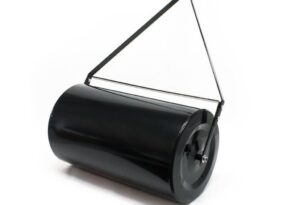
Even if you cannot add weight, you still have options if your lawn roller too light. There are things you can do to get better results. Instead of just adding weight, you might consider alternatives that still improve your lawn. This part discusses strategies, such as the best rolling techniques and using different equipment. These strategies can boost your lawn care effectiveness. It will help you achieve the desired outcome, no matter the weight of your roller.
Improving Rolling Techniques
The technique can significantly affect the results, even if you can’t increase the weight. How you roll your lawn impacts the effectiveness of your lawn roller. Improving your technique can help to make up for a roller that is not heavy. We’ll explore strategies, such as the correct rolling direction and the optimal rolling speed. Refining your technique can make a real difference in the appearance of your lawn. These techniques are often overlooked, but they contribute to a greener, healthier lawn.
-
- Rolling Direction: Roll your lawn in different directions. This will help level the ground and reduce any patterns from the roller. You can roll vertically, then horizontally to smooth your lawn.
Changing directions helps eliminate any lines or patterns, providing a more uniform finish. It’s similar to how you would mow the lawn, but with a different tool.
-
- Rolling Speed: Roll at a consistent, slow speed. Going too fast can cause the roller to bounce. This reduces the effectiveness of the process.
A steady, slow pace ensures proper soil contact and the seed presses correctly into the soil. Taking your time will get you better results.
-
- Overlap: Overlap each pass by a few inches. This will help prevent gaps and ensure the entire lawn is treated. This ensures comprehensive coverage and an even finish.
Overlap by about 3-6 inches. Overlapping ensures all areas get treated. This helps eliminate any missed spots. A well-executed overlap ensures better leveling and seed contact.
-
- Multiple Passes: Depending on your lawn’s condition, you might need to make multiple passes. Do not make multiple passes in a single direction.
Making several passes is essential for dealing with uneven surfaces or promoting good seed-to-soil contact. Be careful not to make too many passes, as this can compact the soil.
Using Alternative Equipment
You may also consider tools other than a lawn roller to tackle problems related to leveling or seeding. These tools can sometimes be more effective, especially if you have a roller that you cannot add more weight to. This part discusses alternatives such as aerators and leveling rakes. Exploring these options might provide better solutions and contribute to a healthier lawn.
-
- Aerators: Aerators create small holes in the soil. This improves drainage and allows for better air circulation and nutrient penetration. This is great for compacted soil.
Aeration benefits the lawn’s overall health. By creating channels for air, water, and nutrients, aerators encourage robust root growth. This leads to a more resilient lawn.
-
- Leveling Rakes: A leveling rake is a flat, wide rake designed for spreading soil evenly. You can use it to fill in low spots and create a smooth surface.
These rakes are excellent for spot-leveling your lawn. They allow you to distribute soil or topdressing materials precisely and get a nice finish. This can also work in place of a light lawn roller.
-
- Topdressing: Topdressing involves adding a thin layer of soil or compost to your lawn. This can help fill in uneven areas and improve soil quality.
Topdressing supports a lush, healthy lawn and enhances the soil’s structure. It’s often used with seeding and leveling efforts.
-
- Lawn Sweepers: These are useful for clearing debris before rolling, ensuring a clear, even surface.
Lawn sweepers improve the roller’s effectiveness. Removing debris lets the roller work directly on the soil.
Other Considerations for Lawn Health
Beyond weight and rolling techniques, several other elements affect your lawn’s health and appearance. The health of your lawn depends on a combination of different factors. This includes regular lawn mowing, watering, and fertilization. A comprehensive approach ensures your lawn is looking its best. The goal is a lush, vibrant lawn, and these additional steps will help you achieve that result.
-
- Mowing Height: Maintain the right mowing height. Mowing too short can stress the grass. The ideal height depends on the type of grass.
Adjusting the mowing height is essential for grass health. Most grasses do best when mowed at around 2-3 inches. Taller grass can shade the soil, reducing weed growth.
-
- Watering Practices: Water your lawn deeply but infrequently. This encourages deep root growth. It’s best to water in the morning.
Proper watering is critical for preventing diseases and supporting drought tolerance. Deep watering promotes roots that can reach nutrients and water deeper in the soil.
-
- Fertilization: Fertilize your lawn based on your soil test results. Fertilizers give grass the nutrients needed to thrive.
A balanced fertilization schedule is essential for good grass health. Apply fertilizer according to the product’s instructions and your lawn’s specific needs.
-
- Weed Control: Control weeds with herbicides or manual removal. Weeds compete with grass for resources.
Weed control lets the grass get the nutrients and space it needs to flourish. Consistent weed control will give you better results over time.
Frequently Asked Questions
Question: How do I know if my lawn roller is heavy enough?
Answer: If you’re using it to level, the roller should flatten bumps effectively. If you are seeding, the roller needs to press the seeds gently into the soil. If it’s not working, you may need more weight.
Question: Is it okay to use a lawn roller on wet soil?
Answer: It’s best to avoid using a lawn roller on wet soil because you might compact the soil. The best time to roll is when the soil is slightly moist but not saturated.
Question: What’s the best way to clean my lawn roller after use?
Answer: Rinse the roller with water and ensure all dirt and debris is removed. Store the roller in a dry place to prevent rusting or other damage.
Question: Can I use sand from the beach in my lawn roller?
Answer: It’s better to avoid beach sand. Beach sand often contains salt, which is harmful to grass. Use clean, construction-grade sand instead.
Question: How often should I roll my lawn?
Answer: This depends on your lawn’s needs. You might roll once or twice a year for general maintenance, but more often if you have specific issues, such as leveling or seed contact.
Final Thoughts
Having a lawn roller too light doesn’t have to ruin your lawn goals. There are ways to improve your results, even without extra weight. You can start by checking your rolling technique to see if you can make adjustments. Using a consistent pace, changing directions, and overlapping your passes can make a big difference. If adding weight isn’t an option, you can consider different equipment or lawn care techniques. Remember, your lawn needs several care strategies. This ensures your lawn is not just smooth and level but also healthy and vibrant. If you try these simple steps, you can achieve a fantastic-looking lawn. Enjoy the process and the results!