Grow Tent Too Hot: Simple Solutions for Your Indoor Garden
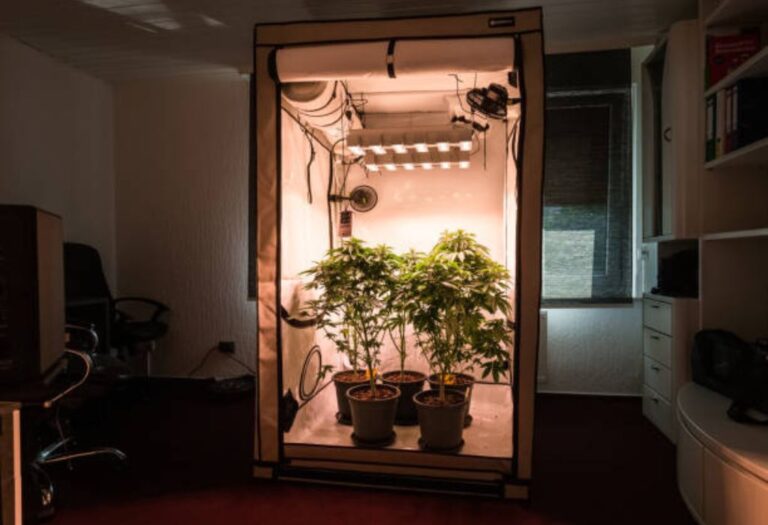
Having a grow tent too hot is a common problem for indoor gardeners, especially beginners. It can be tricky to keep the temperature just right inside a confined space, and it’s easy to make mistakes. Don’t worry, though! It’s fixable. This post explains why this happens and gives you easy-to-follow steps to cool down your tent and keep your plants happy and healthy. Next, we’ll get straight into some easy solutions that you can put to work immediately.
What Causes a Grow Tent Too Hot?
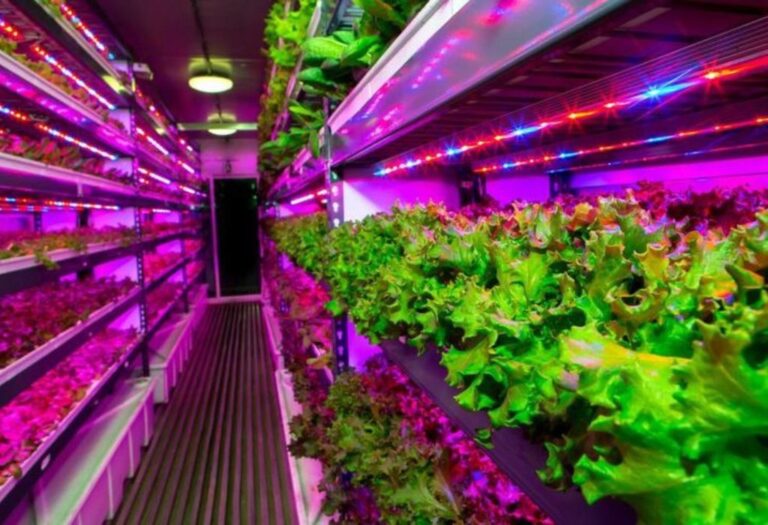
Several factors contribute to a grow tent too hot. Lighting, the type of grow lights you’re using, is a major culprit. HID lights, like metal halide and high-pressure sodium, produce a lot of heat, as do older LED models. The enclosed nature of a grow tent also traps heat, especially if there isn’t enough ventilation. The size of your tent relative to your lighting and the number of plants can make a difference. The more plants you have, the more heat and humidity they release through transpiration. Also, if your grow tent is situated in a warm area, this can escalate the temperature inside. Without proper air circulation and exhaust, the temperature will quickly become too high.
Grow Lights and Heat Output
The type of grow lights significantly impacts the heat generated within your grow tent. Older technologies like metal halide (MH) and high-pressure sodium (HPS) lamps are known for their high heat output. They convert a lot of electricity into heat instead of light, necessitating more robust cooling systems. Newer LED grow lights are more efficient, but even these can produce a surprising amount of heat, particularly older models or those with high-power LEDs. Different wattage levels and the proximity of the lights to your plants also play a role. Lower wattage lights produce less heat than their higher wattage counterparts, and the closer the lights are to the plants, the more direct heat they receive. It’s important to select lights suitable for your tent size and ventilation system.
- Metal Halide (MH) and High-Pressure Sodium (HPS) Lights: These are traditional grow lights that produce a lot of heat because they aren’t very efficient. They often need powerful cooling systems.
- LED Grow Lights: More efficient than MH and HPS, but still produce some heat. Some LED lights can get hot, depending on the model and the power they use.
- Light Emitting Diodes (LED) explanation: LEDs are tiny, solid-state devices that convert electricity into light, using less energy than traditional lights.
The choice of grow light directly affects your tent’s temperature. Choosing energy-efficient lights can help reduce the amount of heat. Also, remember that different types of plants have different temperature needs. Some plants thrive in hotter environments, but many prefer cooler temperatures. So, research your plants to see what temperature they are happiest at. For example, tomatoes enjoy warmer temperatures than lettuce. This can help you figure out which lights and cooling solutions you need.
Ventilation and Air Circulation
Adequate ventilation is critical to prevent a grow tent too hot. Air circulation helps remove excess heat and humidity that builds up from grow lights and transpiration from the plants. Without proper ventilation, the temperature inside the tent can soar quickly. Ventilation involves both exhaust and intake systems. Exhaust fans pull hot air out, while intake fans (or passive vents) bring in fresh, cooler air. The airflow rate should be sufficient to exchange the entire volume of air in the tent multiple times per hour. The size and type of the fans are important; you’ll need a fan strong enough for the tent’s size and to combat any resistance from carbon filters. Poor air circulation results in a stale environment, which can lead to diseases and pests.
- Exhaust Fans: These fans remove hot air from the tent. Size the fan based on the tent’s volume, usually exchanging the air every 1-3 minutes.
- Intake Fans: These fans bring fresh air into the tent. Passive intake vents can work well in less warm areas or with powerful exhaust fans.
- Air Circulation: Fans inside the tent, like clip-on or oscillating fans, help to move air around and ensure even temperatures.
Proper ventilation not only cools your grow tent but also controls humidity levels and provides plants with CO2, crucial for photosynthesis. Place fans strategically. A simple setup may involve an exhaust fan at the top of the tent to remove hot air, an intake fan or vents at the bottom to bring in cooler air, and an internal fan to circulate the air and prevent hotspots. In a good ventilation system, the exhaust fans should be more powerful than the intake fans. Check your environment regularly. A well-designed ventilation system is one of the most effective ways to avoid a grow tent too hot.
Plant Transpiration and Humidity
Plant transpiration and humidity play a significant role in raising the temperature in a grow tent. As plants grow, they release water vapor through their leaves, which is known as transpiration. This process contributes to humidity levels inside the tent. High humidity can make your tent feel hotter and increase the risk of mold and mildew. The amount of transpiration depends on the type of plants, their growth stage, and the environmental conditions. Larger, more mature plants will transpire more than younger plants. If the grow tent lacks proper ventilation to remove the water vapor, the humidity rises, making the air warmer. Managing humidity is key to regulating the temperature.
- Plant transpiration: Plants release water vapor through tiny pores in their leaves, affecting both humidity and temperature.
- Humidity control: Monitoring and controlling humidity is crucial to prevent overheating and mold/mildew.
- Plant Variety: Different plant species transpire at different rates, affecting humidity levels inside the grow tent.
To manage this, you can use a combination of methods. Increasing ventilation with exhaust fans reduces humidity and lowers the temperature. Consider using a dehumidifier to remove excess moisture if humidity levels remain too high. Space plants out to allow for better air circulation around each plant. Monitoring humidity levels with a hygrometer can help you make adjustments as needed. If you can keep these variables in check, you can avoid a grow tent too hot.
Easy Ways to Cool Down a Grow Tent

Dealing with a grow tent too hot doesn’t have to be difficult. There are several straightforward steps you can take to lower the temperature and create a healthy environment for your plants. Adjusting your grow light settings can significantly impact heat output. Improving ventilation is key to removing hot air and bringing in cooler air. In addition, you may consider adding cooling devices like air conditioners or fans to provide extra cooling. Each of these methods can be done without a lot of experience and can make a big difference.
Adjusting Grow Lights
A simple step to take is to adjust your grow light setup. If your lights are too close to your plants, they’ll be generating extra heat directly onto them. Raising the lights can give your plants more space, which can also cool the environment. Another option is to switch to LED lights, which produce less heat than traditional bulbs. You can also change the intensity of your lights. Many LED systems come with adjustable settings that allow you to dim the light output when the temperature rises. Timing is another factor. Run your lights when it’s cooler outside, like the nighttime. It can help reduce the overall heat load on your grow tent. Using a timer can automatically adjust the light cycle.
- Raise the lights: Increase the distance between the lights and the plants to reduce direct heat exposure.
- Switch to LED lights: LED lights are more energy-efficient and generate less heat compared to MH and HPS lights.
- Adjust light intensity: Many LED grow lights come with dimming options, allowing you to lower the light output when temperatures are high.
Remember, your plants need light, but they don’t need excessive heat. Observe your plants. If the leaves start to wilt or show signs of burning, it is a sign that the temperature is too high. Adjust your lights accordingly. If you have the option, switching to more efficient lighting can provide a longer-term solution and potentially save money on energy bills. The goal is to balance the needs of your plants and the heat produced by your lights.
Improving Ventilation
Upgrading your ventilation system is critical to address a grow tent too hot. An effective ventilation setup will move hot air out of your tent and bring in fresh, cooler air. Start by ensuring your exhaust fan is appropriately sized for your tent. The fan should be powerful enough to exchange the entire volume of air in your tent multiple times per hour. Adding an intake fan at the bottom of the tent can help bring in cooler air and create a better airflow pattern. Make sure the intake fan is positioned to draw air from a cooler part of your room. Proper placement can have a huge impact. Place the exhaust fan near the top of the tent. It will extract the hottest air. Then, use internal fans to circulate the air and prevent any stagnant spots or pockets of heat.
- Upgrade exhaust fans: Ensure the fan is powerful enough to exchange air volume efficiently.
- Add intake fans: Install intake fans near the bottom to bring in cooler air and improve airflow.
- Use internal fans: Place fans inside the tent to improve air circulation and prevent hot spots.
Consider the airflow. A good airflow pattern prevents hot air from building up in certain areas of the tent. This may involve directing fans towards plants and walls, creating a constant movement. A well-designed ventilation system is one of the most effective ways to lower the temperature in your grow tent. Regularly check and maintain your fans to ensure they work at their maximum efficiency. A combination of good fans, smart positioning, and air circulation will make a huge difference in the temperature of your tent. This is a very powerful way to deal with a grow tent too hot issue.
Adding Cooling Devices
When adjustments to your lighting and ventilation aren’t enough, adding cooling devices may be required to resolve a grow tent too hot situation. A simple option is to use a clip-on fan inside your grow tent to circulate air and help disperse heat. You can also use oscillating fans, which cover a wider area. If your budget and space allow, you might also consider an air conditioner, especially during the warmer months. Look for a portable air conditioner designed for indoor use. A dehumidifier can remove excess humidity and indirectly help lower the temperature, as it prevents the greenhouse effect that trapped humidity causes. Place it strategically near the exhaust vent.
- Use clip-on or oscillating fans: Improve air circulation and remove hot spots within the grow tent.
- Install an air conditioner: Provides direct cooling if ventilation adjustments are insufficient.
- Use a dehumidifier: Helps remove excess moisture and can reduce the overall heat load.
When using cooling devices, keep in mind the conditions within the tent. You can adjust the settings of the air conditioner or dehumidifier to maintain the right temperature and humidity levels. Make sure the cooling devices don’t block airflow or take up valuable growing space. Proper placement and maintenance will increase the effectiveness of cooling devices. By using these cooling devices, you can provide your plants with a stable, comfortable environment, even in hot weather. Remember, a combination of methods often works best.
Preventing a Grow Tent Too Hot in the Future
Stopping a grow tent too hot issue is much easier than fixing it. Preventive measures involve planning and selecting appropriate equipment. This starts with the size and type of the grow tent. It is important to know the area of the tent, the type of grow lights, and the ventilation system. Taking the time to consider the layout, materials, and positioning of the tent can help establish better conditions. These measures will prevent overheating and will contribute to the health and productivity of your plants. This is an excellent way to maintain a safe environment for your indoor garden.
Choosing the Right Equipment
The equipment you select plays a significant part in preventing a grow tent too hot in the future. The first thing to consider is the size of your grow tent. A larger tent may require more powerful ventilation to manage heat and humidity. Select your grow lights based on the type of plants you’re growing and the size of your tent. Consider the heat output of the light and choose options that are known for less heat. For example, LED grow lights are more efficient than MH or HPS lights. Ensure that your exhaust fan is rated for the cubic volume of your grow tent and can exchange the air sufficiently. The filter is crucial; if it’s too restrictive, it will put a load on the ventilation system.
- Tent size: Match the tent’s size to the plants to be grown and the equipment to be used.
- Grow lights: Select energy-efficient lights that produce minimal heat, such as LED lights.
- Ventilation system: Choose an exhaust fan strong enough for the tent’s volume and filters.
When selecting your equipment, you may also consider additional features. Smart controllers can monitor and manage temperature and humidity, which can automatically adjust fans and other devices to maintain optimal conditions. You can also use a carbon filter to remove odors and particles from the air, but make sure it does not restrict airflow. By choosing the right equipment from the start, you’ll be able to create a balanced growing environment. This will save you time and money. Careful planning is one of the best preventative actions for preventing a grow tent too hot.
Optimizing Grow Tent Setup
The way you set up your grow tent has a big impact on the temperature and overall health of your plants. Start by placing your tent in an area with good air circulation and away from heat sources, like direct sunlight or heating vents. Before you put plants into the tent, plan the position of your equipment. Put the exhaust fan at the top of the tent. Use the intake vents at the bottom. The use of internal fans to circulate air around your plants can reduce hotspots. Space your plants properly. Overcrowding prevents good air circulation and increases humidity. Make sure there is enough space between plants and between the plants and lights. This allows the plants to get enough light and fresh air.
- Location: Position the tent in a well-ventilated area away from heat sources.
- Equipment Placement: Arrange exhaust fans at the top, intake vents at the bottom, and internal fans for circulation.
- Plant Spacing: Provide adequate space between plants and lights for airflow and light penetration.
Regular maintenance is a key part of your setup. Check the condition of your equipment often and replace filters or fans as needed. Monitor the temperature and humidity levels inside the tent regularly using a thermometer and hygrometer. Adjust your setup as needed to maintain a balanced environment. Keeping track of the conditions in your tent will help you react quickly if there are any changes. By taking these actions, you can stop a grow tent too hot from becoming a problem. In addition, you’ll be helping your plants thrive.
Monitoring and Maintenance
Regular monitoring and maintenance are essential for preventing a grow tent too hot. Check the temperature and humidity inside your grow tent daily to quickly detect any issues. Use a thermometer and a hygrometer to record the readings. These instruments will provide you with important information about the current conditions. If the temperature is too high or the humidity is too low, you can adjust your equipment accordingly. Cleaning your equipment regularly can also help. Dust and debris can reduce the efficiency of fans and lights. Clean your fans, lights, and any air filters to keep everything working effectively.
- Temperature and Humidity Monitoring: Use a thermometer and hygrometer to check conditions regularly.
- Equipment Cleaning: Dust and debris can reduce the efficiency of fans and lights.
- Filter Maintenance: Change carbon filters as needed to ensure air quality and ventilation efficiency.
Regular inspections can help you find small problems before they grow into major ones. Check your ductwork and connections for leaks. Test your fans to ensure they are working properly. Replace bulbs as needed, and make sure that you maintain the right distance between lights and plants. By consistently tracking your grow tent’s conditions and taking care of your equipment, you will be able to maintain a stable growing environment and keep a grow tent too hot situation from happening.
Frequently Asked Questions
Question: What is the ideal temperature for a grow tent?
Answer: The perfect temperature range depends on your plants, but generally, it’s between 70-85°F (21-29°C) during the day and slightly cooler at night.
Question: How often should I replace my carbon filter?
Answer: It depends on the filter and use, but usually every 6-12 months. Watch for odors, as that’s a sign it’s time to replace it.
Question: Can I use a regular fan in my grow tent?
Answer: Yes, clip-on or oscillating fans are excellent for air circulation, preventing hot spots, and helping with transpiration.
Question: What do I do if my grow tent gets too humid?
Answer: Increase ventilation, use a dehumidifier, and make sure your plants have adequate space between them.
Question: Should I leave my grow tent running at night?
Answer: Yes, but keep in mind that many plants prefer cooler temperatures at night, so adjust your lights and ventilation accordingly.
Final Thoughts
Dealing with a grow tent too hot can be easily handled with a few simple steps. By understanding the causes, such as lighting, ventilation issues, and humidity, you can take control of your indoor garden environment. Adjusting your grow lights, improving your ventilation setup, and adding cooling devices like fans or air conditioners are all effective solutions. Remember to select the correct equipment from the start, plan your setup carefully, and keep a regular watch on your grow tent’s conditions. With these actions, you can create a happy and healthy environment for your plants. A few simple steps can help you and your plants enjoy gardening in a climate-controlled setting, which leads to great growth.