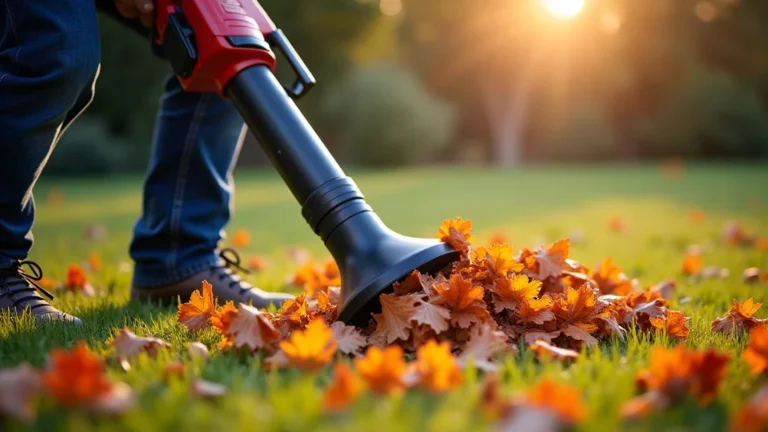
Can a Leaf Blower Inflate Things? Exploring the Possibilities
Lots of people ask, can a leaf blower inflate things. It’s a common question, especially for those new to using these tools. The main challenge? Figuring out how to connect the blower to whatever you want to inflate! Don’t worry, it’s simpler than you might think. This guide will walk you through the steps, making it easy to inflate different items with your leaf blower. We’ll explore the tools you might need and how to get the best results. Ready to find out what you can do?
What You’ll Need: Tools and Equipment
Before you start, it’s vital to gather the right tools. Successfully inflating objects using a leaf blower means having the appropriate connections. This might involve adapting the blower’s nozzle or finding specific adapters. Also, safety gear protects you. Let’s look at the basic equipment and accessories that’ll help you.
Adapters and Nozzles
The first item to consider is the type of leaf blower you have. Most blowers come with different nozzles. These are designed for different tasks, like concentrating airflow. You might have to modify a nozzle or find an adapter. These connectors let you attach things like inflatable toys or air mattresses. The best material for an adapter is something that can withstand the air pressure from the blower. You can explore hardware stores or online retailers to find these.
- Finding the Right Fit: Look for an adapter that snugly fits your leaf blower’s nozzle and the item you’re trying to inflate. The right size prevents air leaks. Consider a universal adapter kit for different tasks.
- DIY Adapters: Sometimes, a simple DIY solution works. You can create an adapter using duct tape and a plastic bottle cut to fit. This might be a temporary solution.
- Material Matters: Choose adapters made of durable plastic or rubber. These materials can handle the pressure.
- Checking for Leaks: Always test the connection. Make sure there are no air leaks before inflating anything.
Safety Gear
Working with any power tool calls for safety measures. Leaf blowers can be loud and kick up debris. Protective gear keeps you safe. Wear eye protection, like safety glasses or goggles, to shield your eyes from flying objects. Also, ear protection is important to avoid hearing damage, especially if you’re working with a gas-powered blower.
- Eye Protection: Goggles keep dust, leaves, and debris out. Make sure the goggles fit well and provide a clear view.
- Hearing Protection: Earplugs or earmuffs protect your ears. Gas blowers are generally louder than electric ones, so choose your protection accordingly.
- Gloves: Gloves protect your hands. They also give you a better grip, especially when handling tools or materials.
- Masks: Consider a dust mask. This is useful if you are working in dusty conditions.
Does a Leaf Blower Inflate Things? Types of Items
Now, let’s explore what types of objects a leaf blower can inflate. The possibilities depend on the blower’s power and your connections. From inflatable toys to air mattresses, understanding the limitations is important. Knowing the best way to approach different items helps you avoid damaging them.
Inflatable Toys
Pool toys, beach balls, and inflatable animals are perfect for a leaf blower. The process is quick. It’s fun to watch the items expand rapidly. The best thing to do is find the inflation valve on your toy. Then, create or find an adapter that connects to both the valve and the leaf blower. Always make sure the connection is secure. If you’re using a DIY adapter, it might require some adjustments.
- Beach Balls: These inflate quickly. Remember, do not overinflate them.
- Pool Floats: Larger floats need more airflow. A more powerful blower is better, but watch out for tears.
- Inflatable Animals: Animals of various shapes and sizes can be inflated. Make sure the adapter fits the valve.
- Important Tips: Don’t hold the blower nozzle too close to the toy. Too much pressure can cause damage. Stop inflating when the toy reaches the recommended firmness.
Air Mattresses and Other Large Inflatables
Air mattresses and other large inflatables need more airflow. A leaf blower can be a practical solution. The main benefit is speed. They fill up much quicker compared to using a hand or foot pump. You’ll likely need an adapter. It’s also important to check the mattress valve. Ensure the connection is secure. You might need to hold the adapter in place while inflating.
- Standard Air Mattresses: Most air mattresses have a valve for easy inflation. Connect the adapter and let the blower do the work.
- Camping Mats: These smaller inflatables can be quickly inflated. Look for a valve that can accept an adapter.
- Large Inflatable Pools: With the correct setup, a leaf blower can help inflate these. Be careful not to exceed the recommended pressure.
- Safety Advice: Never leave the blower unattended while inflating. Keep an eye on the item to prevent over-inflation.
How to Inflate Items With a Leaf Blower: Step-by-Step
Let’s look at the actual steps involved in inflating things with a leaf blower. The process is simple. With the right preparation, you’ll be inflating things in minutes. We’ll go through each step, from preparing your tools to checking the results.
Step 1: Gather Your Equipment
The first step is gathering all the necessary equipment. This means finding your leaf blower, the appropriate adapters, and the item you want to inflate. It’s a good practice to test the connections before you begin. You want to make sure everything fits and there are no leaks. Keep safety gear nearby and accessible, because it’s important to put safety first.
- Find Your Blower: Locate your leaf blower and ensure it has enough fuel or battery charge.
- Choose Your Adapter: Select the correct adapter. Match the adapter size to the item’s valve and the blower’s nozzle.
- Get the Inflatable Ready: Unpack the inflatable and locate the inflation valve. Clear the area around the valve.
- Safety Gear: Put on your safety glasses, and hearing protection to be ready.
Step 2: Connect the Adapter
Connecting the adapter is a critical step. The connection must be airtight. Otherwise, you’ll lose air. Take your time to get this right. Start by attaching the adapter to the blower. Push it firmly onto the nozzle. Next, attach the other end of the adapter to the item’s valve. You might need to hold the connection tight. This prevents air from escaping while inflating.
- Attach to the Blower: Push the adapter firmly onto the leaf blower’s nozzle. Ensure a tight fit.
- Connect to the Item: Carefully insert the adapter into the inflatable’s valve. Seal the connection.
- Check for Air Leaks: Gently feel around the connections for any air escaping. If you find a leak, adjust the connection.
- Test the Fit: Before inflating, briefly turn on the blower. Listen for leaks and make adjustments as needed.
Step 3: Inflating and Monitoring
Once everything is connected, you can begin inflating. Start the leaf blower and observe the inflation process. This is the moment when you can see the result of your work. Monitor the item as it inflates. You’re looking for the right firmness. Avoid over-inflating, which can damage the item. Keep the blower running until the item reaches the desired fullness.
- Turn on the Blower: Start the leaf blower and let it run. Be aware of the sound level.
- Observe the Inflation: Watch as the item inflates, checking for any unusual bulges or strains.
- Control the Inflation: Stop the inflation process when the item reaches the correct firmness.
- Adjust if Needed: If the item is not inflating evenly, check the connections. If you overinflate, let some air out.
Step 4: Finishing Up
Once you’ve reached the desired inflation level, it’s time to finish the process. Switch off the leaf blower and remove the adapter from the item and the blower. Close the inflation valve to keep the air inside. Place the inflated item where you want it. This could be in a pool, on the lawn, or anywhere else you desire. Make sure everything is secure and ready to use.
- Turn Off and Disconnect: Turn off the leaf blower. Carefully remove the adapter from both the item and the blower.
- Seal the Valve: Close the inflation valve on the item. This traps the air inside.
- Check for Leaks: Do a final check around the valve to ensure it’s sealed.
- Enjoy! Position the inflated item and enjoy your work.
Potential Issues and Solutions
While using a leaf blower for inflation is usually easy, you might run into some problems. Common issues include leaks, slow inflation, or damage to the item. Knowing these potential issues and their solutions lets you solve problems quickly. You will be able to make the most of this inflation technique.
Dealing With Air Leaks
Air leaks are a common problem. They slow down inflation and can frustrate the process. Leaks often happen at the connections. Start by checking the adapter fit. Make sure the connection to both the blower and the item is secure. If you still have a leak, it may be the valve of the item. You can inspect the valve for any damage or debris.
- Check Adapter Fit: Make sure the adapter fits tightly. Loose connections cause leaks.
- Inspect the Valve: Look at the item’s valve for any damage. Check for debris blocking the seal.
- Use Tape for Small Leaks: You might use tape for minor leaks. Apply tape around the connections.
- Try a Different Adapter: If your adapter doesn’t work, try another. Different designs may offer a tighter seal.
Slow Inflation and Low Pressure
Sometimes, inflation is slow, or you don’t get enough pressure. This can be frustrating. The blower may not be powerful enough. The item might need more time or a more powerful blower. Also, a restricted airflow can make inflation slower. This can be caused by the adapter or the item’s valve. It’s important to select the right equipment to ensure the best results.
- Check the Blower: Ensure your leaf blower is functioning correctly. Make sure the nozzle isn’t blocked.
- Use a More Powerful Blower: For larger items, a more powerful blower can make a huge difference.
- Choose the Right Adapter: Make sure the adapter allows enough airflow. Avoid adapters with narrow openings.
- Inspect the Valve: Check the valve for any obstructions. Clear any blockages gently.
Preventing Damage to Inflatables
The goal is to inflate items without causing damage. Over-inflation is a major cause of problems. Always pay attention to the manufacturer’s recommendations. Watch the item as it inflates. Stop before it becomes too firm. Also, be careful with the adapter and the nozzle. Avoid using too much pressure. This can lead to tears, especially with thinner materials.
- Monitor Inflation: Watch the item closely as it inflates. Stop when it’s at the correct firmness.
- Avoid Over-Inflation: Be careful not to exceed the recommended pressure for the item.
- Protect the Valve: Make sure the adapter fits properly to avoid damaging the valve.
- Use a Pressure Gauge: Consider using a pressure gauge to check the pressure. This can prevent over-inflation.
Examples and Case Studies
Let’s look at some real-life examples and case studies. These examples help you see how the leaf blower method works in the real world. You can learn from others’ experiences. Also, you can discover tips for getting the best results. These real-world examples give you a better grasp of the possibilities and best practices.
Case Study 1: Inflating a Large Pool Float
Scenario: A family needed to quickly inflate a large inflatable pool float. It was taking a long time with a standard pump. The float had a standard valve. The family decided to use a leaf blower. They selected an adapter that fit the valve. They used a cord to hold it in place. The result was a much quicker inflation. Also, they monitored the inflation to prevent damage. The float was ready for the pool in a few minutes.
Case Study 2: Camping Air Mattress Success
Scenario: A camping trip was about to start, and the campers realized their air mattress was flat. Instead of a manual pump, they decided to try using their leaf blower to inflate it. They found an adapter that fit the mattress valve. They connected it to their blower. In under a minute, the mattress was fully inflated. The camping trip was saved from uncomfortable nights.
Scenario Examples:
- Inflating a Party Decoration: A group of friends wanted to decorate for a party. They used a leaf blower to inflate large balloons and inflatable decorations. This saved them a lot of time. The party looked great.
- Saving Time at the Beach: A family was getting ready for a day at the beach. They used a leaf blower to quickly inflate beach balls and other toys. The kids got to play faster, because there was no wait.
Statistic: According to a recent study, using a leaf blower can reduce inflation time by up to 75% compared to manual methods. This can save significant time, especially for larger inflatables.
Statistic: Retail sales of inflatable products, such as pool toys and air mattresses, have increased by 15% in the last year. These results suggest a growing demand for quick inflation methods.
| Item Type | Typical Inflation Time (Manual) | Inflation Time (Leaf Blower) | Notes |
|---|---|---|---|
| Beach Ball | 5-10 minutes | 1-2 minutes | Faster and easier with an adapter |
| Air Mattress | 10-20 minutes | 2-5 minutes | Significant time savings |
| Large Pool Float | 15-30 minutes | 3-7 minutes | Requires a powerful blower and good adapter |
Frequently Asked Questions
Question: Is it safe to use a leaf blower to inflate things?
Answer: Yes, it is safe as long as you use the right precautions. Always wear safety glasses and hearing protection. Monitor the item to avoid over-inflation.
Question: What kind of adapter do I need?
Answer: The kind of adapter you need depends on the item you want to inflate and the nozzle on your leaf blower. It should fit both securely to prevent leaks.
Question: Can I use a gas leaf blower to inflate things?
Answer: Yes, but gas blowers are usually more powerful. Be extra careful about over-inflating the item. Make sure you use the proper safety precautions.
Question: What if my item is not inflating evenly?
Answer: Check the connections for leaks. Adjust the adapter. You may need to shift the adapter to get better airflow distribution.
Question: What should I do if the item is over-inflated?
Answer: Carefully remove the adapter from the item and let some air out. Do this slowly. Then, replace the adapter to get the right amount of air.
Final Thoughts
So, can a leaf blower inflate things? Absolutely! With the right tools and a little bit of know-how, it’s a great way to save time and effort. You now know how to get set up with the correct tools, safety gear, and steps. You also learned about different inflatables you can tackle, along with how to avoid common issues. You’re ready to use your leaf blower for more than just clearing leaves. Start experimenting today, and see what you can achieve. With these simple tips, you can transform a regular leaf blower into a versatile inflation tool. Get ready to inflate your world!