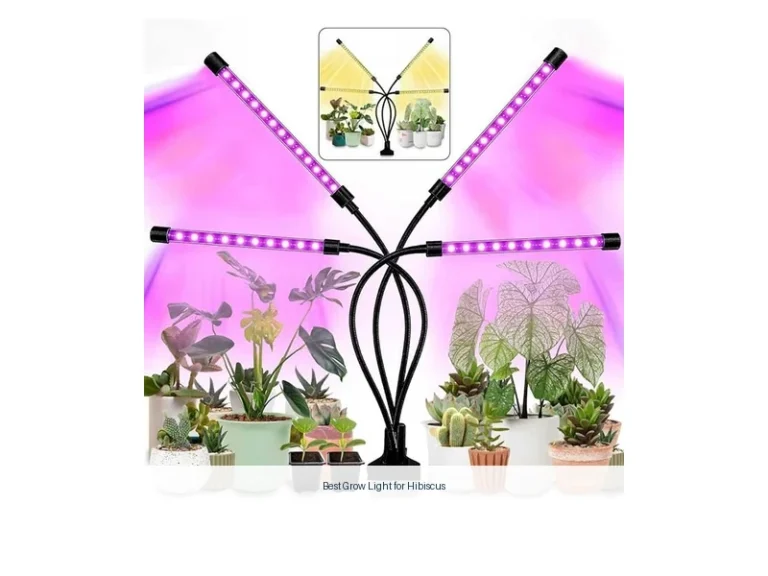
5 Best T5 Fluorescent Grow Light: Compared With Buying Guide
Choosing the best t5 fluorescent grow light is less about finding the brightest-looking listing and more about matching the lamp, fixture, plant stage, and available space. Tube length, socket style, color temperature, output, and whether you need a complete fixture can make a major difference in everyday use.
My first choice is LightWise LWF54T5HO865 4-Foot T5 HO Fluorescent Grow Light Bulbs. It is especially appealing for buyers who already own compatible four-foot T5 HO fixtures and want several matching replacement tubes.
My second choice is GrowBright 4-Foot High-Output T5 Fluorescent Grow Light Fixture. Its electronic ballast, polished aluminum reflector, mounting hardware, six-foot grounded cord, and included 6400K bulb make it a practical starting point for a small indoor growing area.
My third choice is LumiaStar 4-Foot 6-Lamp 300W T5 Fluorescent Grow Light. Its listed 6500K lamps, 30,000-lumen total output, and high-PPFD positioning suit seedlings and vegetative plants, although the limited supplied product detail and lower customer score call for extra care before purchasing.
This guide compares five options in rank order, then explains compatibility, fixture sizing, setup, light placement, maintenance, safety, and replacement decisions. The goal is to help a beginner choose confidently without confusing a replacement tube with a complete grow-light system.
Best T5 Fluorescent Grow Light
I selected these products for their direct relevance to indoor plant lighting, the usefulness of their supplied specifications, and the practical differences between replacement bulbs and complete fixtures. Customer-feedback evidence was considered where available, while brand variety and different growing-space needs were also kept in view; I did not treat any listing as personally tested.
| # | Image | Product | Price on Amazon |
|---|---|---|---|
| 1 |  |
LightWise LWF54T5HO865 4-Foot T5 HO Fluorescent Grow Light Bulbs | Check Price |
| 2 |  |
GrowBright 4-Foot High-Output T5 Fluorescent Grow Light Fixture | Check Price |
| 3 |  |
LumiaStar 4-Foot 6-Lamp 300W T5 Fluorescent Grow Light | Check Price |
| 4 |  |
Celiwace F24T5/865 22-Inch T5 Fluorescent Grow Light Bulbs | Check Price |
| 5 |  |
Konideke F54T5/865/HO 46-Inch T5 Fluorescent Tube Light Bulbs | Check Price |
LightWise LWF54T5HO865 4-Foot T5 HO Fluorescent Grow Light Bulbs
LightWise is the strongest all-around pick for a buyer who already has four-foot T5 HO equipment and needs a multi-bulb replacement pack. The eight tubes use a 6500K cool-white color temperature, a spectrum commonly chosen for seedlings, leafy plants, and vegetative growth because it emphasizes a bright blue-leaning daylight appearance rather than a warm flowering tone.
Each bulb is listed at 5,000 lumens, and the 45.12-inch length is typical of a nominal four-foot tube while leaving room for the pins and fixture ends. That distinction matters: a shopper should measure the existing tube and confirm the fixture’s lamp type before ordering. These are bulbs, not a ballast, reflector, power cord, or mounting system, so they do not solve the whole installation problem by themselves.
An eight-pack is useful when a multi-lamp fixture needs a complete matching set, or when a grower wants replacements ready as older tubes lose performance. It can be excessive for someone replacing only one failed lamp, however. The supplied data also lists a very light individual weight, which is convenient for handling but does not provide information about packaging protection during shipping.
Pros
- Eight matching four-foot T5 HO bulbs in one package.
- 6500K color temperature suits seedlings and vegetative growth.
- Listed 5,000-lumen output per bulb.
- Useful for filling multi-lamp fixtures with consistent tubes.
Cons
- Requires a compatible T5 HO fixture and ballast.
- Not a complete grow-light installation.
- 6500K is not a warm-spectrum specialty choice for flowering.
My Opinion
This is the best value-oriented choice for an existing four-foot T5 HO setup that needs several dependable-looking replacements at once. Confirm the fixture’s wattage, socket, and tube length before buying, because the package cannot be used safely in an incompatible fluorescent system.
GrowBright 4-Foot High-Output T5 Fluorescent Grow Light Fixture
GrowBright stands out because it includes the parts a first-time buyer usually needs to get started: a fixture, one 4-foot 6400K specialty horticultural T5HO bulb, mounting hardware, and a six-foot power cord with a standard grounded NEMA 5-15 plug. That makes it more approachable than a tube-only listing for a shelf, propagation area, or compact indoor garden.
The fixture uses a 54-watt electronic ballast and draws approximately 0.45 amps at 120 volts. Its polished aluminum reflector is intended to direct more of the lamp’s light toward the plants instead of leaving the fixture as a bare tube. The listed initial output is 5,000 lumens, so it offers a useful baseline for a single-lamp setup, though larger or denser plant canopies may need additional fixtures.
GrowBright also supports daisy chaining through a jumper cord connection, with jumper cords sold separately. That can simplify a growing area that expands over time, but buyers should not assume the included power cord automatically connects multiple fixtures. The housing measures 46.5 inches long, 3.5 inches wide, and 1.75 inches high, so the mounting surface needs to be slightly longer than the lamp itself.
Pros
- Complete fixture with one bulb, reflector, cord, and mounting hardware.
- Electronic ballast and grounded household plug.
- Daisy-chain capability for compatible expansion.
- 6400K horticultural bulb and 5,000-lumen initial output.
Cons
- Only one bulb is included.
- Jumper cords for daisy chaining are sold separately.
- One fixture may not cover a wide or crowded plant area.
My Opinion
GrowBright is my preferred alternative for someone who needs a ready-to-install four-foot fixture rather than a box of tubes. Its practical accessories reduce guesswork, but buyers should plan the number of fixtures around their shelf width and plant density instead of expecting one lamp to cover every indoor garden.
LumiaStar 4-Foot 6-Lamp 300W T5 Fluorescent Grow Light
LumiaStar targets growers who want a wide, high-output fixture instead of a single replacement tube. The listed format is four feet long and 18 inches wide, with six lamps, 6500K grow bulbs, a stated 300-watt total, and 30,000 lumens. That combination suggests a substantial footprint for seed starting, propagation trays, and a broad vegetative canopy.
The six-lamp layout can distribute light more evenly across a shelf than a narrow one- or two-tube fixture. An 18-inch width is also useful when several trays sit side by side, but it requires a correspondingly deep shelf, rack, or tent. Before buying, measure not only the plant area but also the clearance for hanging hardware, electrical connections, and airflow around the housing.
This option is ranked below the first two because the supplied information is limited to the brand and listing description, while the available customer score is 3.4 from 55 ratings. The high claimed output may appeal to demanding users, but output figures alone do not explain heat, ballast design, cord details, reflector quality, or replacement-lamp compatibility. Those omissions make it more important to confirm the complete specification before committing to a larger installation.
Pros
- Six-lamp configuration can cover a broad 4-by-18-inch area.
- Listed 6500K lamps suit seedlings and vegetative stages.
- Claimed 30,000-lumen total output and 300-watt rating.
- Useful format for multiple trays or a dense plant shelf.
Cons
- Supplied product information is comparatively limited.
- Lower customer score than the leading options.
- Large power and space requirements need careful planning.
My Opinion
LumiaStar makes the most sense when broad coverage is more important than a minimal setup. I would choose it only after confirming ballast, cord, lamp replacement, mounting, and heat details, because the attractive output numbers do not answer those ownership questions.
Celiwace F24T5/865 22-Inch T5 Fluorescent Grow Light Bulbs
Celiwace is the compact option in this group, offering six 22-inch F24T5/865 tubes rated at 24 watts and 2,000 lumens each. The 6500K full-spectrum daylight description is aimed at indoor plants, seedlings, and vegetative growth, while the shorter length makes these lamps suitable for small shelves, propagation racks, and narrow fixtures that cannot accept four-foot tubes.
The most important compatibility detail is the stated 22-inch size. These are not simply generic two-foot replacements; the listing specifically distinguishes them from a nominal 2-foot tube. That means a buyer should compare the old lamp’s markings, end-to-end length, wattage, and base arrangement before ordering. A 22-inch tube can be a poor fit if the existing fixture expects a different F24T5 configuration.
At 2,000 lumens per bulb, six lamps could provide a useful amount of close-range light across a small growing shelf, while the 24-watt rating helps keep energy use and heat lower than a much larger bank. The listed 20,000-hour lifespan may reduce replacement frequency, though actual service life depends on ballast condition, switching habits, temperature, and installation quality. This package is more about efficient, close coverage than lighting a large room.
Pros
- Six compact 22-inch tubes for small fixtures and shelves.
- 6500K daylight spectrum for seedlings and vegetative plants.
- 2,000 lumens per bulb with a modest 24-watt rating.
- Listed 20,000-hour lifespan.
Cons
- 22-inch compatibility must be verified carefully.
- Lower per-bulb output than the four-foot choices.
- Six lamps may be unnecessary for a very small plant area.
My Opinion
Celiwace is a sensible fit for compact indoor gardens where four-foot equipment is simply too large. Its main buying risk is mistaken sizing, so treat the exact 22-inch specification as a requirement rather than an approximate description.
Konideke F54T5/865/HO 46-Inch T5 Fluorescent Tube Light Bulbs
Konideke supplies a value-focused 12-pack of 54-watt, 46-inch T5 HO tubes. Each lamp is listed at 6500K daylight, 5,000 lumens, CRI 85 or higher, and a standard G5 bi-pin base. That combination makes the bulbs relevant to four-foot grow fixtures, workspaces, garages, and other areas where bright daylight illumination is useful.
The direct-replacement positioning may help owners of compatible Philips, Sylvania, GE, or Halco F54T5 HO systems, but brand compatibility should not replace checking the actual fixture label. The ballast must support a 54-watt T5 HO lamp, and the socket must accept the G5 bi-pin base. A tube that physically fits but does not match the ballast can fail to start or create an unsafe setup.
A 12-pack is practical for commercial shelves, several fixtures, or long-term storage, but it is a large purchase for a single home plant stand. The listed 15,000-hour lifespan can reduce how often replacements are needed, while the 5000-lumen rating keeps the lamps competitive with other four-foot high-output tubes. Still, the available customer score is 3.1 from 16 ratings, so buyers should balance the bundle size against the limited feedback and verify packaging and return conditions.
Pros
- Large 12-pack for multiple fixtures or future replacements.
- 54-watt T5 HO output with 5,000 lumens per tube.
- 6500K daylight and CRI 85+ specification.
- G5 bi-pin base and listed direct-replacement compatibility.
Cons
- Too many bulbs for some small home setups.
- Ballast compatibility must be confirmed before installation.
- Lower available customer score than the top-ranked choices.
My Opinion
Konideke is best for a buyer who already operates several compatible F54T5 HO fixtures and wants a large replacement reserve. The 12-pack is less attractive for a one-fixture beginner, especially when the ballast and exact lamp markings have not yet been verified.
How I Selected These T5 Fluorescent Grow Light Options
For this comparison, I gave priority to products that directly serve indoor plant lighting and then separated complete fixtures from replacement bulbs. I looked at tube length, lamp type, wattage, lumen claims, color temperature, included hardware, connection details, package size, and the kind of growing space each option appears to suit. Where available, customer score and rating volume added context, but neither was treated as a substitute for checking technical compatibility.
My top rank goes to the LightWise eight-pack because it offers a clear four-foot T5 HO replacement use case, strong stated output, and enough matching tubes for a multi-lamp setup.
The best t5 fluorescent grow light for one person may be a complete GrowBright fixture, while another buyer may need only Celiwace short tubes or a large Konideke reserve. That is why the ranking weighs fit and practical ownership value rather than treating the highest lumen figure as the automatic winner.
Do not compare a bulb-only package with a complete fixture as though they were interchangeable purchases. The fixture includes the ballast, reflector, cord, and mounting components; replacement tubes require compatible equipment already in place.
How to Choose a T5 Fluorescent Grow Light
Start with the growing area and the equipment you already own. A compact shelf may benefit from 22-inch tubes, while a four-foot rack can use 46-inch or 45-inch-class T5 HO lamps. If there is no fixture yet, a complete unit is usually simpler than assembling a ballast, reflector, sockets, cord, and mounting system separately.
- Match the tube length and wattage to the fixture label.
- Choose 6500K daylight for seedlings and vegetative growth.
- Check whether the listing contains bulbs only or a complete fixture.
- Compare package size with the number of lamps you actually need.
- Measure shelf depth, hanging height, and electrical access before ordering.
Tube Length and Base Compatibility
T5 tubes are not universal simply because they share the T5 name. Compare the old lamp’s printed code, physical length, wattage, HO designation, and G5 bi-pin ends with the replacement listing. A 46-inch F54T5 HO tube, a roughly four-foot 54-watt lamp, and a 22-inch F24T5 tube belong to different installation categories even though all are T5 products.
Measure the usable space inside the fixture rather than relying only on a shelf’s advertised length. The LightWise lamps list a 45.12-inch length, GrowBright’s housing is 46.5 inches long, and Konideke lists 46-inch tubes. These figures demonstrate why a small dimensional difference can matter at the ends of a fixture.
Color Temperature and Plant Stage
The products here center on 6400K or 6500K daylight lighting. That cool-white appearance is a natural match for starting seeds, encouraging compact leafy growth, and maintaining herbs or greens during the vegetative stage. It does not automatically make every plant thrive, because distance, exposure time, water, nutrition, and airflow also affect results.
For a mixed collection, daylight tubes are a straightforward beginner choice. If flowering or fruit production is the main goal, investigate whether the chosen fixture supports another lamp type or a complementary spectrum. Do not assume that a “full spectrum” label alone explains how a lamp will perform throughout a plant’s life cycle.
Lumens, Wattage, and Coverage
Lumens describe visible light output, not a complete picture of plant-useful light. Still, they are useful for comparing products within similar tube types. The listed options range from 2,000 lumens per compact Celiwace tube to 5,000 lumens for the LightWise and Konideke four-foot tubes, while the LumiaStar listing claims 30,000 total lumens across six lamps.
Wattage indicates electrical demand rather than guaranteed plant performance. More lamps can cover a larger area, but they also require more space, power, and heat management. A narrow shelf can waste light if a wide fixture extends beyond the plants, while an overcrowded canopy can receive uneven exposure from a single narrow tube.
Fixture or Replacement Bulbs: Which Should You Buy?
Buy a complete fixture when you are starting from nothing or when your current ballast, sockets, reflector, and wiring are missing or unreliable. GrowBright is the clearest example here because it includes a bulb, electronic ballast, cord, reflector, and mounting hardware.
Choose replacement bulbs when the existing fixture works correctly and you are replacing aged, broken, or mismatched lamps. LightWise and Konideke are aimed at that situation. Buying tubes alone usually costs less than replacing a complete system, but only if the ballast and socket specifications match.
Do not buy a multi-pack merely because it appears economical. Count the working positions in the fixture, consider whether you want spares, and check how the lamps will be stored. A twelve-pack can be sensible for multiple racks but unnecessary for a single small shelf.
Setting Up a T5 Grow Light Safely
Install the fixture on a stable support that can handle its weight and keep the tubes level. Use the supplied mounting hardware where provided, keep the cord free from sharp edges, and connect the unit to an appropriate grounded outlet. Any daisy-chain arrangement should use compatible cords and remain within the fixture’s electrical limits.
Position the lamps close enough to provide useful light without touching leaves. T5 fluorescent tubes generally produce less intense heat at plant level than many high-intensity systems, but the ballast and housing still need open air. Avoid enclosing the fixture tightly in plastic or placing it where water can splash onto the electrical components.
Starting Distance and Adjustment
There is no single correct distance for every plant or fixture. Begin with a moderate gap above the tallest leaves, watch the plants for several days, and adjust gradually. Leggy stems can indicate insufficient light or excessive distance, while bleached leaves, dry tips, or heat stress may mean the lamps are too close or airflow is poor.
Raise the fixture as plants grow so the canopy does not press against the tubes. A broad six-lamp fixture may provide more even coverage than a single tube, but it still needs adjustment when plants develop uneven heights.
Using T5 Fluorescent Light for Seedlings and Vegetative Growth
6500K tubes are especially convenient for seedlings and leafy vegetative plants. Place trays so that the light falls evenly across them, rotate containers when the fixture is narrow, and keep the most light-demanding plants near the strongest central area. A timer can provide a consistent daily schedule, but the exact schedule should reflect the plant rather than an assumption that more hours are always better.
Seedlings need adequate moisture and airflow as well as light. A bright fixture cannot correct overwatering, poor drainage, or stagnant air. Once plants become taller, check whether the lower leaves are being shaded by the upper canopy and consider adding compatible lamps or separating crowded containers.
Cleaning and Maintenance
Dust on tubes and reflectors reduces the light reaching the plants. Turn the fixture off, unplug it, and allow it to cool before wiping the tubes and reflector with a soft, dry or slightly damp cloth appropriate for the surface. Never spray cleaner directly into sockets, ballast openings, switches, or electrical connections.
Inspect the ends of the tubes for darkening, cracks, or loose pins. Flickering, delayed starting, or repeated failure may come from an aging tube, but it can also indicate a ballast or socket problem. Replace a damaged lamp rather than continuing to operate it, and handle fluorescent tubes carefully because they are fragile.
When to Replace Tubes
Published lifespan figures can help estimate ownership, but they are not a promise of identical output throughout that period. Replace lamps when they fail, visibly deteriorate, start inconsistently, or no longer provide the coverage your plants need. Replacing all lamps in a multi-tube fixture at the same time can keep color and brightness more consistent, although replacing only failed tubes may reduce immediate expense.
Energy Use, Heat, and Electrical Planning
Count the total wattage of every lamp and fixture before expanding. GrowBright lists approximately 54 watts and 0.45 amps at 120 volts for its single-lamp fixture, while LumiaStar lists 300 watts for its six-lamp system. Those numbers illustrate the difference between a compact propagation setup and a broad, high-output installation.
Use a grounded outlet and avoid overloading a power strip. Keep electrical connections elevated away from watering areas, provide ventilation around ballasts, and do not modify wiring unless the equipment instructions specifically allow it. If a fixture becomes unusually hot, smells burnt, trips a breaker, or makes abnormal noise, disconnect it and investigate before continuing.
Storage and Handling Tips
Store spare fluorescent tubes in their protective packaging in a dry location where they cannot roll or be struck. Avoid placing heavy items on top of the package. A replacement reserve is useful only if the lamps remain intact and their markings stay readable.
When moving a fixture, support the housing rather than lifting it by the cord or tube. Remove lamps before transporting a larger unit if the design allows it, and keep the pins aligned when installing them. Gentle handling is particularly important with multi-lamp fixtures because one broken tube can complicate an otherwise usable setup.
Common Mistakes When Buying or Using T5 Grow Lights
Most avoidable problems come from treating every T5 lamp as interchangeable or from judging a setup by lumen numbers alone. A few minutes spent checking the fixture label and measuring the growing space can prevent an unusable purchase.
- Ordering a 22-inch tube for a fixture that requires a four-foot lamp.
- Putting a T5 HO tube in a ballast that does not support its wattage.
- Buying replacement bulbs when a ballast or reflector is also needed.
- Assuming 6500K daylight is automatically the ideal spectrum for flowering.
- Hanging a wide fixture on a shelf that is too narrow or shallow.
- Blocking ventilation around the ballast and electrical housing.
- Letting foliage touch hot or fragile tubes.
- Using water or spray cleaner near an energized fixture.
Before placing an order, photograph the old tube’s markings and measure its length. Those two steps are often more reliable than searching by the phrase “four-foot grow light” alone.
FAQS About Best T5 Fluorescent Grow Light
Is a 6500K T5 fluorescent light good for seedlings?
Yes. A 6400K or 6500K daylight tube is commonly suited to seedlings and vegetative growth. Keep the fixture close enough for useful illumination, maintain airflow, and adjust the height as plants grow.
Are T5 HO grow-light bulbs interchangeable?
No. Check the lamp length, wattage, HO designation, base, and ballast requirements. A 54-watt four-foot-class tube is not automatically interchangeable with a shorter 24-watt tube.
Should I buy a T5 fixture or only replacement bulbs?
Buy a fixture if you need the ballast, reflector, sockets, cord, and mounting parts. Buy bulbs alone when your existing fixture is compatible and working properly.
How many T5 fluorescent tubes do seedlings need?
The number depends on shelf width, plant density, tube output, and hanging height. A compact tray may need only a small fixture, while several trays or a broad canopy may benefit from multiple lamps or a six-lamp unit.
Can a 6500K T5 fluorescent grow light support flowering plants?
It can provide useful light, but 6500K daylight is generally associated more strongly with seedling and vegetative growth. Flowering results also depend on plant species, intensity, daily schedule, and the rest of the growing environment.
What does T5 HO mean?
T5 identifies the tube’s small diameter class, while HO means high output. The fixture ballast must be designed for the specific T5 HO lamp and wattage being installed.
Final Thoughts
The best t5 fluorescent grow light depends on whether you need replacement tubes, a complete fixture, compact coverage, or a large multi-lamp installation. LightWise LWF54T5HO865 is my top choice for compatible four-foot T5 HO replacement needs, GrowBright is the strongest complete-fixture alternative, and LumiaStar is the broad-coverage third choice for buyers willing to verify its details carefully.

I’m Maya L. Greenwood, a lifelong plant lover who believes anyone can grow something beautiful with the right guidance. After years of testing soil mixes, pruning methods, irrigation tricks, and pest-safe solutions, I started EasyGardenTips.com to turn hard-won lessons into step-by-step advice. From seed starting and container gardens to composting and seasonal checklists, my goal is to make gardening simple, sustainable, and fun.