
Lawn Soil vs Potting Soil: Why Mixing Them Up Hurts Your Grass
Lawn soil is made to support grass growing in the ground, while potting soil is a lightweight mix for plants growing in containers. The two aren’t interchangeable: potting soil can dry out or shift around on a lawn, and dense lawn soil can leave a potted plant’s roots short on air.
Have you spread a bag of potting mix over a bare lawn spot and watched it dry into a dusty patch? Or wondered if regular garden soil would work just as well in a planter?
I once used a fluffy container mix to fill a low spot in a lawn, thinking the fine texture would settle neatly. After watering, the mix shifted and left the grass roots sitting unevenly; that’s a common mistake, not a dumb one.
I wrote this guide to help you choose soil based on where the roots will grow, not just what the bag promises. You’ll get the practical differences, how to handle common lawn repairs, and what to do if you’ve already used the wrong mix.
Pick the right soil and you can help grass establish, avoid soggy pots, and spend less time fixing preventable messes. Choose poorly, and you may end up with weak roots, patchy growth, or a planter that needs constant watering.
This takes about 10 minutes to read. You’ll come away knowing how to:
- Tell lawn soil and potting soil apart by texture and purpose.
- Choose soil for seed, sod, bare spots, and container plants.
- Fix common problems caused by the wrong soil.
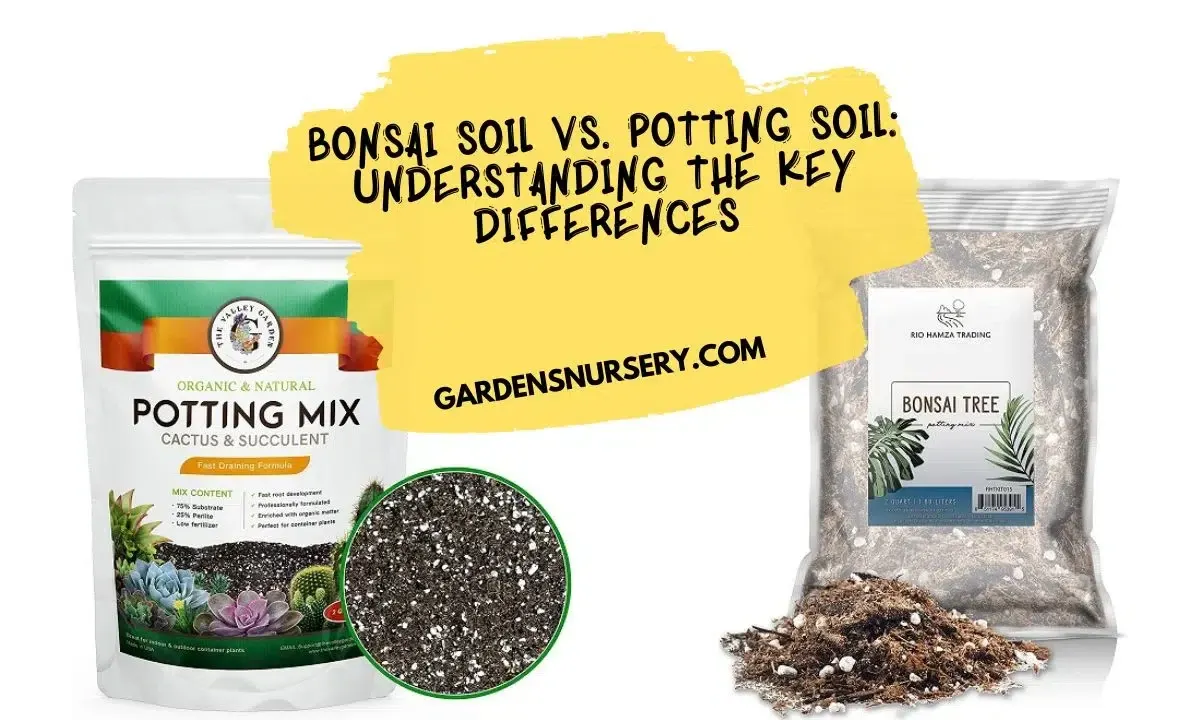
Lawn Soil vs Potting Soil: Which One Should You Use?
Use lawn soil for grass growing in the ground, and potting soil for plants growing in pots or other containers. Lawn soil helps blend into the existing ground; potting soil stays loose and drains freely inside a container.
The key difference is the growing environment. In a lawn, roots can spread through surrounding ground, and rainwater moves through a broad area. In a pot, roots are surrounded by the mix, water can’t drain through the sides, and the container’s drainage holes do much of the work.
Lawn soil is a soil-based product sold for lawns, often made to improve or fill in-ground soil. Its texture and ingredients vary by product, so check the bag for the intended use and whether it contains added fertilizer or organic material.
Potting soil is usually a soil-free or partly soil-free growing medium, meaning the material that holds plant roots and water. Many mixes contain components such as peat moss, coir, bark, or perlite to keep the mix lighter and airier than typical ground soil.
| Feature | Lawn soil | Potting soil |
|---|---|---|
| Best setting | In-ground lawns and bare spots | Containers and planters |
| Typical feel | More soil-like and heavier | Lighter, fluffier, and more open |
| Water behavior | Blends with surrounding soil | Drains through container holes |
| Main concern when used in the wrong place | May be too dense in a pot | May dry out or shift on a lawn |
| What to check on the bag | Lawn use, texture, and amendments | Plant type, drainage, and fertilizer |
A bag labeled “topsoil” isn’t automatically the same as lawn soil, and “potting soil” doesn’t mean plain soil dug from a garden. Product names can be confusing, so read the ingredient list and instructions rather than relying on the front label.
When you’re shopping for container plants that sit outside through changing weather, a mix made for outdoor containers can be a better fit than a lawn product. Compare the ingredients and drainage notes in a guide to potting soil for outdoor plants before choosing a bag.
The word “soil” on a label can make two products seem more alike than they are. A handful of potting mix may feel wonderfully soft, but that doesn’t mean it will stay in place or behave well under lawn traffic.
- Match the product to the root environment: ground or container.
- Lawn soil should blend with the ground around it.
- Potting soil needs to drain through the bottom of its container.
How to Choose Soil for Grass Seed, Patches, and Low Spots
For lawn repairs, choose a product labeled for lawn use, then match its texture to the soil already in the yard. A thin, even layer gives seed contact with the growing surface without burying it under a loose mound.
Start by looking at the job. A new lawn, a small bare patch, and a shallow dip don’t need the same amount of material, and none calls for dumping a deep layer of fluffy potting mix over established grass.
- Check the existing ground. Look for compacted areas, standing water, exposed roots, or soil that forms a hard crust. If water regularly pools in the same spot, adding a different soil on top may hide the symptom without fixing the drainage problem.
- Choose a lawn-appropriate product. Check the label for lawn use and note any fertilizer or other amendments. A product with added nutrients may not suit every seed or repair plan, so follow the package directions.
- Prepare the surface. Remove dead debris and loosen the top layer where appropriate. You want seed to touch the soil rather than rest on a mat of old grass or leaves.
- Apply a light, even layer. For overseeding, use only enough material to lightly cover the seed if the seed instructions call for coverage. Too much soil can block light and make it harder for new shoots to reach the surface.
- Water gently and monitor the area. Keep the seedbed damp according to the seed directions, not waterlogged. A hard blast from a hose can wash seed into a pile at the edge of the patch.
Can you use potting soil for grass seed? It can sometimes serve as a small amount of cover in a limited repair, but it isn’t the first choice for broad lawn work. A loose mix may dry quickly or move with water, so the seed can lose steady contact with the ground.
If you’re deciding whether a small repair can work with what’s already in the shed, the answer depends on the patch size and the mix’s texture. A focused discussion of potting soil for grass seed can help you weigh that choice without treating a container mix as a lawn amendment.
I once brushed a loose mix over a seed patch more heavily than the seed directions called for. The surface looked tidy, but after watering, some seed shifted and other spots stayed covered; I learned to keep the cover thin and even.
What about filling a bare spot with potting soil? For a small patch, you may get grass to grow if the mix stays in contact with the ground, but a lawn-labeled soil is generally easier to blend and maintain. For a larger area, use a product intended for lawn repair and follow the seed or sod instructions.
Potting soil can also be a poor choice for leveling a lawn. It’s often lighter than the ground beneath it, so water and foot traffic can move it, leaving dips or uneven edges instead of a smooth repair.
Pro Tip: Before spreading soil across a whole patch, test a small area and water it gently. You’ll spot runoff, crusting, or shifting before the same issue covers the entire repair.
What Happens When You Use the Wrong Soil?
The wrong soil doesn’t always kill a plant or a lawn right away, but it can make watering and root growth harder to manage. The warning signs are often simple: the surface dries too fast, stays wet too long, sinks, or separates from the surrounding ground.
| What you notice | Possible cause | A sensible next step |
|---|---|---|
| Potting mix washes out of a bare patch | The mix is loose or the water stream is strong | Stop heavy watering and use a gentle spray; re-level with lawn soil if needed |
| Grass seed dries out quickly | The seedbed isn’t staying evenly moist | Follow the seed directions and check moisture more often |
| Water sits in a planter | The container may lack clear drainage, or the mix may be too dense | Check the drainage holes and the mix label |
| A lawn patch sinks after watering | The repair layer settled or didn’t blend with the ground | Add suitable lawn soil in small amounts, then level it |
| New grass emerges unevenly | Seed depth, water, or soil contact may vary | Check the seed directions and correct only the thin or exposed spots |
Can you use potting soil on your lawn? A small amount may be workable in a limited repair, but potting soil isn’t designed to act like ordinary ground soil over a whole lawn. If the layer shifts, dries out, or sits above the surrounding surface, grass roots may have trouble reaching stable ground.
For an established lawn, avoid burying healthy grass with a thick layer of any soil. Grass needs light at the leaves, and a heavy covering can smother the blades before they grow through. A shallow low spot may call for careful topdressing, while a deep or persistently wet area may need a closer look at drainage.
Topdressing means applying a thin layer of material over an existing lawn to improve the surface. The layer should be light enough that grass blades remain visible; heavy filling can bury the lawn instead of helping it.
If a potting mix has already been spread, don’t panic or rush to dig up the entire area. Rake away loose excess where you can do so without disturbing the grass, then check whether water runs off or the patch stays wet. For a large area or repeated drainage trouble, a local lawn or soil professional can help identify whether the ground itself needs attention.
In containers, the problem can run the other way. Dense lawn soil may pack down and hold water around roots, leaving less air in the mix; roots that stay too wet can struggle even when the plant looks fine for a while.
Important Tip: Wear gloves when handling bagged soil or potting mix, and avoid breathing dusty material. If a product contains fertilizer or other amendments, follow the label’s handling and use directions.
For a small lawn patch in a pot, use a container-appropriate mix rather than assuming lawn soil will behave well in a confined space. The needs of a potted grass plant can differ from those of a yard, and choosing the right potting soil for grass means checking the plant’s purpose and the mix’s drainage.
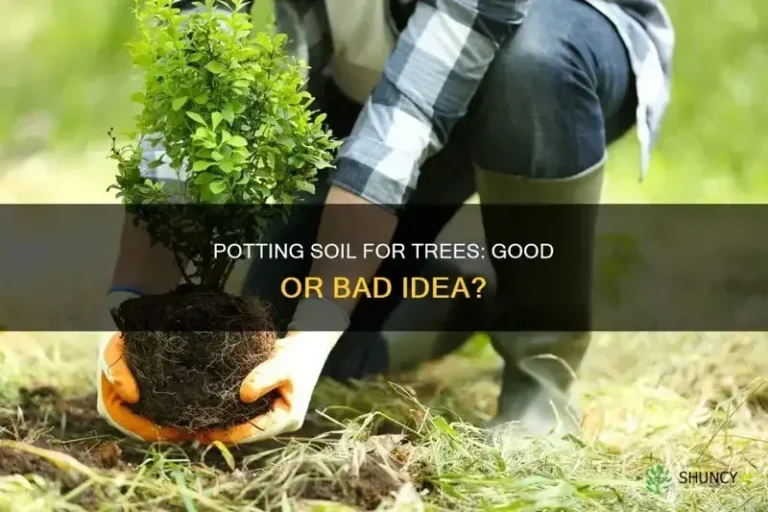
Trees and ornamental plants in containers have their own needs, too. A potted maple needs a mix suited to container growing, while ornamental grasses may need a different balance of water retention and drainage; lawn soil isn’t a shortcut for either. For a maple, compare potting soil for maple trees, and for a container-grown grass, check the needs of ornamental grasses in pots.
Use the product label as your final check, especially if a mix includes fertilizer or is sold for a specific plant. A bag that works for a flower pot isn’t automatically right for grass seed, a tree, or a whole lawn.
FAQs About Lawn Soil vs Potting Soil
Can I mix potting soil with lawn soil?
Yes, a small amount can be mixed into a lawn repair, but the blend should still match the surrounding ground and remain suitable for grass. Check both product labels before mixing, especially if either product contains fertilizer. A large share of fluffy potting mix can change how the patch holds water and settles.
Is topsoil the same as lawn soil?
No, topsoil and lawn soil aren’t automatically the same product. Topsoil is a broad product name, while lawn soil is marketed for lawn use; ingredients and texture vary by bag. Read the label to confirm its intended use, and avoid assuming that any material called “soil” will suit your lawn.
Can I use lawn soil in a raised bed?
Sometimes, but lawn soil may be too dense for a raised bed, depending on the product and what you plan to grow. Raised beds need a growing medium that drains well while holding enough moisture for roots. Check the product label and the crop’s needs before filling the bed.
Should I put potting soil over grass seed?
Usually, a lawn-appropriate soil or seed-starting product is a safer pick for covering grass seed. Potting soil may work in a small spot, but loose material can shift or dry quickly. Follow the seed package directions for how much cover to use, since too much can prevent seedlings from emerging.
Why does potting soil dry out so fast outside?
Potting soil can dry quickly when it’s exposed to wind and sun, especially in a small or shallow container. Container size, drainage, plant roots, and the mix’s ingredients all affect how often watering is needed. Check moisture in the mix itself rather than judging by the dry-looking surface alone.
Can lawn soil damage plants in pots?
Yes, lawn soil can cause trouble in pots if it compacts or drains poorly around the roots. Container roots have limited space, so dense material may leave them with too little air or hold excess water. Use a mix labeled for containers and make sure the pot has working drainage holes.
Choose Soil by Where the Roots Grow
The simplest way to choose is to start with the growing space: lawn soil for grass rooted in the ground, potting soil for plants rooted in containers. That distinction saves you from trying to fix a drainage or settling problem with a bag that was built for a different job.
I’d use a lawn-labeled product for seeding, patching, or blending a thin layer into the yard, and I’d keep potting mix for containers. A small repair can tolerate some flexibility, but a large lawn application deserves a product made for the ground.
Before you open a bag, read the label and check the area you’re fixing. That quick pause is far easier than raking a loose, soggy layer back off the grass later.

I’m Maya L. Greenwood, a lifelong plant lover who believes anyone can grow something beautiful with the right guidance. After years of testing soil mixes, pruning methods, irrigation tricks, and pest-safe solutions, I started EasyGardenTips.com to turn hard-won lessons into step-by-step advice. From seed starting and container gardens to composting and seasonal checklists, my goal is to make gardening simple, sustainable, and fun.
One Comment