How to Keep Soil Healthy in Pots: Simple Habits for Strong Plants
Keep potting soil healthy by starting with a loose, well-draining mix, watering when the plant needs it, feeding lightly, and refreshing the mix when it breaks down. Healthy container soil holds enough water and nutrients for roots while leaving air space and a clear path for extra water to drain.
Have you had a plant go limp even though its pot feels wet, or found water running straight through a dry-looking root ball? Those problems often come from the mix, the watering pattern, or both.
I once kept adding water to a potted plant because its leaves looked thirsty, only to find the mix stayed soggy for days. The roots had little room to breathe, and I had to replace the mix and trim away damaged roots. It’s a common mistake, not a dumb one.
I wrote this to help you care for the soil along with the plant, whether you have one windowsill herb or a patio full of containers. You’ll get simple habits that fit ordinary schedules, plus ways to tell when a pot needs more than another splash of water.
Get the soil right and you can avoid sour smells, crusty surfaces, weak growth, and wasted fertilizer. Skip the basics, and roots can struggle even when you’re doing your best to care for the leaves.
This takes about 10 minutes to read, and you’ll come away knowing how to:
- Pick a mix that suits the plant and its pot.
- Water and feed without keeping roots soggy or hungry.
- Refresh old mix and spot problems before they spread.
- Decide when potting soil can be reused.
How to Keep Soil Healthy in Pots
Healthy potting soil balances water, air, and nutrients, so roots can grow without sitting in a swamp or drying into a brick. Start with a quality potting mix, use a pot with drainage holes, water based on the soil’s condition, and refresh the mix when it becomes compacted or depleted.
A garden bed and a container are different places for roots to live. Garden soil can pack tightly inside a pot, leaving too little air and making drainage unreliable, so use a mix made for containers instead.
- Choose a mix for the plant. Most foliage plants and annual flowers do well in a general container mix. Cacti, succulents, orchids, and some other plants need mixes with different drainage and air needs.
- Check the pot’s drainage. A container needs at least one open drainage hole so extra water can escape. A decorative outer pot can catch runoff, but empty it after watering.
- Water the root zone, not the calendar. Check the mix with a finger or a wooden stick, then water when the plant and mix are ready. Water slowly until some drains out, and don’t leave the pot standing in runoff.
- Feed when growth calls for it. Potting mixes vary in how much fertilizer they contain. Read the bag, then follow the product label rather than adding extra because a plant looks unhappy.
- Refresh the mix when its structure fails. If water pools on top, runs down the gap by the pot wall, or the mix stays dense and soggy, check the roots and consider repotting.
A healthy mix usually feels loose and slightly springy rather than heavy, sticky, or dusty. For a plant in a 6-inch pot, checking the top inch or two can give you a useful starting point, but moisture needs vary with the plant, room temperature, light, and pot material.
New to containers? Following sound potting soil use steps helps prevent common setup mistakes, such as packing mix down hard and blocking the small air spaces roots need.
Pro Tip: Water slowly in two passes if a dry root ball sheds water right away. The first pass moistens the mix; the second gives it time to absorb more evenly.
The goal isn’t to keep every pot damp all the time. Roots need both moisture and oxygen, and a pot that stays saturated can turn a small watering mistake into a bigger root problem.
Choose and Maintain a Mix That Fits the Plant
The right potting mix is one that supports the plant’s roots and suits your growing conditions, not a magic blend that works for every container. Look at the plant type, pot size, indoor or outdoor location, and how quickly the mix dries before you buy or amend anything.
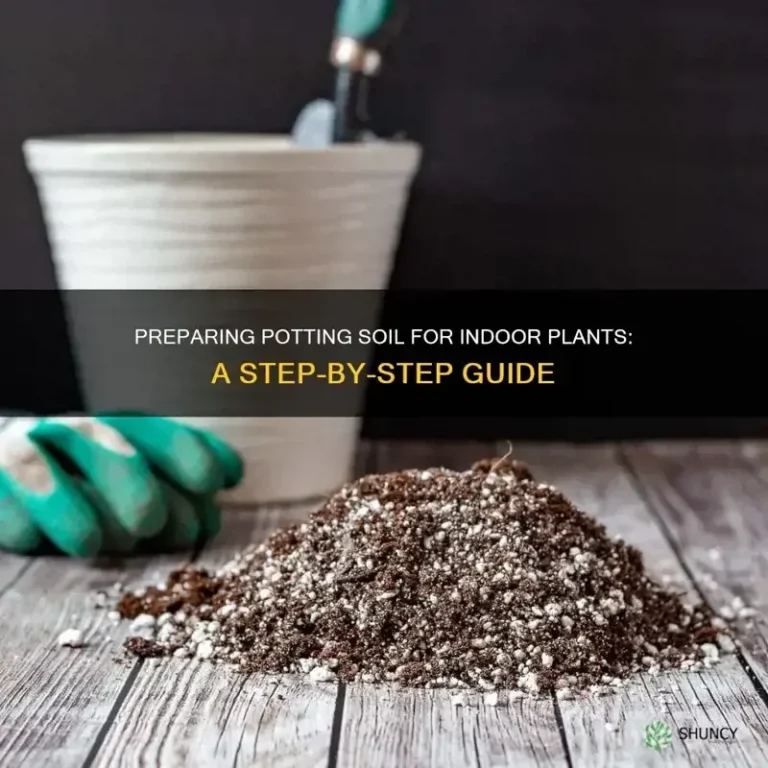
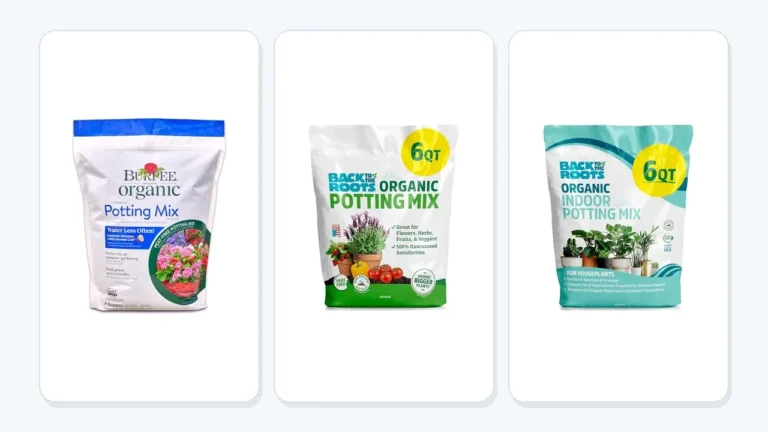
Organic matter such as peat, coir, compost, or bark helps hold water and nutrients, while ingredients such as perlite and pumice create larger air spaces. The balance differs by product, so check the bag for the intended plants instead of choosing by appearance alone.
| Plant or situation | What the mix should do | What to check |
|---|---|---|
| Most houseplants and flowers | Hold some moisture while draining freely | General container or houseplant mix |
| Cacti and many succulents | Dry faster and leave ample air around roots | A mix labeled for cactus or succulents |
| Herbs and vegetables | Support steady moisture and active growth | A container mix labeled for edible plants |
| Pots that stay wet too long | Drain and aerate more readily | Whether the mix is compacted or the pot lacks drainage |
| Pots that dry too fast | Hold moisture longer without becoming waterlogged | Pot size, material, light, and wind exposure |
When comparing soil for potted plants, start with the plant’s needs and your watering habits. A fast-drying mix can suit someone who tends to overwater, while a very airy mix may need more frequent checks in a hot, windy spot.
People often ask if they can just scoop dirt from the yard into a planter. Don’t use ordinary garden soil as the main potting medium; it can compact in a container, and it may bring weed seeds or pests along for the ride.
For vegetables, the mix should support both roots and regular watering through active growth. If you’re deciding on potting soil for container vegetables, pick a product intended for edible plants and follow its label for feeding and any crop-specific guidance.
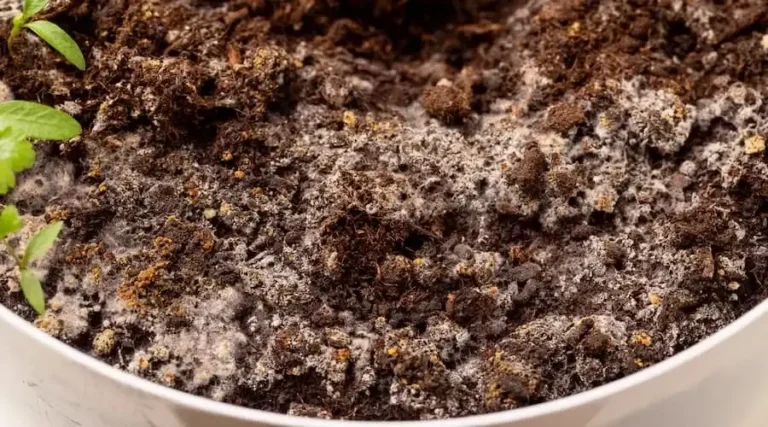
I once tried to stretch a partly used bag of mix by breaking up hard clumps and using it without checking its texture. The pot drained unevenly, and the surface dried while the lower mix stayed heavy. Since then, I check a bag for a stale or sour smell, clumping, pests, and signs of poor drainage before using it.
Don’t add a thick layer of gravel to the bottom of a pot to “fix” drainage. That doesn’t replace an open drain hole or a suitable mix, and it takes away room the roots could use.
Important Tip: If you change a mix, change one thing at a time. A plant that suddenly wilts after repotting may be reacting to root disturbance, different moisture retention, or a change in light, and you’ll have a harder time finding the cause if everything changes at once.
Pots and mixes affect the watering routine, too. Terracotta loses moisture through its sides faster than plastic, and a small pot can dry sooner than a large one, so the same watering schedule won’t suit every container.
For more consistent moisture, learn the plant’s rhythm rather than trying to keep every pot wet. These ways to keep potting mix moist can help with containers that dry too quickly, but moisture-holding changes shouldn’t leave roots sitting in stagnant water.
Water, Feed, and Refresh Without Harming Roots
Watering and feeding work best when you respond to the plant and its soil instead of following a rigid weekly routine. Check moisture, water thoroughly when needed, let extra water drain, and use fertilizer according to the product label and the plant’s growth.
A root zone is the part of the mix where the plant’s roots take up water and nutrients. Watering just the surface can leave the deeper roots dry, while repeated small splashes can keep the top damp without wetting the whole root ball.
- Feel the mix an inch or two below the surface, or use a wooden stick to check deeper in the pot.
- Water slowly over the surface until water drains from the bottom.
- Empty any saucer or cachepot that holds standing water.
- Recheck sooner in warm, bright, or windy conditions, and less often when growth slows.
A dry root ball can become hydrophobic, which means it repels water instead of absorbing it readily. If water races down the pot wall and out the drain hole while the center stays dry, water in several slow passes and allow time between passes for the mix to take it up.
A white crust on the surface or pot rim can come from mineral salts in water or fertilizer. Scrape away a small amount of crust, flush the mix with water if the pot drains freely, and ease back on fertilizer; if the plant is declining or the buildup keeps returning, replacing the mix may be the better call.
Fertilizer supplies nutrients, but more isn’t better. Too much can injure roots or leave salts behind, and a plant with damaged roots may not recover just because you add food.
Before you reuse old soil, check why the plant left it behind. Healthy mix from a pest-free, disease-free plant can sometimes be reused in a different container, but avoid reusing mix from a plant with root rot, serious pests, or an unexplained decline.
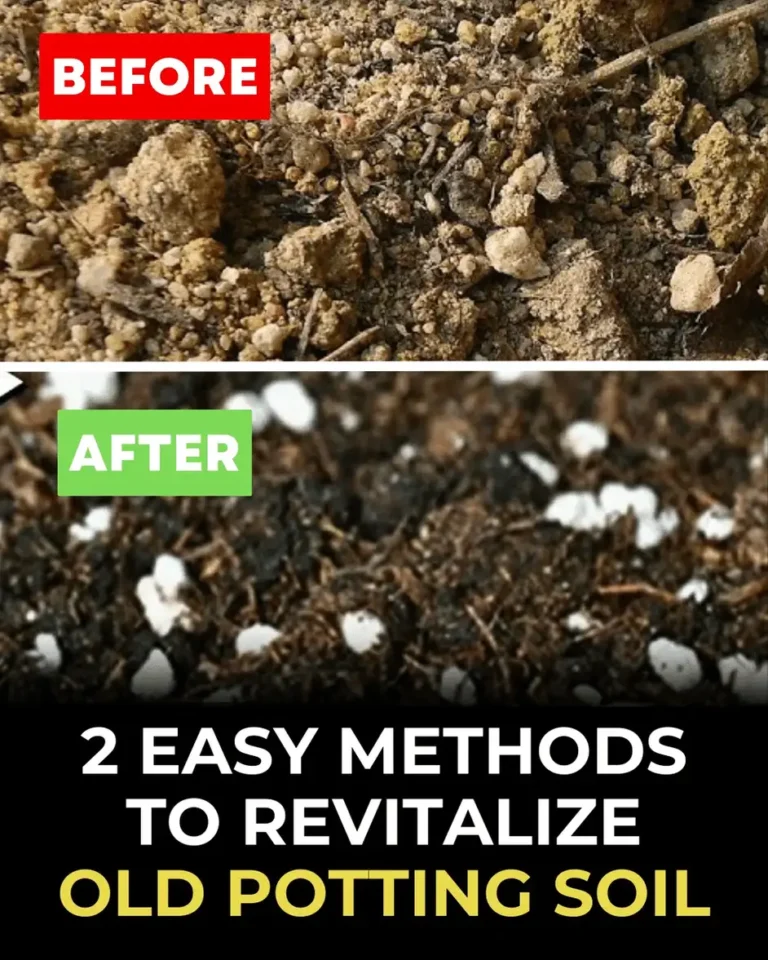
Most potting mix loses structure over time as organic ingredients break down. Roots also fill the container, so a plant that dries unusually fast, becomes root-bound, or stops growing may need fresh mix and a larger pot rather than extra fertilizer.
What if soil spills out every time you water? Check that the mix isn’t piled above the rim and that the water isn’t hitting the surface too hard; a suitable screen over a drainage hole can help hold mix in without blocking runoff. These drainage fixes for loose soil address that problem without sealing the pot’s outlet.
When you repot, use a clean container with drainage and fresh mix suited to the plant. Loosen tightly circling roots gently, set the plant at its previous depth, and fill around the root ball without crushing the mix into a hard plug.
Pro Tip: A pot feels heavier after watering and lighter as it dries. Once you’ve checked the mix with a finger, noticing that weight change can help you judge when to check again.
FAQs About How to Keep Soil Healthy in Pots
How often should I replace potting soil?
There’s no single replacement schedule for every pot. Replace or refresh mix when it has broken down, drains poorly, smells sour, shows salt buildup that won’t clear, or comes from a plant with a serious pest or root disease problem. A healthy plant in a stable mix may not need a full soil change each year.
Can I reuse potting soil from last year?
Yes, if the mix came from a healthy, pest-free plant and still drains well. Remove old roots and debris, then check for compacted texture, sour odor, and salt crust. Don’t reuse soil from plants affected by root rot or serious pests, since the old mix may carry problems into a new pot.
Should potting soil stay moist all the time?
No. Most container plants need moisture, but their roots also need air, so permanently wet mix can cause trouble. Check below the surface and water when the plant’s needs and the mix’s condition call for it.
Cacti and succulents generally need longer drying periods than many leafy houseplants.
Why does water run through my potting soil so quickly?
Very dry mix may repel water, or the soil may have shrunk away from the pot’s sides. Water slowly in a few passes and let each pass soak in. If water still drains unevenly, inspect the root ball and mix; compacted or broken-down soil may need replacement.
Can I mix compost into potting soil?
You can add compost in modest amounts if it suits the plant and the container mix, but compost alone isn’t a substitute for potting mix. Too much can make a container heavy or hold excess moisture. Check the compost quality and the plant’s needs, and avoid adding unknown or unfinished material to indoor pots.
Do all potted plants need fertilizer?
No. Nutrient needs depend on the plant, the mix, and whether the mix already contains fertilizer. Follow the potting-mix and fertilizer labels, and feed only when appropriate for active growth.
Pale leaves can have causes besides low nutrients, so check light, watering, and root health before adding more.
Make the Next Pot Easier to Care For
Healthy potting soil isn’t a complicated recipe. It’s a mix that fits the plant, a pot that drains, and a watering routine guided by what’s happening in the container rather than by the day of the week.
I’d start with the pot that gives you the most trouble. Check for an open drain hole, feel the mix below the surface, and look for a sour smell or hard, compacted texture. Those clues can tell you whether the plant needs a watering adjustment, fresh mix, or a better-fitting pot.
If you’re choosing soil for several containers, compare the plant labels and the mix’s intended use before buying a stack of bags. A small, thoughtful change is easier to judge than a handful of fixes made all at once. Begin with one pot, give it the care its roots actually need, and let the results guide the next one.

I’m Maya L. Greenwood, a lifelong plant lover who believes anyone can grow something beautiful with the right guidance. After years of testing soil mixes, pruning methods, irrigation tricks, and pest-safe solutions, I started EasyGardenTips.com to turn hard-won lessons into step-by-step advice. From seed starting and container gardens to composting and seasonal checklists, my goal is to make gardening simple, sustainable, and fun.