Miracle-Gro Potting Soil vs Moisture Control: Which Wins for You?
Standard Miracle-Gro Potting Mix is the better fit if you water regularly and want a familiar all-purpose container mix. Moisture Control is made to hold water longer, which can help if pots dry out between waterings, but it can stay too wet in poorly draining containers.
Do your patio pots turn bone-dry by lunchtime, or do you worry that an extra splash will leave roots sitting in soggy soil? Those are different problems, and the right bag depends on which one you’re actually trying to solve.
I once used a moisture-retaining mix in a large planter that didn’t drain as freely as I thought. The surface looked fine, but the lower soil stayed damp, and I had to change my watering routine to get the plants back on track. That’s a common mistake, not a dumb one.
I wrote this for anyone staring at two similar-looking bags and trying to avoid a frustrating, expensive guess. I’ll explain what the mixes are meant to do, how to choose for your plants and pots, and what to change if watering still feels off.
Choose well, and you can spend less time rescuing wilted plants or worrying about soggy roots. Choose poorly, and the same pot may dry too fast, stay wet too long, or make a simple watering routine feel like guesswork.
This takes about 10 minutes to read. By the end, you’ll be able to:
- Pick the mix that fits your watering habits and growing spot.
- Check a pot’s drainage before adding a moisture-retaining mix.
- Adjust watering and feeding without relying on the bag alone.
- Spot common signs of too much or too little water.
Miracle Gro Potting Soil vs Moisture Control: Which Mix Should You Choose?
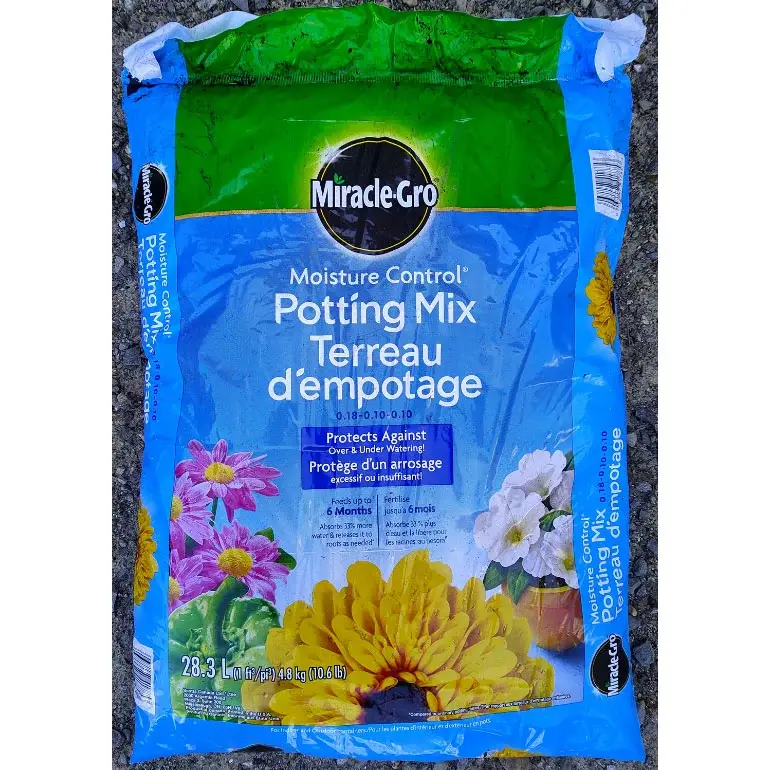
Standard Miracle-Gro Potting Mix suits gardeners who can water as needed, while Moisture Control is designed to retain water longer between waterings. Either can work for many container plants when the pot drains well, but no bag can make a waterlogged container safe for roots.
The key difference is water retention, not a promise that one mix fits every plant. Moisture Control can be useful for a hanging basket that dries quickly in afternoon sun; standard mix may be easier to manage for a planter that stays damp or for someone who checks pots often.
| What matters | Standard Miracle-Gro Potting Mix | Miracle-Gro Moisture Control |
|---|---|---|
| Main purpose | General container growing | Helps soil hold moisture longer |
| A reasonable fit | Pots that drain well and regular watering | Containers that dry quickly or get missed between waterings |
| Watch for | Drying faster in heat, wind, or small pots | Staying wet too long in a shaded or poorly draining pot |
| Best first check | Confirm the bag’s plant-food details | Confirm the pot drains and check soil moisture before watering |
| Formula details | Read the current ingredient and feeding label | Read the current ingredient and feeding label |
Bag formulas and package directions can change, so use the label in your hands for ingredients, feeding duration, and plant guidance. The names describe their intended difference, but they don’t replace checking how water moves through your actual pot.
To choose, work through these steps:
- Check the container. Make sure it has open drainage holes. A decorative pot with no drainage can trap water, no matter which mix you buy.
- Check the growing spot. Hot sun, wind, small containers, and hanging baskets can dry quickly. Shade, large pots, and cool weather can slow drying.
- Match the mix to your routine. If you can check plants and water when needed, standard mix is a straightforward starting point. If pots repeatedly dry before you can get to them, Moisture Control may help.
- Test one pot first. Fill a container and water it thoroughly. Check moisture below the surface before deciding the mix needs changing.
The word “potting soil” on a bag can be confusing. Potting mix is usually a blend made for containers, while garden soil is meant for in-ground beds and can become dense in a pot. If you’re comparing those bags too, the garden soil versus potting soil distinction can help you avoid buying a product for the wrong job.
What Moisture Control Changes in a Container
Moisture Control is meant to slow how quickly container mix dries, giving you a little more time between watering. It doesn’t water plants for you, and it won’t correct poor drainage or make every plant happy with consistently wet roots.
A container mix often includes materials that hold air and water around roots, such as peat-based components, coir, or perlite. The exact blend varies by product, so read the current bag rather than assuming every version uses the same ingredients.
A water-retaining ingredient absorbs or holds water within the mix. That can help during a hot, dry stretch, but a plant still needs a balance of moisture and air around its roots. When all the pore spaces stay filled with water, roots may struggle.
Would Moisture Control help if you forget to water now and then? It can give you more breathing room in a fast-drying pot, but it isn’t a substitute for checking the soil. A small herb pot in bright sun can still dry out quickly, while a big pot in a cool corner may stay damp for days.
Before trusting a moisture-retaining mix, check the pot’s drainage holes and the weight of the container after watering. Water should be able to leave the pot; a saucer should not hold a deep puddle for long. If you’re growing a plant that prefers drier conditions, be cautious and follow its care needs rather than the bag’s broad promise.
Pro Tip: Water when the plant and mix need it, not just because it’s your usual watering day. Push a finger into the top inch or two of mix, then check the plant’s care needs and the pot’s weight before adding more.
How to Match the Mix to Your Plants and Routine
Choose based on how quickly your pot dries, how often you can check it, and whether the plant prefers even moisture or a drier cycle. Standard mix is a practical starting point for many common container plants; Moisture Control can suit containers that repeatedly dry too fast.
Consider the whole setup, not just the plant name. A tomato in a sunny, exposed pot may use water much faster than a houseplant in a cool room, even if both are growing in the same mix.
- Fast-drying containers: Moisture Control may help with baskets, small pots, and containers in hot sun, provided they drain freely.
- Frequently checked pots: Standard mix gives you direct control over watering and may suit a gardener who can respond to dry soil.
- Plants that dislike soggy roots: Prioritize drainage and careful watering. A moisture-retaining mix may be harder to manage in a cool or shaded spot.
- Seedlings and specialty plants: Follow the plant’s growing instructions. A general-purpose mix may not match every seed-starting or plant-specific need.
What if you’re away for a few days? Moisture Control may help a pot hold water longer, but the result depends on pot size, temperature, wind, plant size, and drainage. For a longer absence, a tested watering plan is safer than assuming a different bag will cover the gap.
I once tried to fix a quickly drying planter by changing the soil before checking how much sun and wind it caught. The location turned out to be the bigger issue, and moving the pot made watering much less of a scramble. A quick check of the growing spot can save you from blaming the mix for everything.
The container itself matters, too. Heavy mineral soil is usually a poor choice for pots because it can compact and limit air movement around roots; a purpose-made container mix is lighter and built for that setting. The difference between potting media and mineral soil matters most when you’re tempted to scoop garden dirt into a patio pot.
Read the Bag Before You Buy
Both mixes may include plant food, but the feeding details depend on the specific product and its current label. Check the ingredient list, directions, and stated feeding period before adding fertilizer, so you don’t accidentally feed plants twice.
The phrase starter fertilizer refers to nutrients added to help plants begin growing after potting. Some mixes also list plant food intended to feed for a stated period. Those details can differ across products and package updates, so the bag is the right source for the exact instructions.
If you prefer to manage nutrients yourself, compare the label with a mix that contains no added fertilizer. The potting soil without fertilizer option may suit gardeners who want to choose a separate feeding schedule, but it still needs to meet the plant’s drainage and texture needs.
Don’t add extra fertilizer just because a plant looks unhappy. Yellow leaves can have several causes, including watering trouble, poor light, or nutrient issues, and more fertilizer can make matters worse if the roots are already stressed.
Important Tip: If you’re repotting a plant that’s already struggling, keep the change simple. Use a container with drainage, follow the plant’s care needs, and avoid combining new soil, extra fertilizer, and a major change in light all at once.
Common Watering Problems and Practical Fixes
Wilting, yellowing, and persistently wet mix can point to watering trouble, but those signs don’t identify the cause by themselves. Check the soil below the surface, the drainage, and the plant’s light before changing the mix or reaching for fertilizer.
| What you notice | Possible cause | First practical check |
|---|---|---|
| Plant wilts and mix feels dry | The pot may be drying too quickly | Water thoroughly, then check how fast the pot dries |
| Leaves yellow and mix stays wet | Too much water or weak drainage may be involved | Empty standing water and inspect drainage holes |
| Water runs straight down the pot edge | Mix may have pulled away from the sides or become hard to wet | Water slowly in stages and check whether the center becomes moist |
| Growth looks weak after repotting | Light, roots, watering, or feeding may be off | Check care conditions before adding fertilizer |
A dry surface doesn’t always mean the root area is dry. In a large planter, the top inch can feel dusty while deeper mix remains moist, so check below the surface before watering again.
If water runs straight through, don’t immediately assume the mix needs replacing. Water slowly in a couple of passes and allow the mix time to absorb it; if the center stays dry or water continues to bypass the soil, the mix may need rewetting or replacement.
For a heavy container that’s difficult to move, a lighter blend may help make routine care easier. The lightweight potting soil options are worth comparing when lifting and shifting pots is part of your regular garden routine.
A good potting mix should also feel right for the plant and container, not just hold water. If you’re sorting through different textures and ingredients, a broader potting soil comparison can help you compare container mixes for your growing needs.
How to Switch Mixes Without Stressing Plants
You can switch mixes when the current one repeatedly stays too wet or dries too fast, but first rule out a blocked drain, poor placement, or an unsuitable pot. A change in soil can help, though it won’t fix every watering problem on its own.
For a healthy plant, make the change during repotting rather than disturbing its roots repeatedly. Choose a pot with drainage and one size that gives roots room without leaving a large volume of wet mix around a small root ball.
- Read the new bag’s directions and check its plant-food details.
- Remove the plant gently and loosen only mix that comes away without force.
- Set the plant at its former depth and fill around the root ball.
- Water according to the plant’s needs, then check how quickly the pot drains and dries.
- Adjust the watering schedule based on those checks, not on a fixed calendar.
Don’t switch a stressed plant into a new mix and immediately add fertilizer unless the product directions call for it. Stacking changes makes it harder to tell what helped, and tender roots don’t need extra surprises.
In my view, changing one thing at a time is the least frustrating way to troubleshoot. If the plant’s still struggling after you fix drainage and watering, then check light, roots, and feeding rather than buying another bag on impulse.
Key Takeaways:
- Standard mix is a sensible starting point when you can check pots and water as needed.
- Moisture Control can help a fast-drying pot, but the container still needs open drainage.
- The bag label and the plant’s care needs matter more than the product name alone.
- Check moisture below the surface before watering again.
FAQs About Miracle Gro Potting Soil vs Moisture Control
Is Moisture Control potting mix good for all plants?
No, Moisture Control isn’t the best fit for every plant. The mix is designed to hold moisture longer, which may suit containers that dry quickly, but plants that prefer drier conditions can be harder to manage in it. Check the plant’s care needs, pot drainage, and the current bag label.
Can I use Miracle-Gro Moisture Control in outdoor pots?
Yes, you can use Moisture Control in outdoor pots that drain freely. Sun, wind, pot size, and rainfall affect how quickly the mix dries, so check soil moisture before watering after rain. A pot without drainage can hold excess water, even outdoors.
Should I add fertilizer to Miracle-Gro potting mix?
Check the specific bag before adding fertilizer. Some products include plant food, and the label describes how and when to feed. Adding more without checking may give the plant more nutrients than it needs, especially soon after potting.
Can I mix standard potting mix with Moisture Control?
Yes, you can combine the two mixes, but the result won’t have a fixed or guaranteed water-retention level. The proportion, ingredients, and container all matter. If you’re experimenting, test a small pot first and monitor how quickly it dries before using the blend across every planter.
How often should I water plants in Moisture Control?
There isn’t one watering interval that fits every pot. Check the mix below the surface and account for the plant, container, light, temperature, and weather. Water when the plant’s needs and soil condition call for it, not just because a certain number of days has passed.
Choose the Bag That Fits Your Actual Pot
For most gardeners, the better bag is the one that matches the pot’s drainage, the plant’s moisture needs, and the time you can give it. Standard mix offers a straightforward option when you can check plants regularly; Moisture Control can help when containers dry out too quickly, but it still calls for sensible watering.
My preference is to start with the simpler mix that suits the plant and fix the setup before expecting special soil to solve everything. A shaded, poorly draining pot won’t become trouble-free just because the bag promises longer moisture retention.
Before buying, check the container’s drainage holes, read the product label, and think about how the pot behaves where it grows. That quick check is the clearest next step, and it can save you a lot of guesswork once the leaves start telling you how the mix is working.

I’m Maya L. Greenwood, a lifelong plant lover who believes anyone can grow something beautiful with the right guidance. After years of testing soil mixes, pruning methods, irrigation tricks, and pest-safe solutions, I started EasyGardenTips.com to turn hard-won lessons into step-by-step advice. From seed starting and container gardens to composting and seasonal checklists, my goal is to make gardening simple, sustainable, and fun.