Getell Leaf Blower Review: Features, Pros, Cons, and Buyer Advice
The Getell 63CC Gas Backpack Leaf Blower is a gas-powered yard tool for homeowners with enough lawn, driveway, or tree cover to make a handheld blower feel like a long workout. Its backpack harness carries the engine while you steer the air tube, so it’s aimed at bigger cleanup jobs rather than quick patio touch-ups.
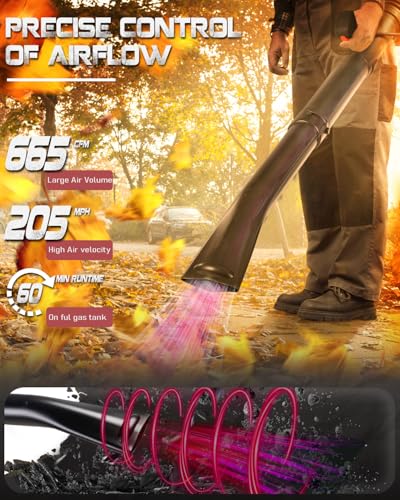
The listing specifies a 63cc, 3 HP, two-cycle engine, with airflow rated at 665 CFM and 205 MPH. That combination points toward moving substantial piles of leaves and debris without being tied to an outlet or waiting for a battery to recharge.
The trade-off is familiar with gas equipment: you’ll need to handle fuel, engine maintenance, noise, and the weight of a backpack unit. The advertised 21-pound weight is also worth considering before you assume the harness will make a long session comfortable.
Here’s what those specifications mean in everyday yard work, what the listing doesn’t tell you, and which buyers are most likely to be satisfied with this blower. I’ll also cover setup checks and situations where a lighter or more powerful alternative makes better sense.
63CC Gas Backpack Leaf Blower 665 CFM 205 MPH 21

Features and Specifications
The numbers give a useful starting point, but they don’t tell the whole story. Airflow, airspeed, engine size, carrying comfort, and fuel handling each matter in a different way.
- 63cc, 3 HP, two-cycle gas engine: The 63cc displacement and stated 3 HP output describe a sizable gas engine for yard cleanup. Gas power means there’s no extension cord to drag around or battery pack to recharge, though you’ll need to follow the manual’s fuel and maintenance instructions.
- 665 CFM airflow: CFM means cubic feet per minute, a measure of how much air the blower moves. This rating is relevant when you want to gather broad piles of leaves across a lawn or push debris along a driveway.
- 205 MPH airspeed: MPH describes the speed of the air leaving the blower, which helps move stubborn debris. Airspeed and airflow work together; a high number by itself doesn’t guarantee a particular result on every surface or type of debris.
- 21-pound listed weight: That’s the weight you’ll carry on your back, rather than hold entirely in your arms. It’s still a meaningful load, so fit, posture, and how long you work matter.
- 1.7-liter fuel tank: The tank holds the fuel for operation, but the listing doesn’t provide a runtime estimate. Actual time between fill-ups depends on how the blower is run and other operating conditions.
- Cruise control and adjustable speed: These controls let you maintain a chosen throttle setting instead of continuously squeezing a trigger. That can help when you’re clearing a long stretch at a steady pace, while adjustable output helps avoid using full force on every surface.
- Two-stage air filter with tool-free access: The filter is intended to keep debris away from the engine, and access without tools makes routine inspection and cleaning simpler. It still needs regular attention according to the manual.
- Padded adjustable straps, vibration reduction, and cooling ventilation: These features are intended to make carrying the engine more manageable. They don’t remove the weight or guarantee a comfortable fit for every body type.
- Adjustable tube length: The tube can be adjusted to suit reach and working position. That may help when directing air along fence lines or beneath a deck, but the listing doesn’t provide the adjustment range.
The listing also says startup generally takes three to eight pulls. Treat that as a stated expectation, not a promise: starting can vary with setup, fuel, temperature, and maintenance. The product details don’t specify noise level, fuel consumption, emissions information, or a fuel-mix ratio, so check the manual and applicable local rules before operating it.
Everyday Use and Performance
For a property with mature trees, a long driveway, and leaves that collect in several corners, the backpack format has a practical appeal. You can carry the engine while guiding the tube toward the work, rather than supporting the entire tool with one arm. The 665 CFM and 205 MPH ratings suggest it’s intended for more than feather-light dusting.

Those ratings don’t mean every wet leaf will lift cleanly or that you’ll finish a yard in a certain number of minutes. Damp, matted leaves can cling to grass, and airflow can scatter small debris if you point the tube carelessly. A sensible expectation is that the blower can help gather and shift heavier cleanup material, while technique and repeated passes may still be part of the job.
On lawns and garden beds: Adjustable speed can be useful when you want a gentler stream around mulch, gravel, or delicate plantings. Start at a lower setting and direct the air away from loose material; a powerful blower can move things you meant to leave in place.
On driveways and paths: Cruise control may reduce the need to hold a trigger continuously during a long, consistent pass. The backpack setup also keeps the engine’s weight off your hand, though you’ll still be managing the tube and the load on your back.
For larger properties: A 1.7-liter tank and gas engine may suit work that takes longer than a small battery’s run time, but the tank size alone doesn’t establish how long this model runs. If your main concern is avoiding refills, ask the seller or consult the manual for an actual consumption or runtime figure before buying.
Think about where you’ll use it, too. Gas equipment is louder and requires more care than a simple corded or battery blower, and the listing provides no decibel rating to help you compare. Ear protection and eye protection are sensible for blower work, especially when dry debris can become airborne; follow the safety instructions supplied with the machine.
Design, Fit, and Setup
The unit’s backpack arrangement shifts the engine onto a padded harness, leaving the operator to direct the blower tube. That can be easier on the wrist than carrying a comparably powerful handheld tool, but comfort depends on how the straps sit and whether the blower’s 21-pound listed weight feels manageable to you.
Before buying, check the harness adjustment details and return terms, particularly if you’re shorter or taller than average or expect to wear bulky work clothes. The listing identifies adjustable padded straps and ventilation, but it doesn’t provide harness measurements or a fit range. Those omissions make a hands-on fit check valuable when one is available.
Plan for the usual setup considerations of a two-cycle gas engine. You’ll need the correct fuel preparation and operating procedure; the listing doesn’t state the required fuel-to-oil ratio, so don’t guess. Confirm the manual’s instructions, use fresh fuel as directed, and store fuel safely away from living spaces and ignition sources.
The two-stage filter and tool-free access are helpful design choices for routine care, not a reason to ignore maintenance. Inspect the filter as directed, keep the intake area clear, and use the manual’s cleaning guidance. A dirty or incorrectly serviced filter can interfere with engine operation, so check what upkeep the manufacturer calls for before the first season.
Tube adjustment is another practical detail to verify during assembly. Set the length so the outlet reaches the ground comfortably without forcing you to hunch or hold the nozzle awkwardly. The product listing doesn’t give tube dimensions or explain the adjustment range, so buyers with specific reach needs should confirm those details with the seller.
What Works Well (pros)
- Gas power supports longer jobs without a charging break. It suits yards where an outlet is inconvenient or a small battery blower might require a pause.
- The airflow and airspeed ratings target substantial cleanup. At 665 CFM and 205 MPH, the stated output is aimed at moving more than a few scattered dry leaves.
- Backpack carrying keeps the engine off your hand. Padded, adjustable straps and vibration reduction are intended to make extended work less punishing than holding the engine in your arms.
- Cruise control can ease repetitive throttle holding. Maintaining a steady setting may be more comfortable on long, uniform passes than continuously squeezing a control.
- Tool-free filter access simplifies a routine check. Easier access can make it less of a chore to inspect the filter as part of seasonal maintenance.
Where It Falls Short (cons)
- It’s still a 21-pound machine. A harness distributes that load but doesn’t make it disappear. Buyers with back, shoulder, or balance limitations should consider a lighter handheld blower or a lower-weight backpack model.
- Gas operation adds work before and after blowing. Fuel preparation, storage, and engine upkeep are part of ownership. If you want a tool that starts with a button and needs little seasonal attention, a battery model may fit better.
- Important buying details aren’t provided in the listing. There’s no stated runtime, noise rating, fuel-mix ratio, or tube-adjustment range. That makes it harder to compare total operating convenience without checking the manual or asking the seller.
- The listed startup range isn’t a guarantee. Three to eight pulls is the advertised expectation, but actual starts can depend on conditions and correct setup. Anyone who needs consistently simple starting should weigh that uncertainty against an electric alternative.
Who Should Buy It?
This Getell is worth considering if you have a medium-to-large property, a steady supply of leaves, and places where an extension cord would be a nuisance. It’s particularly relevant when the job includes long runs of lawn edge, driveway, or path and you’d rather carry the engine on a harness than hold it in your hand.
It may also suit someone who already understands basic gas-equipment care and is comfortable following a two-cycle engine’s fuel instructions. Cruise control, adjustable speed, and the adjustable tube give you useful ways to tailor the tool to a task, though they don’t replace good technique.
Before ordering, check the return policy, harness fit, assembly requirements, and manual availability. Confirm the correct fuel mixture and maintenance schedule, and look for noise information if you work near neighbors or have local restrictions. If runtime matters, get a specific figure rather than estimating from the 1.7-liter tank alone.
Be realistic about the size of the job. If your cleanup is a few dry leaves on a small patio, a 63cc backpack blower is likely more equipment than you need. If you regularly move heavy debris across a large property, its gas format and listed output make more sense—provided the weight and upkeep are acceptable to you.
Who Should Skip It?
Skip this blower if you can’t comfortably carry a 21-pound backpack load, need a quiet tool for close neighbors, or don’t want to mix and maintain gas-engine fuel. A lightweight battery blower is a more sensible alternative for short, light-duty cleanup.
It may also be the wrong choice for a very large property where you want the strongest listed airflow available from this brand. The optional Getell 65CC model is specified at 850 CFM and 205 MPH, compared with this blower’s 665 CFM and 205 MPH. That higher stated airflow may be worth comparing for heavy, wide-area work, but its listing claims should be checked independently and don’t establish real-world performance.
Finally, pass if you need a confirmed noise level, a precise runtime estimate, or detailed fit dimensions before purchase and can’t get those answers. Those are reasonable requirements, especially for neighborhood use or a job with a tight schedule.
FAQs About 63CC Gas Backpack Leaf Blower 665 CFM 205 MPH 21
Is the Getell 63CC blower suitable for wet leaves?
Its listing describes 665 CFM and 205 MPH airflow for heavier debris, including wet leaves. Those specifications don’t guarantee that matted leaves will move in one pass; dampness, surface, and technique all affect the job.
How heavy is this backpack blower?
The listed weight is 21 pounds. The harness is designed to carry the blower on your back, but the load may still be tiring during long sessions or uncomfortable for someone with back or shoulder limitations.
How long does the 1.7-liter tank run?
The product details don’t provide a runtime estimate. Engine speed and working conditions affect fuel use, so ask the seller or consult the manual if time between refills is a deciding factor.
Does it use a gas-and-oil mix?
It has a two-cycle engine, so follow the manual’s fuel-preparation instructions. The listing doesn’t state a mix ratio; don’t rely on a ratio from another blower.
Is this blower easy to start?
The listing says startup takes three to eight pulls, but that’s not a guaranteed result. Correct setup, fuel, temperature, and maintenance can affect starting, so review the starting procedure before purchase.
Final Verdict: Is It Worth Buying?
The Getell 63CC Gas Backpack Leaf Blower makes the most sense for someone who needs gas-powered mobility, wants a backpack layout, and has enough recurring cleanup to justify engine maintenance. Its listed 665 CFM, 205 MPH, cruise control, and adjustable speed are useful features for varied yard work, while the padded harness and vibration reduction address the strain that comes with carrying a powerful blower.
The compromises are real: it weighs 21 pounds, requires gas-engine care, and lacks published runtime and noise figures in the supplied product details. The short version of this getell leaf blower review is straightforward: consider it for larger yards if you’re comfortable with those trade-offs, but choose a lighter battery blower for small jobs or a higher-airflow model if maximum stated output is your priority.

I’m Maya L. Greenwood, a lifelong plant lover who believes anyone can grow something beautiful with the right guidance. After years of testing soil mixes, pruning methods, irrigation tricks, and pest-safe solutions, I started EasyGardenTips.com to turn hard-won lessons into step-by-step advice. From seed starting and container gardens to composting and seasonal checklists, my goal is to make gardening simple, sustainable, and fun.