5 Best Cheap Grow Lights for Seedlings: Practical Buying Guide
This guide compares all five options by coverage, controls, installation, flexibility, and likely seed-starting use. It also explains how to position a light, avoid common beginner mistakes, keep the equipment clean, and match a fixture to the space you actually have. When comparing best cheap grow lights for seedlings, I look at how each option fits a real buying need, where it performs well, and which trade-offs matter.
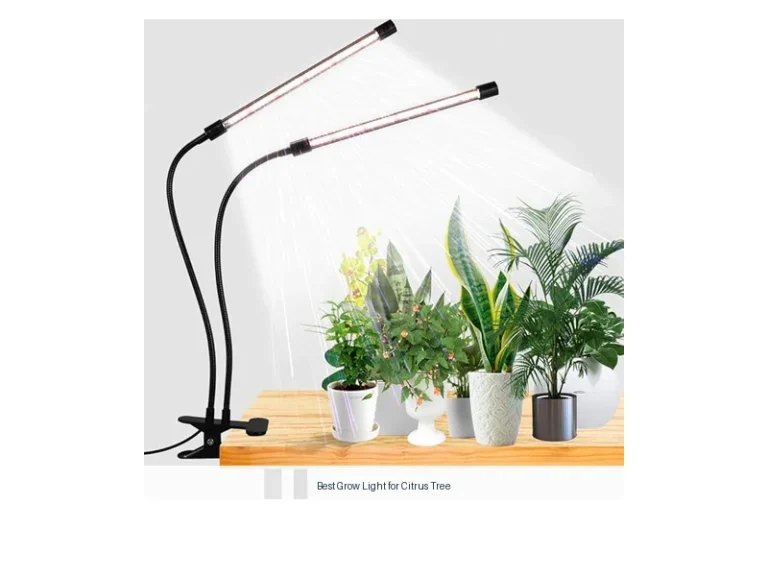
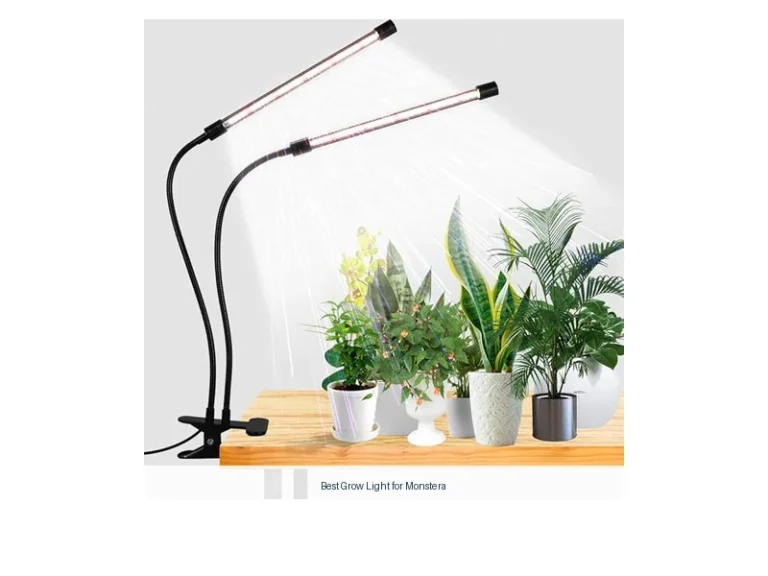
My first choice is GooingTop 6000K Full Spectrum Indoor Plant Growing Lamp. Its clamp and gooseneck work especially well beside a few trays, pots, or houseplants on a desk.
My second choice is yentbokj Five-Head Red. Finding the best cheap grow lights for seedlings can be harder than it sounds. A lamp may look bright to your eyes yet leave young plants stretching toward a window, while a larger fixture may offer more coverage than a small seed-starting shelf needs.
My third choice is Barrina T5 5000K Full-Spectrum One-Foot Grow Lights. The four one-foot fixtures can be switched separately, linked together, and mounted with the included clips, tapes, and cable ties for a tidy multi-light setup.
Below, I compare the selected best cheap grow lights for seedlings options, explain the strengths and trade-offs of each one, and cover the buying factors plus practical setup, use, compatibility, maintenance, longevity, safety, troubleshooting, storage, and common mistakes that matter before choosing.
Best Cheap Grow Lights for Seedlings
I selected these products for their relevance to indoor seed starting, practical light controls, installation options, and useful coverage differences. The ranking also considers available customer-feedback evidence, with ratings and customer-feedback volume supplied for each product, while keeping several form factors and brands in the comparison rather than choosing five nearly identical lamps.
| # | Image | Product | Price on Amazon |
|---|---|---|---|
| 1 |  |
GooingTop 6000K Full Spectrum Indoor Plant Growing Lamp | Check Price |
| 2 |  |
yentbokj Five-Head Red | Check Price |
| 3 |  |
Barrina T5 5000K Full-Spectrum One-Foot Grow Lights | Check Price |
| 4 |  |
Kullsinss 16-Inch Two-Bar | Check Price |
| 5 |  |
LBW 214-LED Full-Spectrum Desk Grow Light | Check Price |
GooingTop 6000K Full Spectrum Indoor Plant Growing Lamp
The GooingTop is a compact spotlight-style lamp with 10 red LEDs and 74 white LEDs, producing a 6000K white light intended to resemble strong midday daylight. Its color rendering index is listed as 95, so the light should look relatively natural in a living space rather than strongly purple or harshly blue.
For a beginner, the strongest advantage is the flexible installation. The sturdy clamp can attach to a desk, shelf, or nearby furniture, while the gooseneck rotates through a broad range of positions. That makes it easy to aim light down over a small seed tray or adjust the angle as plants grow. It is a better match for a few containers than for a long row of seedlings.
The built-in timer offers four-, eight-, and 12-hour cycles based on a 24-hour period. That reduces the need to remember a daily switch, although the available intervals are less finely adjustable than some competing models. It can run from USB or an AC power plug, which gives you more placement options. The lamp draws about 10 watts, and the supplied information estimates roughly $2 per month at 12 hours per day, though actual cost depends on local electricity rates.
Pros
- Flexible gooseneck and strong clamp make aiming simple.
- 6000K white light with red and white LEDs suits small indoor growing areas.
- Four-, eight-, and 12-hour timer choices reduce daily manual operation.
- USB or AC power provides useful placement flexibility.
- Includes a stated 365-day warranty and customer service support.
Cons
- One compact lamp may not cover a wide seed-starting tray evenly.
- Timer choices are less customizable than some multi-setting alternatives.
- Clamp mounting requires a suitable nearby edge.
My Opinion
This is the most approachable pick for a small indoor growing corner. Choose it when simple aiming, low power use, and a natural-looking white light matter more than covering several shelves at once.
yentbokj Five-Head Red
The yentbokj stands apart from the compact clamp lamps because it spreads light through five separate heads. Each flexible head can rotate 360 degrees, and the tripod adjusts from 15 to 63 inches. That range gives you room to start with low seedlings and raise the fixture as foliage develops without immediately buying another stand.
Its three spectrum modes—red plus blue, white, or a mixture of white, red, and blue—offer more control than a fixed-color lamp. Ten brightness levels, from 10% to 100%, are also useful when seedlings are tiny or when the light needs to serve larger plants later. Each head can be controlled independently, so you can direct light toward uneven areas instead of illuminating every position at maximum output.
The automatic timer supports four-, eight-, or 12-hour intervals and includes auto-on and auto-off operation. An inline controller makes adjustments accessible, but the number of settings can feel like more than a beginner needs. The aluminum shell and aviation-grade heat sink are intended to improve heat dissipation and support a stated lifespan of up to 50,000 hours. Even so, the tall tripod needs stable floor or shelf space and is less discreet than a clamp lamp.
Pros
- Five individually positionable heads can cover multiple plants or trays.
- Tripod height adjusts from 15 to 63 inches.
- Three spectrum modes and ten brightness levels provide broad control.
- Four-, eight-, and 12-hour automatic timing is convenient.
- Aluminum housing and heat-sink design support heat management.
Cons
- The tripod takes more room than a desk clamp or strip fixture.
- Its many controls may be excessive for a very small seed tray.
- Light coverage depends on how carefully the five heads are aimed.
My Opinion
This is the strongest alternative for a growing area that may expand. It suits gardeners who want adjustable coverage and height, provided they have a stable place for the tripod and do not mind a more visible setup.
Barrina T5 5000K Full-Spectrum One-Foot Grow Lights
Barrina’s T5 system takes a different approach: four separate one-foot light bars instead of one adjustable head. The 5000K white full-spectrum output is intended to provide a sunlight-style option for seedlings, vegetative growth, and flowering. Because the bars are short, they are particularly practical under a shelf, across a narrow rack, or above several small containers arranged in a row.
Each fixture has its own on/off switch, allowing you to run the lights separately or together according to the plants’ needs. The set uses 20 watts and 96 LEDs in total, and the supplied information states that it can replace a 120-watt general plant-light setup. Those figures describe electrical use and intended output, not a guarantee that every shelf will receive identical intensity, so placement still matters.
Installation is one of the main reasons to choose this kit. Clips, double-sided tape, and cable ties are included, and the bars can be linked in a series of up to 16 lights. The package includes two power cords with switches, three connecting cords, four small connectors, eight clips, 12 pieces of tape, and 12 cable ties. The lights are non-magnetic, and the instructions caution against mounting them on uncured plaster or dusty, greasy, rough surfaces. Plan the layout before attaching adhesive or clips.
Pros
- Four one-foot bars suit shelves and linear seedling arrangements.
- Separate switches allow flexible control of each fixture.
- Included mounting hardware supports several installation methods.
- Lights can be linked in series up to 16 fixtures.
- 5000K white light is comfortable for indoor use.
Cons
- Short bars may not cover a wide shelf without careful spacing.
- Adhesive mounting depends on a clean, suitable surface.
- The included power cords are not one independent cord per bar.
My Opinion
Barrina is the practical choice for an orderly shelf system. It offers more scalable installation than a single lamp, but it rewards buyers who are willing to plan cable routing and fixture spacing before setup.
Kullsinss 16-Inch Two-Bar
The Kullsinss kit includes two 16-inch light bars with 120 LEDs: 72 white, 36 warm white, and 12 red. The listed wavelength range is 380 to 800 nanometers, giving it a broad full-spectrum presentation that should look more like ordinary indoor lighting than a purely red-and-blue grow lamp.
A smart controller adds five dimming levels and three lighting modes: white, warm white and red, or mixed light. That combination lets you begin gently with small seedlings and increase brightness as plants develop. Its six-, 12-, and 16-hour timer options are also useful when your preferred daily schedule does not match the shorter intervals offered by some competing lamps.
These bars are suited to a plant stand, under-cabinet location, or a small greenhouse shelf. Screws, ties, and double-sided tape are supplied, so you can choose a more permanent installation or a less committed one. The 95-inch power cord gives useful reach around a shelf, although two bars still require thoughtful positioning if the growing area is wider than their combined length. Heat dissipation is part of the design, but the supplied data does not provide a precise operating temperature or light-intensity measurement.
Pros
- Two 16-inch bars provide useful shelf and under-cabinet coverage.
- Five brightness levels and three modes suit changing plant stages.
- Six-, 12-, and 16-hour timer choices offer scheduling flexibility.
- Includes screws, ties, and double-sided tape for installation.
- Long 95-inch power cord helps with less convenient outlets.
Cons
- Two bars may be insufficient for a broad or deep growing rack.
- More installation hardware means more planning than a simple clamp lamp.
- No supplied PPFD figure makes intensity at a particular distance difficult to predict.
My Opinion
This is a well-balanced strip-light option for someone who wants a cleaner shelf installation and more schedule control than a basic desk lamp offers. It is especially attractive when the 16-hour timer setting fits your routine.
LBW 214-LED Full-Spectrum Desk Grow Light
The LBW uses one broad light panel containing 214 LEDs and a listed 380–780 nanometer full-spectrum range. The 11-by-4.7-inch panel is larger than a narrow spotlight, so it can provide more uniform illumination over a compact group of seedlings when placed centrally above them.
A sturdy metal base keeps the unit on a desk or table, while the height adjusts from 10 to 26 inches. That gives beginners a straightforward way to raise the panel as plants grow. The anti-slip sponge pad should also help keep the base from shifting during ordinary adjustments. Because this is a desk fixture rather than a clamp or strip system, it needs clear flat space and is not the best fit for a crowded shelf with no room underneath.
The controls include three-, six-, and 12-hour automatic timing plus six dimming levels. Those settings make it easier to establish a consistent routine without leaving the lamp on continuously. Heat-dissipating holes and a patterned rear panel are intended to help manage warmth and extend the lighting system’s life. The supplied information does not state the fixture’s power draw or provide a measured coverage area, so buyers should treat it as a compact-to-moderate coverage lamp rather than assume it will replace several long bars.
Pros
- 214 LEDs and a broad panel support even light over a small area.
- Height adjusts from 10 to 26 inches.
- Six dimming levels accommodate different growth stages.
- Three-, six-, and 12-hour timer settings are simple to use.
- Metal base and anti-slip pad provide stable desktop placement.
Cons
- Requires a flat desk, table, or shelf for its base.
- One panel has less layout flexibility than several separate bars.
- Supplied information does not state wattage or a specific coverage measurement.
My Opinion
The LBW is a sensible middle ground for growers who want a broad desktop panel without building a full rack. It fits compact seed-starting stations best, especially when stable height adjustment matters.
How I Selected These Best Cheap Grow Lights for Seedlings
The selection focused on affordable-use practicality rather than brightness claims alone. I compared the supplied product information for spectrum, adjustable height or direction, timer choices, dimming, mounting, coverage style, power details, and likely fit for a beginner’s tray or shelf. The exact keyword best cheap grow lights for seedlings describes a use case, not one universal lamp size, so the list includes a clamp, tripod, bar lights, strips, and a desk panel.
Customer feedback was another useful signal where available. The products have supplied ratings ranging from 4.2 to 4.6 and customer-feedback volume from 1,290 to 22,171, but those numbers do not prove that every buyer has the same setup or expectations. I treated them as supporting evidence rather than a substitute for checking dimensions, controls, and installation requirements.
The most important comparison is coverage. A flexible single-head lamp can be excellent for one pot but frustrating over a full tray. Bar lights and multiple heads are usually easier to distribute across a row of seedlings.
Brand diversity also matters because shoppers may need different installation styles. GooingTop emphasizes a compact clamp lamp, yentbokj offers a tall multi-head stand, Barrina provides a linked T5 system, Kullsinss supplies two controlled strips, and LBW uses a stable desk panel. That variety makes the ranking more useful than comparing five versions of the same shape.
How to Choose the Best Cheap Grow Lights for Seedlings
Start by measuring the shelf or tray you want to illuminate, then choose the fixture that can cover that area without forcing seedlings to compete for light. When comparing the best cheap grow lights for seedlings, prioritize controllable placement and a repeatable schedule over a lamp that merely looks bright in a product photo.
- Match coverage to the tray: Use one clamp or desk panel for a small area and multiple bars or heads for a wider row.
- Check height adjustment: Seedlings and mature plants do not occupy the same vertical space.
- Prefer a timer: Automatic timing makes a consistent routine easier.
- Consider dimming: Adjustable brightness is useful when seedlings are young or the lamp sits close.
- Plan installation first: Verify that you have a suitable edge, flat surface, shelf underside, or mounting material.
Coverage and light placement
Coverage is determined by the size and shape of the light source, its distance from the plants, and how evenly you can distribute the beams. A single spotlight may create a bright center and dim edges. Five heads or several bars can spread light more evenly, but they also require more adjustment. For a tray, place the light as centrally as possible and watch the outer seedlings for leaning or stretched stems.
Spectrum and appearance
All five choices provide some form of full-spectrum or broad-spectrum white lighting, with red LEDs included in several designs. White light is often easier to live with in a home because it allows you to see leaf color naturally. Red-and-blue modes can be useful as an optional setting, but a beginner does not necessarily need to change spectrum repeatedly if a balanced white or mixed mode is working well.
Timers and daily consistency
Timer intervals differ: GooingTop and yentbokj offer four, eight, and 12 hours; Barrina uses physical switches rather than a stated automatic timer; Kullsinss offers six, 12, and 16 hours; and LBW offers three, six, and 12 hours. Select the control pattern that fits your routine. A simple timer you will use consistently is more practical than a complicated controller left on a random schedule.
Mounting and stability
Clamp lamps need a firm edge. Tripods need floor or shelf space and should not be placed where they can be knocked over. Strip lights work best when the mounting surface is clean and appropriate for tape, clips, screws, or ties. Desk panels need a stable, flat base. Before buying, look at the exact location and decide whether you can safely route the power cord without pulling on the lamp.
Setting Up a Seedling Grow Light
Begin with the light centered over the seedlings rather than off to one side. Set the height and brightness conservatively, then observe the plants for several days. If stems lean strongly toward the light, the coverage or position may be uneven; if leaves appear stressed or the growing medium dries unusually fast, increase the distance or reduce brightness where the controls allow it.
- Place the tray on a stable, level surface.
- Position the lamp so the main light reaches the full tray, not just the center.
- Secure clamps, tripods, clips, or adhesive mounts before connecting power.
- Set a timer and record the chosen schedule.
- Check cord routing so water cannot run toward an outlet or controller.
- Recheck the height as seedlings gain size.
For linked bars, decide which fixtures should switch together before connecting them. For multi-head lamps, aim each head at a different section instead of stacking all five beams on one plant. With a desk panel, keep the base outside the watering area and leave enough room to raise the panel without disturbing the tray.
How Far Should a Grow Light Be From Seedlings?
There is no single distance that applies to every lamp because these products differ in design, brightness control, and coverage. A useful starting point is to keep the light close enough to reduce stretching but not so close that the foliage receives excessive heat or harsh intensity. Use the adjustable height, dimming, or flexible neck to make small changes rather than moving the fixture dramatically.
Watch plant shape and color over time. Long, thin stems and a noticeable lean often indicate that the light is too weak, too far away, or poorly centered. Curling, bleached, or stressed-looking leaves can indicate that the lamp is too close or too intense for the current stage. These signs are not a substitute for a measured light reading, but they are useful beginner observations when the supplied product data does not include PPFD values.
Creating a Consistent Indoor Lighting Schedule
Seedlings benefit from regularity. Choose a timer interval that gives the plants a dependable light period and a dependable dark period, then avoid changing it every day. The exact schedule should account for the lamp’s placement, the plant variety, ambient daylight, and how quickly the growing medium dries.
Timer behavior is worth checking after installation. Some products use a cycle based on the time the setting is activated, so switching the power source off can interrupt the routine. Keep the controller accessible, especially on GooingTop, yentbokj, Kullsinss, and LBW units. If using Barrina’s manual switches, consider an appropriate external timer only if its electrical compatibility and safe use are clear; do not overload connections or improvise wiring.
Using Grow Lights in Small Spaces
Small apartments, offices, and kitchen shelves usually benefit from matching the lamp to the available footprint. GooingTop’s clamp is efficient where a table edge is available. LBW needs more surface area but provides a broad, centered panel. Barrina and Kullsinss can work beneath shelves or cabinets, while the yentbokj tripod is better where vertical floor or stand space is not a problem.
Reflective walls or a light-colored backing can help keep illumination from disappearing into a dark corner, but do not block ventilation openings or press materials against a warm fixture. Keep water, mist, and damp seed-starting equipment separated from plugs, controllers, and power connections.
Cleaning and Maintenance
Dust can collect on LED covers, bars, and heat-dissipation openings. Disconnect the light before cleaning, allow it to cool, and wipe accessible surfaces with a soft, dry cloth. Do not spray cleaner directly onto a fixture, controller, plug, or power connection. For strip lights mounted with adhesive, clean around—not through—the installation unless the light has been safely removed.
Inspect clamps, tripod joints, screws, clips, and cable ties occasionally. A loose head can change the light pattern, while a sagging bar may fall onto plants. Replace stretched or damaged ties and stop using any cord with exposed conductors, crushed insulation, or a loose connection. The stated warranty for GooingTop is 365 days; for other products, check the seller’s current support terms rather than assuming identical coverage.
Making the Setup Last Longer
Good placement protects both the lamp and the plants. Leave ventilation openings unobstructed, keep fixtures away from splashing water, and avoid forcing flexible necks or tripod joints beyond their normal range. Do not attach adhesive mounts to dusty, greasy, rough, or uncured surfaces; Barrina specifically cautions against those conditions.
Use the lowest brightness that keeps seedlings growing compactly, when dimming is available. This can reduce unnecessary heat and power use, although the exact savings depend on the fixture. When a growing season ends, remove loose soil and plant debris, disconnect the light, and store removable parts where cords will not be sharply bent.
Common Mistakes with Cheap Seedling Lights
Most disappointing results come from mismatched coverage or inconsistent use, not from choosing the least expensive fixture. A lamp can be well suited to one pot and completely inadequate for a large tray.
- Using one small spotlight over a wide tray: Center and edge seedlings may receive very different illumination.
- Placing the lamp far above the plants: Light intensity falls as distance increases, even when the lamp still looks bright.
- Ignoring plant height: Recheck the position as seedlings grow instead of leaving a fixed setup untouched.
- Relying on appearance alone: A purple or intensely bright lamp is not automatically the best match.
- Skipping cord safety: Keep water away from plugs, controllers, and connections.
- Mounting without checking the surface: Tape and clips cannot compensate for a dirty or unsuitable mounting area.
- Changing the schedule constantly: Use a repeatable timer routine and make changes gradually.
Do not judge a fixture only by LED count. Coverage, placement, adjustability, and consistent operation determine whether those LEDs are useful to the entire seedling tray.
When to Choose Bars, Strips, a Tripod, or a Desk Panel
Choose a clamp lamp when the growing area is small and you need quick directional adjustment. A tripod makes more sense when plants are spread out or likely to grow taller. Bar lights are the natural fit for shelves because they can be mounted in a line and expanded, while two-bar strips suit a compact rack or under-cabinet location. A desk panel is convenient when you want one stable fixture above a small group of plants.
Think about future use as well. A multi-head or height-adjustable unit can continue serving houseplants after seed starting. A linked T5 system can grow with a shelf, but it involves more cords and mounting decisions. A compact GooingTop lamp may be easiest to store and reposition, though it will not replace a full shelf installation.
FAQS About Best Cheap Grow Lights for Seedlings
What type of grow light is best for a small seedling tray?
A compact clamp or desk-panel lamp is usually the simplest match for a small tray. GooingTop suits a narrow area where directional aiming is important, while LBW offers a broader panel and stable desktop placement. The right choice depends on tray width and available mounting space.
Are full-spectrum grow lights suitable for seedlings?
Yes. The products in this comparison use full-spectrum or broad-spectrum designs intended to provide a sunlight-style range for indoor plants. White full-spectrum light is also comfortable for checking seedling color and growth in a home environment.
Do cheap grow lights need a timer for seedlings?
A timer is not absolutely required, but it makes a consistent schedule much easier. GooingTop, yentbokj, Kullsinss, and LBW provide automatic timing options. Barrina uses fixture switches, so buyers should plan how they will manage daily operation.
Are LED bars better than a single grow-light lamp for seedlings?
LED bars can be better for a long shelf because several fixtures spread light across a wider area. A single lamp can be better for one or two pots because it is simpler to position. Compare the shape of your growing area rather than assuming one format is universally superior.
How do I know whether a cheap grow light is working for seedlings?
Look for compact, upright growth and monitor whether plants lean strongly toward one side. Also watch leaf color, moisture use, and signs of heat stress. These observations help identify placement problems, although they do not provide the precision of a measured light reading.
Which inexpensive grow light is easiest to install?
GooingTop is straightforward when you have a suitable edge for its clamp. LBW is simple if you have a clear, stable desk or table. Barrina and Kullsinss offer more mounting choices but require more planning, while yentbokj needs room for a tripod.
Final Thoughts
The best cheap grow lights for seedlings depend on the shape of your growing space. GooingTop is my top pick for a small, flexible setup; yentbokj is the stronger alternative for adjustable multi-plant coverage; and Barrina is the better shelf-oriented choice. Kullsinss and LBW round out the list for buyers who prefer controlled light strips or a stable desktop panel.

I’m Maya L. Greenwood, a lifelong plant lover who believes anyone can grow something beautiful with the right guidance. After years of testing soil mixes, pruning methods, irrigation tricks, and pest-safe solutions, I started EasyGardenTips.com to turn hard-won lessons into step-by-step advice. From seed starting and container gardens to composting and seasonal checklists, my goal is to make gardening simple, sustainable, and fun.