10 Best 2 Gallon Battery Powered Sprayer: Overview and Key Facts
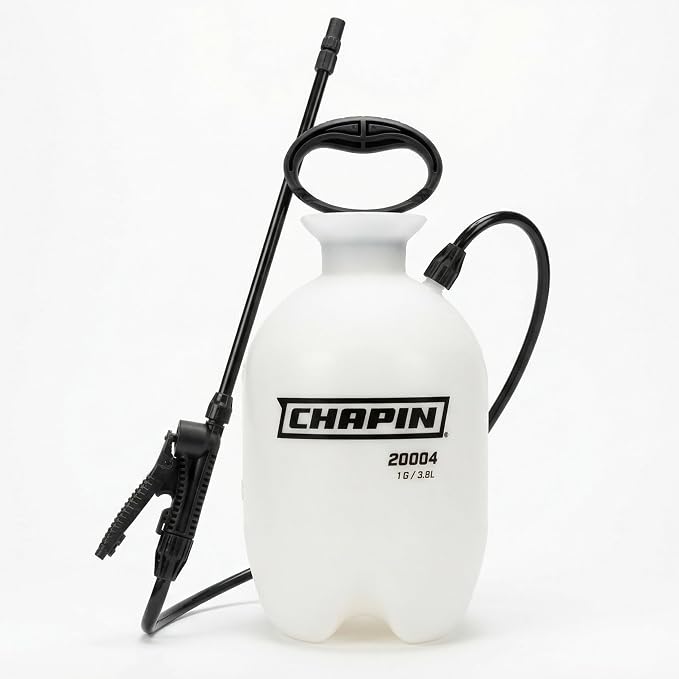
Choosing the best 2 gallon battery powered sprayer means balancing spray control, battery life, comfort, chemical resistance, and cleanup. A powered pump removes the repetitive hand-pumping that makes small spraying jobs tiring, while a 2-gallon tank remains manageable for residential lawns, gardens, patios, and spot treatments.
For most homeowners, the Scotts 2 Gallon Lithium-Ion Battery Powered Sprayer is the strongest overall choice. Its established design includes a rechargeable lithium-ion system, Pump Zero technology, a 21-inch wand, multiple spray patterns, and a three-year limited warranty. The Battery Powered Sprayer 2 Gallon is a clear alternative if you prefer adjustable speed settings, a battery indicator, four nozzles, and a longer advertised runtime.
This roundup compares the ten options using their stated pump and battery features, spray controls, wand design, tank construction, comfort features, included accessories, compatibility, and ownership considerations. The rankings favor practical versatility and dependable everyday use, while also noting when a product is better suited to specialized cleaning, backpack operation, or a particular battery platform.
Best 2 Gallon Battery Powered Sprayer Picks at a Glance
| Product | Name | Price |
|---|---|---|
 |
Scotts 2 Gallon Lithium-Ion Battery Powered Sprayer | Check Price |
 |
Battery Powered Sprayer 2 Gallon | Check Price |
 |
2 Gallon Battery Powered Sprayer | Check Price |
 |
Petratools HD2000-S 2 Gallon Battery Powered Garden | Check Price |
 |
Sideking 2 Gallon Battery Powered Sprayer | Check Price |
 |
VAXMAY Battery Powered Sprayer 2 Gallon | Check Price |
 |
Blumway Battery Powered Sprayer 2 Gallon | Check Price |
 |
2.6gal Battery Powered Backpack Sprayer for Dewalt | Check Price |
 |
Sprayers Plus BL25E Battery Sprayer | Check Price |
 |
Maxlander 4.2 Gal Battery Powered Backpack Sprayer | Check Price |
1. Scotts 2 Gallon Lithium-Ion Battery Powered Sprayer
The Scotts 2 Gallon Lithium-Ion Battery Powered Sprayer earns the top position because it combines a well-rounded feature set with useful details for routine lawn and garden work. Its rechargeable lithium-ion power eliminates manual pumping, and the manufacturer states that it can spray up to 12 full tanks per charge. That is a particularly appealing claim for homeowners who want to complete several applications without stopping to recharge.
The commercial-grade shut-off has a comfortable grip and lock-on feature, which can reduce hand fatigue during longer applications. An easy-to-clean in-line filter helps protect the spray system from debris, while the 21-inch poly wand provides useful reach around shrubs, beds, and low vegetation. Viton seals in the shut-off are designed for long-term resistance to chemicals, an important consideration when the tank is used for more than plain water.
Spray control is straightforward rather than excessive. The included 3-in-1 nozzle switches between fan, stream, and cone patterns, covering broad application, directed spot treatment, and more general coverage. The teardrop-shaped tank lowers the center of gravity for improved stability and includes built-in nozzle storage and protection. A pressure release valve also allows internal pressure to be safely removed before opening the tank.
This model is a strong fit for homeowners who value a proven, uncomplicated design over numerous electronic settings. The main trade-off is that it does not advertise the adjustable speed controls or digital battery display found on several newer alternatives. Before storage, rinse the tank, wand, filter, and nozzle thoroughly, and follow the product’s pressure-release procedure. Its limited three-year warranty with free replacement parts adds useful ownership support.
2. Battery Powered Sprayer 2 Gallon
The Battery Powered Sprayer 2 Gallon is the clearest alternative to the Scotts model for shoppers who want more control over spray intensity. Its upgraded handle provides three adjustable speeds, and a built-in battery indicator makes it easier to estimate remaining charge. The self-priming pump is advertised to support up to three hours of uninterrupted spraying, giving this model strong appeal for larger residential tasks and repeated spot treatments.
A 7.4-volt motor supplies the pump power, while four adjustable nozzles let users move between fine mist, fan spray, and direct stream applications. That range makes the sprayer adaptable for watering plants, applying fertilizer, treating weeds, or handling light household and vehicle cleaning. The ability to tune both the motor setting and nozzle pattern can help prevent excessive spray and unnecessary solution use.
Practical design details are another reason it ranks highly. Two wide openings simplify filling and mixing, while the translucent tank scale lets you monitor the remaining liquid. The unit is made from HDPE and ABS, materials intended to withstand indoor and outdoor use. A filter head helps reduce clogging, and the ergonomic handle is designed for extended carrying and operation. The supplied information does not identify a specific battery warranty or chemical compatibility list, so users should check the instructions before using strong or unusual solutions.
This is a good choice when adjustable output and charge visibility matter more than a brand-established nozzle system. Its trade-off is that the feature set and generic product naming provide less long-term ownership context than the Scotts sprayer. Rinse the pump path after every chemical application, keep the filter clear, and charge the battery according to the supplied instructions. For a simpler interface and a stated multi-year parts policy, the first-ranked option remains the safer choice.
3. 2 Gallon Battery Powered Sprayer
The third-ranked 2 Gallon Battery Powered Sprayer stands out for its combination of a digital battery display, retractable wand, and unusually specific coverage claim. Its 7.4-volt, 2,000mAh rechargeable battery is advertised to provide up to three hours of continuous use. The digital display gives a more precise view of remaining power than a simple indicator light, which can be useful when planning a treatment across a medium-sized lawn or several flower beds.
The manufacturer states that one tank can cover up to 4,500 square feet. Actual coverage will depend on the selected nozzle, walking speed, spray pressure, and how heavily the solution is applied, but the claim helps explain this model’s appeal for ordinary residential properties. The translucent tank has visible level markings, and an external measuring cup is included for more controlled mixing. A wide opening also makes filling and rinsing easier.
Its 24-inch retractable wand extends reach to approximately 50 inches when combined with arm length, making it helpful for tree tops, tall bushes, and roof eaves. Three interchangeable nozzles provide jet, fan, and mist patterns without tools. The tank uses lightweight, scratch-resistant, rust-proof engineering plastic, and upgraded seals and connectors are intended to prevent leaks.
The main limitation is that the advertised performance depends on correct assembly and secure connections. The instructions specifically emphasize tightening the cap, nozzle, and handle connections; loose fittings can cause leakage and reduced spray power. This sprayer suits users who want reach, a visible charge status, and a measuring aid in one package. Those who prefer a more established warranty and replacement-parts policy may want the Scotts model, while users needing a backpack design should move to the later entries.
4. Petratools HD2000-S 2 Gallon Battery Powered Garden
The Petratools HD2000-S 2 Gallon Battery Powered Garden Sprayer ranks fourth because it offers a practical, comfort-oriented package with a rechargeable battery and charger included. Its 12-volt battery is advertised to provide a full two hours of runtime, enough for many household spraying sessions without manual pumping. The package is ready to use out of the box, which is helpful for buyers who do not want to source a compatible battery separately.
Comfort is a major part of the design. A four-foot hose, padded shoulder strap, and ergonomic handle provide several ways to position the tank and wand while working around lawns and garden beds. The wider mouth opening should make filling and mixing less awkward. For users treating weeds, pests, or plants over a moderate area, the shoulder strap can be more comfortable than carrying the full container by its top handle throughout the job.
Two nozzle approaches are included. The brass adjustable nozzle can produce mist or stream patterns, while a fan-tip nozzle provides broader coverage. This is a useful but less extensive selection than the four- or five-nozzle kits offered by some competitors. On the positive side, the metal hose fittings are described as leak-proof and heavy-duty, which may provide more confidence at connection points than lightweight plastic fittings.
This model fits homeowners who value a padded carrying system, straightforward controls, and included charging equipment. Its two-hour advertised runtime is shorter than the three-hour claims of several alternatives, and the supplied data does not mention a battery indicator or adjustable motor speeds. Keep the hose and nozzles rinsed after chemical use, inspect the metal fittings for debris, and store the battery and charger in a dry location. For broad pattern variety, another option may be more flexible; for comfortable general spraying, this remains a sensible mid-ranked choice.
5. Sideking 2 Gallon Battery Powered Sprayer
The Sideking 2 Gallon Battery Powered Sprayer earns its middle ranking by offering a strong blend of adjustable pressure, long reach, and nozzle variety. Its self-priming motor is designed to deliver automatic spraying without repetitive pumping, making it suitable for larger properties or users who experience hand fatigue. Three pressure settings—low, medium, and high—allow the operator to adjust output for delicate flowers, fertilizer, or pest-control applications.
The built-in 2,000mAh battery is advertised to provide up to three hours of continuous spraying. An LED battery indicator shows remaining power, helping users avoid being surprised by a depleted battery during a treatment. The stainless steel telescopic wand extends to 23.6 inches, which can help reach high branches, deep shrubs, and areas that would otherwise require bending or stretching.
Four included nozzles expand the application range. Fan, cone, dual-head, and six-hole patterns can be selected for different coverage needs, although the precise output of each should be verified in the operating instructions before applying chemicals. The tank is made from chemical-resistant HDPE, and a wide mouth supports easier filling and mixing. An adjustable shoulder strap distributes some of the tank’s weight, while the ergonomic handle is intended to make carrying and operation more comfortable.
The trade-off is that this model has a smaller review base than the highest-ranked choices, so buyers may want to pay close attention to assembly instructions and return support. The supplied information also does not state a specific charging time or a replacement-battery program. Clean every nozzle and the intake filter after use, particularly when applying fertilizer or herbicide that can leave residue. This is a strong fit for users who want electronic pressure adjustment; shoppers seeking the simplest proven design may prefer Scotts instead.
6. VAXMAY Battery Powered Sprayer 2 Gallon
The VAXMAY Battery Powered Sprayer 2 Gallon is closely related in feature emphasis to several newer electric sprayers, but its inclusion of two 2,000mAh rechargeable battery cells helps distinguish the package. The 7.4-volt motor is advertised to support up to three hours of continuous operation while eliminating the need for hand pumping. Three adjustable spray forces let the user move from lighter misting to stronger weed-treatment output.
A built-in LED battery indicator provides a quick view of remaining power. The retractable wand adjusts from 8.66 to 23.6 inches, giving the user flexibility when switching between low garden plants and higher shrubs. Four mist nozzles support fine mist, fan mist, and direct spray applications. This selection should be useful for watering, feeding, weed control, and general outdoor care, provided the chosen solution is appropriate for the sprayer and nozzle.
Filling and maintenance are addressed with two wide-mouth openings, a transparent tank scale, and a design intended for quick disassembly and rinsing. Sealing rings at the connections help reduce leaks, while the filter head is designed to prevent clogs. The tank and handle use HDPE and ABS construction, described as chemical-resistant and suitable for regular outdoor exposure. A shoulder strap and comfortable handle help with carrying a full tank.
VAXMAY also lists a one-year warranty and 24/7 customer support, which can be valuable for troubleshooting a newer product. The main limitation is that the available information does not specify coverage per tank, nozzle flow rates, or the exact charging arrangement for the two battery cells. Before first use, inspect each sealing ring and tighten the connections without overtightening them. Flush the system with clean water after every chemical application. This is a reasonable choice for users who want modern controls and support, though the longer-established first-ranked model remains more conservative.
7. Blumway Battery Powered Sprayer 2 Gallon
The Blumway Battery Powered Sprayer 2 Gallon offers a basic electric spraying setup with a larger-capacity tank, rechargeable handle, shoulder strap, and five adjustable nozzles. It ranks seventh primarily because its stated information is less detailed about runtime, pressure, battery capacity, and long-term support than the higher-ranked products. Its rating and smaller number of documented reviews also provide less ownership history for a buyer comparing similar designs.
Even so, the feature set is useful for ordinary lawn and garden work. The five nozzles can produce fine mist, fan mist, or direct mist, helping users water plants, apply nutrients, or treat specific areas. The HDPE and ABS construction is intended to withstand indoor and outdoor use, while the larger tank reduces the number of refills for routine watering and spraying tasks.
Carrying options include a large handle lid and an adjustable shoulder strap. The wide opening is designed for filling water or mixing nutrient solutions, which should make preparation less cumbersome. The powered handle is intended to make irrigation easier than using a manually pumped tank, particularly during repeated watering sessions or when the sprayer is used around many plants.
Setup deserves extra attention with this model. The supplied instructions say to install two sealing loops into the top of the handle to help prevent leaks and to tighten all screw threads if leaking continues. That is an important ownership detail rather than a minor footnote. Users should test the unit with plain water before adding fertilizer, herbicide, or another treatment. Because no runtime or battery specification is provided in the available data, this sprayer is better for buyers who prioritize nozzle variety and simple watering over precise power planning. A model with a battery indicator is a better fit when charge visibility is essential.
8. 2.6gal Battery Powered Backpack Sprayer for Dewalt
The 2.6gal Battery Powered Backpack Sprayer for Dewalt is not a conventional 2-gallon handheld tank, but it earns a place for users who already own compatible DeWalt batteries and need a more comfortable system for extended work. It is designed for DeWalt 20V 2.0Ah batteries, which are not included. That battery-platform requirement is the key reason it ranks below the dedicated 2-gallon products despite its strong feature set.
Backpack construction distributes the tank’s weight across padded dual shoulder straps, a wraparound waist belt, lumbar support, and a breathable back cushion. This can be more comfortable than carrying a full handheld tank through a large yard. The built-in agitation system uses two replaceable rotating fan blades to keep fertilizer, herbicide, pesticide, or other solutions mixed during spraying. Continuous agitation can be useful when a solution settles quickly.
Pressure is adjustable from 0 to 100 PSI, and six nozzles support misting, spot treatment, broad coverage, and more precise applications. The stainless steel wand extends to 39 inches, making fence lines, tall shrubs, orchards, and garden beds easier to reach. A 4.2-foot hose, measuring cup, filter, mixing blades, valve handle, and additional rod components are included.
The main buying caution is compatibility. The sprayer does not include the battery, so owners without a suitable DeWalt 20V 2.0Ah battery must account for that additional requirement. Its 2.6-gallon capacity also exceeds the requested two-gallon class and may be heavier when full. Follow the manufacturer’s pressure guidance, rinse the agitation system and wand after use, and remove the battery before maintenance. This is the better fit for extended, high-control backpack spraying, not for someone seeking the smallest simple garden sprayer.
9. Sprayers Plus BL25E Battery Sprayer
The Sprayers Plus BL25E Battery Sprayer is a specialized 2-gallon option aimed at sanitation, diluted bleach, and carpet-cleaning applications rather than only lawn and garden treatment. It includes a 12-volt lithium-ion battery and charger, so the buyer does not need to source a separate power system. A padded adjustable strap supports carrying, while the stainless steel spray wand is suited to users who prefer a more durable wand material for cleaning or treatment work.
Three nozzle and tip types are included, providing more application flexibility than a single fixed spray pattern. That can be useful when switching between broader coverage and more focused application. The unit’s intended use with household bleach is specifically limited to a maximum 1:3 dilution ratio. Buyers should treat that direction as a firm operating boundary and should not assume that every chemical, disinfectant, or concentrated solution is compatible.
This model ranks ninth because it is less of an all-purpose garden sprayer than the products above it. Its specialized sanitation and carpet-cleaning positioning may be valuable for certain households or small cleaning operations, but the supplied information does not list adjustable pressure, a digital battery indicator, runtime, or a telescoping wand. It also specifically warns that the product is not intended for saltwater or vinegar, which narrows its compatibility further.
Before use, verify the dilution ratio and read the chemical manufacturer’s instructions as well as the sprayer manual. Flush the tank, hose, wand, and tips immediately after use, and keep bleach solutions separate from other cleaning chemicals. Wear suitable protective equipment and avoid mixing products. Choose this sprayer when its sanitation-focused purpose matches your work; for general lawn coverage, a model with more spray controls and broader stated applications will usually be more practical.
10. Maxlander 4.2 Gal Battery Powered Backpack Sprayer
The Maxlander 4.2 Gal Battery Powered Backpack Sprayer is the largest-capacity model in this roundup and is best understood as a high-volume alternative rather than a true 2-gallon sprayer. Its 4.2-gallon tank, backpack configuration, 90 PSI stream, and stated reach of more than 17 feet make it appropriate for substantial outdoor work. It ranks tenth only because its size and capacity fall well outside the compact 2-gallon target.
Two 20V 2.0Ah batteries are included, and the system is advertised to provide up to two hours of continuous runtime. The product claims that this can empty 19 full tanks per charge, but that statement appears tied to the larger tank design and should be interpreted alongside actual spray pressure, nozzle selection, and operating conditions. A digital display and auto-shutoff protection help users monitor power and protect the battery system.
The telescopic stainless steel wand extends to 39.3 inches, and an adjustable knob changes the spray from gentle mist to a stronger jet. Six nozzles expand the application range. A wide filtered opening, gallon markings, lock button, leak-proof nozzle gasket, and padded shoulder and waist support add practical value. The back padding and weight-distribution design are especially useful when a handheld tank would become tiring.
This model makes sense for users treating large areas, washing vehicles, watering extensively, or applying lawn products over long sessions. The obvious limitation is weight: a full 4.2-gallon backpack can be substantially more demanding than a two-gallon handheld unit, even with padded straps. Confirm that the batteries are fully charged, rinse the tank and nozzles after use, and inspect the gasket before storage. For compact residential jobs, the Scotts or another two-gallon model will be easier to maneuver and refill.
How to Choose the Best 2 Gallon Battery Powered Sprayer
A battery-powered sprayer is more than a tank with a motor. The best match depends on the solutions you plan to apply, how much area you cover, how far you need to reach, and whether you value simple reliability or detailed electronic control. A careful comparison of the following factors can prevent buying a unit that is powerful but awkward, or convenient but poorly suited to your chemicals.
Match the tank size to the job
A true 2-gallon tank is a useful middle ground for residential work. It holds enough solution for many lawns, beds, shrubs, patios, and spot treatments without becoming as cumbersome as a larger backpack tank. A full tank still adds considerable weight, so carrying style matters. A top handle is convenient for short tasks, while a shoulder strap can make repeated movement easier.
Do not assume that a “2-gallon” label means the same usable capacity in every product. Leave room for safe mixing and follow the fill line rather than filling to the brim. A translucent tank with gallon markings is helpful when monitoring the remaining liquid or estimating how much solution remains for a section of the yard.
Consider battery runtime and charge visibility
Advertised runtime is a useful comparison point, but it is not a guarantee of identical real-world performance. Runtime can change with pressure setting, nozzle type, solution thickness, temperature, and how often the pump cycles. Several models in this list advertise approximately two to three hours of operation, while the Scotts sprayer states that it can handle up to 12 full tanks per charge.
A battery indicator is valuable when the sprayer will be used for a planned treatment. Digital displays and LED indicators can reduce uncertainty, while simpler models may require the user to charge by habit. Check whether the charger is included, whether the battery is removable, and whether a replacement battery is available. The DeWalt-compatible backpack sprayer is a different case: its battery is not included, so compatibility should be confirmed before purchase.
Choose useful pressure and spray controls
Pressure adjustment is helpful when one sprayer will handle delicate plants and tougher weed or cleaning applications. Lower pressure can reduce overspray and protect fragile foliage, while higher pressure can provide a more directed stream. Adjustable speed or pressure is not automatically better if the controls are difficult to operate, but it does add flexibility.
Nozzle selection also matters. A fan pattern is suitable for broader coverage, a stream or jet is better for targeted application, and a cone or mist pattern can work for plants and more localized spraying. More nozzles provide options, but they also create more parts to label, clean, and store. A simple three-pattern nozzle can be preferable for homeowners who want quick changes without handling multiple loose tips.
Evaluate wand reach and hose design
A longer or retractable wand reduces bending and can reach into dense shrubs, behind furniture, along fence lines, or toward taller branches. Telescoping models are easier to store and can provide useful extra reach, but their connections need to be tightened correctly to avoid leaks or pressure loss.
A hose gives the user more freedom to hold the wand away from the tank, especially with a shoulder-carried or backpack sprayer. Inspect the hose connection and shut-off before adding chemical solution. Stainless steel wands can be attractive for durability, while poly wands are often lighter and may be easier to handle for routine garden applications.
Check chemical compatibility before filling the tank
Never assume that a battery sprayer can safely handle every liquid. Read the product manual and the chemical label before use. Pay attention to warnings about bleach concentration, saltwater, vinegar, solvents, abrasive mixtures, and solutions that may attack seals or tubing. The Sprayers Plus model, for example, specifies a maximum 1:3 diluted ratio for household bleach and says it is not intended for saltwater or vinegar.
Use only the recommended mixing ratio. A stronger solution does not necessarily improve results and may damage the pump, seals, vegetation, surfaces, or the user. If the sprayer will be used for herbicides, pesticides, fertilizer, and cleaning solutions, consider dedicating it to one category or label it clearly to avoid cross-contamination.
Prioritize leak prevention and filtration
Leaks can waste solution, damage surfaces, and expose the operator to chemicals. Before first use, inspect the cap, hose, wand, shut-off, nozzle, and sealing rings. Hand-tighten connections firmly according to the instructions without forcing threaded plastic parts. Test the unit with clean water before mixing a treatment.
Filters help keep debris from reaching the pump or nozzle. Use clean water when mixing, strain material when appropriate, and rinse the filter regularly. A clog can look like a weak battery or failing pump when the real issue is restricted flow. If spray pressure drops suddenly, stop the pump, release pressure safely, and inspect the filter and nozzle.
Use a consistent cleaning routine
Cleaning is one of the most important ownership habits. Empty unused solution according to the chemical label rather than leaving it in the tank. Rinse the tank with clean water, run clean water through the hose and wand, and wash the nozzle and filter. Some products are designed for quick disassembly, which makes this routine easier.
Do not use a sprayer for a new chemical without considering residue from the previous application. In particular, bleach, herbicide, fertilizer, and pesticide residues can create problems when combined or transferred to sensitive plants. Allow components to dry before storage, keep the tank open if the instructions permit, and protect the battery and charger from moisture.
Think about comfort and operating position
A two-gallon tank becomes noticeably heavier as it approaches full capacity. An ergonomic handle, padded strap, lock-on trigger, and balanced tank can reduce strain. The Scotts teardrop tank is designed for stability, while several other models use shoulder straps. Backpack designs distribute weight more effectively for extensive jobs, but the larger models also carry more liquid and can be harder to maneuver.
Consider the time spent walking, the number of refills, and whether you will need one hand free to move branches or steady yourself. A lock-on feature can be helpful during continuous spraying, but always release it when walking between treatment areas or when setting the wand down.
Use safe spraying practices
Read the pesticide, fertilizer, herbicide, or cleaning-product label before mixing or spraying. Wear the protective clothing and eye protection specified by the label, avoid spraying in wind, and keep children and pets away from the treated area as directed. Do not point the wand at people or animals unless the product is specifically intended and labeled for that use.
Before opening a tank, follow the sprayer’s pressure-release procedure. The Scotts model includes a pressure release valve, while other units may require a different method. Never remove a pressurized cap abruptly. Disconnect or remove the battery before inspecting electrical components, and keep charging equipment dry.
Compare specialized and general-purpose models
Most two-gallon sprayers in this roundup are designed for general lawn and garden use, including watering, fertilizer, weed treatment, and some cleaning tasks. Specialized products may be better for a narrower purpose. The Sprayers Plus model is oriented toward sanitation, diluted bleach, and carpet cleaning, while the DeWalt-compatible backpack sprayer adds continuous agitation and high-pressure adjustment for larger treatment jobs.
A backpack model can be the right choice when coverage and endurance matter more than compact size. Conversely, a handheld two-gallon tank is easier to store, refill, and carry around a small property. Select based on the work you actually do rather than choosing the model with the largest pressure number or the greatest number of nozzles.
FAQ
What is the best 2 gallon battery powered sprayer for most homeowners?
The Scotts 2 Gallon Lithium-Ion Battery Powered Sprayer is the strongest general recommendation in this roundup. It combines rechargeable lithium-ion power, a stated capacity of up to 12 full tanks per charge, a 3-in-1 nozzle, a 21-inch wand, a stable teardrop tank, a pressure release valve, and a limited three-year warranty with free replacement parts.
Is a battery powered sprayer better than a manual pump sprayer?
A battery-powered sprayer is usually more convenient for repeated or extended spraying because it removes manual pumping. It can provide more consistent operation and reduce hand fatigue. A manual sprayer may still be preferable for very occasional use, simple spot treatments, or situations where charging and battery maintenance are inconvenient.
How long should a 2 gallon battery sprayer run?
Runtime varies by model and operating conditions. The products listed here advertise approximately two to three hours for several newer designs, while the Scotts model states that it can spray up to 12 full tanks per charge. Pressure setting, nozzle, solution thickness, temperature, and pump cycling all affect actual runtime.
Can a 2 gallon battery sprayer apply herbicide and fertilizer?
Many are intended for lawn fertilizer, herbicide, pesticide, and similar applications, but compatibility must be confirmed in the product manual and chemical label. Use the correct dilution, avoid unapproved chemicals, and clean the tank and spray path thoroughly after use. A sprayer used for herbicide should not automatically be repurposed for sensitive plant watering.
Why is my battery powered sprayer leaking?
Common causes include loose threaded connections, missing or incorrectly installed sealing rings, a damaged gasket, or a nozzle that is not seated properly. Empty and depressurize the sprayer safely, then inspect the cap, handle, hose, wand, and nozzle. Some models specifically require two sealing loops at the handle or emphasize tightening every connection before use.
What should I do when spray pressure becomes weak?
Check the battery charge first, then inspect the intake filter, nozzle, hose, and wand for blockage. Rinse the system with clean water and remove debris according to the instructions. A partially clogged filter can restrict flow and imitate a weak pump. Do not open a pressurized tank; release pressure safely before maintenance.
Are backpack battery sprayers better than handheld 2 gallon sprayers?
Backpack sprayers can distribute weight more comfortably during long jobs and often provide larger capacities, longer wands, or higher pressure. Handheld two-gallon sprayers are generally easier to store, refill, and maneuver around small residential areas. The better format depends on the size of the property and how long each spraying session lasts.
Final Verdict
The Scotts 2 Gallon Lithium-Ion Battery Powered Sprayer is the best overall choice for most homeowners because it combines simple controls, useful spray patterns, stable construction, chemical-resistant seals, and strong stated ownership support. The Battery Powered Sprayer 2 Gallon is the clearest alternative for shoppers who want adjustable speeds, a battery indicator, four nozzles, and an advertised three-hour runtime. Whichever model you choose, correct chemical compatibility, careful setup, safe pressure release, and thorough rinsing will matter just as much as the pump itself.

I’m Maya L. Greenwood, a lifelong plant lover who believes anyone can grow something beautiful with the right guidance. After years of testing soil mixes, pruning methods, irrigation tricks, and pest-safe solutions, I started EasyGardenTips.com to turn hard-won lessons into step-by-step advice. From seed starting and container gardens to composting and seasonal checklists, my goal is to make gardening simple, sustainable, and fun.