5 Best Electric String Trimmer: Best Choices and Buying Guide
Finding the best electric string trimmer depends on more than cutting width. The right choice should match your yard size, preferred power source, edging habits, tolerance for line adjustments, and need for interchangeable batteries or cutting attachments.
For most homeowners, the BLACK+DECKER Weed Wacker with Auto Feed is the strongest overall choice because it combines a 14-inch cutting path, a 6.5-amp motor, automatic line feeding, and a wheeled edging mode. The 13″ Electric Weed Wacker is the clear alternative for shoppers who want cordless convenience, multiple cutting modes, two batteries, and a broader set of included accessories.
The five trimmers below were compared by examining their cutting systems, power delivery, handling features, edging capability, battery or cord requirements, included equipment, warranty information, and practical limitations. The ranking favors useful yard-maintenance versatility while still accounting for how easy each tool should be to operate and own.
Best Electric String Trimmer: Quick Comparison
| Product | Name | Price |
|---|---|---|
 |
BLACK+DECKER Weed Wacker with Auto Feed | Check Price |
 |
13″ Electric Weed Wacker | Check Price |
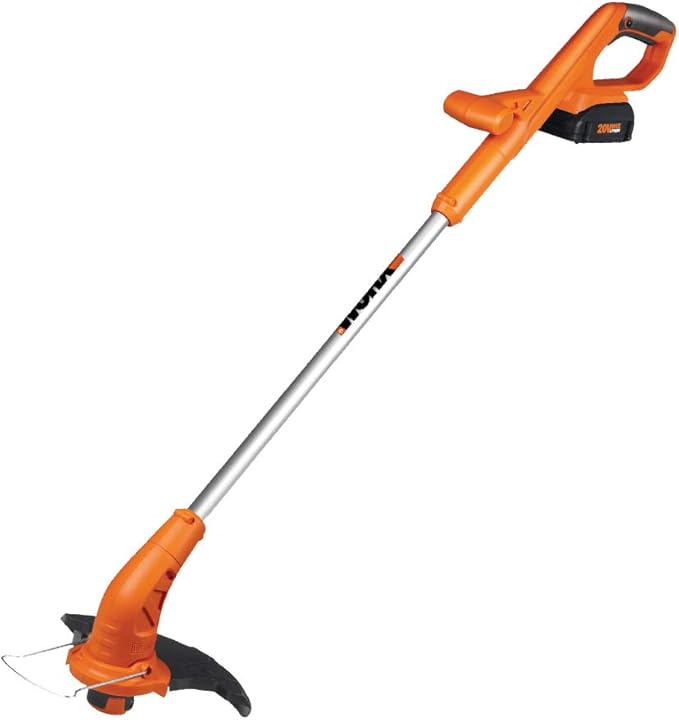 |
Worx 20V 10″ 2-in-1 Cordless String Trimmer | Check Price |
 |
Greenworks 40V 12 in Cordless String Trimmer | Check Price |
 |
CRAFTSMAN V20 Weed Wacker Cordless String Trimmer | Check Price |
1. BLACK+DECKER Weed Wacker with Auto Feed
The BLACK+DECKER Weed Wacker with Auto Feed earns the top position by offering a particularly balanced combination of power, reach, and everyday convenience. Its 6.5-amp motor and POWERDRIVE transmission are designed to handle grass, weeds, and heavier overgrowth more confidently than a basic light-duty trimmer. The 14-inch cutting path also covers a useful amount of ground with each pass, making it practical for maintaining lawn borders and larger areas around a typical home.
Its biggest convenience feature is the automatic feed spool. Instead of bumping the head to release more line, the tool advances line automatically, helping reduce interruptions while working. The cord-retention system is another small but important advantage for a corded tool because it helps prevent accidental disconnection when the extension cord shifts during use.
This model also converts from a string trimmer to a wheeled edger by rotating the tool. The included edge guide helps create a cleaner border along sidewalks, flower beds, and other landscape features. Adjustable handle and height positions support a more comfortable working stance, while the design remains light enough for routine trimming in areas a mower cannot reach.
The trade-off is that this is a corded electric trimmer, so its operating range depends on a suitable outdoor extension cord and a nearby outlet. It is a strong fit for homeowners who value consistent corded power and do not want to manage battery charging. Before setup, confirm that your extension cord is rated for outdoor use and long enough for the intended area. If your property has distant fence lines, multiple garden zones, or no convenient outlet, a cordless option may be more practical.
2. 13″ Electric Weed Wacker
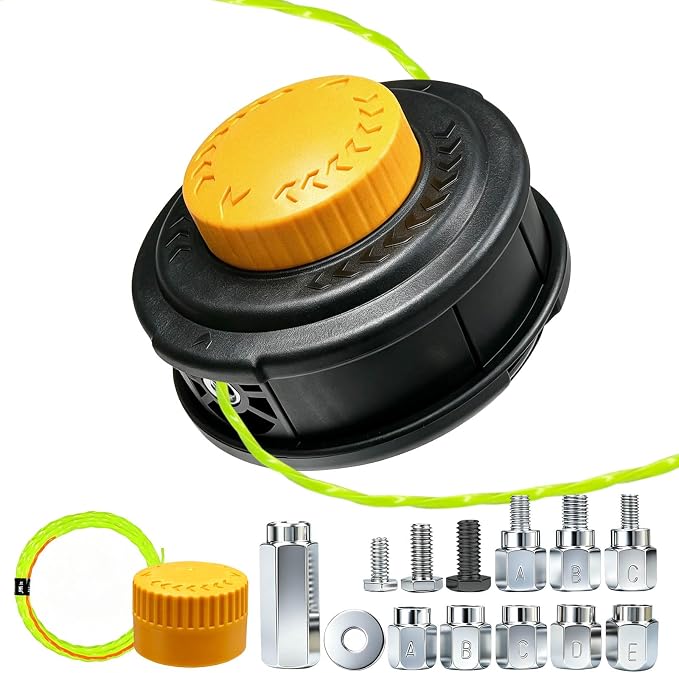
The 13″ Electric Weed Wacker takes second place because it offers the broadest collection of cutting functions in this group. Its 4-in-1 design can work as a string trimmer, lawn edger, mini lawn mower, and brush cutter. That flexibility makes it appealing to shoppers who want one cordless garden tool for several light-duty jobs rather than a conventional trimmer dedicated mainly to grass and lawn edges.
The tool includes three cutting options: trimmer line, metal blades, and saw blades. That lets users change the cutting setup for different tasks, including ordinary grass, tougher weeds, and some small shrubs. Its 13-inch cutting width is close to the leading model’s coverage, while the adjustable cutting head and telescopic pole can help users reach corners, slopes, and less accessible areas.
Power comes from a 15,000-RPM brushless motor and a steel gear set. The supplied package includes two 21V 6.0Ah rechargeable batteries, a charger, replacement blades, trimmer lines, a storage bag, and installation tools. The claimed 5.2-pound lightweight design and non-slip handle should be helpful during longer trimming sessions, especially when moving around beds or uneven sections of a yard.
Its main limitation is that the large feature set may require more setup and cutting-head decisions than a simple line trimmer. Users should install the appropriate attachment carefully and inspect blades before each use. The included batteries and charger are part of this product’s own system, so compatibility with other brands should not be assumed. A three-year warranty on the main machine and two-year battery warranty add ownership reassurance. Choose it when cordless versatility matters most; choose the BLACK+DECKER when straightforward, consistent corded operation is the priority.
3. Worx 20V 10″ 2-in-1 Cordless String Trimmer
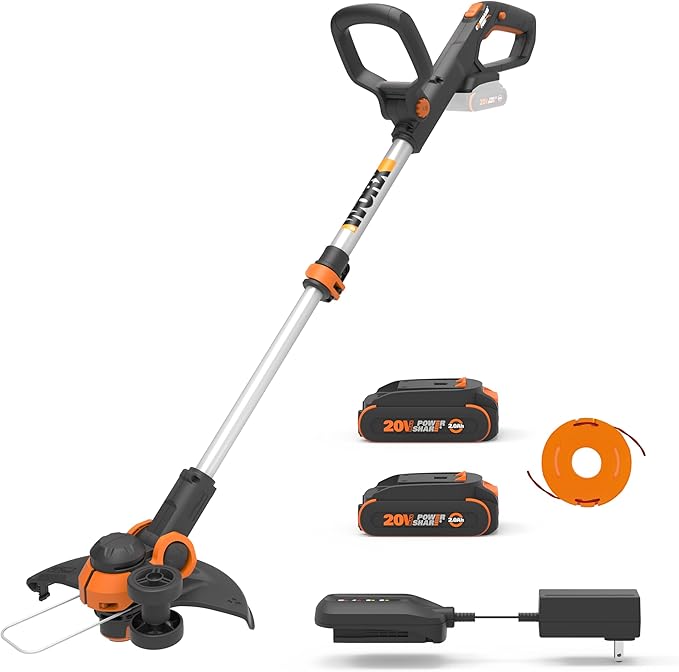
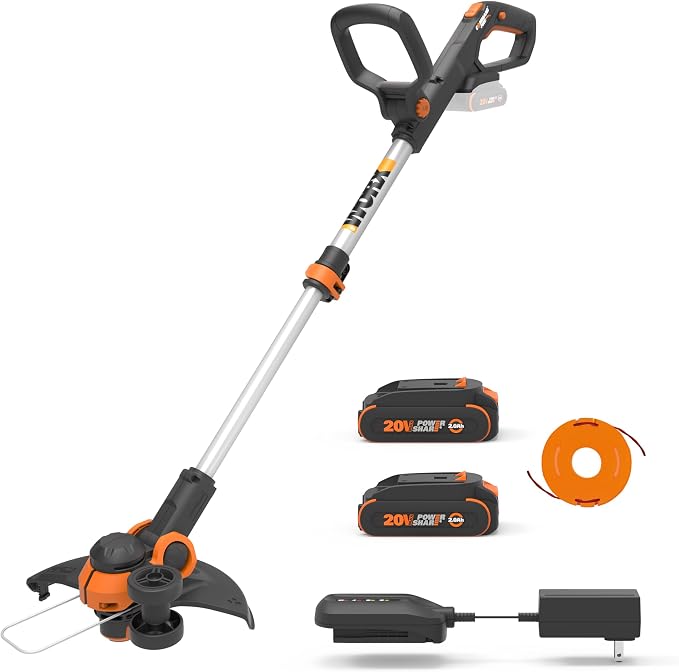
The Worx 20V 10″ 2-in-1 Cordless String Trimmer ranks third as a compact choice for routine trimming and edging around small to medium yards. At 4.2 pounds, it is one of the easier tools in this group to carry and control. That low weight can be especially useful for homeowners who trim frequently, need to work around garden beds, or prefer a tool that does not feel cumbersome during detail work.
Switching between trimming and in-line edging takes place by rotating the head 180 degrees. The automatic feed line system advances line without the usual bumping process, helping maintain a smoother workflow. An adjustable spacer guard helps protect flowers, plants, lawn ornaments, and other landscape features when working close to a border. The auxiliary handle and long shaft also support reach and control around fences and hard-to-reach spaces.
A useful feature is the choice between a narrower cut for longer runtime and a wider cut for faster coverage. That gives the user some control over how the tool balances efficiency and battery use. Since it is cordless, there is no extension cable to drag around trees, beds, or structures. The included 20V battery is also part of the WORX Power Share platform and works with WORX 20V tools plus select 40V and 80V WORX tools.
The 10-inch cutting width is narrower than the 12-, 13-, and 14-inch options ranked above it, so covering a larger overgrown area may take more passes. This model is better suited to regular maintenance than clearing substantial brush. Keep the spacer guard positioned when trimming near delicate features, and confirm battery compatibility before expanding into other tools. It is a sensible pick for light, controlled yard work, particularly for existing WORX owners who can share the battery across their equipment.
4. Greenworks 40V 12 in Cordless String Trimmer
The Greenworks 40V 12 in Cordless String Trimmer holds fourth place as a focused cordless option with a useful combination of cutting coverage and control. Its 12-inch cutting path is large enough for routine lawn edges, sidewalks, landscaping, and light weeds without making the tool unnecessarily bulky. The 0.065-inch dual line is intended to provide consistent trimming for ordinary residential maintenance.
Automatic line feeding eliminates the need to bump the head, which can make operation more convenient for users who dislike stopping to adjust line manually. The variable-speed trigger is another practical strength. A lighter trigger input can support more controlled edging, while additional power can be applied when the grass or weeds require it. This type of adjustment is useful when a yard includes both delicate garden borders and thicker patches.
The trimmer is described as lightweight and well balanced, with an ergonomic design intended to reduce fatigue. That makes it a reasonable choice for homeowners who want cordless movement without stepping up to a more elaborate multi-attachment system. The included package contains a 2.0Ah battery and charger, so it can be used without separately sourcing the basic charging equipment.
Compared with the higher-ranked cordless options, the Greenworks model is more specialized. It is a line trimmer rather than a 4-in-1 brush-cutting tool, and the supplied data does not identify an edging conversion or a broader attachment system. Its 2.0Ah battery may also be less suitable for extended sessions than a package supplied with multiple high-capacity batteries, although actual runtime depends on conditions and usage. The tool and battery carry a three-year limited warranty. Charge the battery fully before the first extended job, use the variable-speed trigger deliberately, and consider this model when dependable routine trimming is more important than maximum versatility.
5. CRAFTSMAN V20 Weed Wacker Cordless String Trimmer
The CRAFTSMAN V20 Weed Wacker Cordless String Trimmer takes fifth place because it provides a practical set of everyday features without the cutting attachments or platform breadth offered by some higher-ranked choices. Its 13-inch cutting swath helps cover lawn edges efficiently, while automatic .065-inch line advance avoids the need to bump the head during normal operation. It also converts from a trimmer to an edger, making it useful for both grass cleanup and defining borders.
Two speed settings let the user choose between more power and longer runtime. That adjustment is valuable when moving between light grass and thicker growth, or when conserving battery during a larger job. The ergonomic telescoping pole supports reach and lets the tool adapt more comfortably to different users. As a cordless model, it is also easier to maneuver around trees, fences, flower beds, and other obstacles than a corded machine.
The package includes a 2.0Ah battery and charger, so the basic system is ready to operate without a separate battery purchase. An integrated hook makes the trimmer compatible with the VERSATRACK wall organization system, although that wall system is sold separately. This storage feature can be helpful for keeping a garage or shed organized when the tool is not in use.
The main trade-off is that the included 2.0Ah battery and conventional line-trimming design may be less appealing for lengthy or demanding clearing sessions. It is best viewed as a routine lawn-maintenance tool rather than a brush cutter. Before buying, check whether you already own other CRAFTSMAN V20 equipment, since shared batteries can make the platform more convenient over time. The three-year limited warranty provides useful coverage, while the two-speed control gives owners a practical way to balance cutting performance and battery life.
How to Choose the Best Electric String Trimmer
A good trimmer should match the type of work you actually do. A small, regularly maintained yard may need only a lightweight cordless model for edging and occasional grass cleanup. A larger property with dense weeds may benefit from a wider cutting path, stronger power delivery, or a tool that supports heavier cutting attachments. Start by identifying whether your main job is trimming grass around obstacles, creating crisp edges, clearing overgrowth, or handling several tasks with one machine.
Choose corded or cordless power deliberately
Corded electric trimmers provide continuous power as long as they remain connected to a suitable outdoor outlet. That means there is no battery runtime limit and no waiting for a battery to recharge. The BLACK+DECKER model is particularly attractive in this category because its cord-retention system helps keep the connection secure while working.
The disadvantage is mobility. An extension cord can become an inconvenience around trees, fences, play equipment, and multiple planting beds. It also requires careful management to keep the cord away from the cutting head. Always use an extension cord appropriate for outdoor equipment, inspect it for damage, and keep it behind you while trimming.
Cordless models are easier to move around a property and can be more convenient for irregularly shaped yards. Their limitations are battery capacity, charging time, and platform compatibility. A tool supplied with one battery may be sufficient for a small yard, while a package with two batteries can be more useful for completing a larger session without stopping. Battery runtime varies with grass density, line length, cutting width, speed setting, and how aggressively the tool is used, so advertised battery capacity should be treated as an important reference rather than a guarantee of a fixed work duration.
Compare cutting width with the size of the job
Cutting width determines how much vegetation the trimmer reaches with each pass. The products here range from the Worx model’s 10-inch path to the BLACK+DECKER’s 14-inch path. Wider cutting paths can reduce the number of passes across open areas, but they may feel less nimble around narrow beds, posts, and other obstacles.
A 10- or 12-inch trimmer can be a sensible match for detail work, smaller properties, and owners who value control. A 13- or 14-inch model may be preferable when the tool will cover long fence lines, broad lawn margins, or several areas after mowing. Cutting width should not be viewed in isolation. A wider path can also demand more from the motor and battery, particularly in thick growth.
Understand line-feed systems
Automatic line feed is included on every ranked model in this roundup. It advances trimmer line without requiring the user to bump the head against the ground, which can make work more continuous and reduce one common source of interruption. However, automatic feed does not eliminate the need to monitor line use. Line can still wear down quickly when trimming along concrete, stone, brick, or other abrasive surfaces.
Replace line with the size and type specified for the tool. The supplied data identifies .065-inch line for the Greenworks and CRAFTSMAN models, while the other products emphasize their automatic feed systems without providing a line diameter in the available specifications. Do not assume that every spool or replacement line fits every trimmer. Confirm the replacement part and loading procedure in the product manual.
Decide whether edging is essential
Edging and trimming are related but different jobs. Trimming cuts grass that a mower cannot reach around fences, walls, trees, and beds. Edging creates a more defined border along sidewalks, driveways, and flower beds. A rotating head or dedicated guide can make that transition easier and more consistent.
The BLACK+DECKER converts to a wheeled edger with an edge guide, which may appeal to users who want guided movement along hard borders. The Worx rotates its head 180 degrees for in-line edging, and the CRAFTSMAN also converts from trimmer to edger. The Greenworks information supplied here focuses on trimming and does not identify an edging conversion. The 13″ Electric Weed Wacker offers an edger function as part of its 4-in-1 design.
If edging is an occasional task, a rotating head may be enough. If you edge frequently and want a more controlled border, a wheeled guide can provide additional support. In either case, avoid forcing the line directly into hard surfaces because this can accelerate wear.
Consider multi-function attachments carefully
A multi-function tool can save storage space and cover more yard tasks, but extra attachments also introduce more setup, storage, and maintenance decisions. The 13″ Electric Weed Wacker supports trimmer line, metal blades, and saw blades, along with trimmer, edger, mini mower, and brush-cutter functions. That is a substantial range compared with the single-purpose line trimmers in this group.
Versatility is most useful when you expect to use the additional modes. If you mainly maintain grass around a finished lawn, a simpler trimmer may be easier to pick up and use. If your yard includes overgrown weeds or small shrubs, interchangeable blades may offer more practical value. Install only the attachment intended for the current job, make sure it is secured, and keep bystanders away when using a blade rather than flexible line.
Look for adjustment and handling features
Trimming requires repeated sweeping, turning, and holding the tool at a controlled angle. Adjustable handles, telescoping shafts, auxiliary grips, and balanced construction can make a noticeable difference during routine maintenance. The BLACK+DECKER offers adjustable handle and height positions. The 13″ Electric Weed Wacker has an adjustable cutting head and telescopic pole. Worx includes an auxiliary handle and long shaft, while CRAFTSMAN uses an ergonomic telescoping pole.
Weight is also important, but the lightest tool is not automatically the best fit. A very light trimmer may be comfortable for short tasks, while a more powerful model may be preferable for thick growth. Hold the tool in a comfortable position before committing to a long session, and use the auxiliary handle when provided to improve control.
Match power to vegetation
For ordinary grass and light weeds, all five options provide features aimed at routine residential trimming. More demanding growth may call for stronger power delivery or a blade-capable design. The BLACK+DECKER combines a 6.5-amp motor with POWERDRIVE transmission, while the 13″ Electric Weed Wacker lists a 15,000-RPM brushless motor and steel gear set.
Power does not mean the tool should be pushed into every type of vegetation. String trimmers are not automatically substitutes for dedicated brush cutters, and the available specifications should guide expectations. A line trimmer is generally most appropriate for grass and weeds around areas a mower cannot reach. When a product specifically includes brush-cutter or saw-blade functions, follow its instructions and use the appropriate attachment rather than improvising.
Think about battery-platform compatibility
Battery compatibility can influence the long-term value of a cordless trimmer. The Worx battery works with WORX 20V tools and select 40V and 80V WORX tools through the Power Share platform. That can reduce the need to keep separate chargers and batteries if you already own compatible equipment.
Do not assume that voltage alone makes batteries interchangeable. Brand platforms use specific physical connections and electronic requirements. The 13″ Electric Weed Wacker includes its own two 21V batteries and charger, while Greenworks and CRAFTSMAN provide their respective battery systems. Check the exact platform name before planning to share a battery with another tool.
Plan for line, blade, and battery maintenance
Basic maintenance begins with inspection. Before each use, check the housing, guard, handle, shaft, spool, and power cable or battery connection. Remove grass and debris from the cutting head after the tool is powered down. For cordless models, remove the battery before clearing a jam or handling the spool. For corded models, disconnect the extension cord before inspection or maintenance.
Keep replacement line stored in a clean, dry place and use the specified diameter. Excessively worn line can reduce cutting performance and increase the temptation to force the head into vegetation. Blade-equipped tools require additional attention: inspect blades for damage, confirm fasteners are secure, and store blades safely when not installed.
Battery care should follow the manufacturer’s instructions. Use the supplied or approved charger, avoid operating with visibly damaged batteries, and store the battery and tool in a dry location. Do not leave a battery-powered trimmer exposed to rain or excessive moisture simply because it is cordless.
Use safe trimming technique
Wear eye protection, sturdy footwear, and clothing that covers exposed skin. Flying grass, stones, line fragments, and small debris can travel beyond the immediate cutting area. Keep children, pets, and other people away while the tool is running. Inspect the lawn first and remove loose objects that could be struck by the line or blade.
Hold the trimmer with both hands when the design allows it, keep the cutting head below waist level, and avoid swinging toward people, windows, vehicles, or delicate landscaping. A spacer or flower guard can help with close work, but it should not replace careful control. When using a wheeled or in-line edging mode, move steadily rather than forcing the head against the border.
Troubleshoot common operating problems
If line does not advance, stop the tool and inspect the spool, feed mechanism, and line path. Automatic-feed systems still depend on correctly installed line and a properly seated spool. If the motor struggles, reduce the amount of vegetation being cut in one pass and check whether debris is blocking the head. A trimmer that repeatedly jams may be working beyond its intended use.
When battery runtime seems short, check whether the tool is being used at maximum speed continuously, whether the line is overextended, and whether the battery is fully charged. Thick weeds and frequent edging against abrasive surfaces can consume power and line faster than light grass trimming. For a corded tool that stops unexpectedly, inspect the extension-cord connection and cord-retention arrangement after disconnecting power.
Best Electric String Trimmer FAQ
What is the best electric string trimmer for most homeowners?
The BLACK+DECKER Weed Wacker with Auto Feed is the strongest overall choice in this roundup. It combines a 6.5-amp motor, POWERDRIVE transmission, 14-inch cutting path, automatic line feed, adjustable handling, and a wheeled edging mode. It is especially well suited to homeowners who have a convenient outdoor outlet and want consistent corded power.
What is the best cordless electric string trimmer here?
The 13″ Electric Weed Wacker is the most versatile cordless option because it includes two 21V 6.0Ah batteries and supports trimmer, edger, mini mower, and brush-cutter functions. The Worx, Greenworks, and CRAFTSMAN models are also cordless, but they are more focused on routine line trimming and edging.
Is a wider cutting path better on an electric string trimmer?
A wider cutting path can cover more ground per pass, which is helpful along long lawn borders and open areas. A narrower path may offer better control around plants, posts, and tight spaces. Choose based on the shape of your yard and the type of work you do most often rather than selecting width alone.
Are automatic-feed trimmers easier to use?
Automatic-feed trimmers can be more convenient because they advance line without requiring the user to bump the head. They still need correct spool installation and periodic inspection. Automatic feeding also does not prevent line wear, especially when the line contacts sidewalks, stones, or other abrasive surfaces.
Can an electric string trimmer replace a brush cutter?
Not always. A standard line trimmer is intended mainly for grass and light weeds. The 13″ Electric Weed Wacker specifically includes brush-cutter and saw-blade functions, but users should install the correct attachment and follow its safety instructions. Do not assume that a conventional line trimmer is suitable for thick woody growth.
Should you choose corded or cordless for a small yard?
Either can work. A corded model is convenient if an outdoor outlet is close and you want uninterrupted operating time. A cordless model is easier to move and avoids managing an extension cord. Consider the yard’s layout, not just its size: a small but obstacle-filled yard may be more convenient with cordless power.
What should you check before buying a replacement spool?
Check the exact model, compatible spool designation, and specified line diameter in the product documentation. Automatic-feed systems are not universally interchangeable. Using an incorrect spool or line size can lead to poor feeding, jams, or reduced performance.
Final Verdict
The BLACK+DECKER Weed Wacker with Auto Feed is the best overall electric string trimmer in this lineup for its strong corded motor, 14-inch coverage, automatic feed, and guided edging capability. Choose the 13″ Electric Weed Wacker instead when cordless operation and multiple cutting modes matter more than simple setup. The Worx, Greenworks, and CRAFTSMAN models round out the list with lighter, focused cordless options for routine lawn maintenance.

I’m Maya L. Greenwood, a lifelong plant lover who believes anyone can grow something beautiful with the right guidance. After years of testing soil mixes, pruning methods, irrigation tricks, and pest-safe solutions, I started EasyGardenTips.com to turn hard-won lessons into step-by-step advice. From seed starting and container gardens to composting and seasonal checklists, my goal is to make gardening simple, sustainable, and fun.