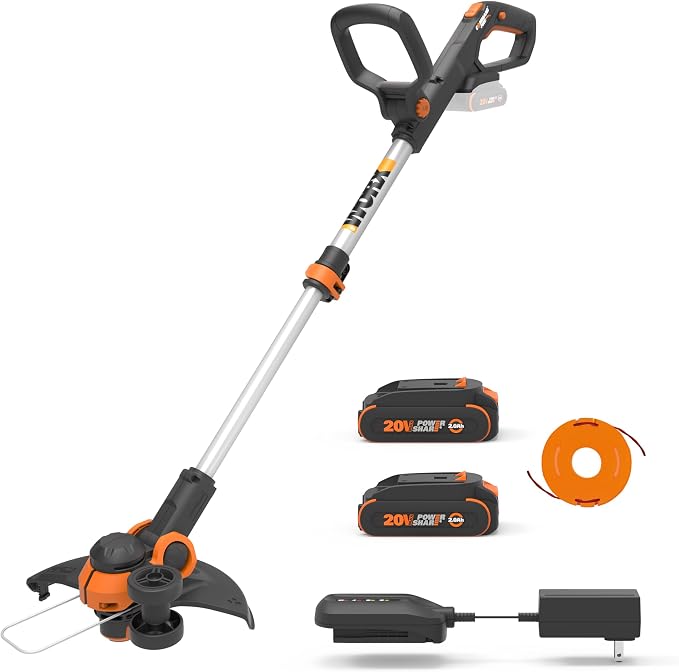
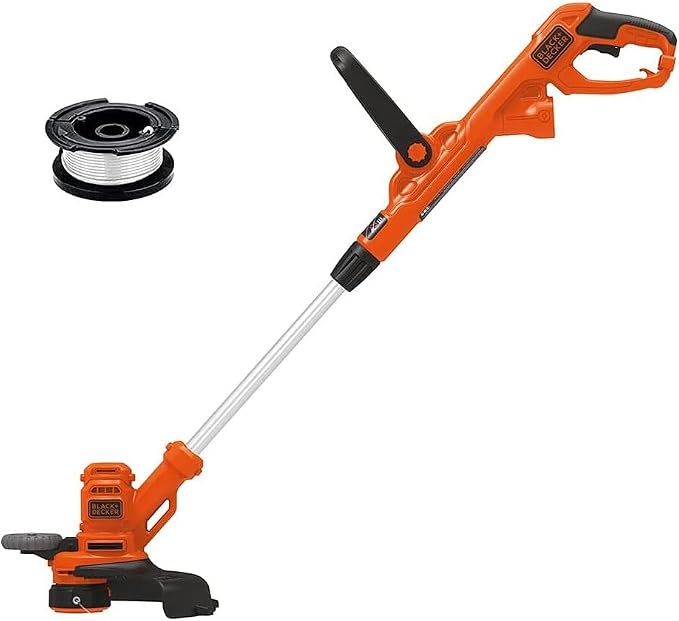
5 Best String Trimmer Line: Top Choices and Important Features
Choosing the best string trimmer line is less about finding the thickest spool and more about matching the line to your trimmer head, vegetation, and workload. A line that is ideal for light residential edging may wear quickly in dense weeds, while an oversized line can strain a small electric or cordless trimmer.
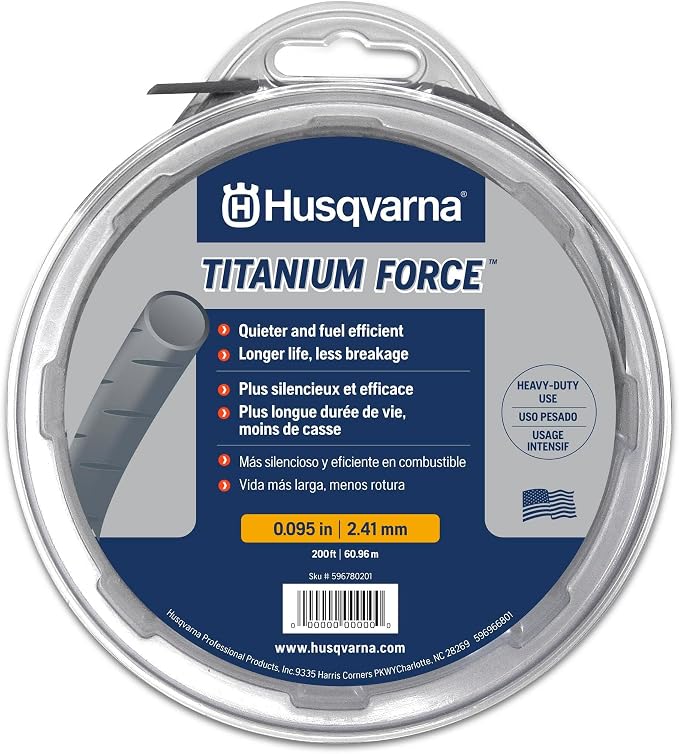
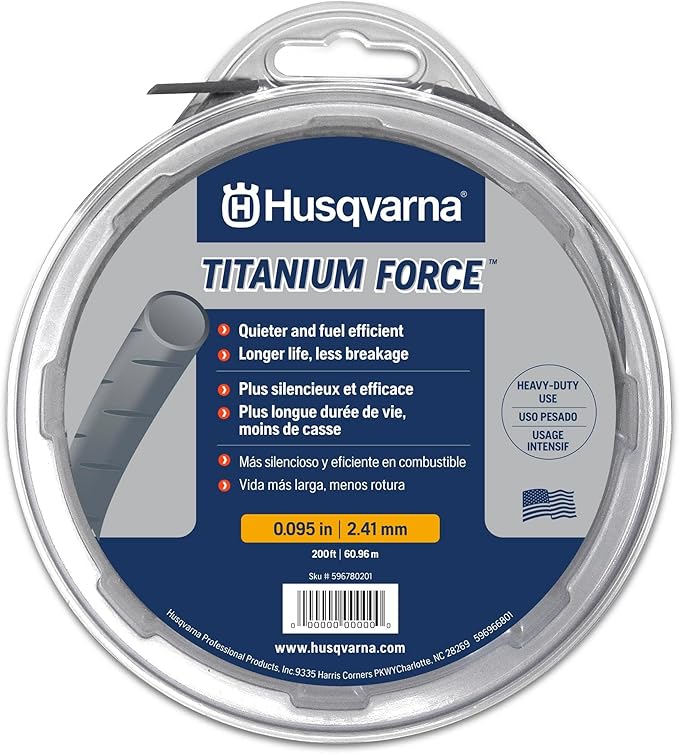
My top recommendation is the Husqvarna Titanium Force 0.095 String Trimmer Line because it combines a widely compatible diameter with durable co-polymer construction, reduced noise, and a useful 140-foot supply. The Viabrico .095″ Weed Eater String is the clear alternative for shoppers who want a larger, heavy-duty spool with a square cutting profile.
The five options below were compared using their line diameter, profile, material claims, cutting purpose, supply length, compatibility information, and the practical needs of homeowners, frequent users, and commercial operators. The rankings favor useful all-around performance, but each line has a different reason to make sense for a particular trimmer and job.
Best String Trimmer Line Picks at a Glance
| Product | Name | Price |
|---|---|---|
 |
Husqvarna Titanium Force 0.095 String Trimmer Line | Check Price |
 |
Viabrico .095″ Weed Eater String | Check Price |
 |
Arnold Commercial Grade String Trimmer Line.065-Inch X | Check Price |
 |
Anleolife .095″ Commercial Square String Trimmer Line | Check Price |
 |
Echo 330095071 String | Check Price |
1. Husqvarna Titanium Force 0.095 String Trimmer Line
The Husqvarna Titanium Force earns the top position by offering a balanced combination of durability, compatibility, manageable size, and homeowner-friendly operation. Its 0.095-inch diameter is a common size for many standard gas, electric, and cordless trimmer heads, and the included spool provides 140 feet of line. That is enough to keep a typical yard maintained without committing to an enormous bulk roll.
This line uses a round, dimpled, co-extruded design made from commercial-grade polymer. The construction is intended to resist abrasion and reduce breakage while retaining flexibility. That balance matters during edging, trimming around landscape borders, and working near ordinary obstacles where a brittle line can disappear quickly. The undulated surface is also engineered for quieter operation and precise cutting.
Noise reduction is one of this product’s more distinctive claims. Husqvarna states that the patented design can reduce noise levels by 50 percent, which may be especially appealing to homeowners who trim near houses, neighbors, or family areas. A quieter line will not make a trimmer silent, but it can make routine cleanup less unpleasant.
Manufactured in the United States, the line is presented as suitable for all standard string trimmer heads. Its commercial-grade positioning also makes it a reasonable choice for users who want more resilience than a basic economy line without moving to an unusually large diameter.
Before loading it, confirm that your trimmer head accepts 0.095-inch line and follow the head’s recommended winding direction. The round profile is versatile, but users seeking especially aggressive edges for thick weeds may prefer a square or star-shaped alternative. For most general trimming and edging, however, the combination of 140 feet, flexibility, and reduced breakage makes this a dependable first choice.
2. Viabrico .095″ Weed Eater String
Viabrico’s .095-inch line is the clear alternative to the Husqvarna because it emphasizes cutting aggression, bulk quantity, and heavy-duty use. The orange square profile creates four pronounced edges that are designed to increase the effective cutting surface and leave clean edges around grass, weeds, borders, and fence lines. That shape can appeal to users who want a more decisive bite than a traditional round line provides.
The spool contains 330 feet of line and weighs 1.63 pounds, giving frequent trimmers substantially more material before a replacement is needed. It is made from premium polyamide and is advertised with a 110-pound tensile weight and high impact resistance. Those claims suggest a line intended for demanding vegetation and repeated use rather than occasional touch-ups alone.
Another useful feature is precision winding. The manufacturer says the winding is designed to reduce misfeeds, jamming, and tangling, all of which can interrupt work and waste line. The product is also promoted as abrasion- and crack-resistant, including when edging around sharp rocks. Still, no nylon line is invulnerable, and aggressive square edges can wear faster when repeatedly striking hard surfaces.
Viabrico describes this line as universally compatible with gas, electric, and cordless trimmers that accept 0.095-inch line. That broad compatibility is helpful, but the diameter remains the deciding factor; “universal” does not mean it fits heads designed for thinner or thicker line. The orange color should also make the line easier to see during loading and handling.
Choose this spool when you trim large areas, maintain property edges frequently, or want a square line with a substantial reserve. It may be more material than an occasional homeowner needs, and its aggressive profile is not a substitute for careful technique near delicate bark, siding, or decorative stone. Check the owner’s manual before loading and store the nylon spool away from excessive heat and moisture.
3. Arnold Commercial Grade String Trimmer Line.065-Inch X
The Arnold Commercial Grade line takes third place because it serves a narrower but important need: users whose trimmer head calls for a thinner 0.065-inch line. Rather than competing directly with the .095-inch options above, it provides a lighter-gauge choice for compatible equipment and jobs where a smaller line is more appropriate.
Its six-point star shape is designed to improve cutting performance through multiple edged surfaces. Compared with a basic round line, a star profile can offer more pronounced contact points as the line rotates. That design is intended for larger jobs and frequent use, according to the supplied product information, making it more substantial than a basic light-duty refill despite its smaller diameter.
The spool contains 220 feet, a useful amount for routine maintenance and repeated trimming. A thinner line can be easier for a compatible head to spin and may be a practical fit for equipment that is not rated for heavier commercial diameters. It also avoids the common mistake of forcing oversized line into a head that was designed for a lighter gauge.
The main trade-off is that 0.065-inch line generally does not offer the same reserve against heavy weeds, woody growth, or repeated contact with hard edges as a robust .095-inch line. The star profile improves the cutting edge, but it cannot change the basic limitations of a thinner line. This is therefore a fit-specific recommendation rather than the broadest all-purpose pick.
Use the Arnold when your manual specifies 0.065 inch and you want an edged profile for regular trimming. Confirm both the diameter and the head’s maximum line length before installation, since a line that is too long can affect motor load and feeding. If your trimmer accepts .095 line and regularly handles dense weeds, one of the thicker ranked choices will likely be a better match.
4. Anleolife .095″ Commercial Square String Trimmer Line
Anleolife’s .095-inch commercial square line ranks fourth primarily because its greatest advantage is quantity. The five-pound spool contains 1,280 feet, making it a practical choice for landowners, landscaping professionals, and homeowners with large properties who would rather buy one substantial supply than reload or reorder frequently.
The bright orange four-edge profile gives the line clearly defined cutting surfaces and improves visibility while loading. Square line is often attractive for grass cleanup, fence lines, lawn borders, and open yard areas because its edges are intended to cut more decisively than a round profile. Anleolife uses nylon 66 copolymer, a material selected for everyday durability in these applications.
The listed compatibility includes supported .095-inch heads from brands such as Husqvarna, Echo, Stihl, Weed Eater, EGO, Oregon, Milwaukee, and DeWalt. That list is useful as a starting point, but the actual trimmer model remains more important than the brand name. The line is described as compatible with gas and electric trimmers, and the spool includes a built-in cutter for reload preparation.
A bulk spool can lower the inconvenience of frequent line changes, but it also requires sensible storage. Keep it protected from direct sunlight, excessive heat, and conditions that could make nylon brittle or difficult to handle. The large roll may be awkward for someone who only trims a small lawn a few times per season, and a square profile may be less forgiving around delicate surfaces than a rounded one.
This is a strong ownership option when consumption is high and storage space is available. Verify that your head accepts .095-inch line and that its winding chamber can accommodate the required amount. If you want a smaller, ready-to-use supply with more emphasis on quiet operation, the Husqvarna is easier to manage; if you want maximum reserve for repeated work, Anleolife becomes more compelling.
5. Echo 330095071 String
The Echo 330095071 String rounds out the list with a versatile line aimed at residential and commercial jobs involving medium to heavy weeds. Its twisted design is intended to reduce noise and trimmer vibration, while its square edges provide additional cutting surfaces for faster, cleaner trimming. That combination gives it a useful middle ground between comfort and aggressive cutting.
The line is described as having a razor-sharp edge for efficient cutting and as being resistant to welding and high temperatures. Welding, sometimes called melting or fusing at the head, can be an aggravating problem when line overheats or rubs improperly during use. Resistance in this area may help maintain more consistent feeding, although correct loading and avoiding excessive head contact remain important.
Echo identifies the line as suitable for most brands of gas-powered trimmers. That makes it especially relevant to owners of gas equipment, but the available information does not establish universal compatibility with every electric or cordless model. The safe approach is to confirm the required diameter and line style in the trimmer manual before purchasing or installing it.
The trade-off is that the product information provides less detail about spool length and diameter than several of the other ranked choices. Buyers who need a very large reserve, a clearly stated .095-inch specification, or compatibility with battery equipment may find the Viabrico or Anleolife easier to evaluate. On the other hand, users who value a twisted, square-edged line for ordinary gas-trimmer work may appreciate Echo’s focused design.
Use the Echo line when your gas trimmer accepts it and your priorities include reduced vibration, clean edges, and resistance to heat-related problems. Load it evenly, avoid overfilling the head, and replace worn sections rather than continuing with a severely short or damaged strand. For unknown head specifications, consult the model manual first instead of relying only on the brand name.
How to Choose the Best String Trimmer Line
The right line is determined by the relationship between the trimmer, the vegetation, and the way you work. Diameter, shape, material, and quantity all matter, but none should be considered in isolation. A large commercial spool is not automatically better, and the sharpest profile may be inconvenient for delicate edging.
Start with the trimmer manufacturer’s requirements
Check the owner’s manual, the markings on the trimmer head, or the manufacturer’s replacement-line guidance before buying. The most important specification is usually diameter. The products in this roundup include 0.065-inch and 0.095-inch options, and those sizes are not interchangeable for every head.
Using line that is too thick can make loading difficult, interfere with automatic feeding, increase drag, and place additional demand on the motor. Using line that is too thin can produce poor cutting performance or excessive breakage in a head designed for a heavier strand. A listing that says “universal” still generally means universal among heads that accept that specific diameter.
Also check whether the head uses bump feed, automatic feed, fixed-line segments, or a proprietary cartridge. Most replacement spools of loose line are intended for reloadable heads, but the product description alone may not tell you whether a particular prewound spool or head configuration is supported.
Match the diameter to the work
Thinner line is often appropriate for light grass, small lawns, and compatible compact equipment. The Arnold’s 0.065-inch line is the clearest example here: its thinner gauge and six-point profile can suit a head designed for lighter line while still providing edged cutting surfaces.
A .095-inch line is a more substantial general-purpose choice for many residential and commercial trimmers. Husqvarna, Viabrico, and Anleolife all use that diameter, but their designs target somewhat different ownership needs. The Husqvarna balances flexibility and quieter operation, Viabrico emphasizes a heavy-duty square profile and a 330-foot supply, and Anleolife is built around a very large 1,280-foot reserve.
Do not choose diameter solely based on the thickness of the weeds. The trimmer’s motor and head must be rated for it. For woody stems, saplings, or vegetation beyond the intended role of a string trimmer, switching to a tool designed for heavier growth is safer and more effective than forcing oversized line into the head.
Understand line shapes and what they change
Round line is a common starting point because it feeds predictably and works well for general grass trimming. It tends to be a forgiving shape around ordinary obstacles, and the Husqvarna’s round, dimpled design adds a more specialized surface intended to support precise cutting and lower noise.
Square line has four edges that can provide a crisp cutting action in grass and weeds. Viabrico and Anleolife use square profiles, while Echo combines square edges with a twisted design. This style is appealing for fence lines, borders, and dense grass, but the edges can be less forgiving when they repeatedly strike masonry, metal, or tree bark.
Star and other multi-point profiles add still more edged surfaces. Arnold’s six-point star shape is designed to enhance cutting performance, but the benefit only matters if the line fits the head and the job. A specialized shape is not automatically more durable in every situation; hard impacts, incorrect loading, and excessive speed can shorten the life of any profile.
Consider material and construction claims carefully
Line construction affects how it handles abrasion, impact, heat, and flexing. The listed products use formulations including commercial-grade polymer, polyamide, and nylon 66 copolymer. These descriptions indicate an effort to balance toughness and flexibility, but actual life still depends on the trimming environment and technique.
Co-extruded construction, such as that used by Husqvarna, can be attractive when you want a line designed around multiple performance characteristics rather than a single basic material. Viabrico highlights polyamide, tensile strength, and impact resistance, while Anleolife identifies nylon 66 copolymer for regular cleanup and fence-line work. Echo emphasizes resistance to welding and high temperatures.
These features are useful decision points, not guarantees that the line will never snap or melt. Contact with concrete, rocks, steel edging, and other abrasive surfaces will consume line faster. A cleanly loaded head and the correct length are just as important as the material label.
Choose the right amount of line
Supply length should reflect how often you trim and how much property you maintain. A 140-foot spool is convenient for routine homeowners who want a manageable amount on hand. A 220-foot spool can be a sensible middle option when trimming is more frequent or the line is thinner.
Viabrico’s 330-foot roll provides a larger reserve without reaching the scale of a professional bulk spool. Anleolife’s 1,280 feet is intended for heavy consumption, large yards, land management, or landscaping work. Buying in bulk can reduce interruptions, but only if you have suitable storage and expect to use the line before it deteriorates or becomes difficult to handle.
Large spools can also require more preparation. You may need to measure and cut consistent lengths before winding, and you must avoid overfilling the head. Too much line can prevent proper feeding and cause the strand to drag or bind. Follow the head’s capacity rather than trying to use the entire spool at once.
Balance cutting power with control
A more aggressive line can make quick work of dense grass, but it can also increase the consequences of poor technique. Keep the head at an appropriate height, use the trimmer’s intended cutting zone, and avoid intentionally hammering hard surfaces. When edging beside a wall, curb, decorative stone, or young tree, a more forgiving profile and slower movement can protect both the line and the surrounding feature.
Line that is too short may fail to reach the guard’s intended cutting width, while line that is too long can overload the head or make the trimmer harder to control. The guard is also part of the safety system, so do not remove it to gain extra reach. Use eye protection, sturdy footwear, long pants, and hearing protection when appropriate, particularly with gas-powered equipment.
Think about noise, vibration, and comfort
Frequent trimming makes comfort more important than it may seem during a single short session. Husqvarna specifically highlights reduced noise, and Echo describes a twisted design intended to reduce noise and vibration. These features may be meaningful for users who maintain larger areas or work near homes.
Noise and vibration also come from the trimmer engine, head balance, shaft, and contact technique. A low-noise line cannot compensate for a damaged head or an engine operating improperly. If vibration suddenly increases, stop the machine and inspect the head, guard, and line rather than continuing through the problem.
Prepare and load the line correctly
Before reloading, shut off the trimmer and follow the manufacturer’s procedure for disconnecting the spark plug, removing the battery, or otherwise preventing accidental startup. Clean grass and debris from the head so the new line can move freely. Measure the recommended length and cut it cleanly; uneven pieces can create feeding problems.
Wind the line in the direction shown by the arrow on the spool. Keep each wrap beside the previous one instead of crossing over itself. Crossed or loose wraps are common causes of tangling and misfeeds. Leave the correct amount of line outside the eyelets, and make sure both ends are even if the head uses a single continuous piece.
When the head uses a bump-feed mechanism, check that the cap and spool are seated securely. With a fixed-line head, use the specified segment length and do not substitute a continuous spool without confirming compatibility. For models that use prewound cartridges, a loose bulk line may not be the right replacement format even when the diameter appears correct.
Store nylon line to preserve its condition
Store unused line in a cool, dry, shaded place and keep it in its original packaging when possible. Avoid leaving a spool in a hot vehicle, direct sun, or a damp outdoor shed for long periods. Heat and environmental exposure can affect nylon’s flexibility over time, making it more prone to snapping or difficult feeding.
Some users choose to keep line conditioned before use, but the supplied product information does not establish a specific soaking or treatment requirement for these products. Do not apply an unapproved chemical or lubricant to the spool. Following the trimmer and line manufacturer’s storage guidance is the safer approach.
Recognize common causes of breakage
Rapid breakage is often caused by contact with hard edges rather than a defective line. Concrete, chain-link fencing, rocks, metal edging, and dry woody stems can cut or abrade nylon quickly. Try changing the angle and keeping the head just far enough away from the obstacle to let the line work without constant impact.
Breakage can also result from using the wrong diameter, winding the spool too tightly or unevenly, overloading the head, or operating with a damaged eyelet. If a fresh spool repeatedly fails in the same place, inspect the head instead of simply installing more line.
Melting or welding near the spool can indicate excessive friction, heat, incorrect winding, or a line that does not suit the head. Echo specifically advertises resistance to welding and high temperatures, but even that feature does not remove the need for proper loading and inspection.
Use compatibility lists as a starting point
Brand names can help narrow the search, but model-specific instructions are more reliable. Anleolife lists supported makes including Husqvarna, Echo, Stihl, Weed Eater, EGO, Oregon, Milwaukee, and DeWalt for compatible .095-inch heads. Viabrico describes its line for gas, electric, and cordless trimmers accepting .095 inch. Husqvarna states compatibility with standard string trimmer heads.
Echo’s supplied information focuses on most brands of gas-powered trimmers, so battery users should be particularly careful to verify their model. Arnold’s .065-inch universal-fit description still requires a .065-inch-compatible head. Check the manual for line diameter, maximum length, and loading style before relying on a broad compatibility statement.
Best String Trimmer Line FAQ
What is the best string trimmer line for general yard work?
A durable .095-inch line is a strong general-purpose starting point when the trimmer is rated for that size. The Husqvarna Titanium Force 0.095 String Trimmer Line is particularly balanced because it offers a 140-foot supply, commercial-grade co-polymer construction, a round profile, and a design intended to reduce noise and breakage. The correct choice still depends on the head’s manual and the density of the vegetation.
Is thicker string trimmer line always better?
No. Thicker line can handle more demanding work when the trimmer is designed for it, but oversized line may bind, feed poorly, increase motor load, or fail to fit the head. Use the largest diameter specifically approved for your equipment rather than choosing based only on weed thickness.
Is square trimmer line better than round line?
Square line can provide pronounced cutting edges for grass, weeds, borders, and fence lines. Round line is often a more forgiving and versatile choice for general trimming. Neither profile is universally better. Select based on the approved line shape, the vegetation, and how much contact with hard surfaces is likely.
How do I know whether .065-inch or .095-inch line fits?
Look in the owner’s manual, on the trimmer head, or in the manufacturer’s replacement-line specifications. The Arnold product is designed for .065-inch heads, while Husqvarna, Viabrico, and Anleolife use .095-inch line. Do not assume a thinner or thicker size will work simply because the line can physically enter the eyelet.
Why does my trimmer line keep breaking?
Frequent breakage can come from striking rocks, concrete, fencing, metal edging, or woody growth. It can also indicate incorrect diameter, improper winding, an overloaded spool, or a damaged eyelet. Inspect the head, reload the line evenly, and adjust your trimming angle to reduce hard impacts.
How should I store extra string trimmer line?
Keep the spool in a cool, dry, shaded location and protect it from direct sunlight and excessive heat. Avoid leaving it in a hot vehicle for extended periods. Use the head’s recommended line length when cutting from a bulk spool, and do not overfill the spool during reloading.
Conclusion
The Husqvarna Titanium Force 0.095 String Trimmer Line is the strongest all-around choice for compatible standard heads, while the Viabrico .095″ Weed Eater String is a better alternative for heavy use and a larger reserve. Arnold suits .065-inch equipment, Anleolife favors bulk buyers, and Echo is a practical gas-trimmer option with a twisted, square-edged design. Confirm diameter and head compatibility first, then choose the profile and spool size that match your actual yard work.

I’m Maya L. Greenwood, a lifelong plant lover who believes anyone can grow something beautiful with the right guidance. After years of testing soil mixes, pruning methods, irrigation tricks, and pest-safe solutions, I started EasyGardenTips.com to turn hard-won lessons into step-by-step advice. From seed starting and container gardens to composting and seasonal checklists, my goal is to make gardening simple, sustainable, and fun.