How to Create Negative Pressure in a Grow Tent
Creating negative pressure in a grow tent is one of the simplest ways to improve ventilation and maintain a healthier growing environment. When a grow tent has negative pressure, the exhaust fan removes air faster than fresh air enters the tent. As a result, the tent walls pull inward slightly, indicating that air is flowing in the correct direction. This helps regulate temperature and humidity while ensuring that stale air, heat, and odors are efficiently removed.
Negative pressure is especially important if you’re using a carbon filter. Instead of allowing odors to escape through small gaps or unsealed openings, negative pressure forces all outgoing air through the carbon filter, improving odor control and keeping your grow space cleaner. It also encourages a steady supply of fresh, CO₂-rich air, which supports healthy plant growth throughout the growing cycle.
In this guide, I’ll explain what negative pressure is, why it matters, and how to create it in your grow tent using the right exhaust fan, intake setup, and ventilation practices. You’ll also learn how to recognize when your tent has proper negative pressure and how to avoid common mistakes that can reduce ventilation efficiency.
What Is Negative Pressure in a Grow Tent?

Negative pressure occurs when your exhaust fan removes more air than enters the grow tent. As air is pulled out, the air pressure inside the tent becomes slightly lower than the pressure outside. This pressure difference causes fresh air to enter through the intake vents or other designated openings.
One of the easiest ways to recognize negative pressure is by looking at the tent walls. If they’re pulled slightly inward while the exhaust fan is running, your grow tent is likely maintaining proper negative pressure.
How Negative Pressure Works
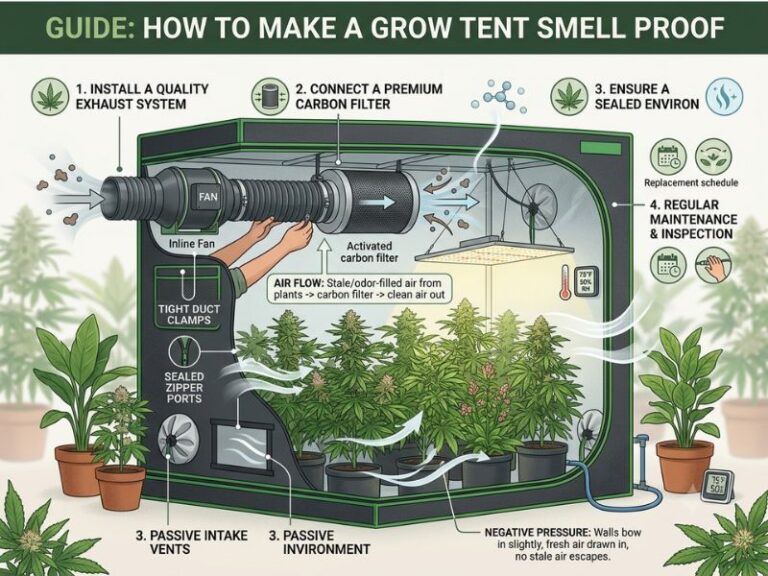
A typical grow tent ventilation system works like this:
- The exhaust fan pulls warm, humid air out of the tent.
- Fresh air enters through passive intake vents or an intake fan.
- Air flows across the plants before exiting through the carbon filter and exhaust duct.
- The continuous airflow keeps the growing environment stable.
Because the exhaust fan moves slightly more air than the intake system supplies, the tent maintains negative pressure and prevents air from leaking outward.
Negative Pressure vs. Positive Pressure
The difference between negative and positive pressure is the direction of airflow.
| Negative Pressure | Positive Pressure |
| Exhaust airflow is greater than intake airflow | Intake airflow is greater than exhaust airflow |
| Tent walls pull inward | Tent walls may bulge outward |
| Air enters through intake vents | Air escapes through gaps and openings |
| Better odor control | Greater chance of odor leaks |
For most indoor grow tents, negative pressure is the preferred setup because it ensures all outgoing air passes through the carbon filter before leaving the tent.
Why Growers Prefer Negative Pressure
Negative pressure helps create a controlled growing environment by directing airflow exactly where it’s needed. Instead of allowing unfiltered air to escape through small openings, it forces air to follow the intended ventilation path.
This improves:
- Odor control
- Temperature regulation
- Humidity management
- Fresh air exchange
- Overall ventilation efficiency
With a properly sized exhaust fan and a well-sealed grow tent, creating negative pressure is straightforward and requires very little maintenance. In the next section, you’ll learn why maintaining negative pressure is so important for plant health and grow tent performance.
Why Negative Pressure Is Important
Negative pressure does more than pull the walls of your grow tent inward. It improves the efficiency of your entire ventilation system, helping create a stable environment where plants can thrive. From controlling odors to maintaining proper temperature and humidity, negative pressure plays a key role in indoor growing.
Better Odor Control
One of the biggest advantages of negative pressure is effective odor management. When the exhaust fan creates negative pressure, all outgoing air is forced through the carbon filter before leaving the tent.
Without negative pressure, air can escape through small gaps around zippers, duct ports, or seams, allowing odors to bypass the carbon filter.
More Efficient Air Exchange
Negative pressure continuously draws fresh air into the grow tent while pushing stale air out. This steady airflow helps replenish carbon dioxide (CO₂), which plants need for photosynthesis, while removing excess heat and moisture.
A consistent air exchange also prevents stagnant air from developing around the plant canopy.
Better Temperature Control
Grow lights produce heat, and that heat can build up quickly inside an enclosed grow tent. Negative pressure allows the exhaust fan to remove warm air efficiently, helping maintain a stable temperature throughout the growing cycle.
This reduces the risk of heat stress and creates a more comfortable environment for your plants.
Improved Humidity Management
As plants grow, they release water vapor through transpiration. Without adequate ventilation, humidity levels can rise and increase the likelihood of mold, mildew, and bud rot.
Negative pressure helps remove humid air before moisture becomes a problem, especially during the flowering stage when humidity control is critical.
Helps Keep Dust and Pests Out
Because fresh air enters primarily through the designated intake vents, negative pressure reduces the amount of unfiltered air entering through random gaps in the tent. If you use intake filters or mesh screens, they can also help reduce dust, insects, and other contaminants from entering your grow space.
Supports Carbon Filter Performance
Carbon filters work best when all exhaust air passes through them. Negative pressure ensures the filter receives the full airflow from the exhaust system, maximizing odor removal and improving the overall efficiency of your ventilation setup.
Bottom Line
Negative pressure is an essential part of a well-designed grow tent ventilation system. It improves odor control, increases air exchange, regulates temperature and humidity, and helps your carbon filter work more effectively. In the next section, I’ll show you the simple steps to create and maintain negative pressure in your grow tent.
How to Create Negative Pressure in a Grow Tent
Creating negative pressure is easier than many beginners think. The goal is to make your exhaust system remove slightly more air than enters the tent. With the right fan setup and a few simple adjustments, you can create consistent airflow and improve the efficiency of your grow tent ventilation.
Install the Correct Exhaust Fan
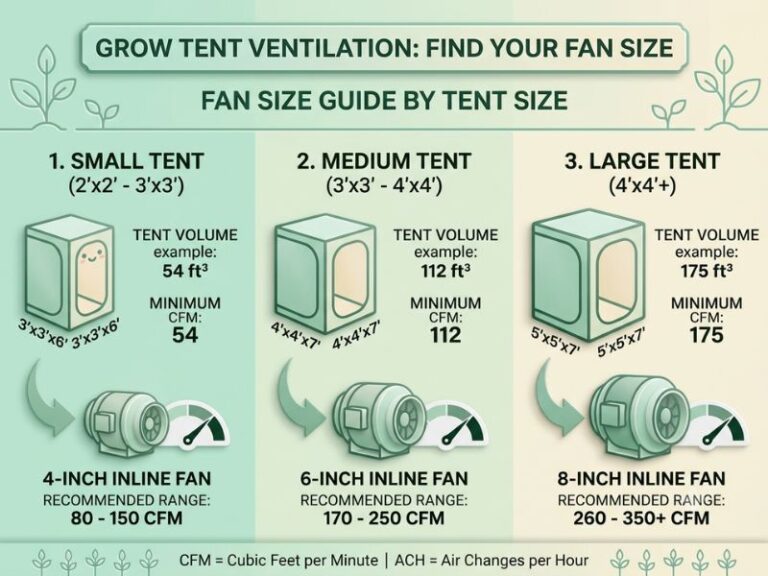
The exhaust fan is the most important component for creating negative pressure. Choose an inline fan with enough CFM to handle your grow tent size, lighting system, and carbon filter.
If the fan is too small, it won’t remove enough air to create negative pressure. If it’s properly sized, the tent walls should pull inward slightly when the fan is running.
Use Passive Intake Vents
Most home grow tents don’t need an intake fan. Instead, open one or two passive intake vents near the bottom of the tent.
As the exhaust fan removes air, fresh air is naturally pulled through these vents. This simple setup is often enough to maintain proper airflow while using less electricity than an active intake system.
Keep the Exhaust Fan Stronger Than the Intake
If you’re using an active intake fan, make sure it doesn’t move more air than the exhaust fan.
As a general rule:
- The exhaust fan should have a higher CFM than the intake fan.
- If both fans are adjustable, set the exhaust fan to a higher speed.
This ensures the tent maintains slight negative pressure instead of becoming positively pressurized.
Seal Air Leaks
Air leaks reduce the effectiveness of negative pressure and allow odors to escape before passing through the carbon filter.
Check for leaks around:
- Zippers
- Duct ports
- Electrical cable openings
- Seams
- Unused ventilation ports
Close unused openings and ensure the tent is fully zipped during operation.
Install a Carbon Filter
Mount the carbon filter inside the grow tent and connect it directly to the inline exhaust fan. A common setup is:
Carbon Filter → Inline Fan → Ducting → Outside the Grow Tent
This configuration ensures that all outgoing air passes through the carbon filter before leaving the tent, maximizing odor control.
Adjust the Fan Speed
Many modern inline fans include variable speed controllers. If the tent walls barely move inward, increase the fan speed slightly. If the walls collapse inward too aggressively, reduce the speed until you achieve gentle negative pressure.
The goal isn’t to create extreme suction—just enough pressure difference to keep airflow moving in the correct direction.
Keep Intake Vents Clear
Avoid blocking the intake vents with pots, equipment, or storage boxes. Restricted intake airflow makes it harder for fresh air to enter the tent and can reduce the efficiency of your ventilation system.
Check Your Setup Regularly
As your plants grow, humidity and heat levels increase. Periodically inspect your ventilation system to ensure:
- The exhaust fan is operating properly.
- The carbon filter isn’t clogged.
- Ducting remains straight and unobstructed.
- The tent walls still pull inward slightly.
Regular maintenance helps maintain consistent negative pressure throughout the entire growing cycle.
How to Tell if Your Grow Tent Has Negative Pressure
After setting up your ventilation system, it’s important to confirm that your grow tent is actually maintaining negative pressure. Fortunately, you don’t need any special tools. A few simple observations can tell you whether your system is working correctly.
The Tent Walls Pull Inward
The easiest way to identify negative pressure is by looking at the sides of your grow tent.
When the exhaust fan is running, the tent walls should be slightly pulled inward. This indicates that the fan is removing air faster than it enters, creating the pressure difference needed for proper ventilation.
If the walls remain perfectly straight or bulge outward, your ventilation system may need adjustment.
Fresh Air Enters Through the Intake Vents
Open the passive intake vents while the exhaust fan is running. You should feel fresh air being drawn into the tent.
This steady airflow confirms that the exhaust fan is creating enough suction to pull fresh air inside instead of allowing stale air to leak out.
Odors Stay Inside the Tent
If you’re using a carbon filter, one of the best signs of proper negative pressure is effective odor control.
When all exhaust air passes through the filter, little to no odor should escape into the surrounding room. If you notice strong smells outside the tent, check for:
- Air leaks around zippers or duct ports
- An undersized exhaust fan
- A worn-out carbon filter
- Positive pressure caused by excessive intake airflow
Stable Temperature and Humidity
A grow tent with proper negative pressure should maintain relatively stable environmental conditions.
If temperatures and humidity remain within your target range without frequent fluctuations, it’s a good indication that your ventilation system is exchanging air efficiently.
Air Only Exits Through the Exhaust System
The only place air should leave the tent is through the carbon filter, inline fan, and exhaust ducting.
If you feel air escaping around seams, cable ports, or partially opened zippers, your tent may have leaks that reduce negative pressure and allow odors to bypass the carbon filter.
Use a Simple Tissue Test
A quick way to verify airflow is with a small piece of tissue paper.
Hold the tissue near one of the passive intake vents while the exhaust fan is running. If the tissue is gently pulled toward the vent, fresh air is being drawn into the tent correctly.
This simple test can help confirm that your ventilation system is creating negative pressure without any specialized equipment.
Common Mistakes to Avoid
Even with quality equipment, a few setup mistakes can prevent your grow tent from maintaining proper negative pressure.
Using an Intake Fan That’s Too Powerful
If the intake fan moves more air than the exhaust fan, the tent can develop positive pressure, causing odors to escape through small openings.
Always ensure the exhaust system moves slightly more air than the intake system.
Choosing an Exhaust Fan That’s Too Small
An undersized exhaust fan may not overcome the airflow resistance created by carbon filters and ducting. As a result, the tent may never achieve proper negative pressure.
Choose a fan with sufficient CFM for your tent size and ventilation setup.
Opening Too Many Intake Vents
Opening every intake vent reduces the pressure difference inside the tent.
Most growers only need one or two passive intake vents open to maintain efficient airflow.
Ignoring Air Leaks
Small leaks around zippers, seams, duct ports, and cable openings allow air and odors to escape before reaching the carbon filter.
Keep the tent fully sealed except for the intended intake and exhaust openings.
Neglecting Carbon Filter Maintenance
Over time, carbon filters collect dust and become less effective. A clogged filter restricts airflow, making it harder for the exhaust fan to maintain negative pressure.
Inspect and replace the carbon filter as recommended by the manufacturer.
Running Fans at the Wrong Speed
If your inline fan has a speed controller, avoid setting it too low. Insufficient airflow may eliminate negative pressure altogether.
Likewise, running the intake fan too fast can overpower the exhaust system.
Proper fan balance is the key to maintaining consistent negative pressure and efficient ventilation throughout the growing cycle.
Frequently Asked Questions
Is negative pressure good for a grow tent?
Yes. Negative pressure is the preferred ventilation setup for most grow tents because it improves air exchange, controls odors, and helps maintain stable temperature and humidity. It also ensures that all exhaust air passes through the carbon filter before leaving the tent.
Should the intake and exhaust fans be the same size?
Not necessarily. If you’re using an active intake fan, the exhaust fan should move slightly more air than the intake fan to maintain negative pressure. Many home growers skip the intake fan altogether and rely on passive intake vents.
Can a grow tent have too much negative pressure?
Yes. Excessive negative pressure can restrict airflow by making it difficult for enough fresh air to enter the tent. It may also place unnecessary strain on the exhaust fan and cause the tent walls to collapse inward more than they should.
If this happens, slightly reduce the exhaust fan speed or open an additional passive intake vent.
Do all grow tents need negative pressure?
Most grow tents benefit from negative pressure, especially if you’re using a carbon filter or need reliable odor control. While it’s possible to grow plants without it, maintaining slight negative pressure results in more efficient ventilation and a healthier growing environment.
Will negative pressure improve odor control?
Absolutely. Negative pressure forces all outgoing air through the carbon filter instead of allowing odors to escape through gaps, zippers, or unused duct ports. This makes it one of the most effective ways to reduce smells from your grow tent.
Can I create negative pressure without an intake fan?
Yes. In fact, most home grow tents use passive intake vents instead of an active intake fan. As long as your exhaust fan is properly sized, it will naturally draw fresh air into the tent through the intake vents.
Conclusion
Creating negative pressure in a grow tent is one of the easiest ways to improve ventilation, control odors, and maintain a stable growing environment. By ensuring your exhaust fan removes slightly more air than enters the tent, you encourage fresh air to flow through the intake vents while directing all exhaust air through the carbon filter.
The basic formula is simple: choose a properly sized exhaust fan, use passive intake vents or a lower-powered intake fan, seal unnecessary air leaks, and keep your ventilation system clean and well-maintained. When everything is working correctly, the tent walls will pull inward slightly, temperatures and humidity will remain stable, and odors will stay under control.
Whether you’re setting up your first grow tent or optimizing an existing one, maintaining slight negative pressure is a small adjustment that can make a significant difference in the overall performance of your indoor garden.

I’m Maya L. Greenwood, a lifelong plant lover who believes anyone can grow something beautiful with the right guidance. After years of testing soil mixes, pruning methods, irrigation tricks, and pest-safe solutions, I started EasyGardenTips.com to turn hard-won lessons into step-by-step advice. From seed starting and container gardens to composting and seasonal checklists, my goal is to make gardening simple, sustainable, and fun.