Find the Quietest Electric Lawn Mower for Small Gardens
It is a quiet Saturday morning, and the sun has just started to warm your small back garden. You decide it is the perfect time to tidy the lawn before breakfast. Just as you open the shed, your neighbour starts their old petrol mower, and the roar drowns out the birds.
For anyone living in suburban or terraced housing, noise levels can make or break the gardening experience. The search for a quiet, efficient, and eco-friendly mower is becoming increasingly important. Electric mowers have evolved to meet that need, combining powerful cutting performance with near-silent operation.
This guide will help you find the quietest electric lawn mower for small gardens. You will learn why noise levels matter, what makes some models quieter, and which brands offer the lowest decibel ratings. By the end, you will know how to choose a mower that keeps your garden neat without disturbing the peace.
Why Noise Level Matters in Small Gardens
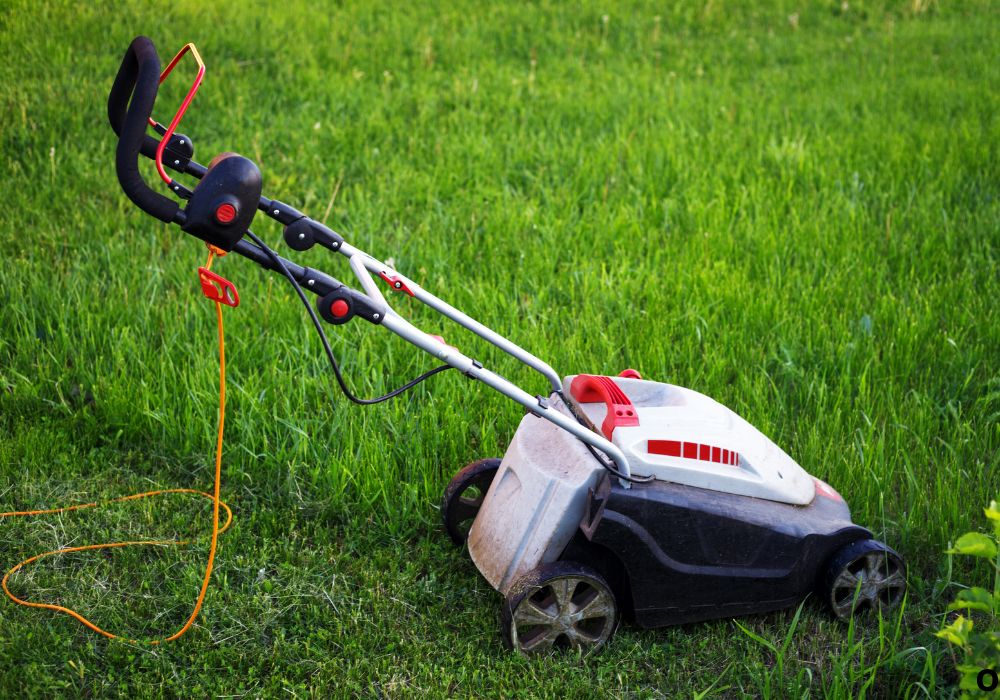
Noise levels affect comfort, convenience, and neighbourly harmony. In small gardens surrounded by fences and brick walls, sound bounces and amplifies, making even a modest mower seem louder than expected.
Traditional petrol models typically produce 90 to 95 decibels, roughly equal to a motorbike engine. Electric mowers, on the other hand, operate between 65 and 75 decibels, closer to normal conversation volume. This makes a major difference for early-morning or evening mowing sessions.
Lower noise reduces fatigue as well. Constant exposure to loud sounds can cause headaches and tension. A quiet mower lets you focus on neat lines and consistent patterns instead of the drone of an engine.
Many councils in the UK encourage the use of quieter garden tools to cut noise pollution. Homeowners increasingly choose low-decibel mowers that meet community standards. Whether you live in a close-knit neighbourhood or simply value calm, a quiet mower helps maintain harmony on both sides of the fence.
What Makes an Electric Lawn Mower Quiet
The secret behind a quiet electric mower lies in its engineering. Brushless motors, insulated housings, and improved blade designs all work together to reduce vibration and noise.
A brushless motor eliminates the friction that traditional brushed motors create. With fewer moving parts, there is less mechanical noise and greater energy efficiency. Manufacturers also enclose the motor in sound-absorbing materials that dampen vibrations before they escape.
Another key factor is the blade. Smooth, balanced blades spin evenly, preventing the whirring or rattling common in older models. Some brands design curved blades that slice through grass with minimal turbulence, lowering sound by several decibels.
Deck design also matters. Rounded cutting decks allow air to flow evenly under the mower, reducing echoing noises. Combined with rubber-coated wheels and soft handles, the result is a noticeably quieter mowing experience.
Proper maintenance is the final piece. Sharp blades and lubricated parts prevent unnecessary resistance that increases both effort and sound.
Average Decibel Ratings of Quiet Electric Mowers
Understanding decibel ratings helps you compare models accurately. Decibels (dB) measure sound intensity, and a 10-point increase represents roughly double the perceived volume.
Most petrol mowers produce 90–95 dB. Standard electric models register 75–85 dB, while the quietest electric mowers operate between 60 and 70 dB. That range is comparable to a normal conversation or dishwasher cycle.
For small gardens, anything under 70 dB is ideal. It allows you to mow early or late without disturbing others. Some premium cordless models, especially those using brushless motors, achieve whisper-quiet performance as low as 62 dB.
If you are comparing products, look for verified sound measurements on manufacturer labels. Mowers tested under EU sound-power standards provide the most reliable numbers. Remember, the decibel scale is logarithmic, meaning even small reductions produce significant real-world differences.
Choosing a mower rated below 70 dB means you can enjoy peaceful mornings and calm evenings while keeping your lawn perfect.
Comparing the Quietest Electric Mower Brands
Several leading manufacturers focus specifically on reducing noise levels while maintaining strong cutting performance.
Bosch CityMower 18V produces about 65 dB of noise, making it one of the quietest models available. It is compact, cordless, and designed for lawns under 300 square metres.
Flymo EasiStore 340R Li sits at around 68 dB. It folds neatly for storage and features an easy-start button that eliminates engine noise completely.
Makita DLM330Z operates at 67 dB and uses a brushless motor to deliver professional results with minimal sound. Its steel deck adds stability without increasing vibration.
Ryobi 36V 33cm offers roughly 70 dB output, combining balanced weight with powerful torque for thicker grass.
EGO Power+ 42cm comes in around 65 dB and leads in runtime and build quality. Though slightly pricier, it provides premium performance with exceptional quietness.
Each of these brands uses advanced battery and motor systems to achieve near-silent mowing. For small gardens, the Bosch and Flymo ranges remain particularly well suited because of their size and manoeuvrability.
Key Features to Look for in a Quiet Mower

When shopping for the quietest electric mower, several design features make all the difference.
First, prioritise models with brushless motors. They generate less heat and mechanical friction, keeping sound levels low. Pair this with a compact cutting deck, ideally between 30 and 38 centimetres, to suit smaller gardens and reduce air turbulence.
Look for soft-grip or anti-vibration handles. These reduce the buzz transferred through your arms and make mowing more comfortable. Weight also matters; mowers under 15 kilograms are easier to manoeuvre quietly around tight spaces.
Choose batteries with sufficient amp-hours (Ah) for your lawn size. Efficient power delivery prevents the motor from straining, which also limits noise. Finally, adjustable cutting heights allow smoother operation over uneven ground. The more level your lawn stays, the quieter your mower will sound.
By combining these features, you create an effortless and peaceful mowing experience that keeps both your ears and your neighbours happy.
How to Measure and Maintain Mower Quietness
Maintaining your mower’s quiet operation requires simple but consistent care.
Start by understanding how decibel ratings are measured. Manufacturers test mowers at fixed distances under controlled conditions, but actual noise can differ in gardens with hard surfaces that reflect sound. You can download free smartphone apps that measure real-world noise levels to monitor performance over time.
Cleaning plays a huge role. Grass clippings trapped in the deck increase vibration and airflow resistance. After each use, turn the mower off, remove the battery, and clear debris with a brush or dry cloth.
Keep blades sharp to avoid tearing grass, which causes the motor to strain. Lubricate wheels and moving joints occasionally to prevent squeaking. If your mower suddenly becomes louder, inspect for loose screws or a bent blade.
A well-maintained mower not only runs quieter but also lasts longer and delivers a cleaner, healthier cut every time.
Environmental and Comfort Benefits of Quiet Electric Mowers
Quiet mowers are not just convenient — they are environmentally friendly and contribute to healthier living spaces.
Electric models produce no exhaust fumes and far lower carbon emissions than petrol engines. Combined with low noise, this makes them ideal for densely populated neighbourhoods where tranquillity matters.
From a comfort perspective, quieter operation reduces stress and allows you to enjoy the process of mowing rather than endure it. The soft hum of a modern electric mower blends naturally with background sounds rather than overpowering them.
Pets, children, and wildlife benefit too. Studies show that consistent high-frequency noise can disturb birds and small mammals. By choosing a quieter machine, you preserve your local ecosystem.
Owning a low-decibel mower enhances both your peace of mind and your environmental footprint — proof that green technology can truly be quiet and powerful at the same time.
Choosing the Perfect Quiet Mower for Your Small Garden
Selecting the right quiet mower means balancing size, noise level, and functionality.
Start with your lawn area. For gardens under 300 square metres, a deck size of 30–34 centimetres works best. It keeps weight and sound levels manageable. Ensure the noise rating is below 70 decibels, and aim for models under 15 kilograms for easy lifting.
Decide between corded and cordless. Corded options offer constant power but can be slightly louder because of motor speed. Cordless mowers, powered by lithium-ion batteries, provide near-silent operation and freedom from cables.
Additional features such as foldable handles and rear rollers make compact mowers even more practical for smaller gardens. Pay attention to runtime and charging time — shorter lawns need less capacity, so lighter batteries are sufficient.
A quiet electric mower transforms lawn care into a calm, satisfying ritual. Instead of engine roar, you hear only the gentle rustle of freshly cut grass.
Common Questions About-Quiet Electric Lawn Mowers
What is considered a quiet lawn mower noise level?
Anything under 70 decibels is classed as quiet for domestic use.
How many decibels is a typical electric mower?
Most fall between 65 and 80 decibels depending on power output.
Are cordless mowers quieter than corded ones?
Yes, cordless models are generally quieter because they run on batteries.
Can I mow early in the morning with a quiet mower?
Yes, as long as local noise rules permit and levels stay below 70 dB.
What is the quietest mower brand in the UK?
Bosch and EGO currently lead with models around 65 dB.
How do brushless motors reduce noise?
They remove friction between moving parts, lowering vibration.
Do smaller cutting decks make less noise?
Yes, compact decks generate less air movement and lower sound.
Can mower blade design affect sound levels?
Absolutely, curved and balanced blades cut smoother and quieter.
Is it safe to use quiet mowers on wet grass?
It is not recommended, as moisture affects safety and performance.
How long do quiet electric mowers usually run?
Typically between 25 and 45 minutes per charge, depending on battery size.
Are quiet mowers more expensive?
Not always, but premium low-noise technology may cost slightly more.
How can I make my mower run quieter?
Keep it clean, tighten loose parts, and sharpen blades regularly.
Do quiet mowers cut as well as petrol ones?
Yes, for small lawns they often produce cleaner, more consistent cuts.
Can I use noise-reducing barriers while mowing?
Yes, fences or hedges can absorb and diffuse sound effectively.
What’s the best quiet mower for a 200 m² small garden?
A 36-volt cordless model under 70 dB with a 34-cm deck is ideal.
Conclusion
Choosing the quietest electric lawn mower for your small garden is not only a matter of preference but also one of practicality, comfort, and sustainability. Noise levels have become an increasingly important factor for homeowners who want to maintain their gardens without disturbing neighbours or disrupting their own peace of mind.
The new generation of electric mowers shows just how far technology has come. Brushless motors, lightweight lithium-ion batteries, and improved deck designs make modern machines quieter, more efficient, and easier to operate. You can now trim your lawn early in the morning or during a relaxing evening without the roaring echo of petrol engines.
For most small gardens, the best quiet mowers operate under 70 decibels — roughly the sound of a normal conversation. They combine smooth cutting action with reduced vibration and low maintenance requirements. Not only does this make mowing more pleasant, but it also reduces fatigue, as less vibration means less strain on your hands and arms.
Beyond comfort, quiet mowers are better for the environment. They emit no fumes, require no oil changes, and use far less energy overall. Choosing a low-noise electric mower contributes to a greener lifestyle and supports sustainable living practices without sacrificing performance.
When selecting your model, consider your garden’s size, shape, and terrain. Cordless mowers are ideal for tight, obstacle-filled areas, while corded versions work well for simple rectangular lawns. Prioritise brushless motors, high-quality blades, and ergonomic designs for the best results.
In the end, the quietest mower does more than just cut grass — it enhances your overall outdoor experience. It transforms lawn maintenance into a calm, mindful activity where you can enjoy nature’s sounds rather than drown them out. With the right electric mower, you bring peace, precision, and beauty together in your garden every single time.

I’m Maya L. Greenwood, a lifelong plant lover who believes anyone can grow something beautiful with the right guidance. After years of testing soil mixes, pruning methods, irrigation tricks, and pest-safe solutions, I started EasyGardenTips.com to turn hard-won lessons into step-by-step advice. From seed starting and container gardens to composting and seasonal checklists, my goal is to make gardening simple, sustainable, and fun.