Is Hardwood Mulch Good for Plants? Pros and Cons
Hardwood mulch is good for most landscape plants when you spread it 2 to 3 inches deep and keep it away from stems and trunks. It helps soil hold moisture, slows weeds, moderates root temperature, and adds organic matter as it breaks down.
Do you worry that hardwood mulch might steal nutrients from flowers or shrubs? Are you tired of mulch washing away, blowing around, or turning into a soggy mat?
You’ll learn how hardwood mulch behaves, where it works best, how thick to spread it, and when another mulch makes more sense. You’ll also get practical fixes for common problems, from sour-smelling beds to mulch piled against tree trunks.
Used correctly, hardwood mulch can cut watering, make weeding less painful, and give planting beds a neat, finished look. Spread it too deeply, mix fresh mulch into the soil, or press it against bark, and you can create root, pest, and drainage problems.
This article takes about 9 minutes to read, and the useful bits are here:
- Choose the right hardwood mulch for beds, trees, and shrubs.
- Apply the correct depth without smothering shallow roots.
- Avoid nitrogen problems, mold, termites, and water loss.
- Compare hardwood mulch with pine bark and other options.
Is Hardwood Mulch Good for Plants?
Yes, hardwood mulch is good for plants when the material is clean, coarse enough to let air and water pass, and spread at the right depth. A 2-inch layer suits most flower beds, while 3 inches may work around shrubs and trees if the mulch stays several inches away from trunks.
Hardwood mulch comes from chipped or shredded deciduous trees such as oak, maple, beech, and ash. The pieces may be chunky, shredded, or finely ground, and that texture changes how quickly the mulch settles and breaks down.
The main benefits are practical:
- Moisture retention: Mulch slows evaporation, so soil stays damp longer after rain or watering.
- Weed control: A thick layer blocks light that weed seeds need to sprout.
- Temperature control: Mulch keeps soil cooler during hot weather and reduces sharp temperature swings.
- Erosion control: Wood pieces soften the impact of heavy rain and help soil stay in place.
- Organic matter: As hardwood mulch decays, it contributes carbon-based material to the topsoil.
Hardwood mulch won’t replace watering, improve badly compacted soil overnight, or stop every weed. A thin layer can leave enough sunlight for weeds, while a thick layer can hold too much moisture near crowns and trunks.
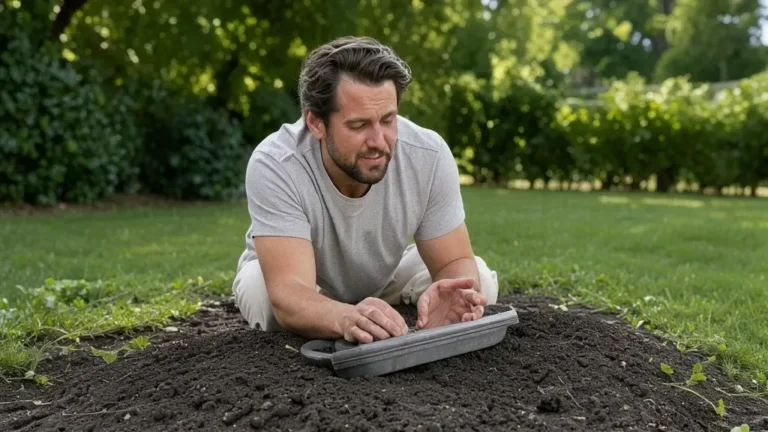
Application matters more than the label on the bag. Clear weeds first, water the soil, spread mulch evenly, and leave a bare ring around each plant. A young shrub with 2 inches of mulch around its root zone gets protection; the same shrub with 6 inches packed against its stems may struggle.
How deep should hardwood mulch be?
Spread hardwood mulch 2 to 3 inches deep across a planting bed, but keep the layer closer to 2 inches where the soil stays wet or plants have shallow crowns. Measure depth after the mulch settles, because shredded material can compress noticeably after rain.
Keep mulch at least 3 inches away from small plant stems and 6 to 12 inches away from tree trunks. That open space lets bark dry and reduces the chance of rot, insects, rodents, and disease problems.
Pro Tip: Pull mulch back with a rake before watering new plants. Water needs to reach the root ball, not stop at a dry crust on top of the mulch.
What Are the Pros and Cons of Hardwood Mulch?
Hardwood mulch offers strong weed and moisture control at a moderate cost, but its texture, age, and source affect performance. Coarse, aged hardwood usually works better in mixed beds than very fine material that packs tightly after repeated rain.
The table below gives the quick tradeoff.
| Feature | Benefit | Possible drawback |
|---|---|---|
| Moisture control | Slows evaporation and reduces watering frequency | Can keep wet soil too damp |
| Weed suppression | Blocks light and makes hand-weeding easier | Weeds still sprout in thin or settled layers |
| Appearance | Creates a clean, natural bed surface | Color fades as wood weathers |
| Soil improvement | Adds organic material as mulch decomposes | Breakdown can be slow in dry soil |
| Temperature control | Buffers hot and cold soil swings | Thick layers may delay spring soil warming |
| Cost | Usually less expensive than decorative stone | Needs occasional topping up |
| Texture | Shredded types resist blowing in light wind | Fine fibers may mat and repel water |
| Plant safety | Works around many shrubs, trees, and flowers | Poorly sourced mulch may contain contaminants |
One concern deserves a clear explanation: hardwood mulch on top of soil usually doesn’t take much nitrogen away from established plants. Nitrogen tie-up becomes more likely when fresh wood gets mixed into the soil, because decomposer organisms use available nitrogen while breaking down carbon-rich material.
That difference matters in a vegetable bed. Keep fresh hardwood mulch on the surface, or let it age before mixing it into garden soil. If you work wood material into the soil before planting, plants may grow pale or slowly until the nitrogen balance improves.
Could hardwood mulch attract termites? Mulch can provide shelter for insects, but wood mulch placed several inches away from a building’s foundation is less concerning than mulch touching siding, doors, or structural wood. Keep the layer thin near the house and maintain a visible strip between mulch and the foundation.
Hardwood mulch texture makes a difference
Shredded hardwood mulch forms a more connected blanket, so it stays in place on sloped beds and around shrubs. Coarse chips allow more air movement and usually drain better, but they can roll downhill during hard rain.
Very fine hardwood mulch can crust over. Water may run across the surface instead of soaking in, especially after the mulch dries completely. Break up crusted areas with a rake, then water slowly at soil level.
Fresh mulch can also smell sour when it lacks enough air during storage. That sour odor comes from fermentation, and it can harm tender plants if you spread the material thickly right away.
Important Tip: If a load smells like vinegar, ammonia, or rotten eggs, spread it thinly in a dry, airy spot and let the odor fade before using it around plants.
How Should You Use Hardwood Mulch Around Plants?
Use hardwood mulch after planting, weeding, and watering, then spread a level 2-inch layer while keeping stems, crowns, and trunks uncovered. The best result comes from matching the mulch depth to the plant and checking the bed after heavy rain.
Follow these steps:
- Remove existing weeds. Pull or cut weeds at soil level, taking out large roots when practical. Mulch suppresses new seedlings but won’t reliably kill established weeds.
- Check the soil. Water dry soil before mulching, and correct drainage problems first. Mulch won’t fix a low spot that stays flooded.
- Spread the material. Use a rake to create an even layer 2 to 3 inches deep. Avoid piles around plant crowns, which are the points where stems meet roots.
- Leave clearance. Keep mulch 3 inches from small stems and 6 to 12 inches from tree trunks. The bare gap should remain visible after rain settles the mulch.
- Inspect after storms. Pull mulch away from crowns, drains, walkways, and siding if it shifts. A few minutes with a rake can prevent bigger trouble later.
I once spread a fine hardwood mulch over a bed that drained slowly, thinking the extra layer would save more watering time. After several wet days, the surface stayed slick and compacted, so I raked it thinner and switched that area to a coarser material.
That mistake taught me a simple point: mulch must match the site, not just the plant list. A dry, sunny slope needs different texture and depth than a shaded bed beside a downspout.
Where hardwood mulch works best
Hardwood mulch performs well around:
- Ornamental trees
- Established shrubs
- Perennial flower beds
- Rose beds
- Walkways and landscape borders
- Sloped areas where shredded fibers can hold together
Use extra care around annual vegetables, seedlings, and plants with crowns close to the soil surface. These plants need quick access to nutrients and warmth, and a heavy wood layer can slow spring growth or make stem rot more likely.
What should you do if a tree already has a mulch volcano? Remove the extra material from the trunk outward, leaving a broad, shallow ring instead of a cone. Tree roots need oxygen, and bark needs to stay dry.
Hardwood mulch can also hide irrigation heads, edging, and low plants. Mark those features before spreading a truckload, because finding them later with a shovel is no picnic.
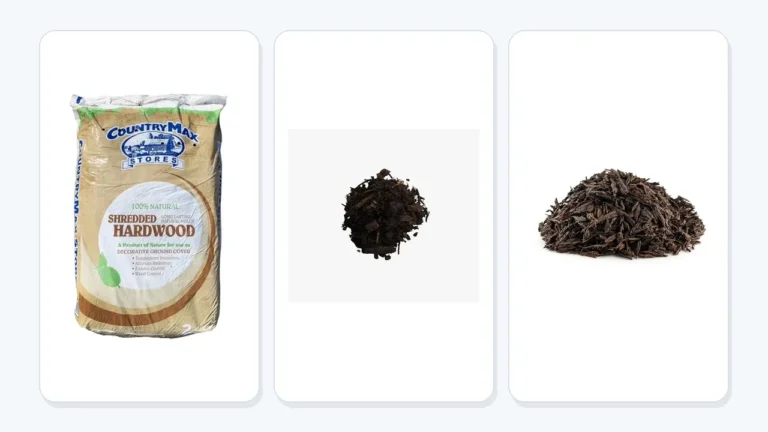
The right material also depends on how you shop. If bag size, texture, color, and cleanliness matter, compare bagged mulch brands before buying enough for a full bed. Bagged mulch costs more per cubic foot than bulk mulch, but it’s easier to move, store, and inspect.
How much hardwood mulch do you need?
One cubic yard covers about 162 square feet at 2 inches deep, or about 108 square feet at 3 inches deep. Coverage changes with settling, uneven ground, and how accurately the mulch gets spread.
Measure the bed in square feet, then use this simple estimate:
Length in feet × width in feet × depth in feet ÷ 27 = cubic yards needed
For a 10-by-12-foot bed at 2 inches deep, multiply 120 by 0.167, then divide by 27. The result is roughly three-quarters of a cubic yard, with a little extra useful for low spots and settling.
When Should You Choose Another Mulch?
Choose another mulch when the bed stays soggy, the plants need acidic conditions, the soil must warm quickly, or the site has special fire and pest concerns. Hardwood mulch is a solid general choice, but no single mulch fits every corner of a yard.
| Site condition | Hardwood mulch | Another good option |
|---|---|---|
| General shrub bed | Very good | Pine bark or leaf mulch |
| Acid-loving plants | Acceptable but not specially suited | Pine bark |
| Vegetable seedlings | Use lightly and away from stems | Straw or compost |
| Steep slope | Shredded types work well | Erosion-control fiber |
| Wet, poorly drained bed | Use a thin layer or fix drainage first | Coarse chips or no mulch |
| Decorative path | Usually too soft | Gravel or stone |
| Fire-prone location | Check local guidance first | Noncombustible mineral mulch |
Pine bark has a lighter texture and often works nicely around blueberries, azaleas, rhododendrons, and other plants that prefer acidic soil. Acid-loving plants still need a proper soil test, because pine bark alone won’t control soil pH.
Gardeners comparing textures can read about pine bark mulch options before choosing between bark nuggets, fines, and hardwood fibers. Pine bark often lasts well in beds, but the best grade depends on the plant size and the look you want.
Is pine bark automatically better than hardwood mulch? No. Pine bark mulch for plants can be a good fit for acid-loving beds, while hardwood mulch usually makes more sense for broad landscape areas where moisture control and weed suppression matter most.
For a vegetable garden, compost, shredded leaves, straw, or finished grass clippings may fit better than hardwood. Those materials can break down faster and add more directly useful organic matter, though each has its own issues with seeds, moisture, and appearance.
A thick layer of bark or wood mulch can delay soil warming in spring. If you’re planting tomatoes, peppers, or squash, wait until the soil has warmed, or pull mulch back from the planting row until seedlings are established.
Which hardwood mulch lasts longest?
Coarse shredded hardwood usually lasts longer than fine mulch because larger fibers resist fast breakdown and compaction. The actual lifespan depends on rainfall, sunlight, soil contact, mulch depth, and whether the product contains aged wood.
A good hardwood bed may need a light refresh once a year, while shaded beds can go longer without much topping. Add only enough new material to restore the target depth, because repeated full layers can bury plant crowns and raise the soil grade.
Readers comparing product texture may want to review long-lasting shredded hardwood before buying. Look for clean, consistent material without excessive dust, large chunks of construction debris, or a strong sour odor.
Color-enhanced mulch fades with sunlight and weather. Natural hardwood starts tan or brown and changes gradually, while dyed products may keep a darker appearance longer but still need careful sourcing.
Hardwood mulch mistakes that cause trouble
Most mulch problems come from placement, not from the basic idea of using wood. Watch for these mistakes:
- Piling mulch against tree trunks
- Spreading more than 4 inches in one application
- Covering plant crowns
- Mixing fresh mulch into the soil
- Mulching over perennial weeds
- Covering drainage channels or irrigation equipment
- Using unknown material from a questionable source
- Adding new mulch without checking the existing depth
Pro Tip: Push a ruler through the mulch near several plants once each season. Depth changes across a bed, and the deepest spot is the one most likely to cause trouble.
Mushrooms growing in hardwood mulch usually indicate active decomposition, not a plant disease. Remove them if they bother you, but focus on drainage and mulch depth if the bed smells sour or stays wet.
Keep mulch away from fire pits, grills, exterior wood, and vents. Local fire rules can differ, so check local guidance before using large amounts of wood mulch beside a building.
- Use 2 to 3 inches of hardwood mulch, not a deep mound.
- Keep mulch away from stems, crowns, trunks, siding, and drains.
- Surface-applied mulch is safer for nitrogen balance than wood mixed into soil.
- Choose pine bark, straw, compost, or stone when the site calls for a different texture or function.
FAQs About Is Hardwood Mulch Good
Is hardwood mulch safe for vegetable gardens?
Yes, hardwood mulch can be safe for vegetable gardens when it’s clean, aged, and kept on the soil surface. Leave space around stems, avoid mixing fresh wood into the planting soil, and use a thinner layer near seedlings so spring soil can warm.
Does hardwood mulch make soil acidic?
Hardwood mulch may slightly affect the soil surface as it decomposes, but it doesn’t reliably make the whole soil profile acidic. Soil pH depends on native soil, rainfall, irrigation water, and amendments, so a soil test gives a better answer than mulch color or smell.
How often should hardwood mulch be replaced?
Hardwood mulch commonly needs inspection once a year and topping when the layer drops below about 2 inches. Replacement timing depends on rainfall, sunlight, mulch texture, and decay, so add a thin fresh layer instead of burying the bed repeatedly.
Can hardwood mulch kill plants?
Hardwood mulch can damage plants when it’s fresh, sour-smelling, mixed into soil, piled against stems, or spread too deeply. Properly aged mulch placed 2 to 3 inches deep on the surface usually supports plant health instead of harming it.
Is black hardwood mulch better than natural mulch?
No, black hardwood mulch isn’t automatically better than natural mulch. Black color can create a certain landscape look, but performance depends more on wood quality, texture, depth, drainage, and placement than on dye color.
Can hardwood mulch attract bugs?
Hardwood mulch can shelter insects, especially where it stays damp and touches buildings or tree trunks. Keep mulch several inches from bark and foundations, correct wet spots, and remove decaying piles that provide easy hiding places.
The Best Hardwood Mulch Decision for Your Yard
Hardwood mulch is a smart pick for most established landscape beds because it controls weeds, slows moisture loss, and gives the soil a steady layer of organic cover. I’d choose a clean, moderately coarse product and spread it shallow rather than chasing a thick, dramatic mulch bed.
The deciding factors are simple: drainage, plant type, mulch texture, and placement. If the bed stays wet or contains seedlings, use less mulch or choose another material.
Start with one small section. Clear the weeds, water the soil, spread 2 inches of hardwood mulch, and leave every stem and trunk uncovered. If that area stays loose, evenly moist, and easy to maintain after a few weeks, the same method can guide the rest of the yard.

I’m Maya L. Greenwood, a lifelong plant lover who believes anyone can grow something beautiful with the right guidance. After years of testing soil mixes, pruning methods, irrigation tricks, and pest-safe solutions, I started EasyGardenTips.com to turn hard-won lessons into step-by-step advice. From seed starting and container gardens to composting and seasonal checklists, my goal is to make gardening simple, sustainable, and fun.