5 Best Shovel for Mulch That Scoops Fast Without Back Strain
Buy the wrong shovel and mulch turns into a wrestling match. A narrow blade may leave you making dozens of extra trips, while a heavy scoop can tire your back before the bed is covered. A handle that is too short also pushes you into awkward bending, especially when the pile sits on the ground.
For mulch, the useful balance is a wide scoop, a manageable total weight, and a handle that lets you work mostly upright. Metal can feel firm around wet or compacted material, while poly can be kinder to decking and easier to live with outdoors.
Here is what this guide helps you sort out:
- Which blade shapes suit loose mulch, wet mulch, and old compacted piles.
- How handle length and grip shape affect lifting, carrying, and dumping.
- When metal, polypropylene, or a flat scraper makes sense.
- How to move mulch without filling the shovel so heavily that your back complains.
Quick Picks
-
Best For Large mulch piles
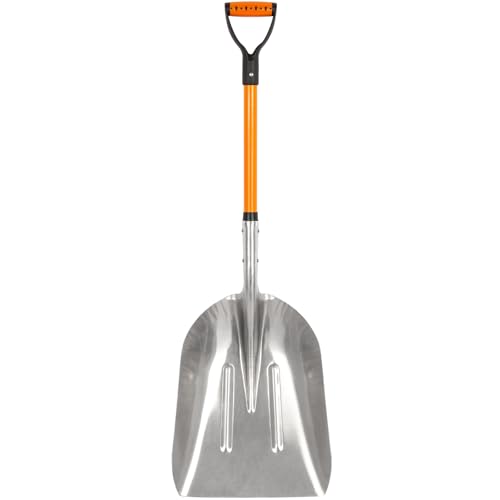
VNIMTI Aluminum Snow Shovel with D Handle
The 19-by-14-inch aluminum head moves broad loads while the 3.7-pound weight keeps lifting manageable for most yard work.
-
Best For Rust-free yard work
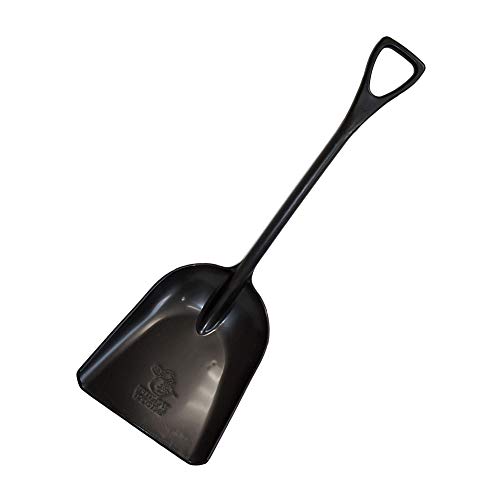
Bully Tools 42″ One-Piece Poly Scoop Shovel
The 14-by-17-inch polypropylene scoop handles mulch without rusting, scratching surfaces, or adding much weight to repeated lifting.
Top 5 Shovels for Mulch at a Glance
VNIMTI and Bully Tools are the strongest starting points for ordinary mulch moving because both combine broad scoops with manageable weights. TRUE TEMPER suits people who also push material across a surface, while WIKER favors large metal loads and the adjustable garden shovel is better for scraping than carrying fluffy mulch.
| Product image | Product name | Check product |
|---|---|---|
| 1 |
VNIMTI Aluminum Snow Shovel with D Handle | Check Price |
| 2 |
Bully Tools 42″ One-Piece Poly Scoop Shovel | Check Price |
3 |
TRUE TEMPER 1603400 Poly Snow Shovel/Pusher with | Check Price |
4 |
WIKER Aluminum Snow Shovel for Driveway, 45-Inch | Check Price |
5 |
Garden Flat Shovel, Heavy Duty Multifunctional Cleaning | Check Price |
5 Best Shovels for Mulch: Detailed Reviews
When I chose the best shovel for mulch, I paid attention to scoop width, total weight, handle length, grip shape, and the material touching the ground. Those details decide how many trips you make, how much mulch stays on the blade, and how much bending reaches your lower back.
The five choices cover metal scoop shovels, poly scoops, a snow pusher, and a flat garden scraper. Looking at them together makes the trade-offs easier to see, especially if the same tool also needs to handle leaves, gravel, snow, or compacted garden debris.
1. VNIMTI Aluminum Snow Shovel with D Handle
The 19-by-14-inch aluminum head moves broad loads while the 3.7-pound weight keeps lifting manageable for most yard work.
- ColorOrange
- Size45 inches x 14 inches x 2 inches
- Weight3.7 pounds
- Number Of Items1
The VNIMTI aluminum snow shovel suits a gardener who wants a light, wide scoop for mulch, leaves, and other loose yard material.
Wide aluminum head
The aluminum alloy head is a metal scoop shaped to hold material while you lift and carry it. VNIMTI lists a head measuring 19 inches long and 14 inches wide, giving each scoop a broad footprint.
That width can reduce the number of trips from a mulch pile to a garden bed. The metal construction also gives the shovel a firm feel when mulch is damp or partly packed instead of fluffy and easy.
A broad scoop is not automatically better for every person. Wet mulch is heavy, so filling the entire head may create a load that is too much to lift comfortably.
Lightweight fiberglass handle
The handle uses high-strength fiberglass, a light material that adds stiffness without the feel of a solid steel shaft. The 45-inch overall length gives many adults a useful reach for ground-level piles.
The D-shaped handle gives your upper hand a place to brace during lifting and dumping. That extra contact can make repeated scoops feel more controlled, especially when gloves make a straight shaft slippery.
The listed 3.7-pound weight is helpful before mulch even enters the scoop. Still, aluminum edges can be less forgiving around rocks, metal edging, and other hard obstacles than a dedicated digging blade.
Pros:
- Wide aluminum head, moves a useful load per scoop.
- Fiberglass handle, keeps total weight at 3.7 pounds.
- D-shaped grip, gives the upper hand better control.
- 45-inch length, reduces deep bending for many adults.
- Multi-use design, handles mulch and several loose materials.
Cons:
- Full scoop loads can become heavy with wet mulch.
- Metal edges need care around rocks and hard edging.
- Broad head may feel awkward in narrow planting spaces.
Buy it if: you move loose mulch across open beds, because the wide aluminum head and light frame can reduce repeated trips.
Skip it if: you mainly scrape weeds from pavement, because a flat garden scraper would suit that job better. For another fit, consider Bully or True.
I’d pick the VNIMTI for a person who wants one reasonably light scoop for seasonal yard work. The wide head gives the rank its practical advantage, while the fiberglass handle keeps the empty shovel from becoming tiring before the work starts. Double-check the listed dimensions against your storage space and make sure a 14-inch-wide head can fit between your plants.
VNIMTI is the sensible choice for open beds and medium-size mulch piles.
2. Bully Tools 42″ One-Piece Poly Scoop Shovel
The 14-by-17-inch polypropylene scoop handles mulch without rusting, scratching surfaces, or adding much weight to repeated lifting.
- ColorBlack
- Is Adult ProductFalse
- SizeNo Color
- Number Of Items1
The Bully Tools poly scoop suits a gardener who wants a rust-free, broad shovel for mulch, leaves, soil, snow, and similar loose materials.
Polypropylene scoop
The polypropylene scoop is a tough plastic head designed to carry material without rusting like metal. Bully Tools lists a 14-by-17-inch scoop, which gives a useful balance between capacity and control.
The poly surface is also described as gentle on wood and plastic surfaces. That matters if mulch must be moved across a porch, deck edge, storage bin, or other area where scratches would be annoying.
A plastic scoop can feel less sharp and forceful than metal when a mulch pile has hardened. The trade is worthwhile for many gardeners because ordinary loose mulch does not need a cutting edge to move.
One-piece construction
One-piece construction means the scoop and handle are made as a connected assembly rather than joined through several separate parts. Fewer connection points can mean less wobble during repeated lifting.
The 42-inch total length works in large piles and smaller areas such as steps or porches. At 3.5 pounds, the empty shovel is slightly lighter than the VNIMTI listed above.
The D-grip leaves room for a gloved hand and helps with leverage, the ability to control a load while lifting or tipping. The shorter length may feel easier in tight spaces, though taller users may prefer more reach.
Pros:
- Polypropylene scoop, avoids rust and surface scratches.
- 14-by-17-inch head, carries useful amounts of mulch.
- 3.5-pound weight, keeps repeated handling manageable.
- One-piece construction, limits joints that can wobble.
- D-grip handle, improves leverage with work gloves.
- 42-inch length, fits porches, steps, and smaller areas.
Cons:
- Poly head may be less useful for cutting compacted material.
- Shorter reach may require more bending for some users.
- Broad loads can still become heavy when mulch is wet.
Buy it if: you want a rust-free scoop for mulch and yard debris, because the polypropylene head handles loose loads without scraping many surfaces.
Skip it if: you need to break through hard packed material, because a metal-edged shovel or scraper would suit that work better. Vnimti and True are worth a closer look instead.
What I like here is the plain, practical design. Bully Tools earns its high position by combining a useful scoop size with a low listed weight and a surface that is less likely to rust or mark decking. Check the 42-inch length before buying if you are tall or prefer to work with a lot of reach.
This Bully Tools scoop is the best fit for mixed household yard duties and frequent outdoor storage.
3. TRUE TEMPER 1603400 Poly Snow Shovel/Pusher with
The catalog lists SNOW SHOVEL AND SHOW PUSHER: 18-in combination blade shape is ideal for shoveling and pushing snow. Compare fit and care needs before choosing.
- ColorYellow
- Size18-Inch
- Length54-Inch
- Number Of Items1
The TRUE TEMPER poly snow shovel and pusher suits someone who wants to move mulch while also pushing loose material across patios, driveways, or walkways.
Combination blade shape
A combination blade is shaped to scoop some material and push other material forward. TRUE TEMPER lists an 18-inch blade designed for both shoveling and pushing snow.
That shape can help when mulch is spread in a row and needs to be nudged toward a bed rather than lifted every time. Pushing usually keeps the load lower, which can be easier than repeated lifting when the surface is smooth.
The same shape may feel less natural inside tight planting areas. A wide pusher needs room to travel, and mulch against roots or edging may still require a smaller controlled scoop.
Nylon wear strip
A nylon wear strip is a replaceable-style protective edge material on the working side of a blade, though replacement details should be checked before purchase. TRUE TEMPER says the strip helps extend blade life and protect decks, patios, and similar surfaces.
That edge is useful if the shovel will slide along a hard surface before mulch is lifted or moved. It can also reduce the chance of a bare metal edge leaving marks, although careful handling still matters.
The ergonomic handle is listed at 37.4 inches, with a total shovel size of 54 inches. The larger D-grip is made to work with gloved hands, which is helpful during cold-weather chores.
Pros:
- Combination blade, scoops and pushes loose material.
- 18-inch width, covers a broad path per pass.
- Nylon wear strip, helps protect deck and patio surfaces.
- Ergonomic handle, supports a more comfortable working position.
- Oversized D-grip, fits gloved hands more easily.
Cons:
- Pusher shape may feel awkward in crowded garden beds.
- Intended snow design may be less efficient for heavy wet mulch.
- Wide blade needs room to move across the ground.
Buy it if: you spread mulch from a driveway or walkway, because the combination blade lets you push material before lifting it.
Skip it if: you need deep scoops from a tall pile, because a dedicated scoop shovel would carry more material in each lift. If those trade-offs rule it out, Vnimti or Bully may suit you better.
I’d choose TRUE TEMPER when pushing matters almost as much as scooping. The nylon wear strip gives the shovel a useful role around finished surfaces, and the large grip makes winter gloves less irritating. Check whether an 18-inch blade can fit between your plants before buying.
This TRUE TEMPER shovel is a good crossover tool for patios, paths, and open beds.
4. WIKER Aluminum Snow Shovel for Driveway, 45-Inch
The catalog lists Aluminum Shovel:it’s a nice sturdy shovel ,The aluminum scoop is thick,handle is comfortable,Blade is strong a. Compare fit and care needs before choosing.
- ColorOrange
- Length45-Inch
- Weight3.5lbs
- Number Of Items1
The WIKER aluminum snow shovel suits a gardener who wants a large metal scoop for mulch, wood chips, leaves, and heavier loose yard materials.
Large aluminum scoop
An aluminum scoop is a metal shovel head with raised sides that help hold material during the lift and carry. WIKER describes the scoop as large, strong, and useful for moving wood chips and old mulch.
The raised sides matter because mulch can slide off a flat blade as soon as you tilt the handle. A deeper scoop keeps more material contained, which can make each trip more worthwhile.
Large capacity also creates the main caution. A full scoop of wet mulch, gravel, or manure can quickly become too heavy for comfortable repeated lifting, so smaller partial loads are often the smarter choice.
Fiberglass D-grip handle
The fiberglass handle is described as suitable for outdoor conditions, while the D-grip gives the upper hand a stable place to hold. The listed 45-inch size provides useful reach for many adults working from a standing position.
A D-grip helps when you tip the shovel into a wheelbarrow or bed because the upper hand can guide the angle. Fiberglass also avoids the added weight associated with some solid metal handles.
The WIKER listing describes a 3.5-pound weight and a lifetime warranty service. Warranty terms and coverage should be checked on the purchase page, especially if the shovel will face rocks or hard packed debris.
Pros:
- Aluminum scoop, holds loose mulch with firm sidewalls.
- Large capacity, reduces trips across open yard areas.
- Fiberglass handle, balances strength with lower empty weight.
- D-grip, improves control while lifting and dumping.
- 45-inch size, offers useful reach for many adults.
Cons:
- Full metal scoops can become heavy with damp mulch.
- Large head may be hard to place between shrubs.
- Aluminum is not a replacement for a digging pry tool.
Buy it if: you move large amounts of mulch or wood chips, because the raised aluminum scoop can carry a substantial loose load.
Skip it if: your beds have very narrow gaps, because a smaller scoop would give you better placement control.
To me, the smartest thing about WIKER is the combination of capacity and reach. The shovel earns this rank for large outdoor jobs, especially when mulch must travel from a pile to several open beds. Check the scoop dimensions and the warranty wording before purchase, since both affect long-term usefulness.
WIKER makes the most sense for homeowners who value a big metal scoop more than delicate planting-bed work.
5. Garden Flat Shovel, Heavy Duty Multifunctional Cleaning
The catalog lists Multifunctional Garden Shovel: Multifunctional garden flat shovel is a versatile all-in-one tool designed to m. Compare fit and care needs before choosing.
- ColorBlack and Yellow
- Blade Width11 inches
- Handle Length60 inches
- Rod Thickness1.25-inch
The adjustable long-handle garden flat shovel suits a gardener who needs to scrape, weed, or break surface debris more than carry huge loads of mulch.
Flat 11-inch blade
A flat blade has a broad, mostly level edge rather than a deep bowl for carrying material. This shovel lists an 11-inch blade designed for scraping moss, removing weeds, and clearing snow or ice.
The flat shape can slide under thin layers of old mulch, weeds, or debris and help loosen them from a hard surface. It is also useful when a pile needs to be spread rather than lifted and carried.
A flat blade does not hold mulch like a deep scoop. Expect more pushing and shorter loads, especially if the mulch is light and tends to spill over the sides.
Adjustable steel handle
The steel handle adjusts up to 60 inches, allowing different users to choose a more comfortable reach. The listing also describes a 1.25-inch-thick rod and a detachable design for storage.
A long handle can reduce bending while scraping or spreading. The detachable sections may also help the shovel fit into a crowded shed, although every connection should be tightened before use.
The blade uses six rivets and two heavy-duty screws, according to the listing. The built-in foot pedal lets you press down with a shoe when working on compacted soil or stubborn surface growth.
Pros:
- Flat 11-inch blade, scrapes and spreads surface material.
- Adjustable handle, suits different user heights.
- Up to 60-inch length, reduces bending during scraping.
- Six-rivet blade base, supports a more stable connection.
- Foot pedal, adds downward force for tough surfaces.
- Detachable handle, stores more easily in small spaces.
Cons:
- Flat blade carries less mulch than a deep scoop.
- Listing says the blade cannot be used for prying.
- Assembly and adjustment add more parts to check.
Buy it if: you spread thin mulch layers or clear weeds and surface debris, because the flat blade and long adjustable handle favor scraping work.
Skip it if: you need to transport full loads from a large pile, because a deep scoop shovel would carry mulch more efficiently.
I’d pick this adjustable garden shovel for a person whose mulch work is mixed with scraping and cleanup. The long handle and foot pedal solve problems that a traditional scoop does not, but the flat blade gives up carrying capacity. Make sure the storage location can accept the assembled length and remember not to pry with the blade.
This shovel is the better choice for surface preparation, not fast bulk hauling.
How to Choose the Best Shovel for Mulch
The best choice depends on how far you carry mulch, how wet the mulch gets, and whether the shovel must also scrape or push. Start with the blade shape, then check total weight, handle reach, grip, and storage needs.
Pick the right blade shape
A scoop blade has raised sides and a curved or deep surface that holds mulch during lifting. A flat blade pushes and scrapes more cleanly but carries less material.
Choose a scoop for moving mulch from a pile into a wheelbarrow or bed. Choose a flat blade when the main task is spreading a thin layer, removing old mulch, or clearing material from pavement.
An 11-inch flat blade is useful for controlled surface work, while the 14-to-18-inch scoops in this group cover more area per load. Wider is helpful in open spaces, but narrower is easier around shrubs and stepping stones.
Match scoop size to your strength
A larger scoop is not always faster because a full load weighs more. Mulch becomes especially tiring when wet, compacted, or mixed with soil.
For ordinary home use, choose a scoop that you can lift while keeping your back fairly straight. If a full blade feels awkward, use half loads and let the wider head save trips without forcing an oversized lift.
The head should also fit inside the wheelbarrow or garden cart. A scoop that barely fits can spill material down the sides and turn each trip into cleanup.
Consider metal versus poly
Metal gives a firm edge and can handle some rougher contact with compacted material. Aluminum also keeps the empty shovel relatively light, though hard rocks and prying can damage an edge.
Polypropylene does not rust and may be kinder to decks, porches, and plastic bins. Poly is a good match for loose mulch, leaves, snow, and yard debris, but a poly scoop is not a substitute for a digging bar.
If the shovel will stay outdoors, rust resistance becomes more valuable. If the shovel must cut into packed material, a metal head deserves closer attention.
Get the handle length right
A handle is long enough when you can scoop without rounding your back too much. A short handle can feel nimble in tight beds but may force more bending over a large pile.
Handles around 42 to 45 inches suit many general yard tasks, while an adjustable handle reaching 60 inches gives more flexibility. Taller users should pay close attention to the total length rather than choosing by blade size alone.
A longer shaft can also make a heavy load harder to control. Reach helps, but leverage changes as the load moves farther from your body.
Look for a useful grip
A D-grip gives the upper hand a stable place to guide the scoop. The shape is especially useful when wearing gloves or dumping mulch into a narrow bed.
An oversized grip can suit winter gloves, while a smaller grip may feel easier for bare-handed light work. The best grip is the one that lets you control the shovel without squeezing hard.
Check that the grip is comfortable in the hand you normally place at the top. Switching hands during long jobs can reduce strain, so a symmetrical shape is helpful.
Check storage and care needs
Measure the shed corner, garage rack, or porch space before buying a long-handled shovel. A 54-inch or 60-inch tool may need to stand upright or hang from a secure hook.
Detachable handles can save room but add connection points to inspect. One-piece construction is simpler for storage and often feels steadier during repeated scooping.
Also consider where the blade will rest. A metal shovel should be kept dry, while poly avoids rust but still benefits from being rinsed and stored out of the way.
How to Use a Mulch Shovel for the Best Results
The easiest way to move mulch is to take controlled loads close to your body, keep the pile low enough to reach comfortably, and use pushing when lifting is unnecessary.
- Place the pile on a firm surface where the shovel can enter without hitting hidden stones.
- Stand with one foot slightly ahead of the other so your body can turn toward the bed.
- Push the blade into loose mulch rather than stabbing hard at the pile.
- Fill only as much as you can lift without rounding your back or twisting sharply.
- Lift with your legs and keep the load near your waist.
- Turn your feet toward the dumping spot instead of twisting your torso.
- Tip the handle forward and let the mulch slide out instead of jerking the shovel.
- Rake or spread the final layer with a light pass rather than dragging a heavy scoop across plants.
For a long bed, make short trips with consistent loads. Trying to win the day with one enormous scoop usually makes the last half of the job slower, not faster.
If you are preparing the bed before adding fresh material, follow a clear installation sequence in mulch installation steps. A clean edge and an even layer make the shovel work easier because the material has somewhere predictable to land.
Use a pusher-style blade along open paths and patios, then switch to a scoop for lifting into the bed. A dedicated pitchfork for mulch can also help turn a loose pile or spread material with less lifting when the mulch is light and airy.
How to Make Your Mulch Shovel Last Longer
A shovel lasts longer when the blade is cleaned after use, the handle is checked regularly, and the tool is not forced to do jobs it was never shaped to handle.
Clean the blade after each job
Shake off dry mulch before putting the shovel away. Rinse mud and plant residue from metal or poly surfaces, then let the blade dry before storage.
Dried mulch can hide small stones and grit that scratch a surface during the next scoop. A quick rinse is easier than removing a hardened layer later.
Inspect connections often
Check the grip, shaft, rivets, screws, and any adjustable joints every few uses. Tighten loose fasteners before the shovel begins to wobble under load.
A loose connection changes the angle of the blade and makes lifting less controlled. Stop using the shovel if a handle cracks, a rivet shifts, or a joint will not stay tight.
Store the tool off wet ground
Keep metal blades dry and off concrete that stays damp. Polypropylene avoids rust, but a dry storage area still keeps dirt and grit from collecting around the handle.
Hang the shovel if possible, or stand the blade where it cannot become a tripping hazard. Do not leave a sharp or rigid edge facing a walkway.
Avoid prying
A shovel blade is designed to scoop, push, or scrape within its intended use. Prying against roots, rocks, frozen ground, or buried objects can bend metal or damage a poly head.
The adjustable garden shovel specifically says its blade cannot be used for prying. Treat that warning seriously, since leverage puts far more stress on the blade connection than ordinary scooping.
Use the right load size
Heavy wet mulch should be moved in smaller portions. A lighter load reduces stress on the shaft, grip, fasteners, and your back at the same time.
If the blade keeps scraping the ground with force, remove some material before lifting. The shovel is not a loader, and your spine did not volunteer for overtime.
Common Mistakes to Avoid When Buying and Using a Mulch Shovel
Most mulch-shovel problems come from choosing by appearance alone or filling the blade beyond what the user can control. These fixes are simple and save a surprising amount of effort.
- Choosing the widest blade automatically: A huge head can hold too much wet mulch. Pick a width you can lift comfortably and fit between planting areas.
- Ignoring total length: A short shaft can cause repeated bending. Check the listed length against your height and the pile location.
- Using a flat scraper for bulk hauling: Flat blades spread and scrape well but carry less. Choose a deep scoop for repeated pile-to-bed trips.
- Filling the scoop to the rim: A full load may be too heavy even when the empty shovel feels light. Use partial loads for wet or compacted mulch.
- Prying with the blade: Prying can bend the head or loosen the handle. Use a suitable digging or prying tool for buried obstacles.
- Leaving metal wet: Moisture encourages corrosion over time. Rinse soil away, dry the blade, and store the shovel under cover.
- Skipping connection checks: Loose grips and screws make lifting unpredictable. Inspect fasteners before a long mulch job.
Before buying, think about the mulch itself. Fine bark, wood chips, rubber mulch, and damp compost-like material do not behave the same way inside a scoop.
How to Set Up a Mulch Shovel
Most traditional scoop shovels arrive ready for basic use, but adjustable or multi-part tools need a careful setup check before the first load.
- Lay out the blade, handle pieces, grip, screws, and fasteners on a clear surface.
- Match each handle section before tightening anything, since forcing the wrong connection can damage threads.
- Attach the blade firmly and keep the blade edge facing the correct working direction.
- Tighten screws or joints by hand first, then secure them without overtightening.
- Adjust the handle to a height that lets you reach the ground without excessive bending.
- Hold the empty shovel by the grip and gently move the shaft to check for wobble.
- Test the blade with a small amount of dry mulch before loading a full scoop.
- Recheck the fasteners after the first short session, especially on an adjustable handle.
The adjustable garden shovel is described as taking about five minutes to assemble, but the important part is not speed. A few extra seconds checking the blade connection can prevent a loose head from ruining the first real job.
Common Questions About Shovels for Mulch
What size shovel is best for moving mulch?
A scoop around 14 to 18 inches wide is a useful starting range for open garden beds. That size can move a practical amount without forcing every user to handle an oversized load. Choose a narrower blade for tight spaces, and reduce the load size when mulch is wet or heavy.
Is an aluminum shovel good for mulch?
An aluminum shovel is good for loose mulch when you want a firm metal scoop without a very heavy empty tool. Aluminum can handle ordinary yard work and gives raised sides useful for carrying. Avoid using the blade as a pry bar, and take care around large rocks and hard edging.
Is a plastic or poly shovel better for mulch?
A poly shovel is often better when rust resistance and surface protection matter most. Polypropylene can move loose mulch, leaves, snow, and yard debris without marking many hard surfaces. Metal is usually the better direction when the work includes cutting into compacted material or scraping stubborn buildup.
How long should a mulch shovel handle be?
A handle around 42 to 45 inches suits many general scooping tasks, while taller users may prefer more reach. A 60-inch adjustable handle can reduce bending during scraping and spreading. The longest handle is not always easiest for heavy lifting because the load sits farther from your body.
Can a snow shovel be used for mulch?
A snow shovel can be used for mulch when the head is designed to carry loose materials and the handle feels comfortable. Scoop-style snow shovels often work well for wood chips, leaves, and bark mulch. A pusher-style snow shovel is more useful for sliding material across open surfaces than filling a deep garden bed.
How thick should mulch be after spreading?
A common home-gardening approach is to spread mulch in an even layer that protects the soil without piling against plant stems or tree trunks. The correct depth depends on the material and planting area, so follow the care needs of the plants rather than burying everything under one heavy mound. Keep the final layer loose and evenly distributed.
Choose the Shovel That Matches the Job
Start by deciding whether your main task is carrying mulch, pushing it, or scraping old material from a surface. Then match the blade width to the space, the handle length to your height, and the empty weight to how long you expect to work.
For a broad pile and open beds, a scoop with raised sides will usually save the most trips. For narrow beds or mixed cleanup, a smaller or flatter blade can give you better control, so make the next step practical: measure your storage space and the tightest bed gap before choosing the shovel.

I’m Maya L. Greenwood, a lifelong plant lover who believes anyone can grow something beautiful with the right guidance. After years of testing soil mixes, pruning methods, irrigation tricks, and pest-safe solutions, I started EasyGardenTips.com to turn hard-won lessons into step-by-step advice. From seed starting and container gardens to composting and seasonal checklists, my goal is to make gardening simple, sustainable, and fun.