How Long Does Mulch Take to Decompose in Garden Beds
Mulch usually takes six months to four years to decompose, depending on the material, thickness, moisture, temperature, and contact with soil. Fine leaf mulch and straw break down within one growing season, while hardwood chunks may still be visible after three years.
Are you tired of seeing last year’s mulch sitting in a thick, dry layer? Do you wonder if old mulch should be removed before adding fresh material?
You’ll learn how long each common mulch type lasts, what speeds decomposition, how to tell useful decay from a problem, and when to refresh a garden bed.
That timing affects more than appearance. The right layer protects roots, holds moisture, and feeds soil, while a thick untouched layer can shed rain, trap wetness near stems, and invite pests.
This article takes about 9 minutes to read, and the practical details below will help you:
- Match mulch type to the breakdown time you want.
- Decide whether old mulch belongs in place or in the compost pile.
- Refresh beds without burying plants or blocking water.
- Fix mulch that smells sour, stays soggy, or turns moldy.
How Long Does Mulch Take to Decompose?
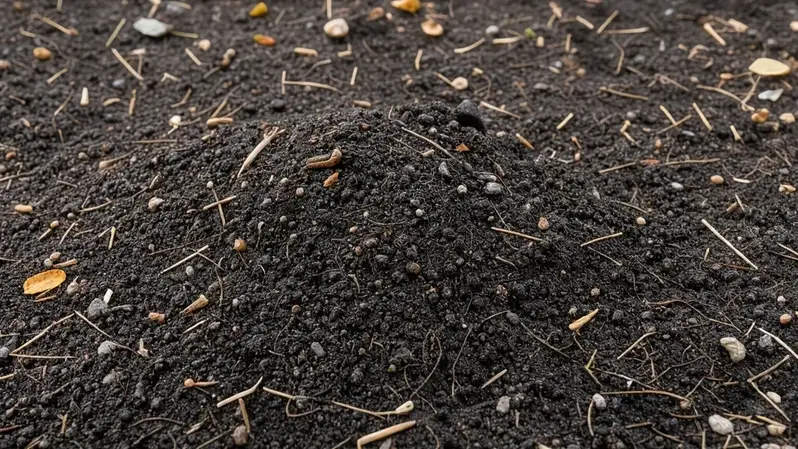
How long does mulch take to decompose? Most garden mulch breaks down in six months to four years, with small particles decomposing fastest and large wood pieces lasting longest. A 2- to 3-inch layer of shredded bark may lose much of its structure in one to two years, while coarse hardwood chips can remain recognizable for three years or more.
The exact timeline depends on five things: carbon-to-nitrogen ratio, particle size, moisture, heat, and contact with soil. Carbon-rich wood breaks down slowly because microbes need extra nitrogen to digest it, while green leaves contain more nitrogen and collapse much faster.
| Mulch Material | Typical Decomposition Time | Best Use |
|---|---|---|
| Shredded leaves | 3 to 9 months | Vegetable beds and soil improvement |
| Grass clippings, in thin layers | 1 to 4 months | Moisture control and quick feeding |
| Straw | 6 to 18 months | Vegetable gardens and winter cover |
| Pine bark fines | 6 to 18 months | Acid-loving plants and fine-textured beds |
| Shredded hardwood | 1 to 3 years | Flower beds and pathways |
| Hardwood chips | 2 to 4 years | Paths, trees, and low-maintenance beds |
| Rubber mulch | Little biological decomposition | Decorative, long-term surface cover |
| Gravel or stone | Does not biologically decompose | Permanent decorative coverage |
Mulch does not vanish all at once. The edges soften first, the color fades, and fungal threads begin turning wood into dark, crumbly organic matter. You may still see pieces, but those pieces can already be improving the soil.
A 3-inch layer of shredded hardwood might shrink to 2 inches after a season of rain and warm weather. That reduction comes from decomposition, settling, and small particles washing into gaps, so the lost volume does not always equal the amount microbes consumed.
Why Mulch Breaks Down at Different Speeds
Mulch decomposes faster when microbes have moisture, warmth, oxygen, and accessible food. A thin layer of chopped leaves in damp soil has nearly perfect conditions, while a mound of dry wood chips has very little surface area available for microbial work.
Particle size makes a big difference. Shredded mulch exposes more surface area than large chips, much like chopped vegetables soften sooner in a pot than a whole potato.
Pro Tip: If quick soil improvement matters more than a tidy look, choose shredded leaves, leaf mold, or fine bark rather than large wood chunks.
Mulch touching soil usually breaks down faster than mulch sitting on landscape fabric. Soil organisms, worms, and fungi can move directly into the material, while fabric separates the mulch from the biological activity underneath.
You can also speed decomposition by mixing small amounts of old leaf mulch into the top inch of soil before planting. Avoid mixing fresh wood mulch deeply into garden soil because microbes may temporarily use available nitrogen while breaking down the wood.
What Makes Mulch Decompose Faster or Slower?
Moisture, temperature, mulch size, soil contact, and material chemistry control the decomposition rate more than the calendar does. A shaded, damp bed can break down mulch faster than a sunny bed if the shaded bed has steady moisture and good airflow.
Rain helps, but constantly soaked mulch can lose oxygen and develop a sour smell. Garden mulch needs moisture similar to a wrung-out sponge, not the heavy wetness of a saturated towel.
Moisture and Temperature
Warm weather speeds microbial activity, especially from spring through early fall. Dry mulch can sit almost unchanged for months, then soften quickly after regular rain or irrigation.
A sunny bed may seem like the fastest place for decomposition, but intense heat can dry the top layer. A partly shaded bed with steady moisture can sometimes process organic mulch more evenly.
If your bed has sandy soil, mulch may dry faster because water drains quickly. Heavy clay soil can hold moisture longer, though compacted clay may lack the oxygen that decomposers need.
Mulch Thickness
A 2- to 3-inch layer usually gives garden plants good moisture protection without creating a heavy blanket. Layers thicker than 4 inches tend to stay wet underneath, shed water from the surface, and break down unevenly.
What happens if you pile fresh mulch over old mulch every spring? The top may look beautiful for a few weeks, but the lower layers can mat together and keep air away from the soil.
Use a rake to loosen compacted material before adding anything. If the old layer already measures 3 inches, top-dress only thin spots instead of covering the whole bed.
Carbon, Nitrogen, and Soil Contact
Carbon-to-nitrogen ratio describes how much carbon-rich material exists compared with nitrogen-rich material. Wood mulch has lots of carbon, so fungi and bacteria need time to process it; leafy green material usually breaks down faster.
Fresh grass clippings can heat up and mat when spread too thickly. Dry leaves break down more cleanly after shredding, especially when mixed with existing soil organisms.
A modest amount of nitrogen fertilizer may help fresh wood decompose, but adding fertilizer just to destroy mulch usually wastes money and can push unwanted plant growth. I’d rather use wood mulch on the surface and let time do the work.
The decomposition clock also changes with the mulch’s age. Partially aged bark or composted wood breaks down sooner than freshly chipped branches because the first stage of decay has already started.
I once spread a thick layer of coarse chips around shrubs because the bed looked bare and messy. The chips stayed dry on top, stayed damp underneath, and barely changed until I raked them thinner and pulled them a few inches away from the stems.
That small adjustment taught me a useful lesson: mulch often needs better conditions, not more fertilizer. A loose 2- to 3-inch layer works better than a deep pile that looks impressive from across the yard.
Important Tip: Keep mulch 3 to 6 inches away from tree trunks, shrub stems, and perennial crowns. Direct contact holds moisture against plant tissue and can create decay problems.
When Should You Replace or Reuse Old Mulch?
Replace mulch when the layer has thinned below about 1 inch, lost its ability to hold moisture, or contains problems that a fresh layer will not fix. Reuse old mulch when it smells earthy, remains loose, and still covers the soil evenly.
You do not need to remove every dark fragment before refreshing a bed. Old mulch that has turned brown, soft, and crumbly can stay in place and continue feeding the soil.
A practical refresh follows these steps:
- Pull weeds before adding anything.
- Check the existing depth with a ruler or your fingers.
- Rake crusted areas so air and water can move through.
- Remove mulch that smells sour, looks slimy, or contains plant disease.
- Spread fresh mulch only where the layer has become thin.
- Keep the finished depth near 2 to 3 inches.
- Leave clear space around stems, trunks, irrigation emitters, and building walls.
You can keep the routine simple with regular mulch maintenance, especially after heavy rain or a windy week. A quick rake restores an even surface, exposes hidden weeds, and prevents fresh mulch from forming a hard shell.
When Old Mulch Belongs in Compost
Old shredded leaves, straw, and aged plant mulch can go into compost when the material is free of disease, plastic, herbicide residue, and large woody pieces. Composting works best when dry carbon material mixes with nitrogen-rich materials such as vegetable scraps or fresh plant trimmings.
Mulch made from untreated wood can also enter a compost pile, but large chips may take several seasons to soften. Shred or chop them first if you want usable compost sooner.
For a pile meant to finish within one gardening season, fine leaves and small plant pieces are better choices than thick bark chunks. Gardeners comparing mulch for composting should focus on particle size and whether the material has already aged.
Do not compost diseased tomato vines, weeds full of mature seeds, or mulch contaminated with pet waste. A home compost pile may not reach the sustained heat needed to destroy every seed or pathogen.
How Much Fresh Mulch Should You Add?
Add only enough fresh mulch to bring the bed back to about 2 to 3 inches, rather than adding a full new layer every year. A shallow top-up may be 1 inch in one spot and 2 inches in another, depending on settling and runoff.
Measure near walkways, downspouts, and slopes because those areas lose mulch faster. A bed under a large tree may also need more frequent attention because roots and rain can move material around.
I prefer shredded hardwood for beds that need a neat surface for a couple of seasons, and many gardeners compare long-lasting shredded hardwood before buying. Fine shredded material knits together, so wind moves fewer pieces, but it can form a crust if spread too thickly.
A fresh mulch layer should not bury plant crowns or cover low-growing groundcovers. If a perennial disappears under mulch, lift the material away by hand rather than waiting for the plant to push through.
Does Mulch Go Bad in Storage?
Bagged organic mulch can lose quality in storage, especially when bags stay wet, hot, and sealed for long periods. A sour smell, slimy texture, white fungal growth throughout the bag, or strong ammonia odor signals that the material needs air before use.
White threads on the surface are usually harmless decomposer fungi. Strong rotten odors, black sludge, and heat inside a tightly packed bag deserve more caution, particularly around young seedlings.
Stack bags on a dry surface under cover, leave room for airflow, and avoid placing them against a hot wall. If a bag smells earthy after opening, spread the mulch out briefly and use it normally.
Questions about whether bagged mulch goes bad usually come down to storage conditions, moisture, and the difference between harmless surface fungus and material that has turned sour. A label can also tell you whether the mulch contains dyed wood, composted material, or added fertilizer.
How Different Mulch Types Perform in Garden Beds
Organic mulch improves soil as it decomposes, while inorganic mulch lasts longer but adds little organic matter. The best choice depends on whether you want soil feeding, weed control, appearance, low maintenance, or a mix of those goals.
Wood Mulch
Wood mulch offers a steady, tidy surface and usually lasts one to four years. Shredded bark stays in place well, while coarse chips resist rapid breakdown but can shift on sloped beds.
Fresh wood mulch works best on the soil surface. It can tie up some nitrogen near the surface while decomposing, but that effect usually matters less when the mulch stays above the soil instead of being mixed through it.
Dyed mulch can still decompose if made from wood, though the color and source vary by product. Avoid material with a chemical smell, visible trash, or an unclear source.
Leaf Mulch
Shredded leaves break down quickly, often within three to nine months. They make excellent soil cover, but whole leaves can mat into a slick layer that blocks water and air.
Run a mower over dry leaves before spreading them. A thin layer around perennials works well, and mixed leaf mulch can disappear into the soil by the next growing season.
Straw and Grass Clippings
Straw usually lasts six to eighteen months and works well around vegetables. Choose clean straw rather than hay when possible, because hay may carry mature weed seeds.
Grass clippings decompose within weeks to a few months. Spread clippings in layers no thicker than about 1 inch at a time, letting each layer dry slightly so it does not form a smelly green mat.
Important Tip: Never use grass clippings from a lawn treated recently with a weed killer unless the product label confirms a safe waiting period for garden use.
Stone, Gravel, and Rubber
Stone and gravel do not biologically decompose, though dust, soil, and plant debris collect between pieces. Rubber mulch also lasts a long time, but it does not build organic matter as wood, leaves, or straw do.
A stone bed may need occasional weeding and raking, even though the stones themselves remain. Rubber can become hot in full sun, which may stress shallow-rooted plants during summer.
For a vegetable garden, I’d choose organic mulch because soil improvement matters there. For a narrow decorative strip beside a driveway, stone may make more sense because replacing it every year would be a real chore.
- Fine leaves and grass clippings decompose in weeks to nine months.
- Straw and bark fines usually last six to eighteen months.
- Shredded hardwood often lasts one to three years.
- Keep mulch near 2 to 3 inches deep and away from plant stems.
- Refresh thin spots instead of burying old mulch under thick layers.
Common Mulch Problems and Simple Fixes
Most mulch problems come from excessive depth, poor airflow, contaminated material, or the wrong mulch for the planting area. The good news is that raking, thinning, and removing damaged material often solve the issue without starting the bed over.
| Problem | Likely Cause | Practical Fix |
|---|---|---|
| Sour smell | Too much moisture and too little air | Pull mulch thin and let the bed dry |
| White surface fungus | Normal fungal activity | Leave it unless the mulch smells rotten |
| Water runs off | Crusted or over-thick mulch | Rake gently and reduce depth |
| Mulch blows away | Small, dry particles or wind | Use heavier shredded material or a thinner edge |
| Plants look buried | Fresh mulch added too deeply | Pull mulch away from crowns and stems |
| Nitrogen shortage signs | Fresh wood mixed into soil | Add compost around plants, not into the wood layer |
| Weeds keep returning | Weed seeds or thin coverage | Remove weeds first and restore even depth |
Can mulch smell earthy and still be safe? Yes, a forest-floor smell usually means normal decomposition, while sour, rotten, or ammonia-like odors point to poor airflow or excessive wetness.
Moldy-looking patches may appear after rain and disappear as the material dries. Do not automatically treat them with chemicals; first check whether the mulch is packed against a stem or buried too deeply.
If a plant develops soft tissue at the crown, remove mulch from that area promptly. For shrubs with declining branches, root rot, or repeated pest damage, a local garden professional can help identify the cause before more mulch gets added.
A quick yearly check also helps you decide how long mulch lasts in your own beds. Your soil, rainfall, shade, mulch depth, and foot traffic may produce a different result from the number printed on a bag.
FAQs About How Long Does Mulch Take to Decompose
Does mulch decompose faster in summer?
Yes, mulch usually decomposes faster during warm, moist weather because fungi and bacteria stay active. Summer mulch may break down quickly after regular rain, but extreme heat can slow the process if the layer dries completely.
Should I remove old mulch before adding new mulch?
No, you usually do not need to remove old mulch if the material smells earthy, remains loose, and measures less than about 3 inches deep. Remove diseased, slimy, contaminated, or sour-smelling mulch before adding fresh material.
Does wood mulch use nitrogen from the soil?
Wood mulch can temporarily affect nitrogen near the surface when gardeners mix fresh wood into the soil. Wood mulch resting on top of the soil usually has a smaller effect because roots remain below the active decomposition zone.
How thick should mulch be for the best decomposition?
A 2- to 3-inch layer usually balances moisture control, airflow, weed suppression, and decomposition. Layers above 4 inches can stay wet underneath, block water movement, and create poor conditions around plant crowns.
Can mulch decompose too quickly?
Yes, fine leaves and grass clippings can disappear quickly when spread thinly in warm, moist conditions. Fast breakdown is useful for soil feeding, but you may need to refresh those materials more often than bark or hardwood chips.
Is white mold on mulch harmful to plants?
Usually no, white fungal threads on mulch are normal decomposers working on wood. Harm becomes more likely when mulch stays slimy, smells rotten, touches stems, or creates a constantly wet crown around a plant.
The Best Mulch Routine for Healthy Beds
Mulch usually earns its keep when the layer stays loose, shallow, and evenly spread. Most organic materials need six months to four years to decompose, so the right refresh schedule depends on what you used and how your bed handles rain, shade, and foot traffic.
My practical choice is simple: use shredded leaves or straw when soil improvement matters most, and use shredded hardwood when appearance and longer coverage matter more. Check the depth once or twice during the growing season, fix thin or compacted spots, and keep trunks and stems clear.
The next step is easy. Walk through one garden bed with a ruler, rake away packed areas, and add only enough mulch to restore a 2- to 3-inch layer. That small habit saves money, protects plants, and keeps the soil working instead of leaving old mulch piled up like forgotten laundry.

I’m Maya L. Greenwood, a lifelong plant lover who believes anyone can grow something beautiful with the right guidance. After years of testing soil mixes, pruning methods, irrigation tricks, and pest-safe solutions, I started EasyGardenTips.com to turn hard-won lessons into step-by-step advice. From seed starting and container gardens to composting and seasonal checklists, my goal is to make gardening simple, sustainable, and fun.