5 Best Garden Fabric for Raised Beds: Liners and Weed Barriers
Buy the wrong garden fabric and your raised bed can turn into a muddy, weedy mess. Fabric that does not fit may bunch under the soil, block needed drainage, or leave gaps where weeds push through, sending you back to the garden center before the season gets going.
The right choice depends first on whether you need a complete fabric bed or only a liner for a wooden, metal, or plastic frame. Size matters just as much, since extra fabric can fold into drainage trouble while too little leaves exposed gaps, and the material should let water move out instead of trapping soggy soil.
Here is what the guide covers:
- Which fabric shapes and sizes suit full beds, troughs, and small planters.
- How breathable material affects roots, moisture, and soil loss.
- How to install a liner without wrinkles, open corners, or loose edges.
- How to clean, store, and reuse garden fabric after the growing season.
Quick Picks
-
Best For Large divided garden beds

CJGQ Fabric Raised Garden Bed, 128 Gallon
A 3×6-foot, 8-grid fabric bed gives gardeners roomy planting space with simple seasonal storage.
-
Best For Custom liner cuts

Wshxjzyay 2 Pack Raised Garden Bed Liner,
Large cuttable non-woven fabric helps contain soil and drain water in raised beds on patios, decks, or concrete.
Top 5 Garden Fabrics for Raised Beds at a Glance
CJGQ suits gardeners who want a complete divided fabric bed, while Wshxjzyay and EcoBrisa are better for lining an existing frame. FULEIYA favors a smaller movable bed, and Sibosen fits round metal beds or compact planting spaces, so the main differences are shape, size, and whether you need a liner or a ready-to-fill container.
| Product image | Product name | Check product |
|---|---|---|
| 1 |
CJGQ Fabric Raised Garden Bed, 128 Gallon | Check Price |
| 2 |
Wshxjzyay 2 Pack Raised Garden Bed Liner, | Check Price |
3 |
EcoBrisa 2PCS 63 x 114IN Raised Garden | Check Price |
4 |
FULEIYA 1PCS Raised Garden Bed Liner Fabric | Check Price |
5 |
Sibosen 3 Pack Round Fabric Galvanized Raised | Check Price |
5 Best Garden Fabrics for Raised Beds: Detailed Reviews
When I chose the best garden fabric for raised beds, I looked at fabric breathability, fit, drainage, edge security, and storage effort. Those details decide whether roots receive air, whether soil stays where you put it, and whether the bed remains useful after one season.
The group covers a full 3×6-foot divided bed, large sheets that can be trimmed, a smaller rectangular grow bag, and round liners for metal frames. Looking at those formats side by side makes the choice less mysterious, especially if you are still deciding between lining a frame and buying a fabric bed that is ready to fill.
1. CJGQ Fabric Raised Garden Bed, 128 Gallon
A 3×6-foot, 8-grid fabric bed gives gardeners roomy planting space with simple seasonal storage.
- Size1 Pack 8Grids 3×6 ft
- ColorRectangular
- Number Of Items1
- MaterialNot listed; check details
CJGQ Fabric Raised Garden Bed is a roomy, divided fabric container for gardeners who want a complete planting bed without assembling a frame.
Breathable non-woven fabric
Non-woven fabric is a sheet made from bonded fibers rather than a woven grid of threads. CJGQ uses thickened non-woven fabric with reinforced stitching, so air and excess water can move around the root area while the seams support the soil load.
That airflow can help prevent the tight, circling root pattern common in cramped containers. Drainage also matters after a heavy rain, since standing water can leave vegetables and flowers sitting in mud instead of well-aired soil.
For a beginner, the practical benefit is a simpler watering routine and less worry about a sealed container. CJGQ still needs a level surface and a soil mix that drains well, because breathable fabric cannot rescue a bed placed in a low, constantly wet spot.
Eight planting grids
The eight-grid layout divides the 3×6-foot bed into separate planting areas. Those sections make it easier to keep herbs, flowers, vegetables, or other plants organized instead of letting every plant spread across the whole surface.
A divided layout also helps you plan spacing. Tall plants can stay away from shorter greens, and harvesting does not require reaching through a jungle of stems.
CJGQ requires no assembly, which is useful if tools and hardware are not your idea of a relaxing Saturday. The large size is also the main limitation: a 3×6-foot footprint needs a reasonably open patio, balcony, terrace, or backyard area.
Pros:
- 3×6-foot size, provides a broad planting area.
- Eight grids, separates crops for easier organization.
- Reinforced stitching, supports repeated seasonal use.
- Breathable sides, allow air around plant roots.
- Foldable fabric, simplifies off-season storage.
Cons:
- Large footprint, needs substantial outdoor space.
- Eight sections, may be more organization than a small garden needs.
- Fabric sides, need a stable, level surface beneath them.
Buy it if: you want a ready-to-fill garden bed, because the 3×6-foot footprint and eight grids create organized growing space without assembly.
Skip it if: you only need fabric inside an existing frame, because a cuttable liner would suit that setup better. For another fit, consider Wshxjzyay or Ecobrisa.
What I like here is the straightforward format. CJGQ earns the top spot because the complete bed removes the frame-building step while still giving roots ventilation and gardeners clear planting sections. Double-check the available floor space before buying, since the generous footprint can overwhelm a narrow balcony.
CJGQ is the sensible choice for a beginner who wants one large, organized container and has room to place it.
2. Wshxjzyay 2 Pack Raised Garden Bed Liner,
Large cuttable non-woven fabric helps contain soil and drain water in raised beds on patios, decks, or concrete.
- ColorBlack
- Resistant Non-Woven MaterialCrafted from strong non-woven fabric, this Raised Garden Bed Liner serves as a reliable Non Woven Fabric Liner for
- Large Size & Easy to CutMeasuring 63″ x 114″, this planter liner fits most raised beds and vegetable troughs. The flexible fabric planter l
- MaterialNot listed; check details
Wshxjzyay Raised Garden Bed Liner is a large black fabric sheet for gardeners who already have a raised frame and need soil containment with drainage.
Cuttable sheet material
The liner measures 63 by 114 inches and can be trimmed with ordinary scissors. That gives you room to fit a long vegetable bed, trough, cold frame, seed tray, or window box without forcing a fixed shape into an awkward corner.
A cuttable sheet is helpful when your frame is homemade or an unusual size. Instead of accepting loose folds along every side, you can mark the inside dimensions and trim the fabric so the liner sits more neatly.
Measure twice before cutting, because a liner that is too short cannot cover open corners. Leave enough material to rise along the interior walls and secure the edge with staples or nails.
Porous drainage structure
A porous structure has small openings that let water pass while helping keep soil and nutrients in place. Wshxjzyay uses that design for raised beds on patios, decks, concrete, and other hard surfaces where spilled soil creates a cleanup chore.
The fabric can also limit unwanted weed intrusion from below while keeping airflow through the planting area. That does not replace pulling weeds that arrive from the top, but it can reduce one route for weeds to enter.
The main watch-out is installation. Wshxjzyay is a sheet, not a complete raised bed, so the existing frame must be sturdy, the edges must be secured, and the bottom must have a sensible place for water to escape.
Pros:
- 63×114-inch sheet, covers many long raised beds.
- Cuttable fabric, adapts to custom planter dimensions.
- Non-woven material, supports soil containment.
- Porous structure, allows excess water to drain.
- Flexible layout, works in beds, trays, and boxes.
Cons:
- Requires an existing frame or planter.
- Cutting mistakes, can leave uncovered corners.
- Staples or nails, add a separate installation step.
Buy it if: you have a raised frame with an unusual size, because the large cuttable sheet can be shaped to fit while helping retain soil.
Skip it if: you want a freestanding bed ready for soil, because a complete fabric container would suit you better. Cjgq and Ecobrisa are worth a closer look instead.
Wshxjzyay is my pick for the practical fixer who already owns a frame. The ability to trim the sheet makes fit easier than wrestling with a fixed liner, and the drainage design addresses the two big concerns of soil loss and standing water. Check the interior dimensions and plan where drainage will exit before cutting.
Choose Wshxjzyay when customization matters more than having a finished planter straight from the package.
3. EcoBrisa 2PCS 63 x 114IN Raised Garden
The catalog lists Premium Durable & Functional Non-Woven Fabric: Crafted from heavy-duty, ultra-durable non-woven fabric, this l. Compare fit and care needs before choosing.
- Size63 * 114IN
- ColorBlack
- Number Of Items2
- DimensionsPerfect Fit & Easy Customization for Any Planter: Offered in two sufficient sizes: 63”x83” and 63”x114”, this
EcoBrisa Raised Garden Bed Liner is a two-piece non-woven liner set for large troughs and gardeners who want reusable fabric that can be trimmed for smaller planters.
Large, customizable sizes
EcoBrisa is offered in 63×83-inch and 63×114-inch sizes, with the supplied specifications listing the 63×114-inch size for this set. The fabric can be cut with scissors, so the same type of sheet can serve a large vegetable trough or a smaller window box after careful measuring.
That flexibility helps if your garden changes from season to season. A liner can be sized for a long bed now and trimmed for a different planter later, though every cut reduces the material available for future projects.
The larger sheet also gives you enough fabric to bring the liner up the sides of a frame. Do not stretch the sheet tightly across the bottom, since soil weight can pull a tight liner downward and expose the upper edges.
Reusable breathable barrier
EcoBrisa describes a durable non-woven fabric that allows excess water to drain while helping contain soil and limit weeds rising from below. The breathable barrier gives roots access to air and reduces the chance that watering turns the bed into a sealed, soggy pocket.
At the end of the season, the liner can be emptied, rinsed if needed, folded flat, and stored. A quick rinse is useful when soil clings to the fabric, but let the liner dry before folding it away so damp storage does not become a musty surprise.
Because EcoBrisa is a separate liner, the frame still determines how well the finished garden performs. A rough edge can tear fabric, and a bed without drainage openings can hold water even when the liner itself is porous.
Pros:
- Two-piece set, provides replacement or project flexibility.
- 63×114-inch size, suits large vegetable troughs.
- Scissor-cut fabric, fits smaller planters.
- Foldable material, stores compactly between seasons.
- Breathable barrier, supports drainage and root airflow.
Cons:
- Needs a separate raised frame or planter.
- Large sheet, takes planning to cut efficiently.
- Frame drainage, remains necessary for healthy soil.
Buy it if: you need a reusable liner for a large trough, because the cuttable fabric can be fitted neatly and folded for later storage.
Skip it if: you prefer a compact round planter, because a small circular fabric bed would suit your growing space better. If those trade-offs rule it out, Cjgq or Wshxjzyay may suit you better.
To me, EcoBrisa is the most flexible liner choice in the group. The two-piece format gives you room to handle a large trough and still keep a spare piece for another planter, while the breathable construction supports sensible drainage. Confirm which size is included and measure the frame before using scissors.
EcoBrisa suits gardeners who value reuse and are comfortable doing a little careful fitting.
4. FULEIYA 1PCS Raised Garden Bed Liner Fabric
The catalog lists SOIL WILL NOT BE WASHED AWAY: Fabric garden bed is deep enough for suitable root growth. Grow bags provides ad. Compare fit and care needs before choosing.
- Size4ft x 2ft x 1ft
- ColorWhite
- Number Of Items0
- MaterialNot listed; check details
FULEIYA Raised Garden Bed Liner is a smaller rectangular fabric bed for gardeners who need movable growing space on a deck, balcony, sunroom, or compact yard.
Four-by-two-foot footprint
FULEIYA measures 4 feet by 2 feet by 1 foot, giving you a contained planting area without the broad footprint of a long bed. That size can fit beside a walkway or along a balcony edge where a 3×6-foot container would leave little room to move.
The one-foot depth provides space for many shallow-rooted vegetables, leafy greens, herbs, and flowers. Root depth still depends on the plant, so check the needs of deep-rooted crops before filling the bed with an ambitious collection of vegetables.
The rectangular shape is easy to line up against a wall or railing, though leave room around the fabric for watering and harvesting. A crowded placement makes even a small bed annoying to reach.
Reinforced handles and drainage
FULEIYA uses thick non-woven fabric with reinforced stitched handles. The handles make the empty bed easier to reposition, but soil becomes heavy quickly, so move the container before filling it rather than treating the handles like a wheelbarrow.
The breathable fabric is designed to allow air around roots and let excess moisture drain away. That helps avoid the waterlogged soil that can damage roots, especially after frequent watering or a storm.
FULEIYA is also foldable for storage. The smaller size makes that feature more useful than it would be on a very large bed, but the bed still needs a surface where drainage water will not stain or pool around the base.
Pros:
- 4x2x1-foot size, fits compact outdoor spaces.
- Reinforced handles, help move the empty bed.
- Thick non-woven fabric, supports repeated garden use.
- Breathable construction, allows root airflow.
- Foldable shape, stores neatly between seasons.
Cons:
- Smaller growing area, limits the number of plants.
- One-foot depth, may not suit deep-rooted crops.
- Handles, are best used before the bed is filled.
Buy it if: you garden on a deck or balcony, because the 4x2x1-foot shape gives you useful planting space without taking over the area.
Skip it if: you plan to grow many large or deep-rooted crops, because a deeper or wider garden container would suit you better.
FULEIYA makes sense for a small-space gardener who wants a complete bed rather than a sheet to install. The handles and foldable construction make seasonal rearranging easier, while the 4×2-foot footprint stays manageable. Check the mature size and root depth of your chosen plants before filling the bed.
Pick FULEIYA when portability and a modest footprint matter more than maximum planting capacity.
5. Sibosen 3 Pack Round Fabric Galvanized Raised
The catalog lists Metal Planting Bed Liner: This set includes 4 fabric planting bag designed specifically for raised metal garde. Compare fit and care needs before choosing.
- Size24 x 12 inches
- ColorBlack
- Number Of Items3
- Durable MaterialCrafted from 300g/㎡ felt with a thickness of approximately 2mm, these outdoor elevated garden planting bed liners b
Sibosen Round Fabric Garden Bed Liner is a compact circular fabric planter for round metal beds, balconies, small yards, and gardeners who prefer separate planting pockets.
Round 24×12-inch format
The supplied specification lists a 24×12-inch size, giving each liner a round, compact shape. That format can sit inside a matching metal bed or work as a standalone planter where a rectangular liner would leave unused corners.
Round containers are useful for herbs, flowers, succulents, and selected vegetables. The circular shape also makes every section easy to reach from the outside, which is handy when the bed sits in a tight space.
Sibosen is not the natural fit for a long rectangular trough. A round liner inside a rectangular frame can leave gaps around the edges, so measure the frame and match the shape before ordering.
Felt construction and airflow
Sibosen uses 300g/㎡ felt with an approximate thickness of 2mm, according to the feature information. The fabric is designed to resist punctures and wear while allowing air to reach roots and excess moisture to drain.
That airflow helps prevent roots from sitting in stagnant, wet soil. Drainage also means you should place the liner where runoff will not damage a deck or collect against a foundation.
The set is described as three items, and the liners can be placed inside metal beds or used individually. The compact size limits how many plants fit in each liner, so think of Sibosen as a set of small growing spaces rather than one large vegetable plot.
Pros:
- 24×12-inch round size, fits compact planting spaces.
- 300g/㎡ felt, supports durable garden use.
- Approximately 2mm thickness, adds fabric structure.
- Breathable design, allows root airflow and drainage.
- Three-item set, creates separate planting pockets.
Cons:
- Round shape, may not fit rectangular frames.
- Compact size, limits large crop selection.
- Drainage runoff, needs a suitable surface beneath it.
Buy it if: you need separate round planters for herbs or flowers, because the compact shape fits small spaces and matching metal beds.
Skip it if: you need one long rectangular liner, because a wide sheet would suit that frame more efficiently.
What I like about Sibosen is the clear niche. The round shape and compact dimensions solve a space problem that large rectangular liners cannot, and the felt construction gives the planting pockets structure without sealing in excess water. Check the number of pieces and the diameter of your metal bed before buying.
Sibosen is the right choice for small, separate growing areas rather than a large shared vegetable bed.
How to Choose the Best Garden Fabric for Raised Beds
The best garden fabric for raised beds should fit the frame, let excess water escape, and keep soil contained without making planting or storage difficult. Start with the bed shape and measurements, then check the fabric, drainage path, and edge attachment method.
Decide between a complete bed and a liner
A complete fabric bed has sides, a bottom, and a finished planting container. Choose that format if you do not own a frame and want to fill the garden space quickly.
A liner is only the fabric barrier placed inside a frame or planter. Choose a liner if the wooden, metal, or plastic structure already exists and you need to separate soil from the frame or stop soil from spilling through gaps.
This distinction prevents a common buying mistake: ordering a flat sheet when you need a freestanding bed, or ordering a complete container when your raised bed already has walls.
Measure length, width, and depth
Measure the inside of the frame, not only the outside. Record the length and width, then measure the wall height so the fabric can cover the bottom and rise far enough along each side.
For a cuttable liner, add extra fabric for the side walls and edge attachment. A sheet that exactly matches the bottom dimensions will usually be too small once soil pushes it into the corners.
Round frames need diameter and depth measurements. Rectangular sheets do not fit round spaces neatly, and round liners can leave bare gaps inside a long bed.
Check drainage before adding soil
Drainage is the path water takes out of the bed after watering or rain. A breathable liner helps, but the frame and surface beneath the bed must also allow water to leave.
Look for porous non-woven fabric, clear drainage openings in the frame, and a location where runoff will not pool. On a deck or patio, place the bed where water can move away without staining the surface or washing soil toward a doorway.
If the bed sits directly on soil, drainage may be simpler, but fabric still should not be packed against a sealed surface. Roots need air as well as moisture.
Match size to the plants
Leafy greens, herbs, lettuce, and many flowers can grow in shallower beds than crops with long roots. Carrots, potatoes, and larger plants need more room below and around the root zone.
A 1-foot-deep fabric bed may work for many small crops, while a compact 12-inch-wide planter offers less total room even if the depth is similar. Follow the spacing needs of the plants rather than filling every inch with seedlings.
Small beds are easier to reach and move, while large beds provide more planting capacity but require more soil, water, and floor space.
Consider material and stitching
Non-woven fabric uses bonded fibers that create a flexible, breathable sheet. Thicker fabric and reinforced stitching can help the bed handle the weight of wet soil, but fabric thickness alone does not tell you how long a liner will last in every climate.
Inspect the edges, corners, handles, and seams before filling a container. These areas receive extra strain when soil settles or when a gardener tries to move a filled bed.
Avoid assuming that a dark fabric blocks every weed or that any fabric is suitable for every food-growing concern. Product descriptions do not establish independent safety certification, so check the manufacturer information if a specific material standard matters to you.
Plan the edge attachment
A liner should rise along the inside walls and stay in place while soil is added. Staples, nails, clips, or another suitable fastener can hold the upper edge, depending on the frame material.
Leave no loose flap where soil can slide behind the liner. Smooth folds into the corners, but do not pull the fabric so tightly that the soil later drags it down.
For a freestanding fabric bed, edge attachment may not be needed. Place the empty bed first, square the corners, and then add soil gradually so the walls settle evenly.
How to Use Garden Fabric for the Best Results
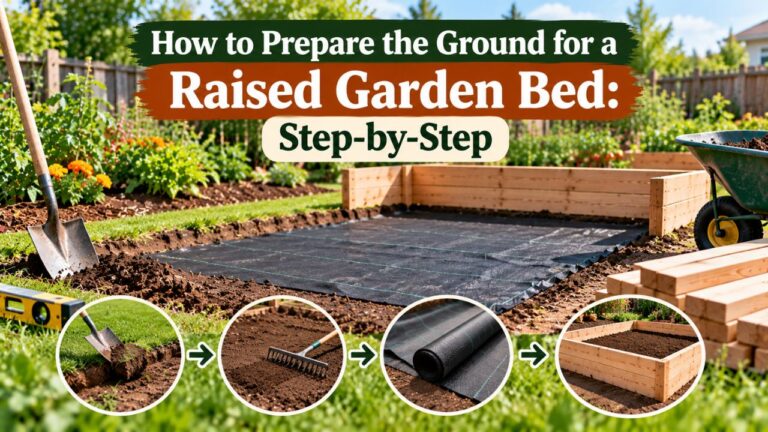
Good results start with a clean, level location and a liner that is fitted before soil goes in. Fill gradually, water slowly, and watch where runoff travels during the first few watering sessions.
- Clear stones, sticks, and sharp debris from the surface.
- Place the empty fabric bed or liner where you plan to garden.
- Smooth the bottom and corners so folds do not create large empty pockets.
- Secure the upper edge of a liner to the frame before adding soil.
- Add soil in layers instead of dumping one heavy load into one corner.
- Check that water can leave through the fabric and frame.
- Plant according to mature spacing, not the size of the young seedlings.
- Water at the soil surface and adjust after watching drainage.
A liner should not be treated like a waterproof bucket. If water remains pooled for hours, inspect the surface below the bed, the frame openings, and any fabric folds blocking the exit path.
For a fabric bed with grids, use the divisions to separate plants with different spacing or watering needs. Keep tall plants from shading every short plant, and leave enough room to reach the middle without stepping on the fabric.
If frost or strong sun threatens young plants, a removable cover can be more useful than changing the liner. A lightweight support system keeps the cover from pressing directly on leaves, while the right fabric placement still protects soil from washing out. For more planning around cold nights, see raised bed frost covers in a separate guide.
How to Make Your Garden Fabric Last Longer
Garden fabric lasts longer when you prevent sharp contact, avoid dragging a filled container, and store clean fabric completely dry. A few minutes of care at the end of the season can prevent small tears from becoming large openings.
Protect the underside
Remove sharp stones, broken branches, and rough metal edges before placing fabric. A tiny point under a heavy soil-filled bed can create a tear that is difficult to see until watering washes soil out.
On a hard surface, sweep the area first and check the frame for burrs or sharp corners. If a frame edge feels sharp to your hand, it can be hard on fabric too.
Water gently
A strong hose stream can move soil, expose fabric, and push water through one weak spot. Use a gentle spray or water slowly near the plant base so the soil absorbs moisture instead of running across the surface.
Check the bed after the first heavy rain. Early inspection shows whether runoff is eroding an edge or collecting beneath the container.
Move empty beds only
Fabric handles are useful for repositioning an empty container. Wet soil is heavy, and lifting a full bed can pull on seams, handles, and corners even when the fabric feels sturdy.
Choose the final location before filling the bed. If a move becomes necessary, remove as much soil as possible first and support the base rather than pulling only from the sides.
Clean after harvest
Empty the soil gently at the end of the season, then shake or rinse loose dirt from the fabric. Let the liner dry fully before folding it.
Do not scrub aggressively with a stiff brush, since rough cleaning can wear the fibers. If a liner has been used around diseased plants, follow suitable garden sanitation practices before reusing the soil or fabric.
Store in a dry place
Fold dry fabric loosely and keep it away from direct sunlight, rodents, standing water, and sharp tools. A storage shelf or sealed container in a dry shed can keep the fabric from becoming damp or punctured.
Mark cut pieces by their approximate dimensions if you saved a large liner. That small note can save a measuring session next spring.
Common Mistakes to Avoid When Buying and Using Garden Fabric
Most raised-bed fabric problems come from a poor fit, blocked drainage, or filling the container before checking its position. Avoid the mistakes below and the fabric can do its job without becoming the garden’s most annoying feature.
Buying by the advertised outer size
A listed size may describe the full fabric bed or the sheet before trimming. Measure the usable interior and allow extra material for the side walls.
Covering drainage openings
A liner that blocks the frame’s drainage path can hold water even if the fabric itself is porous. Match the liner placement to the frame openings and test runoff before planting.
Cutting before dry-fitting
A rushed cut can leave one corner bare. Lay the fabric inside the frame, smooth the folds, mark the edges, and cut only after checking the fit.
Pulling the liner tight
Tight fabric can slip downward when soil settles. Leave enough material to rise up the sides and secure the upper edge without stretching the bottom like a drum.
Filling the bed in one corner
A heavy pile can push the fabric out of alignment. Add soil in shallow layers around the whole bed and adjust the corners as the walls take shape.
Choosing a bed that is too deep for the plants
Extra depth uses more soil and can make a small container unnecessarily heavy. Match depth to the root needs of the crops you actually plan to grow.
Moving a full fabric bed
Handles and stitched seams are not a promise that a soil-filled bed can be carried safely. Pick the location first, then fill the container there.
How to Set Up Garden Fabric for Raised Beds
Setting up a liner is easiest before any soil arrives. The goal is a smooth bottom, supported corners, secured edges, and a clear drainage path.
- Measure the inside length, width, and wall height of the empty frame.
- Sweep the location and remove stones, sticks, and sharp debris.
- Place the fabric inside the frame with equal extra material along the walls.
- Press the bottom into each corner without pulling the fabric overly tight.
- Fold the upper edge over the frame wall and secure it with suitable fasteners.
- Check that the fabric does not cover required drainage openings.
- Add a shallow layer of soil around the bed and smooth the liner again.
- Continue filling gradually, stopping if the fabric shifts or bows outward.
For a freestanding fabric bed, place the empty container on its final surface, square the corners, and fill slowly. No assembly is required for a ready-made fabric bed such as CJGQ, but checking the placement first still prevents a heavy relocation later.
If the bed will sit on soil where burrowing pests are common, a fabric liner alone may not stop every animal from reaching the root area. A separate barrier made for that job may be needed, and gopher-blocking hardware cloth explains how a metal mesh layer can be planned around a raised bed.
Common Questions About Garden Fabric for Raised Beds
Is fabric or plastic better for a raised garden bed?
Fabric is usually the better choice when you want airflow and excess water to move through the root area. Plastic can hold moisture more tightly, but that may increase the chance of soggy soil if drainage is poor. Choose fabric for breathable sides and use a suitable frame or surface beneath it.
How thick should garden fabric be for a raised bed?
There is no single thickness that suits every raised bed. Look for durable non-woven material, reinforced stitching, and a size that covers the base and walls. If the fabric will hold wet soil, inspect seams and corners carefully because those areas receive more strain than the center.
Does garden fabric stop weeds completely?
Garden fabric can limit weeds entering from below, but it does not stop seeds carried in from above. Soil, compost, wind, and nearby plants can still introduce weeds. Keep the bed covered with healthy plant growth, pull new weeds early, and make sure the liner has no open gaps around the edges.
Should a raised bed liner have drainage holes?
A liner needs a clear way for excess water to leave, either through porous fabric, frame openings, or both. Do not place a fabric bed on a sealed surface where runoff cannot escape. Test the setup with a small amount of water before filling the entire bed.
Can raised bed fabric be reused next year?
Many fabric beds and liners can be reused when the material, seams, and edges remain intact. Empty the soil gently, rinse away loose dirt if needed, dry the fabric fully, and fold it for storage. Replace or repair fabric that has large tears or badly stretched corners.
Can garden fabric go under a metal raised bed?
Yes, a fabric liner can sit inside a metal frame when the size and shape match. Remove sharp edges or cover them before installation, then secure the upper edge and keep drainage openings clear. Round liners are best for round frames, while large rectangular sheets suit long beds.
Choose the Fabric That Fits Your Garden Space
The next step is simple: measure the inside of your raised bed or the floor space available, then decide whether you need a complete fabric container or a cuttable liner. Pick a breathable, correctly sized option that gives water a clear exit and leaves enough room for the plants you actually plan to grow.

I’m Maya L. Greenwood, a lifelong plant lover who believes anyone can grow something beautiful with the right guidance. After years of testing soil mixes, pruning methods, irrigation tricks, and pest-safe solutions, I started EasyGardenTips.com to turn hard-won lessons into step-by-step advice. From seed starting and container gardens to composting and seasonal checklists, my goal is to make gardening simple, sustainable, and fun.