5 Best Vegetable Planter Boxes for Patios, Decks and Small Yards
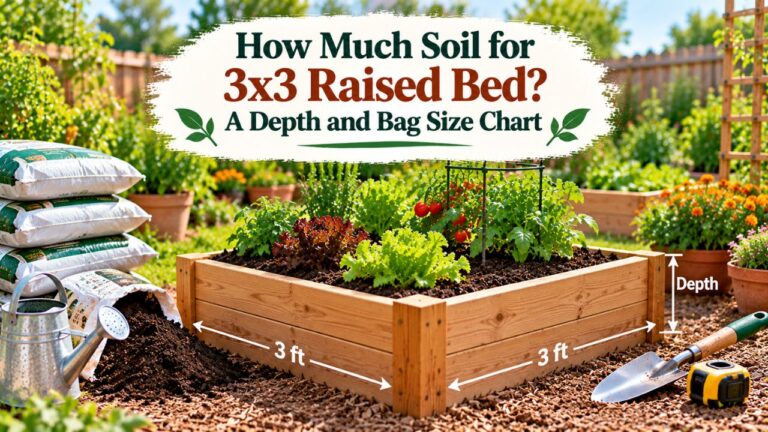
Buy the wrong vegetable planter box and you may wind up with soggy roots, too little room for tomatoes, or a container that makes watering harder than planting. A box that sits too low can also turn every weeding session into a chore for your back and knees, while a tall planter may waste valuable patio space.
The right choice depends mostly on planting depth, drainage, and the space around the box. A shallow tiered planter suits herbs and compact greens, while a larger open bed gives tomatoes, peppers, and root crops more room to spread.
Here is what you will learn:
- Which planter shapes suit patios, decks, balconies, and yards.
- How drainage, soil volume, and height affect vegetable growth.
- What each box makes easier, along with the limitation to plan around.
- How to assemble, fill, water, and care for a raised planter.
Quick Picks
-
Best For Open-bottom backyard growing

Land Guard 2 Pack 4×2×1ft Galvanized Raised
Galvanized steel and an open bottom help drain soil naturally for gardeners growing vegetables directly on the ground.
-
Best For Small patios and balconies

Olaiti 5-Tier Vertical Garden Bed Planter Boxes
Five staggered planting tiers use vertical space efficiently while drainage holes and removable bins simplify compact gardening.
Top 5 Vegetable Planter Boxes at a Glance
Land Guard is the natural starting point for a backyard gardener who wants two open-bottom metal beds. Olaiti favors tight spaces and vertical growing, while LEETOLLA and MIXC raise the planting area to reduce bending. Rakukiri gives you a wide, open-bottom metal bed when a larger footprint and substantial soil fill make sense.
| Product image | Product name | Check product |
|---|---|---|
| 1 |
Land Guard 2 Pack 4×2×1ft Galvanized Raised | Check Price |
| 2 |
Olaiti 5-Tier Vertical Garden Bed Planter Boxes | Check Price |
3 |
LEETOLLA 31.6-Inch Elevated Raised Garden Bed with | Check Price |
4 |
Rakukiri Raised Garden Bed GRS Certified Galvanized | Check Price |
5 |
MIXC 331lb Capacity Sturdy Wooden Raised Garden | Check Price |
5 Best Vegetable Planter Boxes: Detailed Reviews
When I chose the best vegetable planter boxes, I paid attention to growing space, drainage, working height, material, and how much room each design needs around it. Those details decide whether roots stay healthy, whether watering reaches every plant, and whether garden care feels manageable after the first enthusiastic weekend.
The group covers open-bottom beds, stacked bins, a rolling planter, a wide oval bed, and a tall wooden box. Looking at them side by side helps you match the container to your available sunlight, preferred vegetables, and willingness to kneel, lift, or assemble parts.
1. Land Guard 2 Pack 4×2×1ft Galvanized Raised
Galvanized steel and an open bottom help drain soil naturally for gardeners growing vegetables directly on the ground.
- ColorSilver
- Size4×2×1ft
- Number Of Items2
- WeightNot listed; check details
Land Guard Raised Bed is a two-pack of low, open-bottom galvanized steel beds for gardeners with yard or ground-level planting space.
Open-bottom drainage
An open bottom means the soil rests directly over the ground instead of sitting inside a sealed container. Rain and excess irrigation can move downward, which helps reduce standing water around vegetable roots.
That arrangement also lets the bed connect with the soil below. Land Guard Raised Bed makes more sense on a patch of ground where you can level the surface first, not on a deck or balcony where soil and water could fall through.
Galvanized steel sides
Galvanized steel is metal covered with a zinc coating that helps resist rust and corrosion. Land Guard Raised Bed uses that material for a frame that does not have the same watering concerns as untreated wood.
The 4×2×1-foot size gives each bed a straightforward footprint for herbs, greens, peppers, and other vegetables that do not need a very deep root zone. The one-foot height is still low enough that you will spend some time bending, so a kneeling pad may be useful.
The two-bed format lets you separate vegetables by watering needs or rotate what grows in each space. The practical catch is that an open base does not block weeds as completely as a sealed container, and the bed needs a reasonably level piece of ground before filling.
Pros:
- Galvanized steel sides, resisting rust during outdoor watering.
- Open bottom, allowing excess water to drain into the ground.
- 4×2×1-foot size, fitting common backyard planting areas.
- Two beds included, separating crops or planting schedules.
- Nuts, bolts, washers, and instructions, simplifying assembly.
Cons:
- One-foot height still requires bending and kneeling.
- Open-bottom design needs a suitable ground surface.
- Metal sides may warm in strong sun, depending on local weather.
Buy it if: you have level ground and want two simple metal beds with natural drainage.
Skip it if: you need a tall planter for a balcony or sore knees, because a raised container on legs would suit you better. For another fit, consider Olaiti or Leetolla.
I’d pick Land Guard Raised Bed for a straightforward backyard setup because the two-bed format gives you useful separation without adding a complicated frame. The open bottom is especially sensible where heavy rain makes trapped water a concern. Double-check the available ground area and the soil volume you plan to add before ordering.
This bed suits beginners who want a basic metal starting point and do not mind working close to the ground.
2. Olaiti 5-Tier Vertical Garden Bed Planter Boxes
Five staggered planting tiers use vertical space efficiently while drainage holes and removable bins simplify compact gardening.
- ColorBrown
- Size25.6 inches x 26 inches x 48 inches
- Number Of Items5
- Capacity[MINIMAL FOOTPRINT & MAXIMIZED SUNLIGHT] Save your valuable floor area! Designed to occupy very little ground
Olaiti Vertical Garden Bed is a freestanding five-tier planter for compact outdoor spaces where growing upward matters more than having one broad bed.
Staggered planting tiers
A tier is one planting level positioned above or beside another. Olaiti Vertical Garden Bed uses a staggered arrangement so upper plants are less likely to cast complete shade over lower plants.
The 25.6-inch by 26-inch footprint and 48-inch height make this style useful on a narrow patio, balcony, or small yard corner. The trade-off is that each bin has less horizontal room than a traditional raised bed, so sprawling crops and large root vegetables need careful planning.
Cascading drainage
Cascading drainage sends extra water from higher bins toward lower levels through openings between the tiers. Olaiti Vertical Garden Bed has three side holes per tier, while the bottom box has sealed knockouts that you can open when drainage is needed.
That design can help keep a patio cleaner than a row of pots that drip in separate places. You still need to check how quickly water moves through each level, since a blocked hole or heavily compacted soil can slow drainage.
The separate bins lift off the frame, which makes replanting and soil changes easier than working inside one tall fixed container. The freestanding base, triangular brackets, bottom fixing rods, five hooks, and Textilene mesh storage area add organization, though the tall shape should be positioned where wind and foot traffic are not constant problems.
Pros:
- Five planting tiers, using vertical space efficiently.
- Removable bins, simplifying replanting and soil changes.
- Side drainage holes, guiding excess water downward.
- Sealed bottom knockouts, reducing unwanted patio drips.
- Five hanging hooks, keeping small garden tools nearby.
Cons:
- Narrow bins limit room for sprawling vegetables.
- Tall frame needs a stable location away from strong bumps.
- Multiple levels can make watering the top tier less convenient.
Buy it if: you garden on a small patio or balcony and want separate planting levels with storage.
Skip it if: you plan to grow large sprawling vegetables in one broad soil bed, because a ground-level rectangular planter would suit you better. Land and Leetolla are worth a closer look instead.
Olaiti Vertical Garden Bed earns its place near the top because it solves the most common small-space problem, a lack of floor area. The removable bins are more useful than a decorative tower because you can handle each planting section separately. Check the sunlight pattern across your space, since a tall planter still needs enough direct light at the lower tiers.
Choose Olaiti when herbs, greens, flowers, and compact vegetables matter more than deep soil for large crops.
3. LEETOLLA 31.6-Inch Elevated Raised Garden Bed with
The catalog lists MOBILE GARDEN ON WHEELS — Two all-terrain wheels and an ergonomic handle let you roll a 200+ lb planted bed wh. Compare fit and care needs before choosing.
- ColorBlack
- SizeLarge
- Number Of Items1
- Height31.6″ STANDING HEIGHT — Garden without kneeling or back strain. Five drainage holes and dual cross-channels pr
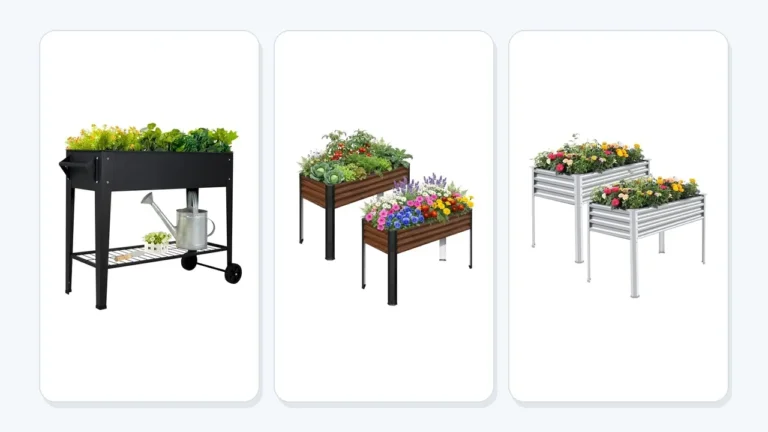
LEETOLLA Rolling Garden Bed is a tall metal container with wheels, an ergonomic handle, drainage openings, and a lower shelf for patio or deck gardening.
Raised working height
The 31.6-inch standing height places the planting area closer to waist level for many gardeners. That can reduce repeated kneeling and bending, which matters if a low bed turns routine watering into an uncomfortable job.
LEETOLLA Rolling Garden Bed has five drainage holes and dual cross-channels to help excess water leave the planting area. Drainage is useful for tomatoes, herbs, greens, and flowers, but the box still needs a balanced soil mix rather than dense dirt that holds water like a bucket.
Wheels and handle
The two all-terrain wheels and ergonomic handle let you reposition the bed when sunlight shifts or a patio layout changes. Mobility is useful, though a planted container can become very heavy, and the listing describes a planted bed weighing more than 200 pounds.
The detachable bottom shelf adds a place for tools, bags, or small supplies instead of leaving everything on the patio. LEETOLLA Rolling Garden Bed requires assembly, and exposed scratches in the coating should be addressed promptly to help limit outdoor corrosion.
This design is tall and broad enough for a practical mix of vegetables, but the wheels do not mean you should move a fully planted bed casually. Check the route, surface, and destination before filling the container.
Pros:
- 31.6-inch height, reducing kneeling during garden care.
- Two wheels and handle, allowing sunlight adjustments.
- Five drainage holes, helping excess water escape.
- Lower shelf, storing tools and planting supplies.
- Metal construction, fitting patios, decks, and balconies.
Cons:
- A filled bed may be difficult to move safely.
- Large footprint needs clear space around the handle.
- Coating scratches require prompt outdoor care.
Buy it if: you want a tall patio planter that can be repositioned before the soil becomes very heavy.
Skip it if: you need a lightweight container that moves often, because a smaller plastic planter would suit you better. If those trade-offs rule it out, Land or Olaiti may suit you better.
I’d choose LEETOLLA Rolling Garden Bed for a gardener who values working height more than maximum portability. The handle and wheels are helpful for positioning the empty or partly filled bed, while the drainage channels support ordinary container growing. Check the finished route and the surface strength before treating the wheels as a daily moving system.
This planter fits patios and decks where you can leave the garden in place after finding a sunny spot.
4. Rakukiri Raised Garden Bed GRS Certified Galvanized
The catalog lists Size: 60×29×11 in, 68 gallons of soil required. Compare fit and care needs before choosing.
- Color1- Silver
- Size5 ft
- Number Of Items1
- WeightNot listed; check details
Rakukiri Oval Raised Bed is a five-foot galvanized metal bed with an open bottom for gardeners who want a broad planting area at ground level.
Wide oval planting area
Rakukiri Oval Raised Bed measures 60×29×11 inches and requires 68 gallons of soil. That amount gives you a useful planning clue before purchase, because buying and moving soil is part of the job rather than a small afterthought.
The oval shape avoids sharp corners and creates a broad central area for vegetables, herbs, or flowers. At 11 inches high, the bed offers some separation from the surrounding ground, but it is still a low planter that requires bending.
Galvanized metal construction
Rakukiri Oval Raised Bed uses a 0.8mm galvanized metal sheet with double-layer anti-corrosion galvanizing. The metal sides are intended to resist outdoor corrosion, while the oval structure provides the shape for a large open bed.
The open base lets water move into the ground instead of collecting inside a sealed floor. It can also let roots reach downward, so choose a location where the underlying soil is suitable and weeds are manageable.
The size is the main limitation. A five-foot bed needs more patio, deck, or yard room than a compact container, and 68 gallons of soil can be awkward to handle in one go. Assembly hardware and instructions are included, but plan the location before filling because relocating the full bed will be impractical.
Pros:
- Five-foot oval footprint, offering broad planting space.
- 68-gallon soil requirement, clearly defining fill needs.
- 0.8mm galvanized metal, supporting outdoor durability.
- Open bottom, letting excess water move downward.
- One-year warranty listed, adding a defined support period.
Cons:
- Large soil requirement makes filling a serious task.
- Low 11-inch height still involves bending.
- Open base needs a prepared, weed-managed location.
Buy it if: you have room for a wide ground bed and want substantial soil capacity for mixed planting.
Skip it if: your garden is limited to a small deck or balcony, because a compact vertical planter would suit you better.
What I like about Rakukiri Oval Raised Bed is the clear connection between its size and its soil needs. The 68-gallon figure helps you plan instead of discovering halfway through that the bed is much larger than expected. Check access for soil bags, the level of the planting area, and the amount of kneeling you can comfortably handle.
Rakukiri makes the most sense for a gardener building one sizable ground bed rather than several small containers.
5. MIXC 331lb Capacity Sturdy Wooden Raised Garden
The catalog lists Large Size and Wood Combination: MIXC raised garden beds is made of untreated fir wood, which resists warping . Compare fit and care needs before choosing.
- ColorWooden
- Size48″L X 24″W
- Number Of Items1
- Large Size and Wood CombinationMIXC raised garden beds is made of untreated fir wood, which resists warping and splitting over time better than ce
MIXC Wooden Raised Bed is a 31-inch elevated fir planter with legs, drainage holes, a liner, a shelf-like raised structure, and room for vegetables on a patio, deck, or balcony.
Elevated working height
MIXC Wooden Raised Bed stands 31 inches high, bringing the planting area up so you can tend vegetables without kneeling at ground level. That height can make sowing, watering, and harvesting easier for anyone whose knees or back object to low beds.
The box has a 9-inch soil depth and five to six cubic feet of space. That is enough to plan for herbs, greens, and many compact vegetables, but deep-rooted crops may need more room than this container offers.
Fir wood and support structure
MIXC Wooden Raised Bed uses untreated fir for the main bed and Pinus radiata for support parts. A column-and-beam structure carries a listed 331-pound soil and vegetable capacity, giving the raised frame a clear load limit to respect.
Four drainage holes let excess water leave the growing area. The included waterproof PE liner helps protect the wood from wet soil, but the drainage openings must be pierced through the liner so water can escape.
The legs have waterproof paint intended to reduce rot, with outdoor service described for up to three years. Wood still needs more attention than galvanized steel, especially where standing water, damaged paint, or constant rain is common.
Pros:
- 31-inch elevated height, reducing bending and kneeling.
- Five to six cubic feet, allowing mixed planting.
- Four drainage holes, directing excess water away.
- Waterproof PE liner, separating soil from wood.
- 331-pound listed capacity, clarifying the load limit.
Cons:
- Nine-inch depth may limit deep-rooted crops.
- Liner holes must be opened for drainage.
- Wood needs more weather care than galvanized metal.
- Assembly recommends two people and takes 20 to 35 minutes.
Buy it if: you want a tall wooden planter that keeps vegetables within comfortable standing reach.
Skip it if: you prefer a low-maintenance metal bed for wet weather, because a galvanized steel planter would suit you better.
I’d pick MIXC Wooden Raised Bed for someone who wants gardening to feel less like floor-level work. The height, drainage holes, and liner make the planting area approachable, while the 9-inch depth sets a sensible boundary on what to grow. Check that the liner openings are made before adding soil and that the location can support the filled weight.
This planter suits patio gardeners who value reach and appearance and are willing to care for wood outdoors.
How to Choose the Best Vegetable Planter Boxes
The best vegetable planter boxes match the crop’s root needs, the available sunlight, and the amount of bending or lifting you can comfortably manage. Start with the location, then choose the container shape and material instead of buying a box first and searching for a place afterward.
Measure the growing space
Measure the open floor area, walkway clearance, and the path used to carry soil. Leave enough room to water from more than one side, open a gate or door, and harvest without stepping on the growing area.
A vertical planter needs room above and around its frame. A wide bed such as Rakukiri needs more floor space, while Land Guard uses a modest 4×2-foot footprint per bed.
Match depth to the vegetables
Soil depth is the distance from the top of the mix to the bottom of the planting area. Herbs, lettuce, and many greens can manage with less depth than large tomatoes or root vegetables.
A 9-inch container such as MIXC is useful for shallow-rooted crops and compact plants. A one-foot bed gives more flexibility, but depth alone does not guarantee a healthy harvest if the container stays wet.
Check drainage before filling
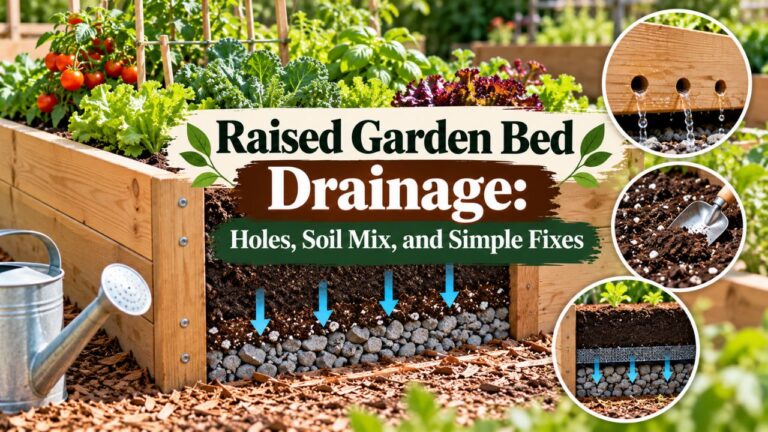
Drainage is the path excess water takes away from roots. Look for open bottoms, drainage holes, channels, or adjustable openings, then confirm that the water has somewhere safe to go.
A balcony needs a container that will not drip onto the space below. An open-bottom bed needs ground that can absorb water and a plan for weeds.
Pick a working height
A low bed keeps filling simple but requires bending. A planter around 31 inches high can reduce knee strain, though the filled container may be heavy and harder to move.
If avoiding kneeling is your main goal, compare elevated garden beds on legs with rolling or freestanding designs. Check the height of the planting surface, not just the total height of the frame.
Choose material for your care habits
Galvanized metal resists rust through a zinc coating and needs little seasonal treatment. Wood can look warmer and blend into a patio, but paint, liner placement, and standing water deserve regular attention.
Plastic bins are light and easy to move, while metal and wood can hold more soil but may become heavy. Choose the material you can maintain for several growing seasons, not the material that looks nicest in a product photo.
Plan for crop support
Tomatoes, cucumbers, peas, and pole beans may need stakes, cages, or a trellis. A box should leave enough room for the support and the mature plant without blocking a walkway.
For vining vegetables, review planter boxes for cucumbers before choosing a shallow tiered design. Roots need soil volume, while vines need a safe route upward or outward.
Think about soil weight
Moist soil is much heavier than dry potting mix. A large planter can become difficult to move and may need a firm surface that will not sink or crack.
Use the listed soil amount or weight limit as a planning guide. MIXC lists a 331-pound capacity, while Rakukiri lists a 68-gallon soil requirement, so those containers should be placed carefully before filling.
How to Use Vegetable Planter Boxes for the Best Results
Good results start with location and drainage, not fertilizer. Put the empty planter in its final sunny position, prepare the container correctly, and give each vegetable enough room to mature.
- Choose a spot with the sunlight your vegetables need, avoiding shade from walls or railings.
- Level the ground or deck surface before assembly so the frame does not twist or rock.
- Confirm every drainage hole is open, including liner holes and knockouts.
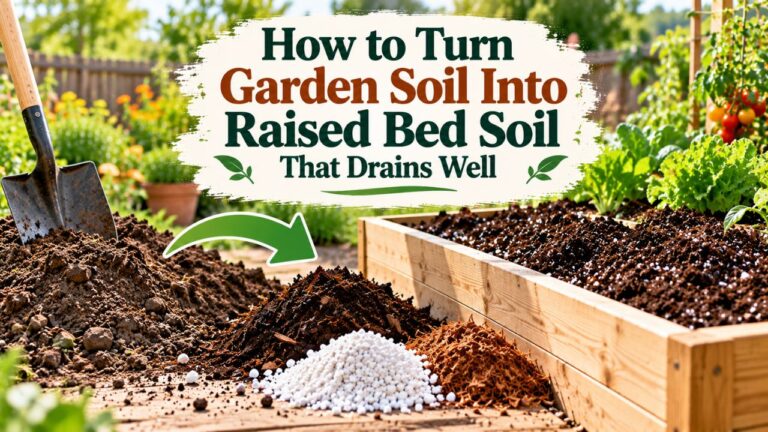
- Fill with a suitable container or raised-bed soil mix rather than dense yard soil alone.
- Follow the seed packet or plant label for spacing instead of crowding seedlings.
- Add stakes or a trellis before climbing plants become tangled.
- Water slowly at the soil surface until moisture reaches the lower root area.
- Check the soil with a finger before watering again, since the surface can dry before the lower soil does.
- Harvest leafy vegetables regularly so crowded plants do not compete for light.
Avoid placing a tall vertical planter where a narrow walkway, door swing, or strong wind can disturb it. A sunny corner that is easy to reach usually beats a perfect-looking location that you stop visiting after a week.
How to Make Your Vegetable Planter Boxes Last Longer
The simplest maintenance routine is a quick inspection after heavy rain, strong wind, and seasonal temperature changes. Small problems are easier to correct before wet soil, rust, or loose hardware turns them into a full rebuild.
For metal beds, rinse away soil clinging to the outside and check for scratches or bent edges. Keep soil from staying against damaged coating for long periods, especially where moisture remains trapped.
For wooden beds, keep the drainage path clear and inspect the liner, legs, and painted surfaces. Do not let the planter sit in a puddle, because constant wetness can shorten the life of wood and hardware.
Clean removable plastic bins between plantings with water and a soft brush. Let the bins drain fully before adding fresh soil, and do not close drainage openings just to keep a patio cleaner.
Tighten loose bolts at the start and end of the growing season. Do not over-tighten thin panels, since forcing hardware can bend the metal or damage the surrounding coating.
Remove dead plants and excess roots after harvest. Leaving decaying material in wet soil can attract pests and make the next planting less pleasant to manage.
If a planter has wheels, inspect the wheel area before moving a filled bed. Clear the route, push slowly, and stop if the frame leans or the surface changes.
Common Mistakes to Avoid When Buying and Using Vegetable Planter Boxes
Most planter problems come from a mismatch between the container and the location. A short planning session prevents more trouble than an expensive bag of amendments added later.
- Buying before measuring: The box blocks a walkway or door, so measure the footprint and clearance first.
- Ignoring mature plant size: Crowded tomatoes and vines become hard to water, so check the final spread before planting.
- Sealing drainage holes: Roots stay wet and may decline, so keep every intended outlet open.
- Using a liner without openings: Water collects around roots, so pierce the liner where the drainage holes are located.
- Filling a movable planter completely: The frame becomes unsafe to push, so choose the final position before adding soil.
- Skipping a level surface: Panels can sit unevenly and hardware may strain, so level the ground or supporting deck area.
- Putting a tall planter in a windy corner: Stems and frame can be stressed, so use a sheltered position with enough sunlight.
How to Set Up Vegetable Planter Boxes
Assembly is manageable when the planter is built on a level surface and the hardware is kept in order. The main mistake is filling the box before confirming that the frame, drainage, and location are ready.
- Unpack the panels, legs, bins, hardware, and instructions, then group similar pieces together.
- Choose the final location before assembly, especially for a large or elevated bed.
- Build the frame loosely at first so panels can line up without forced pressure.
- Add washers and bolts where shown, then tighten them after the sides sit square.
- Install shelves, rods, wheels, hooks, or brackets before the planter becomes difficult to turn.
- Place the liner or bins and confirm that every drainage opening is usable.
- Check that the finished planter does not rock, lean, or block nearby access.
- Add soil gradually, checking the frame after each layer instead of dumping everything in at once.
MIXC recommends two people for assembly, while vertical and metal designs still benefit from a second person holding panels in place. Keep gloves nearby when handling metal edges and use the supplied instructions rather than guessing which fastener belongs on each joint.
Common Questions About Vegetable Planter Boxes
What size planter box is best for vegetables?
A planter around 2 feet wide is a practical starting point because you can reach the center from either side. Length depends on your space and crop plan, while depth should match the roots. A 4×2-foot bed works for many herbs, greens, and compact vegetables, but large crops may need more room or support.
Are metal planter boxes safe for growing vegetables?
Metal planter boxes can be used for vegetables when the material and coating are clearly described and the container is used as directed. The supplied information identifies galvanized steel for several beds, but it does not establish independent food-safety certification. Check the current product details if material certification is a deciding requirement.
Do vegetable planter boxes need drainage holes?
Yes, most vegetable containers need a way for excess water to escape. Without drainage, soil can stay saturated and roots may suffer. Open-bottom beds drain into the ground, while raised containers need holes or channels that remain open after the soil and liner are installed.
Can a planter box grow tomatoes and cucumbers?
A planter box can grow tomatoes or cucumbers if the container has enough soil, sunlight, and support space. Tomatoes usually need a cage or stake, while cucumbers often need a trellis for vines. Shallow stacked bins may suit compact varieties better than large sprawling plants.
Are elevated garden beds easier on your back?
Elevated garden beds can reduce bending and kneeling because the planting surface sits higher than the ground. The benefit depends on the exact height and your reach. Tall beds also hold heavy wet soil, so place them carefully and avoid assuming wheels will make a full container easy to move.
How long do wooden vegetable planter boxes last outdoors?
Outdoor life varies with wood, coating, drainage, weather, and care. MIXC describes its painted leg structure as providing service for up to three years outdoors, but that is not a guarantee for every climate. Keep wood out of standing water, maintain drainage, and inspect the liner and painted surfaces regularly.
Choose the Box That Fits Your Garden Routine
Start by measuring the sunny spot, deciding which vegetables you want to grow, and being honest about how much bending or lifting feels reasonable. Then confirm drainage, soil requirements, and final planting height before buying, because a well-matched planter should make daily care simpler rather than create another chore.

I’m Maya L. Greenwood, a lifelong plant lover who believes anyone can grow something beautiful with the right guidance. After years of testing soil mixes, pruning methods, irrigation tricks, and pest-safe solutions, I started EasyGardenTips.com to turn hard-won lessons into step-by-step advice. From seed starting and container gardens to composting and seasonal checklists, my goal is to make gardening simple, sustainable, and fun.