Why Use a Lawn Roller for a Lush and Even Lawn?
Thinking about your lawn and wondering why use a lawn roller can feel a little confusing, especially if you’re just starting out with yard work. You might be unsure about the benefits and when to use one. Don’t worry, it’s simpler than you might think! This guide will break down everything you need to know, step-by-step, making it easy to decide if a lawn roller is right for your yard and how to use it effectively. Let’s explore everything related to lawn rollers together.
Flattening the Landscape: The Basic Roles of a Lawn Roller
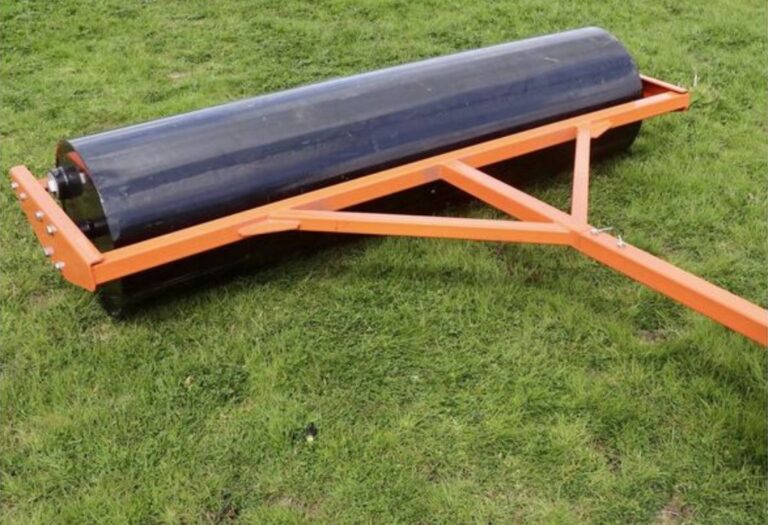
A lawn roller is like a giant, heavy cylinder that you pull or push across your lawn. Its main job is to press down on the soil and grass, which can accomplish many things. Think of it like a big, gentle iron. By compacting the soil, a lawn roller can smooth out uneven surfaces, pushing down small bumps and filling in low spots. This results in a more level lawn. This is essential for a beautiful look and for practical uses, such as mowing without scalping the grass. It also helps with the health of the grass and promotes root development by pressing the soil gently.
Leveling Uneven Surfaces
One of the top reasons people use a lawn roller is to smooth out bumps and dips in their lawns. Over time, lawns can develop these imperfections due to a variety of factors, including earthworms, frost heaves, or simply settling soil. A lawn roller helps fix these issues. By using the right weight and technique, a lawn roller gently presses down on the high spots, distributing the soil and evening out the surface. This is particularly important for safety, as a level lawn reduces the risk of tripping, and it makes mowing much easier. The goal is to create a flat, consistent surface that is both safe and visually appealing. Think about how much better your yard will look after it is rolled!
-
- Identifying Bumps and Dips: Before rolling, walk across your lawn and note the areas that are uneven. Mark these spots to ensure you give them extra attention during the rolling process.
Consider using flags or markers to identify the areas.
-
- Choosing the Right Weight: The weight of the lawn roller is important. Too heavy, and you risk over-compacting the soil; too light, and you won’t see much of a difference. A water-filled roller allows you to adjust the weight easily.
Experiment to find what works best.
-
- Rolling in Overlapping Passes: To ensure even coverage, roll your lawn in overlapping passes. This prevents any strips and makes certain the entire area is treated.
Overlap each pass by about 25–50% for best results.
Improving Seed-to-Soil Contact
When you plant grass seed, it’s very important the seed makes good contact with the soil. This helps the seeds absorb water and get the nutrients they need to grow. A lawn roller can gently press the seeds into the soil, ensuring they have the best possible chance to sprout. Think of it like this: the roller acts like a soft hand, pushing the seed just enough to make sure it’s nestled in the soil. This can increase the likelihood of successful germination, resulting in a thicker and healthier lawn. Using a roller after seeding is a simple but really effective step for improving your lawn’s look and feel.
-
- Preparing the Soil: Before spreading seed, prepare the soil by loosening it slightly with a rake or other tool. This helps with seed-to-soil contact.
Loosening the soil is an important pre-step.
-
- Spreading the Seed Evenly: Use a spreader to distribute the grass seed evenly across your lawn. This is another key factor.
Make sure to follow the instructions on the seed bag.
-
- Watering After Rolling: After rolling, gently water the newly seeded area. This helps keep the soil moist and supports seed germination.
Regular watering is essential during this stage.
Timing Your Rolling: When and How Often to Roll
Knowing when and how often to use a lawn roller is a key part of the process. It’s not something you do every week. Rolling at the wrong time or too often can cause more harm than good. You’ll want to take the time of year, soil conditions, and your lawn’s specific needs into account to get the best results. The following points cover some of the best times and methods to use a lawn roller to make the most of your efforts.
Optimal Seasons for Rolling
The time of year you choose to roll your lawn can impact the outcome of your project. The best times to roll are usually in the spring or fall. Spring is great because the soil is often moist, making it easier to level out bumps. Fall is also a good time because the grass is still actively growing, and any damage from rolling can be repaired before winter. Avoiding rolling during the hot summer months is critical, as the soil can be dry and compacted, which can stress the grass. These seasonal windows are your best bet for a happy, healthy lawn.
-
- Spring Rolling: In the spring, you can roll your lawn when the soil is slightly moist. This helps to settle the soil after winter’s freeze-thaw cycles and can smooth out any frost heaves.
Be sure the soil isn’t too wet.
-
- Fall Rolling: Fall is another ideal time for rolling. Rolling in the fall can help to prepare your lawn for winter by leveling out any uneven spots and improving seed-to-soil contact if you’re overseeding.
You want to roll before the ground freezes.
-
- Avoid Summer Rolling: Avoid rolling during the summer months when the soil is dry and can easily become compacted, which is bad for grass health.
Summer rolling can stress your grass.
Frequency Guidelines
How often you roll your lawn is important. The general rule is to roll only when necessary, such as when you see uneven spots, are seeding, or after the ground has settled. Too much rolling can compress the soil, which can prevent roots from getting the air and water they need. You should roll your lawn no more than once or twice a year, depending on its specific needs. Keeping an eye on the soil conditions and the overall health of your lawn will help you make the best decisions about rolling frequency.
-
- Rolling After Reseeding: Rolling after reseeding can help with seed-to-soil contact. This is usually the time you would roll the most.
Roll gently after reseeding.
-
- Annual Maintenance: A light rolling once a year in spring or fall can help maintain the lawn’s level surface. This can keep everything nice and tidy.
Limit it to once per season if needed.
-
- Monitoring Soil Health: Always check your lawn. If the soil becomes too compacted, you may need to aerate to improve air circulation.
Aeration can improve soil conditions.
Choosing the Right Lawn Roller: Types and Specifications

There are a few types of lawn rollers available, and choosing the right one can make a big difference in how well it works. These tools vary in size, weight, and the materials they’re made from. The main types include water-filled rollers, which let you change the weight, and those you might fill with sand or concrete. The size of your lawn, the types of problems you’re trying to fix, and your budget will all affect your selection. Here is a little more information about the types of rollers and how to pick the right one for your project.
Types of Lawn Rollers
The most popular type of lawn roller is the water-filled roller. These rollers can be filled with water to adjust their weight, making them versatile for a range of tasks. You can add or remove water to get the correct weight for your specific needs. Other types include rollers that you can fill with sand or concrete. The best choice of roller depends on your needs. For most homeowners, a water-filled roller provides the best balance of flexibility and ease of use.
-
- Water-Filled Rollers: Water-filled rollers are adjustable and suitable for various tasks. They’re a popular choice for homeowners.
You can adjust the weight for different jobs.
-
- Sand-Filled Rollers: These are usually heavier and provide a more consistent weight, which is useful for heavier-duty leveling. These can work for larger jobs.
They can be difficult to move.
-
- Tow-Behind Rollers: Tow-behind rollers attach to a tractor or riding mower. These are suitable for large lawns.
These are great for large properties.
Weight and Size Considerations
The weight and size of the lawn roller will affect the way it performs. The right weight depends on the condition of your lawn and the type of soil you have. For most jobs, it is best to choose a roller that you can adjust, such as a water-filled roller. The size of your lawn also matters, as a wider roller will cover more ground. Too heavy, and you might compress the soil too much; too light, and it might not do the job. The size must match your lawn, for ease of use. You’ll also want to consider storage. Choose a roller that will be easy to store when you’re done.
-
- Small Lawns: For small lawns, a smaller, lighter roller is typically adequate.
A smaller roller is easier to maneuver.
-
- Large Lawns: Larger lawns might benefit from a wider roller that can be attached to a riding mower, for faster work.
Tow-behind rollers save time.
-
- Soil Type: For heavy clay soils, you may need a lighter roller to prevent compaction. For sandy soils, you can use a heavier roller.
Consider your soil’s composition.
Lawn Roller Techniques: Tips for Effective Use
Using a lawn roller correctly is essential to get the best results without damaging your lawn. The right technique involves several steps, from knowing the right speed to preparing your lawn ahead of time. It’s about a careful approach to ensure you’re doing the most good. The following information covers everything from the optimal rolling methods to how to avoid common mistakes.
Step-by-Step Rolling Process
Before you begin, make sure to clear your lawn of any objects, like toys, rocks, or branches, that could get in the way. Start by rolling your lawn in straight, parallel lines, overlapping each pass by about 25–50%. This overlap makes certain that you cover the entire area without missing any spots. Avoid making sharp turns, especially with a filled roller, to prevent damaging your lawn. Monitor the soil conditions throughout the process, and adjust your speed and pressure accordingly. A careful approach ensures you achieve the results you want.
-
- Prepare the Lawn: Mow the lawn to the recommended height. Clear away any debris, such as sticks and stones.
A clean lawn gives better results.
-
- Fill the Roller: Fill the roller with water or sand as required. Ensure it is at the correct weight for your needs.
Follow the roller’s instructions.
-
- Rolling in Overlapping Passes: Roll your lawn in straight, overlapping passes. Overlap each pass by 25–50% to ensure even coverage.
This approach ensures coverage.
Common Mistakes to Avoid
It’s easy to make mistakes when using a lawn roller, but by knowing what to avoid, you can prevent damaging your lawn. A common mistake is rolling a lawn that’s too wet, as this can lead to excessive compaction. Over-rolling is another mistake, which is when you roll too often or for too long, compacting the soil too much. Also, avoid making sharp turns while the roller is full, as this can harm the grass. By avoiding these common errors, you can improve your chances of success and achieve a healthy, level lawn. A good technique will make your efforts pay off.
-
- Rolling When the Soil Is Too Wet: Avoid rolling when the soil is overly wet. This will cause compaction.
Wait until the soil is damp.
-
- Over-Rolling: Don’t roll too often or use too much weight. This can damage the grass.
Only roll when needed.
-
- Ignoring Soil Conditions: Pay attention to how the soil responds to the roller. If you notice the soil getting overly compacted, stop rolling.
Monitor soil behavior.
Benefits Beyond Leveling: Advantages of Lawn Rolling
While leveling your lawn is a major reason for using a roller, it also provides several other benefits that contribute to overall lawn health and beauty. Lawn rolling can improve the look and feel of your yard, as well as help with things such as water and nutrient absorption. A lawn roller does more than just smooth out bumps. Here are some extra benefits you should know about, including improved seed germination and enhanced root development.
Improved Seed Germination
After you have seeded your lawn, you can use a roller to gently press the seeds into the soil. This provides an important benefit because it ensures good contact between the seeds and the soil. This contact is important for the absorption of water and nutrients needed for the seeds to sprout and grow. A light rolling after seeding is a simple but effective step to improve seed germination and establish a thicker, healthier lawn. This can increase the likelihood of success. This is a must-do step when reseeding.
-
- Enhancing Seed-to-Soil Contact: Pressing the seeds into the soil increases their contact, improving water absorption.
Contact is key for germination.
-
- Protecting Seeds: A light roll can help cover the seeds slightly, protecting them from birds and the elements.
This can keep the seeds safe.
-
- Promoting Uniform Germination: Rolling helps to distribute the seeds evenly, which aids the uniform emergence of seedlings.
A uniform emergence makes the lawn more beautiful.
Enhanced Root Development
A lawn roller can help improve root development by increasing soil contact. When the soil is gently pressed, the roots have better access to the nutrients and water they need. Healthy roots are key for a healthy lawn. They absorb essential nutrients and anchor the grass firmly in the soil. By promoting proper root development, a lawn roller can increase the grass’s ability to withstand stress. This can include drought, foot traffic, and the effects of harsh weather conditions. Proper root development is a key part of your lawn’s health.
-
- Better Nutrient Absorption: Well-developed roots are better at taking up nutrients from the soil.
Better nutrient absorption means a healthier lawn.
-
- Improved Water Uptake: Healthy roots can absorb water more efficiently, making the grass more resistant to drought.
This leads to better drought tolerance.
-
- Stronger Grass: Stronger roots lead to a denser, more resilient lawn.
Your lawn will be stronger overall.
Frequently Asked Questions
Question: When should I avoid using a lawn roller?
Answer: You should avoid using a lawn roller when the soil is overly wet or dry, as this can cause compaction or damage. Also, avoid rolling during the hot summer months.
Question: How do I choose the right weight for my lawn roller?
Answer: The right weight depends on the condition of your lawn and your soil type. Start with a lighter weight and increase it gradually until you see results. Always avoid over-compaction.
Question: Can I use a lawn roller on newly seeded lawns?
Answer: Yes, you can use a lawn roller on newly seeded lawns. A light rolling after seeding helps ensure good seed-to-soil contact, which is important for germination.
Question: How often should I roll my lawn?
Answer: You should roll your lawn only when necessary, like when leveling uneven surfaces or after reseeding. Rolling once or twice a year is usually enough.
Question: What’s the best type of lawn roller for a beginner?
Answer: A water-filled lawn roller is usually best for beginners because it allows you to adjust the weight easily.
Final Thoughts
In short, understanding why use a lawn roller helps to make certain your lawn looks its best. Lawn rollers can do a lot more than you might realize. From smoothing out bumps to helping seeds sprout, they play a crucial role in creating a healthy, beautiful lawn. By knowing how and when to use a lawn roller, you can get the best possible results without harming your grass. Remember to choose the right type of roller, and to follow the instructions for use. Don’t be afraid to experiment, paying close attention to your lawn’s condition and the soil. Your lawn will be thanking you! With some care and attention, you can get the smooth, even lawn you have always wanted.