Htk Leaf Blower Review: Features, Pros, Cons, and Buyer Advice
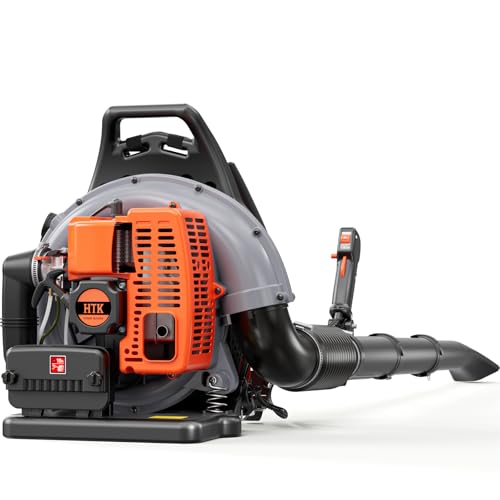
The HTK 63CC 2-Stroke 665 CFM Max 205 MPH Orange 63cc Commercial-Grade is a gas-powered backpack leaf blower for people who regularly clear a large yard, long driveway, or other outdoor space. Its 63cc engine and backpack format are aimed at heavier cleanup than a small handheld blower is typically chosen for.
The listed 665 CFM airflow and maximum 205 MPH air speed point to two different strengths: moving a broad spread of leaves and concentrating force on more stubborn debris. A padded harness, variable-speed throttle, cruise control, and 1.7 L fuel tank are intended to make longer cleanup sessions easier to manage.
The trade-off is that this is still a sizeable two-stroke gas tool, not a quiet, lightweight option you can simply pick up and use without fuel preparation. Its listing also doesn’t provide details such as the blower’s weight or the fuel mixture ratio, so you’ll want to check the manual before buying.
This review explains what the specifications can—and can’t—tell you, what setup may involve, and which buyers are most likely to appreciate the format. It also highlights the fit and noise considerations worth sorting out before committing.
63CC 2-Stroke 665 CFM Max 205 MPH Orange 63cc Commercial-Grade
Features and Specifications
The key figures are useful starting points, not a guarantee of a particular result on every lawn. Leaf condition, ground cover, tube positioning, and operating speed can all affect how a blower feels in practice.

- 63cc, two-stroke engine: The engine size signals a gas model intended for substantial outdoor cleanup. A two-stroke engine also means you’ll need to follow the manual’s fuel instructions; confirm the required fuel-and-oil mixture rather than guessing.
- 665 CFM: CFM measures air volume. This figure matters when you need to move a wide swath of leaves, such as along a long driveway or across an open lawn, rather than chase individual leaves one at a time.
- Up to 205 MPH: MPH describes maximum air speed, which can help direct airflow at damp leaves or clippings clumped along a curb. “Up to” is a maximum rating, not a promise that the blower delivers that speed at every throttle setting.
- 1.7 L fuel tank: The tank holds 1.7 liters of fuel mixture, giving you a larger supply on board than a very small handheld tool might. Actual runtime isn’t specified, so don’t assume a particular number of minutes between refills.
- Variable-speed throttle and cruise control: The throttle lets you adjust output for different tasks. Cruise control can hold a chosen setting so you don’t have to keep squeezing the trigger to maintain it.
- Air-purge starting system: This feature is designed to help with startup by clearing air from the fuel system. It may simplify a starting step, but the listing doesn’t establish a guaranteed start time or eliminate normal cold-start procedures.
- Padded backpack harness and low-vibration design: These features are intended to make carrying and handling more comfortable over longer sessions. They don’t tell you the blower’s total weight or prove that every user will find the fit comfortable.
- Stated 71 dB sound level: HTK lists a 71 dB figure, but the product information provided doesn’t specify the measurement distance or test conditions. Treat it as a stated specification, not a reliable prediction of what neighbors will hear from your property line.
- Included items: The listing names a tube and manual. It doesn’t establish that extra tubes, ear protection, fuel, or other accessories are included, so check the current package details before ordering.
Air volume and air speed are related, but they aren’t interchangeable. The 665 CFM rating suggests broad airflow, while the 205 MPH maximum describes peak speed; together, they give a more useful picture than either number alone, but they still don’t describe every operating condition.
Everyday Use and Performance
For a property with broad lawn edges, a long drive, and recurring leaf fall, a backpack blower can be more practical than a handheld one because the harness carries the machine on your back. The HTK’s throttle and cruise control may help you keep a steady pace once you’ve chosen an output that suits the surface.
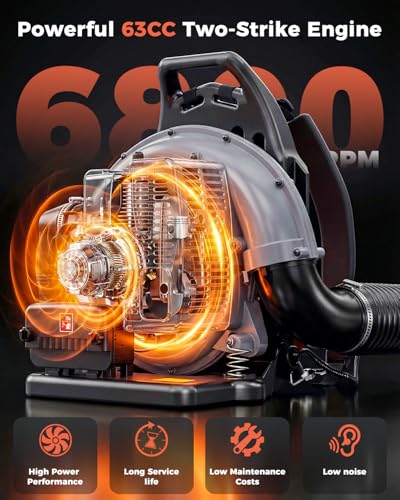
That adjustability matters around garden beds, gravel, and walkways. You can reduce airflow when you don’t want to scatter mulch or send small stones flying, then increase it for open areas or debris that needs more force. The listing doesn’t say how fine the adjustment is, so treat this as a useful control feature—not a guarantee of precision.
Wet leaves are a tougher job than dry ones. The advertised maximum speed may help you direct air at stuck or matted debris, while the high CFM figure is relevant when you need to move a larger volume. Still, expect to work in passes and reposition the tube as needed; the ratings don’t establish that a single sweep will clear heavy, wet piles.
The 1.7 L tank may be convenient when you’d rather not stop often to refuel, especially on a larger property. But tank size alone can’t tell you how long one fill lasts. Runtime depends on operating conditions and throttle use, and no runtime estimate is included in the product details provided.
Noise deserves a realistic check. A listed 71 dB may look reassuring, but without the distance and test method it’s hard to compare that number fairly with other blowers or predict its effect on nearby homes. Plan to use suitable hearing protection and check local rules or neighborhood expectations before buying any gas blower.
The air-purge feature is a convenience, not a substitute for correct startup and maintenance. On a two-stroke machine, fuel preparation and storage matter; if you’re used to a battery blower, handling the required fuel mixture and keeping up with engine care may feel like extra work.
Practical expectation: This model looks best suited to repeated, sizeable cleanup where gas power and a backpack harness are worth the added setup. It’s less appealing for a quick sweep of a small patio, where carrying, fueling, and starting the machine could take more effort than the job itself.
Design, Fit, and Setup
The backpack layout puts the engine unit on your back while you direct the tube with your hand. That can make sense when a handheld blower would become tiring, but comfort depends on the harness adjustment and how the machine fits your torso. Since the listing doesn’t provide a product weight or fit range, check those details with the seller or manual if either could be a deal-breaker.
A padded harness is a helpful design choice, but padding alone doesn’t establish a good fit. Before a long cleanup, make sure the straps sit securely and don’t pinch, and confirm that you can guide the tube comfortably. If you have shoulder or back concerns, don’t assume a backpack format will automatically solve them.
Setup also means reading the instructions before adding fuel. The machine is described as a two-stroke model, but the provided product details don’t state the required oil-to-fuel ratio or fuel grade. Follow the included manual for the exact mixture, startup steps, and storage guidance; using the wrong preparation can create avoidable engine trouble.
Check what arrives in the box and how the tube is assembled. The listing names a tube and manual, but doesn’t give tube dimensions or confirm additional attachments. If you need a particular nozzle shape, extension, or replacement part, verify compatibility before purchase rather than assuming a generic accessory will fit.
For ongoing care, plan on the ordinary attention a gas engine requires: follow the manual’s inspection and maintenance schedule, keep the intake and tube clear, and store fuel according to the instructions. The product details don’t specify service intervals or replacement-part availability, so those are sensible questions to resolve if you expect frequent commercial use.
The orange finish makes the machine easier to distinguish among outdoor equipment, but color doesn’t answer the more important practical questions: weight, fit, noise measurement, and parts support. Those details deserve a closer look if the blower will be used for long shifts or maintained as part of a work fleet.
What Works Well (pros)
- Substantial listed airflow: The 665 CFM rating is relevant for moving broad spreads of leaves and clippings across larger areas, not just tidying a small corner.
- Useful maximum air speed: Up to 205 MPH gives the buyer a clear peak-speed figure to consider for more stubborn debris, while remaining a maximum rather than an all-settings promise.
- Controls for changing tasks: Variable speed gives you a way to adjust output, and cruise control can reduce the need to hold the trigger continuously at one setting.
- Backpack carrying format: A padded harness is intended to spread the load across the body instead of requiring you to carry the engine unit in one hand.
- Features aimed at longer sessions: The air-purge system, low-vibration design, and 1.7 L tank are all relevant to buyers who expect more than a few minutes of cleanup at a time.
These are advantages suggested by the listed design and specifications, not claims based on hands-on testing. Comfort, starting ease, and useful runtime still depend on setup, fit, maintenance, and the actual work you ask the blower to do.
Where It Falls Short (cons)
- Fuel preparation adds work: A two-stroke engine requires following its specified fuel instructions. If you want to avoid mixing fuel, engine maintenance, and storage considerations, a battery blower may be simpler.
- Key buying details aren’t supplied here: The provided information doesn’t state the blower’s weight, exact fuel mixture, or expected runtime. That makes it harder to judge carry comfort and plan long work sessions before purchase.
- The noise number needs context: The listed 71 dB figure has no stated distance or test conditions in the available details. Buyers who need a confidently quiet tool shouldn’t rely on that number alone.
- Backpack fit is personal: A padded harness may help, but the listing doesn’t provide fit measurements or prove it will suit every body type. Users with back or shoulder limitations should check fit and weight carefully.
Who Should Buy It?
This HTK is worth considering if you maintain a large residential property, regularly clear a long driveway, or handle recurring leaf cleanup across open outdoor areas. The combination of a 63cc engine, 665 CFM rating, and backpack layout is aimed at buyers who value gas-powered output and can put it to use often enough to justify the setup.
It may also suit a small landscaping operation looking for a gas backpack blower with adjustable output and cruise control. For professional use, though, confirm parts availability, service support, weight, and the maintenance schedule first; the supplied listing details don’t answer those questions.
Before ordering, check the current package contents, the manual’s fuel requirements, and the blower’s weight and dimensions. Consider where you’ll store the machine and fuel, whether its noise will be acceptable where you work, and whether you’re comfortable starting and maintaining a two-stroke engine.
It’s also worth matching the tool to the surfaces you clear. A powerful blower can move more than leaves, so you’ll want enough control to avoid disturbing gravel, mulch, or lightweight yard decorations. The variable-speed throttle is a useful feature for that reason, but the listing doesn’t state how much output control it offers at the low end.
Who Should Skip It?
Skip this model if you have a small yard, need a lightweight tool for brief jobs, or don’t want to mix fuel and maintain a gas engine; a battery-powered blower with a lower CFM rating and lighter handheld format is a more fitting alternative type.
It’s also a poor match if quiet operation is your main requirement. The stated 71 dB figure lacks measurement context, and the product is still a gas-powered blower; consider a battery model with a clearly documented sound rating instead.
Finally, don’t buy based on the “commercial-grade” wording alone if you need a specific weight, a guaranteed runtime, or a particular service arrangement. Those details aren’t established in the available product specifications, so verify them before relying on the blower for scheduled work.
FAQs About 63CC 2-Stroke 665 CFM Max 205 MPH Orange 63cc Commercial-Grade
Is this HTK blower gas-powered?
Yes. It’s listed as a 63cc, two-stroke gas backpack blower. Follow the manual for its exact fuel preparation and starting instructions.
What do 665 CFM and 205 MPH mean?
CFM measures air volume, which is useful for judging how much material the blower may move across an area. MPH describes air speed, and 205 MPH is the listed maximum—not a stated speed at every setting.
Does it include cruise control?
Yes. Cruise control is listed alongside a variable-speed throttle. It can hold a selected setting so you don’t have to keep squeezing the trigger, though the product details don’t specify the adjustment range.
How long does the 1.7 L tank run?
The listing gives the tank capacity, but not a runtime estimate. How long a fill lasts can vary with operating conditions and throttle use, so the tank size alone can’t provide a dependable work-time figure.
Is the 71 dB rating quiet?
The product lists 71 dB, but the available details don’t state the measurement distance or test conditions. That makes it difficult to compare with other tools or predict the sound level at a neighbor’s home.
Final Verdict: Is It Worth Buying?
The HTK 63CC 2-Stroke 665 CFM Max 205 MPH Orange 63cc Commercial-Grade makes the most sense for someone who regularly clears a large area and wants a gas backpack format with adjustable output. Its listed airflow, maximum speed, cruise control, and padded harness address real cleanup needs, but the specifications don’t settle questions about weight, runtime, fit, or noise in actual use.
Buy it if you’re comfortable with two-stroke fuel preparation and can confirm the missing details that matter to your setup. Skip it for a small yard, a quiet-neighborhood priority, or a low-maintenance routine; a suitably sized battery blower is likely a better fit. That’s the practical takeaway from this htk leaf blower review: the HTK’s advertised power is promising for bigger jobs, but it’s worth checking the manual and fit details before you commit.

I’m Maya L. Greenwood, a lifelong plant lover who believes anyone can grow something beautiful with the right guidance. After years of testing soil mixes, pruning methods, irrigation tricks, and pest-safe solutions, I started EasyGardenTips.com to turn hard-won lessons into step-by-step advice. From seed starting and container gardens to composting and seasonal checklists, my goal is to make gardening simple, sustainable, and fun.