
A brand-new lawn mower sitting in the garage often feels like the start of a fresh season. Yet when the moment comes to pull the starter cord for the first time, many users face a frustrating silence instead of the satisfying engine roar they expect.
Starting a mower for the first time might seem simple, but skipping a few small steps can make even a new machine refuse to start.
According to Briggs & Stratton, most mower starting issues occur because of old fuel, improper priming, or incorrect choke settings (source). A few minutes of preparation can prevent hours of troubleshooting later.
Another study by Consumer Reports found that improper first starts can shorten engine life by up to 20%, especially if oil or fuel levels aren’t properly checked before ignition (source).
The first start is more than just a test run—it’s the moment that sets the tone for your mower’s performance and longevity. From oil checks to identifying whether your machine uses a primer bulb, manual choke, or auto-choke system, each detail matters.
Safety and Pre-Start Checks
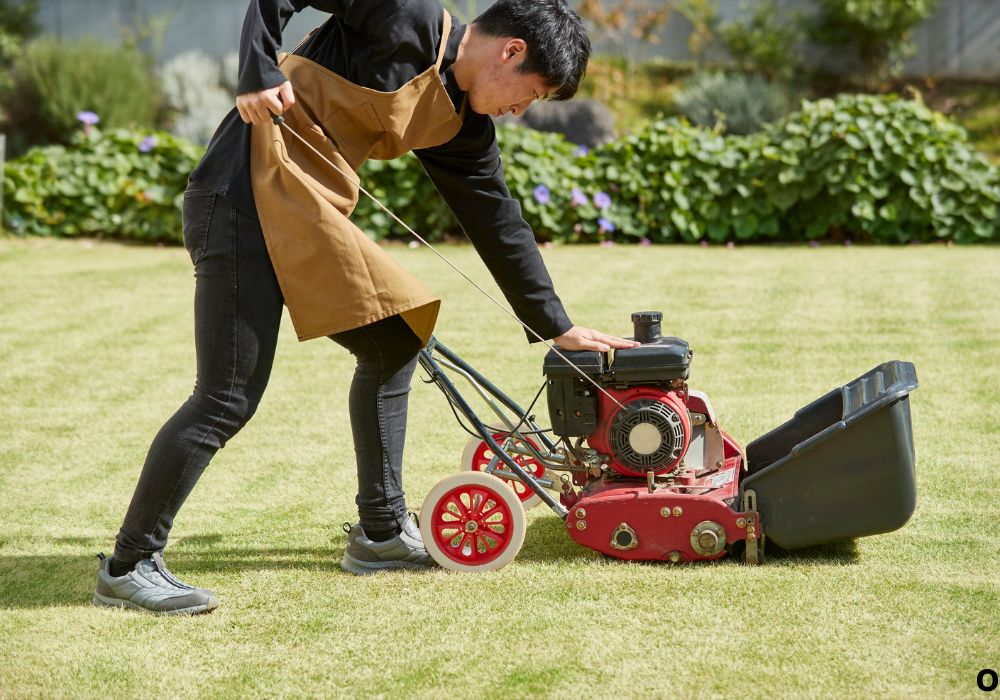
Before learning how to start a lawn mower for the first time, it’s important to understand that preparation determines both safety and performance.
A mower might look ready straight from the box, but small oversights during setup are often the reason new machines fail to start or cause avoidable hazards.
Start by choosing a flat, open, and well-ventilated area for setup. This ensures the mower sits evenly, reduces the chance of tipping, and allows safe exhaust release when the engine starts.
Keep children and pets at a safe distance, as blades can rotate even when partially engaged. Always wear protective gear such as gloves, goggles, long pants, and closed-toe shoes to prevent debris-related injuries.
Next, inspect the mower thoroughly. Make sure the blade control lever or operator presence control (OPC) functions properly—it should stop the engine immediately when released.
Check that all bolts, belts, and guards are secure. Examine the mower deck for packaging materials or obstructions that might interfere with the blades.
Finally, ensure all safety guards, discharge chutes, and shields are intact and properly positioned.
A five-minute inspection can prevent the most common first-start issues such as blocked air vents, fuel leaks, or loose components. Completing these checks lays a solid foundation for a safe and effortless first start.
Fuel and Oil Essentials for a First Start
A successful first ignition depends heavily on proper fueling and lubrication. Many beginners eager to learn how to start a lawn mower for the first time overlook these two simple steps, which are responsible for most initial startup failures.
Using old or incorrect fluids can clog the carburetor, damage seals, and shorten engine life before the mower even cuts its first blade of grass.
Start by checking the engine oil level. Most new mowers ship without oil, and running the engine dry can cause irreversible damage within seconds.
Use the dipstick to confirm the level is between the minimum and maximum marks, and only fill with oil recommended in the owner’s manual—usually SAE 30 or 10W-30 for most walk-behind models.
Next, add fresh unleaded gasoline with an octane rating of at least 87. Avoid old or ethanol-blended fuel that’s been stored for months, as it can separate and form varnish inside the carburetor.
According to Briggs & Stratton, stale fuel is the leading cause of starting issues in small engines (source).
Finally, double-check the fuel valve position if your mower includes one. Open it before starting, and make sure there are no leaks or air bubbles in the line. Proper fuel and oil preparation not only ensures a smooth start but also extends the life of your mower’s engine for years to come.
Identify Your Starting System
Before attempting ignition, you need to identify the type of starting system your mower uses. Understanding this step is essential when learning how to start a lawn mower for the first time, because the procedure differs slightly between primer-bulb, manual choke, and auto-choke models.
Choosing the wrong method can flood the engine or prevent fuel from reaching the carburetor properly.
Most modern push mowers feature one of three systems. The primer bulb system requires pressing a small rubber bulb near the carburetor three to five times to push fuel into the engine. This helps create the right fuel-air mixture for an easy start.
Manual choke systems, common in older or mid-range models, include a lever that adjusts airflow—set it to the CHOKE position before pulling the starter cord, and move it to RUN once the engine fires.
Many newer mowers now use automatic choke systems that adjust the air-fuel ratio automatically. These models don’t require priming or manual adjustments—simply ensure the safety handle is pressed and pull the recoil cord smoothly.
Knowing your mower’s system prevents over-priming, flooding, and hard starts. Taking a moment to identify how your machine is designed ensures the correct steps are followed for a clean, confident first ignition.
Step-by-Step: How to Start a Lawn Mower for the First Time
Now that the checks and setup are complete, it’s time to put everything together and learn exactly how to start a lawn mower for the first time. Following the correct sequence ensures the engine runs smoothly, prevents flooding, and sets your mower up for long-term reliability.
Begin by placing the mower on a flat, stable surface free of obstacles. Engage the blade control handle or operator presence lever firmly—this is the safety bar that must stay pressed for the engine to start. If your mower has a fuel valve, make sure it’s turned to the ON position.
For models with a primer bulb, press it slowly three to five times to draw fuel into the carburetor. If it uses a manual choke, move the lever to the CHOKE or START position. For auto-choke mowers, no adjustment is needed—simply proceed to the pull.
Next, stand behind the mower, hold the handle securely, and pull the starter cord smoothly until you feel resistance, then give it a strong, full pull. If the engine starts, let it idle for 30–60 seconds before adjusting the choke to RUN.
First-Run Checks: Idle, Blade Engagement, and Deck Airflow
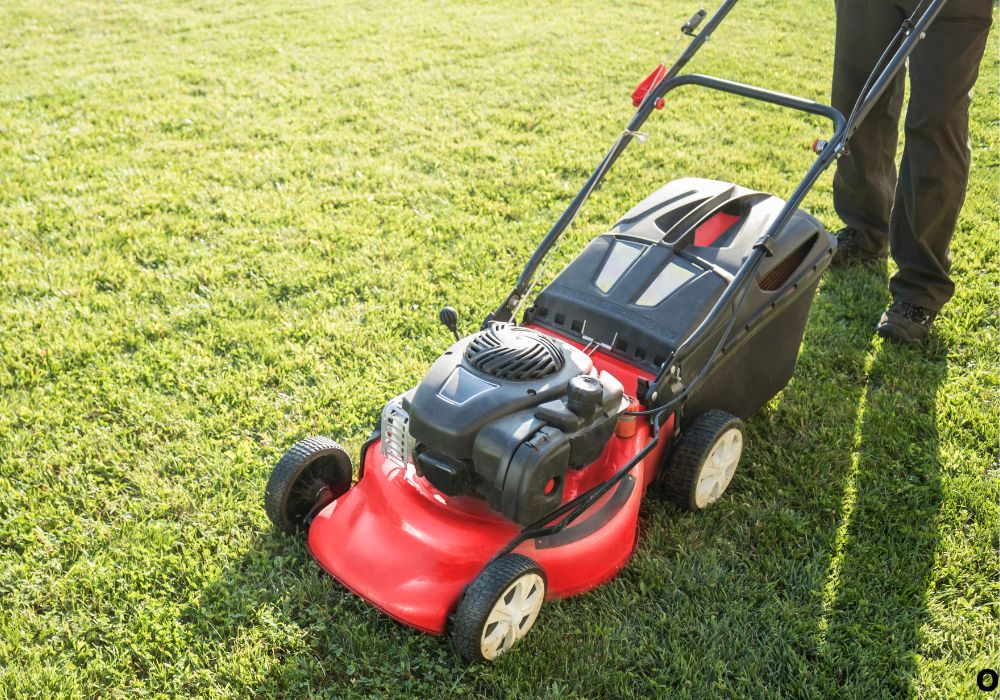
After a successful ignition, the next stage in how to start a lawn mower for the first time is ensuring that the machine runs smoothly under normal operation.
This step confirms the engine’s health, checks for unusual vibrations, and verifies that the mower’s cutting and airflow systems are functioning properly before the first real mowing session.
Let the engine idle for about 30 to 60 seconds. This short warm-up period allows oil to circulate fully through the motor, lubricating critical components and stabilizing the temperature.
Avoid throttling or engaging the blades immediately—doing so can strain a cold engine and shorten its lifespan.
Once the engine is stable, engage the blades slowly and listen for any irregular sounds or vibrations. A smooth humming noise indicates proper alignment and balanced blades.
If there’s shaking or rattling, shut off the mower and check for debris caught under the deck or a loose fastener. Also, verify that the cutting height is adjusted correctly to avoid scalping the grass or overloading the engine.
Inspect the deck’s discharge chute to ensure air and clippings flow freely. Good airflow keeps the blades cutting efficiently and prevents clogging.
These simple post-start checks help fine-tune performance, reduce strain, and ensure your mower is ready to deliver clean, even cuts every time.
Troubleshooting a No-Start on Day One
Even after following every step, some new owners still face the challenge of a mower that refuses to start. Learning how to start a lawn mower for the first time also means knowing how to troubleshoot basic problems safely and efficiently.
Most issues come down to air, fuel, or spark — the three essentials every combustion engine needs to run.
If the mower doesn’t start at all, begin by checking the fuel quality. Old or contaminated fuel is the most common culprit. Drain and refill with fresh gasoline that’s no more than 30 days old.
Next, confirm the spark plug wire is firmly connected. A loose or damaged plug prevents ignition, even when fuel and air are perfect.
Inspect the air filter for dirt or packing material from shipping. A clogged or sealed filter starves the engine of oxygen and stops combustion. If your mower uses a primer bulb, ensure it fills with fuel when pressed—if it stays flat, the fuel line may be blocked or disconnected.
For electric-start models, make sure the battery is fully charged and the safety lever is held down before pressing the start button. If the mower starts briefly and dies, the choke might still be closed; move it to the RUN position.
Addressing these small issues patiently often brings the engine to life without professional help, saving both time and frustration.
Post-Start Best Practices
Once the mower is running smoothly, proper care during and after use is key to keeping it in excellent condition.
Knowing how to start a lawn mower for the first time is just the beginning—developing good habits after that first run will protect the engine, improve performance, and extend its lifespan.
During the initial operation, avoid heavy mowing loads. Keep a moderate pace and allow the engine to run for at least 15–20 minutes to complete its warm-up cycle. This helps the oil coat internal components evenly, which is especially important for brand-new engines.
Avoid mowing wet or overgrown grass during the first session, as this can strain the engine and clog the deck.
After shutting down, let the mower cool completely before touching the deck or refueling. Once it’s safe, clean the underside of the deck with a brush or plastic scraper to remove grass buildup. Check that bolts, blades, and filters remain secure, and wipe off any spilled fuel or oil.
If your mower will sit unused for more than a week, top off the tank with fresh fuel and add a fuel stabilizer to prevent varnish formation.
Performing these small post-start routines keeps the mower efficient, prevents early wear, and ensures every future start is just as reliable as the first.
Conclusion
Starting a new mower might feel intimidating at first, but once you understand how to start a lawn mower for the first time correctly, it becomes a simple, repeatable process.
The key lies in careful preparation—checking fuel and oil, identifying the right starting system, and following a safe ignition routine. Each of these steps protects your mower’s engine and ensures long-term reliability.
By verifying safety features, using fresh fuel, and paying attention to small details like choke settings and airflow, you eliminate nearly all of the common first-start issues that frustrate new owners. Taking a few extra minutes before pulling the cord can save hours of troubleshooting later.
Once started, consistent post-run maintenance keeps the mower ready for every season. Cleaning the deck, inspecting bolts, and properly storing fuel all contribute to smoother performance and a longer lifespan.
A lawn mower is an investment that performs best when treated with care. With the right preparation and technique, your first start will not only be successful but will set the foundation for years of reliable service.
Follow these steps every time you power up your mower, and your machine will reward you with clean cuts, efficient starts, and lasting performance.

I’m Maya L. Greenwood, a lifelong plant lover who believes anyone can grow something beautiful with the right guidance. After years of testing soil mixes, pruning methods, irrigation tricks, and pest-safe solutions, I started EasyGardenTips.com to turn hard-won lessons into step-by-step advice. From seed starting and container gardens to composting and seasonal checklists, my goal is to make gardening simple, sustainable, and fun.